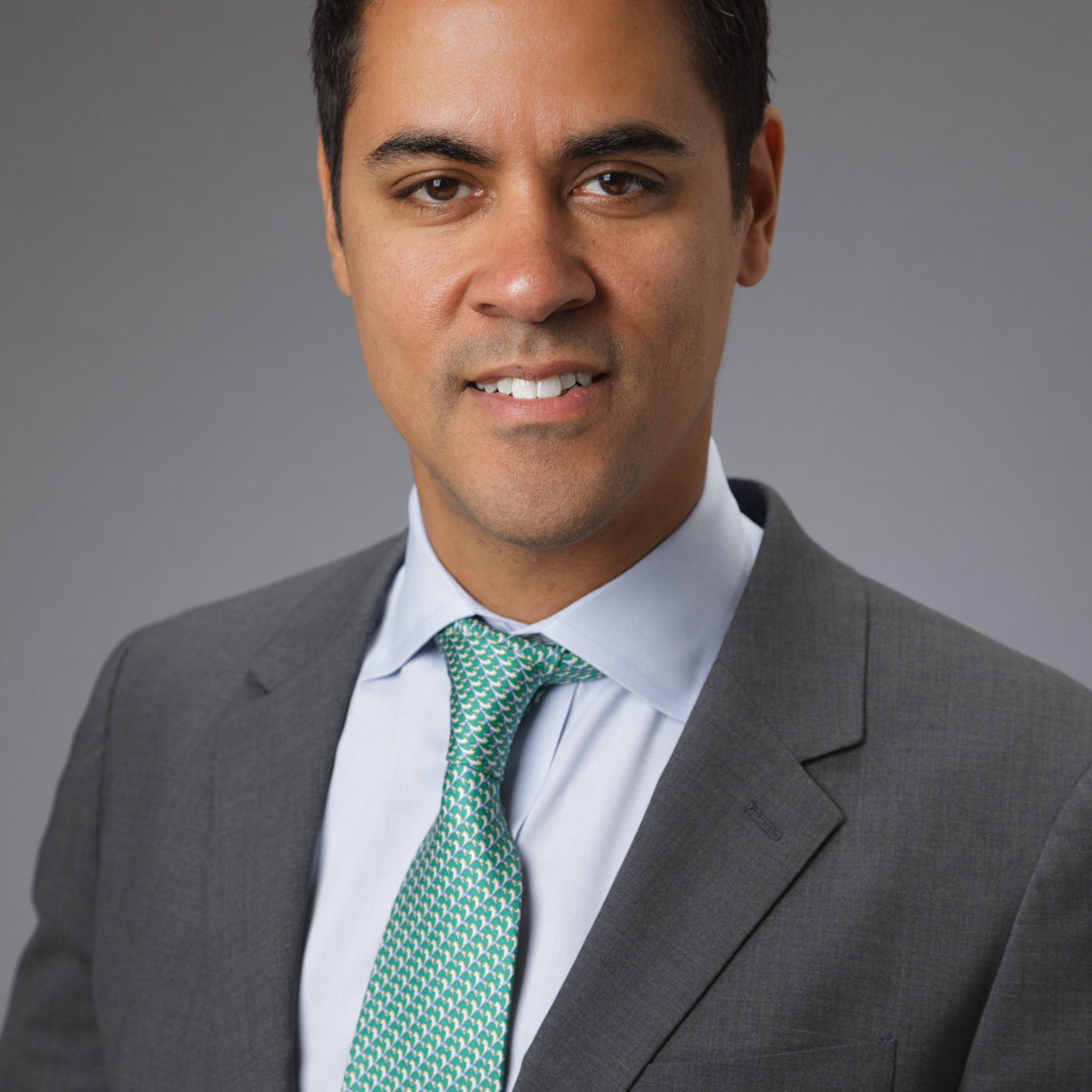
Aoifinn Devitt: This podcast was made possible by the kind support of Alvine Capital Management, a London-based specialist investment advisor and placement boutique. Our next guest believes in seizing the day, and he has seized opportunity time and time again, from creating impact in community banking, the Chicago Mayor’s Office, to a real estate fund with its eye on current trends. Find out more next. I’m Aoifinn Devitt, and welcome to the 50 Faces Podcast, a podcast committed to revealing the richness and diversity of the world of investment by focusing on its people and their stories. I’m joined today by Aaron Joseph, who is Senior Vice President Investor Solutions at Blue Vista Capital Management, a Chicago-based real estate investment manager focused in particular on middle market equity,, student housing, and real estate credit. He previously worked as Deputy Sustainability Officer in the Office of the Mayor in the City of Chicago and as a strategy manager at Urban Partnership Bank focused on providing banking services for impact capital and urban real estate investors. Welcome, Aaron. Thanks for joining me today.
Aaron Joseph: Thank you, Aoifinn. It’s great to join you on the show. I’ve enjoyed being a listener and you’ve captured so many compelling interviews with people I admire and introduced me and your audience to other voices that don’t get heard. So it’s It’s really a pleasure to be here. Thank you so much.
Aoifinn Devitt: Well, thank you. Well, we’re going to start by keeping this very local because I understand that you grew up not far from where we’re sitting today and where I’m sitting today. So where did you grow up and what did you study and how did the investing world make itself open to you?
Aaron Joseph: Yeah, absolutely. Well, that’s right. I grew up in Oak Park, Illinois. It’s a progressive enclave just west of Chicago. I’ve since returned to Oak Park in recent years. You know, my parents were both immigrants. You know, my mother, a farm girl from the plains of Saskatchewan in Canada, and my father from a tiny town in Trinidad and Tobago. You know, he arrived with a 5th grade education. So my mother was white and my father was Black, and, you know, they met in the bohemian neighborhood of Old Town in Chicago shortly after the passage of the Civil Rights Act of ’64. So being a mixed-race couple, when they wanted to settle and form a family, Oak Park was really one of the only places that they would have felt safe doing so. Activists in Oak Park had long fought against redlining and racist housing policies, and it’s a very diverse place, and it still is to this day. So, you know, my father worked in sales and my mother owned a children’s bookstore, and they’re really entrepreneurs and dreamers. And I think that led me to really an entrepreneurial career in real estate to this day. And I studied art history at the University of Wisconsin., and that’s played a huge role in my career as well.
Aoifinn Devitt: I wanna ask about that because I’ve heard great things about the perspective that art history can give a mind, and I’d love to learn what interests you in that. And do you see the world differently because of that?
Aaron Joseph: Yeah. Yeah. I agree with that. From a real estate perspective, I, I think, you know, studying the architectural styles and history of the architecture had led me to my interest in real estate and sustainability and historic preservation. Sort of from a practical skills standpoint, you know, I think, you know, I learned how to write in studying the field, and then also to appreciate and understand different viewpoints and cultures. I mean, essentially, I think that’s, that’s kind of the, you know, the big picture outcome of a classical liberal arts education, teaching you how to think, you know, not what to think.
Aoifinn Devitt: So you’re moving into real estate, it seems to have come after a few different steps in your career. Where did you go right after college? And was that using your art history? Or had you already made the leap into business at that stage?
Aaron Joseph: Right. Yeah, no, that’s a, it’s an interesting question because I actually went into engineering. I was a consulting engineer, you know, working in design and construction and really focused on sustainability. Sustainability is all, you know, part of that progressive upbringing, but it’s, you know, I’d say it was always a growth— I saw it as a growth opportunity in business. So it became, you know, LEED accredited as a professional in 2004 and worked on green buildings and you you ESG, know, has skyrocketed since that time. But I got into that you business, know, really through the ground you floor, know, doing the drafting work. And it was really kind of you know, a, a very hands-on approach to real estate. And so that tangible nature that sometimes people, you know, talk about the asset class, know, you I really lived that from the beginning of my career.
Aoifinn Devitt: Can we then move to the Urban Partnership Bank experience? Because it seems that impact was very much a part of that. Can you describe the kind of, impact that bank was seeking to have?
Aaron Joseph: Yeah, absolutely. So, you know, Urban Partnership Bank, you know, I joined actually at its predecessor institution, which was called ShoreBank. And ShoreBank was a pioneering institution in the impact investing world. You know, they drew capital from many leading endowments and foundations to support anti-redlining lending in the South and West Sides of Chicago. Where there were qualified banking clients that were you underserved, know, in Black and brown neighborhoods. In the washout of the great financial crisis, you know, I came on as a consultant to help recapitalize the bank. And ultimately, that led to the formation of Urban Partnership Bank as, you know, creating a new bank holding company from the bones of ShoreBank. You know, trouble at the bank can make it hard to deploy new loans at that time. It was— it’s difficult at lending institutions of all sorts. But, you know, I’m proud of some of the business relationships we were able to continue to lend to, you know, people doing good work building housing in in underserved communities, investing in neighborhoods that were most in need. And, you know, I’m also grateful to the ENF, the Endowment and Foundation clients that stood by us through that difficult period as well.
Aoifinn Devitt: And just for our listeners who aren’t familiar with some of the terminology, can you just explain what redlining is or was and some of the, the changes that have been made in that since?
Aaron Joseph: Yeah, so absolutely. So banking regulations, or rather the home lending apparatus from the, you know, at the federal level would dictate that certain neighborhoods were not worthy of being invested in or were to be actively avoided by lending institutions. So it was a really institution top-down level lack of access to capital in Black neighborhoods in Chicago, but then in other, you know, cities around the United States. Again, thinking back to that mid-century experience. In the US. And so ShoreBank, as a small— ultimately grew to be about $2 billion in assets, but really we’re taking that sort of street corner and door-by-door approach to building equity and extending credit into these neighborhoods and overcoming some of those institutional barriers. And as you mentioned, fair housing laws have been changed to eliminate redlining And, officially, you know, ShoreBank played a, you know, at least a minor role in moving that forward. So really pioneering and important work done at the institution.
Aoifinn Devitt: So you left there about 10 years ago, the bank. How, in your experience, has access to banking improved now for people in Black and Brown neighborhoods? Is it at the level that it should be?
Aaron Joseph: I think it’s definitely improved. There’s been heightened attention on the area for sure. And yes, certainly it’s been a few years since I was actively in that space, but I think the attention, uh, and on the need for capital in underserved communities has certainly accelerated. And so, and I think, you know, mission investors, banking institutions, local governments have all focused on finding ways to unlock and, and, and focus capital into areas that, that have a need. Still more work to do for sure, Yeah, certainly times have changed and for the better, I think.
Aoifinn Devitt: Moving now to the time you spent in the mayor’s office, it seems that the Chicago mayor’s office is always almost— gets national attention, maybe because the size of the city, because of the politics involved. Can you talk about your experience there and what it was like driving the agenda at a municipal level?
Aaron Joseph: Yeah, yeah, that’s well said. I think, you know, ultimately my experience at Urban Partnership Bank and at ShoreBank led me to joining the mayor’s office. My business experience, the sustainability background, and work on, you know, mission-focused work and community development made me a unique fit for the Deputy Sustainability Officer role. To your point, know, you what was it like? And I mean, what is that, you know, certainly there’s so much attention on the office politically, it draws a lot of attention. And so, you know, I would say it was, it really has made me empathetic, in fact, for allocators who work at some of our U.S. Public pension plans. Because there is so much attention and focus on what you’re doing in a role like that, but you’re very short of resources and bandwidth. So, you know, I really learned how a government functions and why they make the policy decisions that they— and then the way that they make them, how to manage in uncertainty. You know, there’s a very uncertain— and there’s a lot of uncertainty in a role like that. So, and how to get things done through influence and rather than by dictate and how to And most importantly, how to effectively communicate with audiences of all types. So it was incredibly challenging but rewarding work. You know, certainly it was public service. I would say that it was a very challenging role, but also very, very rewarding. And, you know, somebody, a native of the area, you know, I just found it so gratifying, you know, to be able to work and meet people from all across the city. It was a lot of fun. I’ll never forget it.
Aoifinn Devitt: Who was the actual mayor when you were in that role?
Aaron Joseph: Yeah, so exactly. So that was Rahm Emanuel in his first term is when I was there. So he was returning from the White House at that time, and there were connections from the old Shore Bank to the Obamas, frankly. And that’s what sort of made that initial connection.
Aoifinn Devitt: What would you say were the key sustainability challenges, I suppose, of a city like Chicago that you had to handle in your day-to-day? Where do you even begin?
Aaron Joseph: Right. Well, it was, uh, they were broad, right? But the good news was that there was a tremendous legacy already in place by the previous mayor, Richard M. Daley. Richard M. Daley had formed a Department of Environment, which was really pioneering for its time. And essentially that office was formed out of settlement dollars from environmental lawsuits against ComEd and Peoples Gas. So they won millions of dollars from the two utilities for pollution and other environmental judgments against them, but the dollars had to be spent on sustainability topics. And so at that time, you know, you’re talking, that was the late ’80s, early ’90s, that was a very new sort of idea and field. And for a municipal government like a city, what do they do with those dollars was kind of a challenge. And so, you know, that, that led to the creation of the Department of Environment. Those dollars ran out though, so there was a great legacy and a lot of resources in the history, but there were not a lot of the same resources looking forward for the city. So, you know, again, you’re thinking about the brand and the attention that goes to something like the mayor’s office in the city of Chicago is really intense and the expectations are quite high. Uh, so we had to get more done with less, essentially. But we broadened the focus for sustainability and really attacked it you from, know, 4 or from 7 areas, rather. We thought about economic development and job creation, you know, clean job creation, energy efficiency and clean energy, water and wastewater, waste and recycling, parks, open space, and healthy food, climate adaptation. So there was a number of different areas that we really emphasized. And in transportation, I left out transportation, and that was a big one for us. So there was a lot of work to be done, and we pushed really hard and got a lot done. So, you know, energy efficiency benchmarking in big buildings, making solar easier, you know, making, reducing barriers to, you know, permitting and entitlements around transit-oriented development and electric vehicle adoption. You know, these are just some of you the, know, various ideas that we got to work on.
Aoifinn Devitt: Well, certainly having worked in a public pension plan in a city in Chicago, I do know that the dollars always run out, something that you said. It’s not— you won’t have to convince me of that. Let’s move now to your role in real estate, where dollars don’t seem to be running out and there seems to be an abundant demand and quite a lot of activity in the real estate arena. Can you talk about your main areas of focus at Blue Vista, and then we’ll maybe go into some of the dynamics across some of those sectors?
Aaron Joseph: Sure, yeah, absolutely. So at Blue Vista, we’re, we’re value investors, you know, fundamentally. Firm was founded nearly 20 years ago with a the— a thesis focused on unlocking value in middle market real estate., which we define as deals with total capitalization of $50 million or under typically. And that segment of the market is 7 times the size of some more you classically, know, institutional larger assets so that all the large institutions are all competing for. And so you know, sort of that, that imbalance of demand from the you institutions, know, leads to a small cap rate premium for smaller transactions. You know, we observe that to be around 60 to 65 basis points at least for relatively smaller transactions as compared with larger ones. So meaning on a weighted average basis, you’ll observe a higher net operating income per square foot when comparing a small deal to a large deal. So what we’ve seen, the dynamics though over the last several years has been a search for yield that has persisted. And we’ve seen an increasing push by investors into non-gateway cities and niche asset types or increasing appetite to explore these areas. And COVID more recently has really accelerated the use of technology, and that has changed the way that we live, work, and play. But as the pandemic wanes and things go back to normal— and we think that we will go back to normal in many respects— but that normal will be different than it ever was before. So, you know, more work from home, more flexible living arrangements, more use of the internet in everything that we do, and that is going to change the demand for space and leave, frankly, some assets stranded and leave and see enduring demand for new types of assets.
Aoifinn Devitt: Just say we look at some of those stranded assets. What sort of way do you think they could be repurposed? And maybe can you give an example of where you think the biggest risk of stranded assets is?
Aaron Joseph: Yeah, sure, sure. So I think the biggest one where we’re seeing the challenges are have been in, I’d say, office some retail, and also in some hotels. And so let’s start with office. I mean, that has been tremendously challenged with central business districts and the lack of demand for some space. So Green Street, the research shop, they note that there’s been a 15% demand drop across the board, and they see 5 years for that to recover. There always will be demand for trophy properties, But there are many more non-trophy assets out there that are at risk for obsolescence. And so, you know, historically as an office investor at Blue Vista, know, you we, we’ve done a lot of office and had a lot of success with it. But looking forward, we’re going to be very selective and look for opportunities with, you know, robust, consistent demand that, uh, you know, we feel endure. And that’ll be assets that feature lab space or R&D space flex office that has a production or a light manufacturing component, things that can’t be sort of arbed away via work-for-home sort of arrangement. But thinking about, to your point about repurposing assets and adaptive reuse, in the retail sector, for instance, big box retail, we’ve seen repurposing big box retail into self-storage, right? So self-storage has been an area where we, have seen really insatiable demand. It’s, it’s grown in the wake of the new housing sort of development, and it’s also become increasingly really a retail-type product. You know, an asset that used to be, you know, cinder blocks behind barbed wire in, you know, in seedier parts of town has now moved to the main and main street corner where a woman household decision maker who makes the purchasing decisions feels safe feel secure, and it’s an attractive asset to visit. Actually looks— the new generation of self-storage actually looks more like housing, really mirrors the development of housing and really tracks the low cap rates that you see in housing as well these days. So adaptive use is very challenging work. The zoning and entitlement of repurposing assets can be very, very challenging. So it takes a deft hand and a lot of skill and a focus. So When we invest, we invest programmatic, with via programmatic joint ventures with specialists in local markets or property types. And that’s how we really feel like we can find the best values as we select opportunities.
Aoifinn Devitt: And do you see a lot of opportunity in student housing today? I know that’s an area that is one of your sectors you cover.
Aaron Joseph: Right, so the housing story is really interesting. Demand for housing has been insatiable out there. And there is a drain on new supply which is getting absorbed more quickly than new listings can come online. So that is really creating an interesting dynamic in the market and making it very challenging out there and really being very accretive and supportive of multifamily fundamentals. So it’s a segment of the market out there that is really embracing being a renter by choice because it’s so hard to buy homes. And they like the quality of single-family living and single-family housing in a monetized community. So the build-for-rent purpose-built master-planned community has been an area where we have been investing and have seen a lot of success. And there’s there’s been, been a really a wave of capital coming into the area. But there’s really a shortage of good opportunities, but there’s really stable demand for housing. So That’s a theme that we’re going to continue to invest in and we you see, know, has a very bright future. You know, I think most importantly in that theme is going to be near good K-12 schools. And I think there’s also you pressure, know, from, you know, when you think about housing, that there is a sort of a public policy angle that comes into you that, know, as we touched on previously. But I think from the way that we’re delivering the product, we’re really competing with garden-style apartments. Rather than, you know, the individual home buyer. So we feel like we’re really finding a nice niche in that area with the purpose-built master-planned development in housing.
Aoifinn Devitt: And you mentioned something earlier about RV parks, which is just intriguing to me. Can you tell me a little bit about that?
Aaron Joseph: Yeah, absolutely. So RV parks, this has been an area where we’ve, we’ve been recently investing. It’s a tough market for institutions to access because the transactions are so small. Routinely under $10 million in total capitalization. And so the idea is to aggregate up a portfolio and then capture a premium by rolling up a larger portfolio. But again, similar to the housing story, there is really strong demand and emerging demand for assets of this type. And it comes down to really a new way of doing recreation. In the United States. And I think we’ve all seen the numbers on, you know, the, the production and the demand for recreational vehicles— Airstream trailers, RVs, know, you all these big campers. They really flew off the shelves and, you know, everybody bought these vehicles. So then there’s a demand to, to go out and, and you see, know, the wonderful sights of around the country, and they’re not institutionally owned in any sort of way, a very mom-and-pop sort of disaggregated ownership of the assets. And so we’re very excited about acquiring assets in this space, and we feel like it’s a— you have the benefits of a hospitality asset without any of the operational risk that is, you know, so, you know, it’s so hard to approach when you think about hospitality investing. So we really like RV parks as well.
Aoifinn Devitt: It’s not dissimilar from some of the holiday parks in the UK. I’ve heard about you them, know, the kind of the This was more lodges, et cetera, camping sites, et cetera. They seem to have been in huge demand during the pandemic when nobody could travel abroad and are also quite fragmented. So very interesting.
Aaron Joseph: Yeah, absolutely. And student housing has been really robust in its demand as well. That has been an asset type that has been remarkably recession-proof through the years. And we’ve seen through the pandemic, even as schools went online, that demand for for-profit private housing targeted towards students leased extraordinarily well. So in the depths of the pandemic, our portfolio lost perhaps a percentage point or two at most across the portfolio. And that was really driven by foreign nationals, students who could not reenter the country in the travel lockdowns in the depths of the pandemic. But overall, rent collection was really strong. We saw rental rate increases across the portfolio in a market where we were underwriting challenges where we’d see a 20% drop in income. So that just never materialized, we’re very happy to say. So it’s proven to be a very recession-resilient type of asset. And now the industry is saying it’s pandemic-proof now too. I think what we’ve seen though is there is a bifurcation going on similar to the way that Not all retail is going to survive. Not all office is going to look so great. Student housing is the same, faces somewhat of the same challenges where, you know, having a very well-located asset, you’ll see the inelastic demand for rents in those types of assets. You may struggle if you’re not at a premier institution where there’s not as strong of a compelling value for the student who is paying the tuition or the parents who are paying the tuition. So you have to be very selective in, in when when you, you select these opportunities and, and the management of them is very hands-on as well. It takes a specialist. We have a strategic operating partner at Blue Vista solely focused on student housing as well. So we’re specialists in that area.
Aoifinn Devitt: That’s very interesting. I just want to ask you also about getting back to your sustainability roots. Now that ESG risk is at the top of many investors’ agenda and latterly they seem to be extending that into private assets such as private equity, real estate. How much does sustainability feature as a layer that you look to when you’re looking at the value proposition of an investment?
Aaron Joseph: Yeah, we’ve seen increased demand and appetite for sustainability and real robust reporting from investors in sustainability. And I you think, know, there’s been some ascending themes. I mean, most principally has been the UN Principles for Responsible Property Investing, the UN PRI. So Blue Vista is a signatory there. GRESB and other rating systems continue to ascend in importance as well. So that’s certainly a real theme that is continuing to grow and continue to grow in importance. We see that demand from our investors and we see the value as well. I mean, there are trade-offs and this is an area I know a lot about. I’ve spent a lot of time on it on the policy side. And I think there’s, you know, there’s heavy investment in sustainability is more economically feasible for more expensive real estate. And when you’re holding on a longer-term basis as well. So that’s, that’s sort of the, there’s a tension there. But I think with investors and managers, you know, I think via technology, I’m really pleased to see that there’s, there’s progress being made. And I think Blue Vista is certainly learning and growing as we focus there as well.
Aoifinn Devitt: And my last question about the industry is, what are your thoughts on the diversity of it? You mentioned growing up in a liberal enclave and there’s a lot of diversity in Oak Park. I live here myself. And in the finances, and you’ve also cycled through public service, which tends to have a diverse representation. What are your impressions across, say, the real estate investment industry of the level of diversity?
Aaron Joseph: Yeah, you know, it’s a great question, Aoifinn. And so where I am very pleased with the direction of the adoption of sustainable sustainability in the real estate and in ESG more broadly in asset management, you know, at least in the real estate area, diversity, the state of the industry is really quite poor. There’s not really any sugarcoating to it. I mean, it’s a long-term, just because of the long-term nature of the real estate industry, real estate is very relationship-driven and it’s a highly networked business.. And so, you know, it’s historically been a family business as well. So breaking into those networks has been extremely difficult. And the numbers bear that out. I mean, the Knight Foundation put out a report in, in December of ’21 on the state of DEI in the asset management industry. And one of the conclusions that they had in that report was that real estate has the lowest representation of both women and minority-owned firms in asset management. So, you know, personally, I came from a very modest background. And so that’s, that’s atypical, to say the least. And I would say, you know, I’ve been very fortunate to have supportive mentors early in my career, and the luck of getting into, you know, a good business school that really sort of propelled things for me. I wouldn’t be so lucky to be where I am today without that. Again, I think there’s a lot of focus on it. I think there’s, you know, there’s a new there’s a focus and a push. And I think, you know, Blu Vista, you know, to the credit of the firm, represents very well for diverse people at all levels in the organization. So that’s a positive. But, you know, broadly speaking, there’s a lot of work to be done.
Aoifinn Devitt: Just getting back to your personal journey now, were there any setbacks along your career? We talked about a lot of successes, but were there any lessons maybe that you learned that you can share?
Aaron Joseph: Yeah, yeah. So leaving my MBA studies, in the financial crisis was a tremendous challenge. So, you know, I made a career change from engineering where I wanted to go to development and into the business side of real estate and really knew nothing about what that really meant. And I was so glad and excited to, you know, win a job with Morgan Stanley Real Estate, you know, a very coveted role in acquisitions, underwriting deals for their MESREF series and, and the Prime Property Funds. And seeing the Chicago office close down and being out of a job just months out of graduating was incredibly humbling. But that closed door led to having a front row seat for some interesting and unique opportunities to recap distressed assets, work at— work on ShoreBank and, you know, forming a new bank holding company, and then ultimately to my work at the bank— I mean, at the mayor’s office. So those challenges, you got to embrace them sometimes.
Aoifinn Devitt: If they don’t kill you, they make you stronger, for sure. So you mentioned a lot of the, some of the great people you’ve worked with, both in public service and now in the private sector. Are there any key people or mentors that you had throughout your career?
Aaron Joseph: Yeah, absolutely. So I’d you say, know, a key person, there’s a couple of them. Know, You Paul Roldán, he’s the president of the Hispanic Housing Corporation, an affordable housing development company. He encouraged me to pursue my dream to get into real estate. When I you was, know, just out of You school. Know, he introduced me to the Urban Land Institute, which is an industry group related to land use, you know, high-quality group. And I learned a lot through that experience and found a way to get involved and build networks. That was critical. Another one would be Steve Koch, who was Deputy Mayor of Chicago, also a UChicago MBA grad. And he gave me critical advice on how to make the leap the big leap back from the, from the public sector back into real estate. So those were two pivotal ones for sure. Of course, you know, most importantly were my parents who were my inspiration. But, you know, Paul and Steve, always come back to those were, you know, those were pivotal moments and they gave me great advice.
Aoifinn Devitt: And speaking of advice, is there any key piece of advice, a word of wisdom that you’ve heard and lived by, or any creed or motto that comes to mind?
Aaron Joseph: Yeah, yeah. That’s interesting. You know, I uh, I don’t, don’t necessarily think about that on a daily basis, but I do think there is one that I always come back to, and that’s, you know, I studied Latin in high school. Oak Park River Forest High School had a Latin department. I think they still do. But one idea I always come back to is carpe diem. You know, essentially it comes down to, I you think, know, there’s only one today, so make the most out of it. And so that’s, you know, that’s, that’s been That’s a motivator for me, for sure.
Aoifinn Devitt: Well, thank you so much, Aaron. It’s been a pleasure to speak with you. I also like to seize the day, and it’s been great to speak about you seizing opportunities from engineering to impact work, impact banking, to the mayor’s office. And thank you for your service there. And now into real estate opportunities with a sustainability angle. Thank you so much for coming here and sharing your insights with us.
Aaron Joseph: Thank you so much, Aoifinn. It’s been a real joy.
Aoifinn Devitt: I’m Aoifinn Devitt. Thank you for listening to the 50 Faces podcast. If you liked what you heard and would like to tune in to hear more inspiring investors and their personal journeys, please subscribe on Apple Podcasts or wherever you get your podcasts. This podcast is for informational purposes only and should not be construed as investment advice, and all views are personal and should not be attributed to the organizations and affiliations of the host or any guest.
Aoifinn Devitt: This podcast was made possible by the kind support of Alvine Capital Management, a London-based specialist investment advisor and placement boutique. Our next guest believes in seizing the day, and he has seized opportunity time and time again, from creating impact in community banking, the Chicago Mayor’s Office, to a real estate fund with its eye on current trends. Find out more next. I’m Aoifinn Devitt, and welcome to the 50 Faces Podcast, a podcast committed to revealing the richness and diversity of the world of investment by focusing on its people and their stories. I’m joined today by Aaron Joseph, who is Senior Vice President Investor Solutions at Blue Vista Capital Management, a Chicago-based real estate investment manager focused in particular on middle market equity,, student housing, and real estate credit. He previously worked as Deputy Sustainability Officer in the Office of the Mayor in the City of Chicago and as a strategy manager at Urban Partnership Bank focused on providing banking services for impact capital and urban real estate investors. Welcome, Aaron. Thanks for joining me today.
Aaron Joseph: Thank you, Aoifinn. It’s great to join you on the show. I’ve enjoyed being a listener and you’ve captured so many compelling interviews with people I admire and introduced me and your audience to other voices that don’t get heard. So it’s It’s really a pleasure to be here. Thank you so much.
Aoifinn Devitt: Well, thank you. Well, we’re going to start by keeping this very local because I understand that you grew up not far from where we’re sitting today and where I’m sitting today. So where did you grow up and what did you study and how did the investing world make itself open to you?
Aaron Joseph: Yeah, absolutely. Well, that’s right. I grew up in Oak Park, Illinois. It’s a progressive enclave just west of Chicago. I’ve since returned to Oak Park in recent years. You know, my parents were both immigrants. You know, my mother, a farm girl from the plains of Saskatchewan in Canada, and my father from a tiny town in Trinidad and Tobago. You know, he arrived with a 5th grade education. So my mother was white and my father was Black, and, you know, they met in the bohemian neighborhood of Old Town in Chicago shortly after the passage of the Civil Rights Act of ’64. So being a mixed-race couple, when they wanted to settle and form a family, Oak Park was really one of the only places that they would have felt safe doing so. Activists in Oak Park had long fought against redlining and racist housing policies, and it’s a very diverse place, and it still is to this day. So, you know, my father worked in sales and my mother owned a children’s bookstore, and they’re really entrepreneurs and dreamers. And I think that led me to really an entrepreneurial career in real estate to this day. And I studied art history at the University of Wisconsin., and that’s played a huge role in my career as well.
Aoifinn Devitt: I wanna ask about that because I’ve heard great things about the perspective that art history can give a mind, and I’d love to learn what interests you in that. And do you see the world differently because of that?
Aaron Joseph: Yeah. Yeah. I agree with that. From a real estate perspective, I, I think, you know, studying the architectural styles and history of the architecture had led me to my interest in real estate and sustainability and historic preservation. Sort of from a practical skills standpoint, you know, I think, you know, I learned how to write in studying the field, and then also to appreciate and understand different viewpoints and cultures. I mean, essentially, I think that’s, that’s kind of the, you know, the big picture outcome of a classical liberal arts education, teaching you how to think, you know, not what to think.
Aoifinn Devitt: So you’re moving into real estate, it seems to have come after a few different steps in your career. Where did you go right after college? And was that using your art history? Or had you already made the leap into business at that stage?
Aaron Joseph: Right. Yeah, no, that’s a, it’s an interesting question because I actually went into engineering. I was a consulting engineer, you know, working in design and construction and really focused on sustainability. Sustainability is all, you know, part of that progressive upbringing, but it’s, you know, I’d say it was always a growth— I saw it as a growth opportunity in business. So it became, you know, LEED accredited as a professional in 2004 and worked on green buildings and you you ESG, know, has skyrocketed since that time. But I got into that you business, know, really through the ground you floor, know, doing the drafting work. And it was really kind of you know, a, a very hands-on approach to real estate. And so that tangible nature that sometimes people, you know, talk about the asset class, know, you I really lived that from the beginning of my career.
Aoifinn Devitt: Can we then move to the Urban Partnership Bank experience? Because it seems that impact was very much a part of that. Can you describe the kind of, impact that bank was seeking to have?
Aaron Joseph: Yeah, absolutely. So, you know, Urban Partnership Bank, you know, I joined actually at its predecessor institution, which was called ShoreBank. And ShoreBank was a pioneering institution in the impact investing world. You know, they drew capital from many leading endowments and foundations to support anti-redlining lending in the South and West Sides of Chicago. Where there were qualified banking clients that were you underserved, know, in Black and brown neighborhoods. In the washout of the great financial crisis, you know, I came on as a consultant to help recapitalize the bank. And ultimately, that led to the formation of Urban Partnership Bank as, you know, creating a new bank holding company from the bones of ShoreBank. You know, trouble at the bank can make it hard to deploy new loans at that time. It was— it’s difficult at lending institutions of all sorts. But, you know, I’m proud of some of the business relationships we were able to continue to lend to, you know, people doing good work building housing in in underserved communities, investing in neighborhoods that were most in need. And, you know, I’m also grateful to the ENF, the Endowment and Foundation clients that stood by us through that difficult period as well.
Aoifinn Devitt: And just for our listeners who aren’t familiar with some of the terminology, can you just explain what redlining is or was and some of the, the changes that have been made in that since?
Aaron Joseph: Yeah, so absolutely. So banking regulations, or rather the home lending apparatus from the, you know, at the federal level would dictate that certain neighborhoods were not worthy of being invested in or were to be actively avoided by lending institutions. So it was a really institution top-down level lack of access to capital in Black neighborhoods in Chicago, but then in other, you know, cities around the United States. Again, thinking back to that mid-century experience. In the US. And so ShoreBank, as a small— ultimately grew to be about $2 billion in assets, but really we’re taking that sort of street corner and door-by-door approach to building equity and extending credit into these neighborhoods and overcoming some of those institutional barriers. And as you mentioned, fair housing laws have been changed to eliminate redlining And, officially, you know, ShoreBank played a, you know, at least a minor role in moving that forward. So really pioneering and important work done at the institution.
Aoifinn Devitt: So you left there about 10 years ago, the bank. How, in your experience, has access to banking improved now for people in Black and Brown neighborhoods? Is it at the level that it should be?
Aaron Joseph: I think it’s definitely improved. There’s been heightened attention on the area for sure. And yes, certainly it’s been a few years since I was actively in that space, but I think the attention, uh, and on the need for capital in underserved communities has certainly accelerated. And so, and I think, you know, mission investors, banking institutions, local governments have all focused on finding ways to unlock and, and, and focus capital into areas that, that have a need. Still more work to do for sure, Yeah, certainly times have changed and for the better, I think.
Aoifinn Devitt: Moving now to the time you spent in the mayor’s office, it seems that the Chicago mayor’s office is always almost— gets national attention, maybe because the size of the city, because of the politics involved. Can you talk about your experience there and what it was like driving the agenda at a municipal level?
Aaron Joseph: Yeah, yeah, that’s well said. I think, you know, ultimately my experience at Urban Partnership Bank and at ShoreBank led me to joining the mayor’s office. My business experience, the sustainability background, and work on, you know, mission-focused work and community development made me a unique fit for the Deputy Sustainability Officer role. To your point, know, you what was it like? And I mean, what is that, you know, certainly there’s so much attention on the office politically, it draws a lot of attention. And so, you know, I would say it was, it really has made me empathetic, in fact, for allocators who work at some of our U.S. Public pension plans. Because there is so much attention and focus on what you’re doing in a role like that, but you’re very short of resources and bandwidth. So, you know, I really learned how a government functions and why they make the policy decisions that they— and then the way that they make them, how to manage in uncertainty. You know, there’s a very uncertain— and there’s a lot of uncertainty in a role like that. So, and how to get things done through influence and rather than by dictate and how to And most importantly, how to effectively communicate with audiences of all types. So it was incredibly challenging but rewarding work. You know, certainly it was public service. I would say that it was a very challenging role, but also very, very rewarding. And, you know, somebody, a native of the area, you know, I just found it so gratifying, you know, to be able to work and meet people from all across the city. It was a lot of fun. I’ll never forget it.
Aoifinn Devitt: Who was the actual mayor when you were in that role?
Aaron Joseph: Yeah, so exactly. So that was Rahm Emanuel in his first term is when I was there. So he was returning from the White House at that time, and there were connections from the old Shore Bank to the Obamas, frankly. And that’s what sort of made that initial connection.
Aoifinn Devitt: What would you say were the key sustainability challenges, I suppose, of a city like Chicago that you had to handle in your day-to-day? Where do you even begin?
Aaron Joseph: Right. Well, it was, uh, they were broad, right? But the good news was that there was a tremendous legacy already in place by the previous mayor, Richard M. Daley. Richard M. Daley had formed a Department of Environment, which was really pioneering for its time. And essentially that office was formed out of settlement dollars from environmental lawsuits against ComEd and Peoples Gas. So they won millions of dollars from the two utilities for pollution and other environmental judgments against them, but the dollars had to be spent on sustainability topics. And so at that time, you know, you’re talking, that was the late ’80s, early ’90s, that was a very new sort of idea and field. And for a municipal government like a city, what do they do with those dollars was kind of a challenge. And so, you know, that, that led to the creation of the Department of Environment. Those dollars ran out though, so there was a great legacy and a lot of resources in the history, but there were not a lot of the same resources looking forward for the city. So, you know, again, you’re thinking about the brand and the attention that goes to something like the mayor’s office in the city of Chicago is really intense and the expectations are quite high. Uh, so we had to get more done with less, essentially. But we broadened the focus for sustainability and really attacked it you from, know, 4 or from 7 areas, rather. We thought about economic development and job creation, you know, clean job creation, energy efficiency and clean energy, water and wastewater, waste and recycling, parks, open space, and healthy food, climate adaptation. So there was a number of different areas that we really emphasized. And in transportation, I left out transportation, and that was a big one for us. So there was a lot of work to be done, and we pushed really hard and got a lot done. So, you know, energy efficiency benchmarking in big buildings, making solar easier, you know, making, reducing barriers to, you know, permitting and entitlements around transit-oriented development and electric vehicle adoption. You know, these are just some of you the, know, various ideas that we got to work on.
Aoifinn Devitt: Well, certainly having worked in a public pension plan in a city in Chicago, I do know that the dollars always run out, something that you said. It’s not— you won’t have to convince me of that. Let’s move now to your role in real estate, where dollars don’t seem to be running out and there seems to be an abundant demand and quite a lot of activity in the real estate arena. Can you talk about your main areas of focus at Blue Vista, and then we’ll maybe go into some of the dynamics across some of those sectors?
Aaron Joseph: Sure, yeah, absolutely. So at Blue Vista, we’re, we’re value investors, you know, fundamentally. Firm was founded nearly 20 years ago with a the— a thesis focused on unlocking value in middle market real estate., which we define as deals with total capitalization of $50 million or under typically. And that segment of the market is 7 times the size of some more you classically, know, institutional larger assets so that all the large institutions are all competing for. And so you know, sort of that, that imbalance of demand from the you institutions, know, leads to a small cap rate premium for smaller transactions. You know, we observe that to be around 60 to 65 basis points at least for relatively smaller transactions as compared with larger ones. So meaning on a weighted average basis, you’ll observe a higher net operating income per square foot when comparing a small deal to a large deal. So what we’ve seen, the dynamics though over the last several years has been a search for yield that has persisted. And we’ve seen an increasing push by investors into non-gateway cities and niche asset types or increasing appetite to explore these areas. And COVID more recently has really accelerated the use of technology, and that has changed the way that we live, work, and play. But as the pandemic wanes and things go back to normal— and we think that we will go back to normal in many respects— but that normal will be different than it ever was before. So, you know, more work from home, more flexible living arrangements, more use of the internet in everything that we do, and that is going to change the demand for space and leave, frankly, some assets stranded and leave and see enduring demand for new types of assets.
Aoifinn Devitt: Just say we look at some of those stranded assets. What sort of way do you think they could be repurposed? And maybe can you give an example of where you think the biggest risk of stranded assets is?
Aaron Joseph: Yeah, sure, sure. So I think the biggest one where we’re seeing the challenges are have been in, I’d say, office some retail, and also in some hotels. And so let’s start with office. I mean, that has been tremendously challenged with central business districts and the lack of demand for some space. So Green Street, the research shop, they note that there’s been a 15% demand drop across the board, and they see 5 years for that to recover. There always will be demand for trophy properties, But there are many more non-trophy assets out there that are at risk for obsolescence. And so, you know, historically as an office investor at Blue Vista, know, you we, we’ve done a lot of office and had a lot of success with it. But looking forward, we’re going to be very selective and look for opportunities with, you know, robust, consistent demand that, uh, you know, we feel endure. And that’ll be assets that feature lab space or R&D space flex office that has a production or a light manufacturing component, things that can’t be sort of arbed away via work-for-home sort of arrangement. But thinking about, to your point about repurposing assets and adaptive reuse, in the retail sector, for instance, big box retail, we’ve seen repurposing big box retail into self-storage, right? So self-storage has been an area where we, have seen really insatiable demand. It’s, it’s grown in the wake of the new housing sort of development, and it’s also become increasingly really a retail-type product. You know, an asset that used to be, you know, cinder blocks behind barbed wire in, you know, in seedier parts of town has now moved to the main and main street corner where a woman household decision maker who makes the purchasing decisions feels safe feel secure, and it’s an attractive asset to visit. Actually looks— the new generation of self-storage actually looks more like housing, really mirrors the development of housing and really tracks the low cap rates that you see in housing as well these days. So adaptive use is very challenging work. The zoning and entitlement of repurposing assets can be very, very challenging. So it takes a deft hand and a lot of skill and a focus. So When we invest, we invest programmatic, with via programmatic joint ventures with specialists in local markets or property types. And that’s how we really feel like we can find the best values as we select opportunities.
Aoifinn Devitt: And do you see a lot of opportunity in student housing today? I know that’s an area that is one of your sectors you cover.
Aaron Joseph: Right, so the housing story is really interesting. Demand for housing has been insatiable out there. And there is a drain on new supply which is getting absorbed more quickly than new listings can come online. So that is really creating an interesting dynamic in the market and making it very challenging out there and really being very accretive and supportive of multifamily fundamentals. So it’s a segment of the market out there that is really embracing being a renter by choice because it’s so hard to buy homes. And they like the quality of single-family living and single-family housing in a monetized community. So the build-for-rent purpose-built master-planned community has been an area where we have been investing and have seen a lot of success. And there’s there’s been, been a really a wave of capital coming into the area. But there’s really a shortage of good opportunities, but there’s really stable demand for housing. So That’s a theme that we’re going to continue to invest in and we you see, know, has a very bright future. You know, I think most importantly in that theme is going to be near good K-12 schools. And I think there’s also you pressure, know, from, you know, when you think about housing, that there is a sort of a public policy angle that comes into you that, know, as we touched on previously. But I think from the way that we’re delivering the product, we’re really competing with garden-style apartments. Rather than, you know, the individual home buyer. So we feel like we’re really finding a nice niche in that area with the purpose-built master-planned development in housing.
Aoifinn Devitt: And you mentioned something earlier about RV parks, which is just intriguing to me. Can you tell me a little bit about that?
Aaron Joseph: Yeah, absolutely. So RV parks, this has been an area where we’ve, we’ve been recently investing. It’s a tough market for institutions to access because the transactions are so small. Routinely under $10 million in total capitalization. And so the idea is to aggregate up a portfolio and then capture a premium by rolling up a larger portfolio. But again, similar to the housing story, there is really strong demand and emerging demand for assets of this type. And it comes down to really a new way of doing recreation. In the United States. And I think we’ve all seen the numbers on, you know, the, the production and the demand for recreational vehicles— Airstream trailers, RVs, know, you all these big campers. They really flew off the shelves and, you know, everybody bought these vehicles. So then there’s a demand to, to go out and, and you see, know, the wonderful sights of around the country, and they’re not institutionally owned in any sort of way, a very mom-and-pop sort of disaggregated ownership of the assets. And so we’re very excited about acquiring assets in this space, and we feel like it’s a— you have the benefits of a hospitality asset without any of the operational risk that is, you know, so, you know, it’s so hard to approach when you think about hospitality investing. So we really like RV parks as well.
Aoifinn Devitt: It’s not dissimilar from some of the holiday parks in the UK. I’ve heard about you them, know, the kind of the This was more lodges, et cetera, camping sites, et cetera. They seem to have been in huge demand during the pandemic when nobody could travel abroad and are also quite fragmented. So very interesting.
Aaron Joseph: Yeah, absolutely. And student housing has been really robust in its demand as well. That has been an asset type that has been remarkably recession-proof through the years. And we’ve seen through the pandemic, even as schools went online, that demand for for-profit private housing targeted towards students leased extraordinarily well. So in the depths of the pandemic, our portfolio lost perhaps a percentage point or two at most across the portfolio. And that was really driven by foreign nationals, students who could not reenter the country in the travel lockdowns in the depths of the pandemic. But overall, rent collection was really strong. We saw rental rate increases across the portfolio in a market where we were underwriting challenges where we’d see a 20% drop in income. So that just never materialized, we’re very happy to say. So it’s proven to be a very recession-resilient type of asset. And now the industry is saying it’s pandemic-proof now too. I think what we’ve seen though is there is a bifurcation going on similar to the way that Not all retail is going to survive. Not all office is going to look so great. Student housing is the same, faces somewhat of the same challenges where, you know, having a very well-located asset, you’ll see the inelastic demand for rents in those types of assets. You may struggle if you’re not at a premier institution where there’s not as strong of a compelling value for the student who is paying the tuition or the parents who are paying the tuition. So you have to be very selective in, in when when you, you select these opportunities and, and the management of them is very hands-on as well. It takes a specialist. We have a strategic operating partner at Blue Vista solely focused on student housing as well. So we’re specialists in that area.
Aoifinn Devitt: That’s very interesting. I just want to ask you also about getting back to your sustainability roots. Now that ESG risk is at the top of many investors’ agenda and latterly they seem to be extending that into private assets such as private equity, real estate. How much does sustainability feature as a layer that you look to when you’re looking at the value proposition of an investment?
Aaron Joseph: Yeah, we’ve seen increased demand and appetite for sustainability and real robust reporting from investors in sustainability. And I you think, know, there’s been some ascending themes. I mean, most principally has been the UN Principles for Responsible Property Investing, the UN PRI. So Blue Vista is a signatory there. GRESB and other rating systems continue to ascend in importance as well. So that’s certainly a real theme that is continuing to grow and continue to grow in importance. We see that demand from our investors and we see the value as well. I mean, there are trade-offs and this is an area I know a lot about. I’ve spent a lot of time on it on the policy side. And I think there’s, you know, there’s heavy investment in sustainability is more economically feasible for more expensive real estate. And when you’re holding on a longer-term basis as well. So that’s, that’s sort of the, there’s a tension there. But I think with investors and managers, you know, I think via technology, I’m really pleased to see that there’s, there’s progress being made. And I think Blue Vista is certainly learning and growing as we focus there as well.
Aoifinn Devitt: And my last question about the industry is, what are your thoughts on the diversity of it? You mentioned growing up in a liberal enclave and there’s a lot of diversity in Oak Park. I live here myself. And in the finances, and you’ve also cycled through public service, which tends to have a diverse representation. What are your impressions across, say, the real estate investment industry of the level of diversity?
Aaron Joseph: Yeah, you know, it’s a great question, Aoifinn. And so where I am very pleased with the direction of the adoption of sustainable sustainability in the real estate and in ESG more broadly in asset management, you know, at least in the real estate area, diversity, the state of the industry is really quite poor. There’s not really any sugarcoating to it. I mean, it’s a long-term, just because of the long-term nature of the real estate industry, real estate is very relationship-driven and it’s a highly networked business.. And so, you know, it’s historically been a family business as well. So breaking into those networks has been extremely difficult. And the numbers bear that out. I mean, the Knight Foundation put out a report in, in December of ’21 on the state of DEI in the asset management industry. And one of the conclusions that they had in that report was that real estate has the lowest representation of both women and minority-owned firms in asset management. So, you know, personally, I came from a very modest background. And so that’s, that’s atypical, to say the least. And I would say, you know, I’ve been very fortunate to have supportive mentors early in my career, and the luck of getting into, you know, a good business school that really sort of propelled things for me. I wouldn’t be so lucky to be where I am today without that. Again, I think there’s a lot of focus on it. I think there’s, you know, there’s a new there’s a focus and a push. And I think, you know, Blu Vista, you know, to the credit of the firm, represents very well for diverse people at all levels in the organization. So that’s a positive. But, you know, broadly speaking, there’s a lot of work to be done.
Aoifinn Devitt: Just getting back to your personal journey now, were there any setbacks along your career? We talked about a lot of successes, but were there any lessons maybe that you learned that you can share?
Aaron Joseph: Yeah, yeah. So leaving my MBA studies, in the financial crisis was a tremendous challenge. So, you know, I made a career change from engineering where I wanted to go to development and into the business side of real estate and really knew nothing about what that really meant. And I was so glad and excited to, you know, win a job with Morgan Stanley Real Estate, you know, a very coveted role in acquisitions, underwriting deals for their MESREF series and, and the Prime Property Funds. And seeing the Chicago office close down and being out of a job just months out of graduating was incredibly humbling. But that closed door led to having a front row seat for some interesting and unique opportunities to recap distressed assets, work at— work on ShoreBank and, you know, forming a new bank holding company, and then ultimately to my work at the bank— I mean, at the mayor’s office. So those challenges, you got to embrace them sometimes.
Aoifinn Devitt: If they don’t kill you, they make you stronger, for sure. So you mentioned a lot of the, some of the great people you’ve worked with, both in public service and now in the private sector. Are there any key people or mentors that you had throughout your career?
Aaron Joseph: Yeah, absolutely. So I’d you say, know, a key person, there’s a couple of them. Know, You Paul Roldán, he’s the president of the Hispanic Housing Corporation, an affordable housing development company. He encouraged me to pursue my dream to get into real estate. When I you was, know, just out of You school. Know, he introduced me to the Urban Land Institute, which is an industry group related to land use, you know, high-quality group. And I learned a lot through that experience and found a way to get involved and build networks. That was critical. Another one would be Steve Koch, who was Deputy Mayor of Chicago, also a UChicago MBA grad. And he gave me critical advice on how to make the leap the big leap back from the, from the public sector back into real estate. So those were two pivotal ones for sure. Of course, you know, most importantly were my parents who were my inspiration. But, you know, Paul and Steve, always come back to those were, you know, those were pivotal moments and they gave me great advice.
Aoifinn Devitt: And speaking of advice, is there any key piece of advice, a word of wisdom that you’ve heard and lived by, or any creed or motto that comes to mind?
Aaron Joseph: Yeah, yeah. That’s interesting. You know, I uh, I don’t, don’t necessarily think about that on a daily basis, but I do think there is one that I always come back to, and that’s, you know, I studied Latin in high school. Oak Park River Forest High School had a Latin department. I think they still do. But one idea I always come back to is carpe diem. You know, essentially it comes down to, I you think, know, there’s only one today, so make the most out of it. And so that’s, you know, that’s, that’s been That’s a motivator for me, for sure.
Aoifinn Devitt: Well, thank you so much, Aaron. It’s been a pleasure to speak with you. I also like to seize the day, and it’s been great to speak about you seizing opportunities from engineering to impact work, impact banking, to the mayor’s office. And thank you for your service there. And now into real estate opportunities with a sustainability angle. Thank you so much for coming here and sharing your insights with us.
Aaron Joseph: Thank you so much, Aoifinn. It’s been a real joy.
Aoifinn Devitt: I’m Aoifinn Devitt. Thank you for listening to the 50 Faces podcast. If you liked what you heard and would like to tune in to hear more inspiring investors and their personal journeys, please subscribe on Apple Podcasts or wherever you get your podcasts. This podcast is for informational purposes only and should not be construed as investment advice, and all views are personal and should not be attributed to the organizations and affiliations of the host or any guest.