Aoifinn Devitt: Brought to you with the kind support of Federated Hermes Inc., a leading global investment manager. Guided by their conviction that responsible investing is the best way to create wealth over the long term, their investment solutions span equity, fixed income, alternative and private markets, multi-asset and liquidity strategies, and a range of separately managed accounts distributed through intermediaries worldwide.
Matteo Dante Peruccio: You know, saying something like I don’t like or I like cryptocurrencies is like saying I don’t like or like hedge funds. It means nothing. One needs to get specific about what aspects of the industry, what types of strategies, what things. And I think the same holds true for digital assets. There are lots of things in this ecosystem because it’s still quite, quite young that are, I believe, will not make the test of time, will not make it through, and there’ll be culling as we go on.
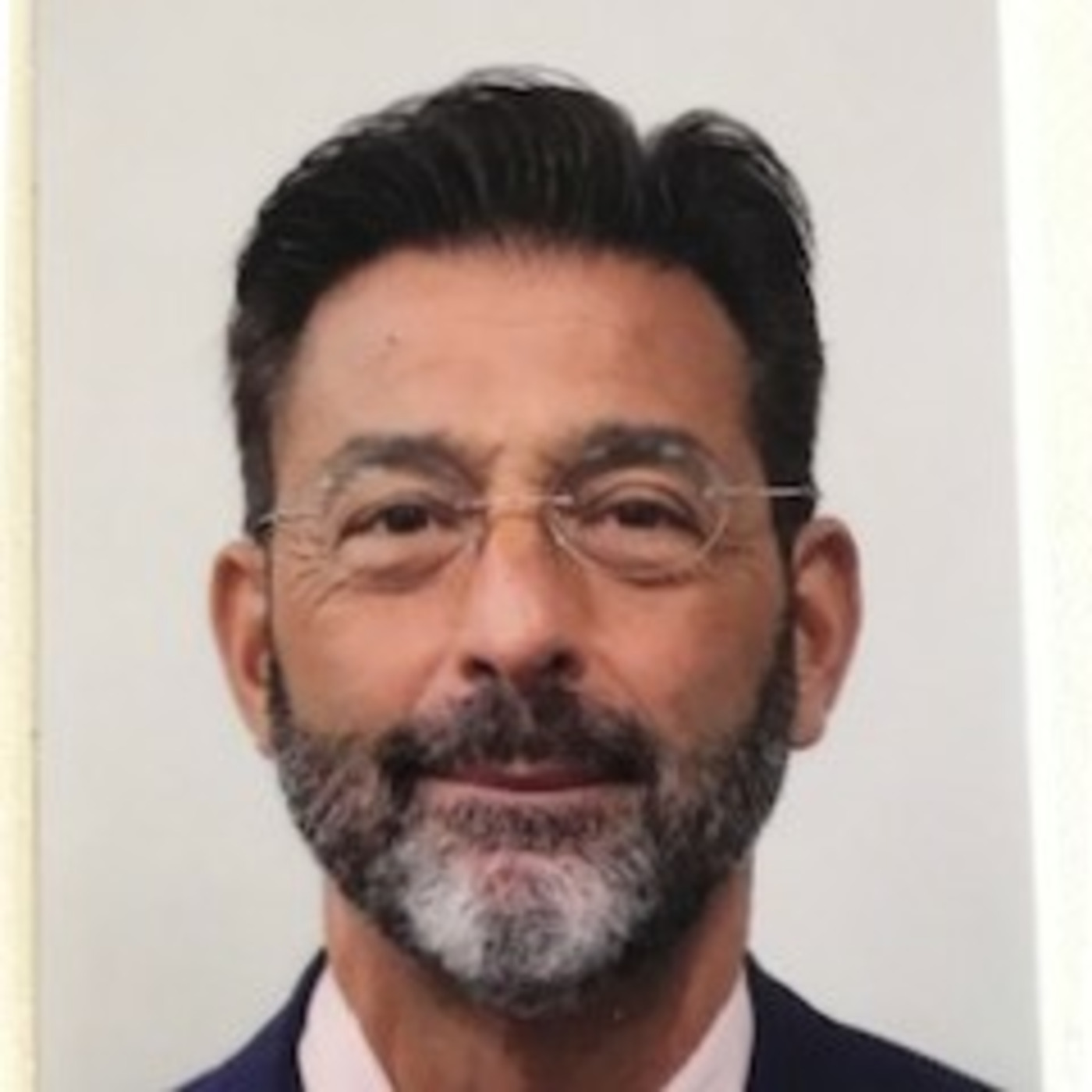
Aoifinn Devitt: I’m Aoifinn Devitt, and welcome to the 50 Faces Podcast, a podcast committed to revealing the richness and diversity of the world of investment by focusing on its people and their stories. I’m joined today by Matteo Dante Peruccio, who is President International and Partner at Wave Financial Group. He’s had an extensive career across wealth management, VC tech investing, and family office space. He’s currently focused on digital assets at Wave Financial Group, and we’re going to dig into some of these emerging themes here. Welcome, Matteo. Thanks for joining me today.
Matteo Dante Peruccio: Thanks for having me, Yvonne.
Aoifinn Devitt: Let’s start with your background. Where did you grow up and what did you study, and how did investing come on the horizon for you?
Matteo Dante Peruccio: So my story gets strange even from the beginning. I grew up and was born and grew up into an Italian family in the United States in Connecticut. Went to school out at Notre Dame in South Bend, Indiana, and then graduate school, I studied international affairs and business at American University School of International Service. But I actually, I actually almost, I went to school and started as majoring in theater and dramatic arts, and I wanted to be I wanted to be an actor. So I suppose, interesting as we talk more about what I think are useful tools in business and in life in general, I would advocate everyone to take a theater course. I can go more into that, why I say that. So that was my upbringing and I studied abroad, had a couple scholarships to study abroad and then I ended up going overseas, started my career in New York with an Italian bank and they sent me overseas, and that was really how I got into finance. But I was waiting on tables at a comedy club when that happened.
Aoifinn Devitt: Well, there’s certainly a lot there, and you are not the first, believe it or not, finance person to come on this podcast who used to be an actor or had dreams to be an actor. First of all, I’d love to hear how you went from that, from wanting to major in theater to the application to an Italian bank. Was there a transition at some point during your education?
Matteo Dante Peruccio: Yeah, well, I think really all it was is pretty simple, was that I needed to— you know, I didn’t come from a family of money. I needed to partially support my family and pay off my student loans and figure out how I was going to feed myself. And, uh, you know, I suppose I often say I’m a failed actor. I don’t even know if I could say that because I don’t think I ever really gave it— uncharacteristically for me, by the way— didn’t give it my, my full attempt. And I think I hid behind the excuse of needing to earn money, which was definitely the case. But, you know, I had figured out ways, waiting on tables and other ways to feed myself and help in the family all my life from when I was young. I think I was probably looking in hindsight, got a little bit afraid and also realized what it entailed in terms of what kind of life it was going to be even just trying to become successful at it. So I was living in Queens on a couch. So some friends of mine who had gotten jobs out of university were very kindly letting me live there. And really by happenstance, and that’s how life happens serendipitously, one of my friends’ girlfriends at the time worked at an Italian bank and they knew I spoke Italian and I was looking for a job. And he said, look, I could try to get her to get you a job, get you an interview. And I got an interview at this bank, and I had studied international affairs and business, and so I knew, but I really didn’t take business courses in university, and it wasn’t my passion. I knew I wanted to be involved in international, and I wanted to eventually go abroad from the United States. So that’s kind of how I— and what happened was I ended up getting a job at an Italian bank that at that time, if If you remember in the ’80s, late ’80s, that was the LBO craze, a lot of syndicated loans. And I worked on the syndicated loan desk, you basically, know, entering into transactions, a lot of foreign bank syndications where banks would lend large chunks of money to these deals to make them happen. And you then, know, my boss, for whatever reason, thought that I was talented and decided that I would be the first to be sent over to the headquarters from a foreign branch, São Paulo. So that was how I ended up in Italy, in Turin, at the headquarters.
Aoifinn Devitt: Fascinating. Well, just now, after such a long career, you have cycled through many different sides of finance, asset management, wealth management, VC, tech, family offices. Where is the space where you found, I suppose, where you can make the biggest difference where you can have the most impact?
Matteo Dante Peruccio: I think I would would split— I split it into that answer. The answer to that question in two pieces. One is I think having had a leadership role, particularly at a big leadership role at Pioneer Investments, was where I felt I could make a broader impact in terms of the role itself. Right. I was able to have impact in working with people, impact in driving the business and strategy. And that was exciting because that’s where I discovered how much I loved managing people and sort of developed and honed my management style and my philosophy. The second part I would say is my rebirth personally and professionally for me is getting into digital assets because it took a big leap. And I suppose we could talk a bit about that later. But the jump coming from traditional asset management where I am both age-wise and trajectory in my career, it was a big jump. There weren’t a lot of people my age with my background getting into digital assets at the time I did it. And what I found exciting about that was the marrying of my traditional experience together with this community, which the whole ethos is around collaboration, community, exchange of ideas, transparency, which is very different from the traditional business ecosystem where it’s often jealous. Often you keeping, know, your ideas and your USP close to your chest. So that was exciting because I could see the role I could play by bringing this experience. But also I was learning myself lots of new ways to interact with people, which was exciting.
Aoifinn Devitt: Well, we’ll jump to that just in about a minute. But I’d like to go back because not everybody would admit or would even say that they like managing people. Is there anything about your management style that you think is unique or that you think has been particularly effective in molding the professionals who work with you? Just talk a little bit about how you said you honed that style. What did you end up with?
Matteo Dante Peruccio: Well, you know, very early when I was at American Express, it was a fantastic place to learn because they invested a lot in their people and in their senior executives. And I was fortunate enough to become at a relatively young age a senior executive. I was actually there at the time, the youngest ever executive director. So that puts you into a whole program of education that they had. And I remember one training course I that I did very early on in my career. And, you know, now for many people, it’s probably a relatively banal statement. But the instructor said, you know, just remember, as a leader, it doesn’t matter what you say, it matters what they hear. And I think if you peel that back a little bit, what it’s really talking about is empathy, is putting yourself in the place of others and trying to hear what they’re hearing you say, not what you think you’re saying to them. From their perspective, what you say, how that resonates. And so to me, I think what I realized was the acting, which by the way is a sort of a structured learning, how to structurally empathize, right? You cannot play a role if you can’t think about what that character is feeling and thinking, right? So I think empathy is a huge part of leadership. And it’s what certainly for me, I think, made me somewhat successful was the fact that I tried to understand what the challenges were that people I was working with were facing and tried to figure out ways to help them deal with that. But also, if I needed things done, to try to connect and communicate in a way that people could understand and resonate and made them feel part of something. So I think that together with the other undying tenet for me was fairness. I believe that people react well to an environment where they feel it’s transparent how you succeed and how you fail, and it’s fair. If they can understand the system and they can understand what success looks like and what failure looks like, and in order to be fair, you know, I live by something that Abraham Lincoln said. He said, obviously at his time he said men, but the true test of a man, the true test of a person, you could say, is what they do when no one is watching them. And I think that those are the moments in leadership and those are the moments in life, truthfully, that make the difference in people is thinking about, is this the right— just because no one’s watching me, what’s the right thing to do here? I don’t know if that makes sense.
Aoifinn Devitt: Absolutely. I love that. And we’ll come back to some other reflections later and other ways that you guide your life. But let’s go to digital assets now, since I think this is probably going to be one of the most interesting parts of this discussion because we actually haven’t had any digital asset-focused guests yet, which is quite surprising given we’ve had well over 100 conversations. So let’s talk about your current role at Wave, the surge of interest you’re seeing in digital assets, and give us your initial impressions there.
Matteo Dante Peruccio: Yeah, I you think, know, what’s exciting about digital assets and what’s been exciting for me is it’s being involved in something that has such a an incredible momentum. I was used to things developing over years. In this sector, things develop over months. It’s just remarkable. And so when I joined Wave in mid-2019, we were the first registered investment advisor in crypto in the United States. We had something like maybe $75 million of assets, and we were 10 people. You know, fast forward, we’re in 2022, in the beginning of 2022, you know, we’re now north of a billion dollars of assets. We’re SEC regulated. We have 35 people. And this industry, in the meantime, you know, we’re not alone in that sort of growth trajectory. But I think what’s just fascinated me is the adoption, the tone of the conversation, how it’s changed, even in a time you where, know, there’s still a lot of conflicting views on digital assets in general and in particular on cryptocurrencies. And I encourage people, you know, I always— it’s frustrating to you me, know, I think we spoke about this even before, but I like to remind people, know, you saying something like I don’t like or I like cryptocurrencies, it’s like saying I don’t like or like hedge funds. It means nothing. One needs to get specific about what aspects of the industry, what types of strategies, what things. And I think the same holds true for or digital assets. There are lots of things in this ecosystem because it’s still quite, quite young that are, I believe, will not make the test of time, will not make it through, and there’ll be culling as we go on. But for me, what’s been the most exciting part has been the exciting applications that so many aspects of blockchain and crypto and digital assets brings to evolving and changing and improving the financial ecosystem. And like I said, it’s going to be applicable, and it is applicable already, to almost every financial instrument that we can think about. And on top of it, it is overflowing through NFTs and through other technological advancements into the world of the arts, into the world of sports, and into the world of gaming. I mean, it’s a world of trade, trade finance. You know, very few people realize that blockchain is revolutionizing the the way that trade will take place. I’m old enough to remember letters of credit, physical letters of credit that get signed and get presented at a port. All of that with NFTing of product and of content is changing the face of trade and changing the face of music and I mean everything. It’s just very exciting. So I’d say, summarize, what I’m seeing in this industry is just how it’s getting adopted, And more and more traditional players are coming into the space and figuring out how to harness the power of blockchain and how the power of digital assets to, to provide investors with better and more exciting opportunities.
Aoifinn Devitt: And let’s break down in terms of some of the areas of opportunity and the type of return that you can expect. Maybe we can look at NFTs, or maybe more of a combined exposure. Is there anything that you can point to?
Matteo Dante Peruccio: Sure. I mean, the way I think about this is I think we have to differentiate Bitcoin, set it out aside in some respects the way that one would set you aside, know, gold as an asset, as a financial asset versus other financial assets. Bitcoin is, you know, is an asset which I think it’s established its, its, its role. It’s still changing and evolving, but I think it’s solidified its role as the, the most trusted, the oldest store of value in the digital space. So, you know, there the returns are twofold, and we’re looking— and that know, that can, you can bleed over into other tokens and cryptocurrencies that we talk about. But there’s two ways, obvious— the obvious ways to make money in this market is capital appreciation. So buying and you holding, know, hodling as they say in the terminology, nomenclature of digital assets, crypto. So hold the asset, wait for to it depreciate. But, you know, there’s a lot of volatility to stomach there. The other is to harness characteristics of the underlying asset to generate income or yield, and that can be done through trading. And there’s a lot of funds that have been born that are doing market-neutral strategies trying to generate assets, and returns can be phenomenal. There are funds that do 100%, 200%, 300%. But for example, at Wave, we chose to apply traditional strategy of a covered call strategy that you would normally see on equities but apply it to Bitcoin. And there you can throw out a 20% 20% yield per annum for the investor and capturing a significant part of the upside of the capital appreciation. So that strategy can be applied to Ethereum and to some of the other larger-cap tokens. So then there’s DeFi. And in the DeFi space, 15%+ yield opportunities in DeFi. But you’re going into a complex risk-return profile because you need to understand— one needs to understand the counterparty risk involved. Which is not always easy. And then you have, as you spoke about, NFT. And in NFT, again, I think we have to break it down between the collectible side of the market, which is the part that most people read and hear about, which is either the sort of CryptoPunks and the Kitties and all of this stuff, and then the sports NFTs and things where you see things appreciate. And there’s a question of appreciation, I think if you’re not deep in this space, one has to come to grips with the fact that they’re really more speculating than they are investing. If you are deep in the space, you can understand, and there are ways to analyze the characteristics of some of these collectibles like an art collector would do to be able to understand what pieces will probably appreciate in value. And then you have the whole connectivity of this space to gaming and to the metaverse, which is why I think the potentiality for returns and the longevity of returns in this space is going to be more longer than people anticipate. There will be bubbles created in portions of this market over time, but there is so much money flowing into it and so much potential utility for a lot of the NFTs in the gaming and metaverse space that I think we we’re still a ways away from any explosion of this marketplace in terms of a bubble popping.
Aoifinn Devitt: Right. We’ve only just got to look at the recent acquisitions in the gaming space and the size of them, I suppose, to see how the potential is viewed. That’s really interesting. And let’s just about— ask talk about ESG, because that is certainly something that’s now infusing every investment conversation. And how does ESG factor into the conversation around digital assets?
Matteo Dante Peruccio: Well, you know, ESG, that’s a really interesting one because ESG has so many characteristics to it, right? There are the most basic aspects of ESG, but there are funds that say they’re ESG because they don’t invest in— it’s sort of a negative filter you put on and say, well, I don’t do these horrible things, therefore this is ESG compliant. Then there’s proactive, and then it depends on how deep you go into analyzing your underlying investments and what you’re looking at and whether those those make sense or not. So I think with crypto, it’s an evolving conversation. And the most flagrant and obvious issue being addressed right now is this issue of the intensity of use of energy for Bitcoin and other what are called proof-of-work protocols. But we’re seeing For example, Ethereum moving over to proof of stake. Proof of stake uses, you know, sort of eliminates a large portion of that problem by using way less electricity. The problem is sort of autocorrecting also even on the proof of work issue like Bitcoin, because with some of the banning of Bitcoin mining, for example, in China and so on, a lot where the use of dirty fuel was a larger portion of the energy usage than in other places. A lot of that has migrated— almost all of it has migrated to places that are using efficient energy sources. For example, people don’t realize, but these warehouses, mining warehouses, set up where energy is cheapest. Coal is not the cheapest energy source, certainly not in the United States. The cheapest energy source is excess hydroelectric, excess solar. So where you go to grids and there are dams and there’s a lot of energy being wasted because it can’t be transported long distances. So they set up these warehouses near to these sources of excess electricity and it’s, you know, it’s dirt cheap for them. And of course, it’s using electricity that’s already being produced. So I think over time there’s been a substantive reduction in this, in the use of dirty energy, and it will continue because They are mobile. These mining centers are mobile and will move to the cheapest sources of oil. And they’re also cognizant of the fact that regulatory— there is regulatory attention to this around what kind of energy is being used.
Aoifinn Devitt: Certainly going to be an area we hear a lot more about. Well, let’s move now to some reflections. It’s been a fascinating discussion on digital assets. You’ve been in the industry for many decades. Do you have any thoughts, again, continuing the ESG theme, on the levels of diversity in it and whether it’s improving in your eyes?
Matteo Dante Peruccio: Yes and no, I think would be my honest answer. I think there’s certainly way more awareness. There are certainly well-intended attempts to create diversity and we’ve made huge progress. I mean, for sure, if I look at my career and I look at the component of minorities, for example, in trading, the LGBT community who are openly LGBT and in finance. You know, when I was at Jupiter, you know, we had LGBT Day, Celebration Day, and there were a lot of people told their stories, the staff. And I was you know, actually, because some of this can be sort of lip service sometimes. And I was impressed, for example, when I was at Jupiter, you know, the people that showed up voluntarily for these presentations and were really truly engaged in asking lots of questions and and hearing the experiences of people in finance and what their real-life experiences were like. So, you know, I think we’re making a lot of progress with women in finance. I think it’s still— I went to a conference, interestingly, I think because of the tech bent of digital assets. I went to a big conference in London recently, and it was still, I’d say, 80% men, which surprised me because I think of it as, you know, next-gen younger people You think there would be more women involved, but I think that the fact that women are still significantly underrepresented in tech plays a bigger role. And then I went to a finance conference and there were way more women percentage-wise. So I think traditional finance is catching up. I think interestingly, digital assets is still— if you look at most of the big protocols and so on, they’re run by men, they were developed by men. And I think that’s more about women in technology than it is women in finance.
Aoifinn Devitt: That’s a really interesting observation. I’ll have to watch for that now.
Matteo Dante Peruccio: It was surprising to me. It didn’t all connect with me. I mean, I might be wrong in my analysis, right? I don’t know. I haven’t done any studies. So, but it’s just a sort of anecdotal reaction.
Aoifinn Devitt: And we spoke a little bit about some of the highlights of your career where you felt that you really were able to develop and make an impact. Over such a long career, I’m sure there have been some setbacks and challenges. Are there any of those that you’ve learned from that you can share?
Matteo Dante Peruccio: The one that jumps out to me the most was much like this syndrome they talk about with hedge fund traders or traders in general who have a fantastic year. Oftentimes they start to believe that everything that they touch turns to gold, know, you the sort of Midas touch thing. And so therefore, either the risk appetite increases, they believe their own judgment is infallible. I you think, know, off the success of a period that I had at Pioneer where incredible growth, you know, brought the brand from being non-existent to one of the top, you know, 10 brands in Europe and asset management and so on. I then went off to run a co-CEO of business, Paris, and I think probably I overestimated my own abilities. I overestimated the fact that, you know, you know, you can apply the same model and you’ll have the same result. Every business is different, requires different skill sets. Perhaps lost a bit of humility, intellectual humility. You know, that was a hard lesson to learn because I didn’t succeed there. I didn’t achieve what I wanted to achieve. And but it was a great learning because it’s sort of you a, know, humbling moment where you stop and you reflect. And, you know, on a personal level, When you go through also, you know, personal trauma, things when your life doesn’t go exactly the way you expect it to, that is also a useful you experience, know, for a human being to form their views about how they need to fix things about themselves. So I think I learned a little bit about humility, intellectual humility, and that being surrounded by great people is the best thing you can possibly do, both both personally and professionally.
Aoifinn Devitt: And on that note, were there any particular people in your career that really kind of were pivotal in how you think or in maybe changing your direction?
Matteo Dante Peruccio: Yeah, on a personal level, my father, who passed away a couple of years ago, but he also on a professional level, because he was the one who actually, he actually introduced me to that saying by Abraham Lincoln. About true test of a man is what he does when no one is watching. And I think, you know, the fact that he was always— he was a child psychologist and he helped, you know, tens of thousands of kids over his career, one of the longest serving in the state of Connecticut. And I think it was about that, you know, I learned about dedication, about changing, the satisfaction that comes with helping people take back their lives and changing the trajectory, making them believe in themselves. And so that When I was at American Express, I had a boss, a guy named William Blomquist, fantastic guy. He’s now retired. He became vice chairman of American Express Bank eventually. Just a great human being, but a fantastic management style. He was able to achieve things without— call managing without authority. So sometimes his purview didn’t extend to the things he needed to make his business successful. And he had a unique way of engaging people and getting them on board. And convincing them to do what he needed done. And I think that, that is something, for example, that we’ve lost entirely in the political debate and construct. You know, politicians have lost the ability to reach across areas that are not under their direct control and get people on board. And I think in life, it’s, it’s just— and in work, it’s a really important skill. And it was something that served me really, really well. And he was always honest both when negative— needed to communicate negative news and positive news, but he always did it in a very human way. And I think that was an incredible opportunity for me to learn how to be a better leader.
Aoifinn Devitt: And in terms of any other— we mentioned the wonderful Abraham Lincoln quote that you have let guide you through your life and your style, your management style. Are there any other words of wisdom, or is there any creed or motto that you live by?
Matteo Dante Peruccio: Yes, I think— again, sorry to maybe make the connection personal life, but With my children, I always told them, I don’t care what the end result is of your— whatever you do. What I care about is how hard you tried. So, you know, when I was talking to people I worked with, said, I you know, I only had two real things that they knew I would get upset with. One was people who didn’t try their best. To me, that is something so very basic and so very simple to do. You And, know, if one is going to attempt something, you just try your best. And you may not succeed. You may not win. It may may not— it not get done what we need to get done. But if we tried our best, we have nothing to reproach ourselves about. And be honest and decent to each other. Treat you know, like— you people, know, I heard a great twist on the quote, treat people like you would like to be treated. I treat people like they would like to be treated. You know, treat people in a way that resonates with them and they feel fair and so on. So one of my other mantras was, you know, our work, our families are usually the most important things in our lives, and our work is usually the other important thing. And work is a family too, not to be trite about it. But if you treat people in the work environment in the same way, we can’t choose a lot of our colleagues. We can’t choose our family, right? But yet we tolerate certain behaviors and we assume positive intent generally. And we should do that in a work environment too. And I think if environments take that on as a culture, they usually thrive.
Aoifinn Devitt: I love that. And I actually always think it’s better when we embrace some of the lessons in our personal life, in our professional life, because we are one whole person. So I love that. Last question is around any advice you would have for your younger self, for that young theater major. Is there anything that you know now that you wish you had known then?
Matteo Dante Peruccio: Yeah, I think I wish I had heard that quote earlier in my life about it doesn’t matter what you said, it matters what you— what they hear. I think that has been a constant— that had been a constant struggle for me because I felt like the things I was saying were so sensible, but yet people were hearing other things. And theater helped me learn how to deliver those, you know, those messages better. But I think in life, going back, I think empathy is the absolute most important. Age— with age comes a lot of observations, right? The old 20/20 hindsight thing. But looking back and understanding people and understanding the grays, and it’s one of the things I talk a lot about with my children who are millennials, is, you know, you guys live in a world that’s black and white. You know, the conversations are black and white. And the world is made up of so many shades of gray. And humans are made up of gray. And when we manage, it’s not black and white. And when we, you know, when we love, it’s not black and white. And when we lead, it’s not black and white. So I think, yeah, going back, I don’t know how to sum it up. That was a very long-winded way of saying, I suppose I would like— to me, empathy is the manifestation of understanding that the world isn’t the way you would like it to be, right? You have to understand there’s other people that affect it. And are in it. And I think that is something I would have liked to have learned earlier in my life.
Aoifinn Devitt: Well, Matteo, thank you so much for coming here. It’s been a wonderful conversation. I think when we first met, you were in quite a senior position and I may have been looking for a job. You have remembered me. You’ve shown the warmth since that time, which is not common. You were willing to drop everything and attend a seminar with 60 people that I asked you to help out with on digital assets. And you’re a great example of continuously learning and pushing outside your comfort zone and bringing that knowledge now to another wave of investors. So thank you so much for coming here and sharing your insights with us.
Matteo Dante Peruccio: Thanks for wanting to talk to me. I appreciate it. And it is true, you were looking for a job and I thought you deserved one. I think if I remember correctly, you decided to take something else.
Aoifinn Devitt: Well, I’m sure you showed me the requisite empathy.
Matteo Dante Peruccio: I wasn’t convincing enough, clearly.
Aoifinn Devitt: I’m Aoifinn and David, thank you for listening to the 50 Faces podcast. If you liked what you heard and would like to tune in to hear more inspiring investors and their personal journeys, please subscribe on Apple Podcasts, wherever you get your podcasts. This podcast is for informational purposes only and should not be construed as investment advice, and all views are personal and should not be attributed to the organizations and affiliations of the host or any guest.
Aoifinn Devitt: Brought to you with the kind support of Federated Hermes Inc., a leading global investment manager. Guided by their conviction that responsible investing is the best way to create wealth over the long term, their investment solutions span equity, fixed income, alternative and private markets, multi-asset and liquidity strategies, and a range of separately managed accounts distributed through intermediaries worldwide.
Matteo Dante Peruccio: You know, saying something like I don’t like or I like cryptocurrencies is like saying I don’t like or like hedge funds. It means nothing. One needs to get specific about what aspects of the industry, what types of strategies, what things. And I think the same holds true for digital assets. There are lots of things in this ecosystem because it’s still quite, quite young that are, I believe, will not make the test of time, will not make it through, and there’ll be culling as we go on.
Aoifinn Devitt: I’m Aoifinn Devitt, and welcome to the 50 Faces Podcast, a podcast committed to revealing the richness and diversity of the world of investment by focusing on its people and their stories. I’m joined today by Matteo Dante Peruccio, who is President International and Partner at Wave Financial Group. He’s had an extensive career across wealth management, VC tech investing, and family office space. He’s currently focused on digital assets at Wave Financial Group, and we’re going to dig into some of these emerging themes here. Welcome, Matteo. Thanks for joining me today.
Matteo Dante Peruccio: Thanks for having me, Yvonne.
Aoifinn Devitt: Let’s start with your background. Where did you grow up and what did you study, and how did investing come on the horizon for you?
Matteo Dante Peruccio: So my story gets strange even from the beginning. I grew up and was born and grew up into an Italian family in the United States in Connecticut. Went to school out at Notre Dame in South Bend, Indiana, and then graduate school, I studied international affairs and business at American University School of International Service. But I actually, I actually almost, I went to school and started as majoring in theater and dramatic arts, and I wanted to be I wanted to be an actor. So I suppose, interesting as we talk more about what I think are useful tools in business and in life in general, I would advocate everyone to take a theater course. I can go more into that, why I say that. So that was my upbringing and I studied abroad, had a couple scholarships to study abroad and then I ended up going overseas, started my career in New York with an Italian bank and they sent me overseas, and that was really how I got into finance. But I was waiting on tables at a comedy club when that happened.
Aoifinn Devitt: Well, there’s certainly a lot there, and you are not the first, believe it or not, finance person to come on this podcast who used to be an actor or had dreams to be an actor. First of all, I’d love to hear how you went from that, from wanting to major in theater to the application to an Italian bank. Was there a transition at some point during your education?
Matteo Dante Peruccio: Yeah, well, I think really all it was is pretty simple, was that I needed to— you know, I didn’t come from a family of money. I needed to partially support my family and pay off my student loans and figure out how I was going to feed myself. And, uh, you know, I suppose I often say I’m a failed actor. I don’t even know if I could say that because I don’t think I ever really gave it— uncharacteristically for me, by the way— didn’t give it my, my full attempt. And I think I hid behind the excuse of needing to earn money, which was definitely the case. But, you know, I had figured out ways, waiting on tables and other ways to feed myself and help in the family all my life from when I was young. I think I was probably looking in hindsight, got a little bit afraid and also realized what it entailed in terms of what kind of life it was going to be even just trying to become successful at it. So I was living in Queens on a couch. So some friends of mine who had gotten jobs out of university were very kindly letting me live there. And really by happenstance, and that’s how life happens serendipitously, one of my friends’ girlfriends at the time worked at an Italian bank and they knew I spoke Italian and I was looking for a job. And he said, look, I could try to get her to get you a job, get you an interview. And I got an interview at this bank, and I had studied international affairs and business, and so I knew, but I really didn’t take business courses in university, and it wasn’t my passion. I knew I wanted to be involved in international, and I wanted to eventually go abroad from the United States. So that’s kind of how I— and what happened was I ended up getting a job at an Italian bank that at that time, if If you remember in the ’80s, late ’80s, that was the LBO craze, a lot of syndicated loans. And I worked on the syndicated loan desk, you basically, know, entering into transactions, a lot of foreign bank syndications where banks would lend large chunks of money to these deals to make them happen. And you then, know, my boss, for whatever reason, thought that I was talented and decided that I would be the first to be sent over to the headquarters from a foreign branch, São Paulo. So that was how I ended up in Italy, in Turin, at the headquarters.
Aoifinn Devitt: Fascinating. Well, just now, after such a long career, you have cycled through many different sides of finance, asset management, wealth management, VC, tech, family offices. Where is the space where you found, I suppose, where you can make the biggest difference where you can have the most impact?
Matteo Dante Peruccio: I think I would would split— I split it into that answer. The answer to that question in two pieces. One is I think having had a leadership role, particularly at a big leadership role at Pioneer Investments, was where I felt I could make a broader impact in terms of the role itself. Right. I was able to have impact in working with people, impact in driving the business and strategy. And that was exciting because that’s where I discovered how much I loved managing people and sort of developed and honed my management style and my philosophy. The second part I would say is my rebirth personally and professionally for me is getting into digital assets because it took a big leap. And I suppose we could talk a bit about that later. But the jump coming from traditional asset management where I am both age-wise and trajectory in my career, it was a big jump. There weren’t a lot of people my age with my background getting into digital assets at the time I did it. And what I found exciting about that was the marrying of my traditional experience together with this community, which the whole ethos is around collaboration, community, exchange of ideas, transparency, which is very different from the traditional business ecosystem where it’s often jealous. Often you keeping, know, your ideas and your USP close to your chest. So that was exciting because I could see the role I could play by bringing this experience. But also I was learning myself lots of new ways to interact with people, which was exciting.
Aoifinn Devitt: Well, we’ll jump to that just in about a minute. But I’d like to go back because not everybody would admit or would even say that they like managing people. Is there anything about your management style that you think is unique or that you think has been particularly effective in molding the professionals who work with you? Just talk a little bit about how you said you honed that style. What did you end up with?
Matteo Dante Peruccio: Well, you know, very early when I was at American Express, it was a fantastic place to learn because they invested a lot in their people and in their senior executives. And I was fortunate enough to become at a relatively young age a senior executive. I was actually there at the time, the youngest ever executive director. So that puts you into a whole program of education that they had. And I remember one training course I that I did very early on in my career. And, you know, now for many people, it’s probably a relatively banal statement. But the instructor said, you know, just remember, as a leader, it doesn’t matter what you say, it matters what they hear. And I think if you peel that back a little bit, what it’s really talking about is empathy, is putting yourself in the place of others and trying to hear what they’re hearing you say, not what you think you’re saying to them. From their perspective, what you say, how that resonates. And so to me, I think what I realized was the acting, which by the way is a sort of a structured learning, how to structurally empathize, right? You cannot play a role if you can’t think about what that character is feeling and thinking, right? So I think empathy is a huge part of leadership. And it’s what certainly for me, I think, made me somewhat successful was the fact that I tried to understand what the challenges were that people I was working with were facing and tried to figure out ways to help them deal with that. But also, if I needed things done, to try to connect and communicate in a way that people could understand and resonate and made them feel part of something. So I think that together with the other undying tenet for me was fairness. I believe that people react well to an environment where they feel it’s transparent how you succeed and how you fail, and it’s fair. If they can understand the system and they can understand what success looks like and what failure looks like, and in order to be fair, you know, I live by something that Abraham Lincoln said. He said, obviously at his time he said men, but the true test of a man, the true test of a person, you could say, is what they do when no one is watching them. And I think that those are the moments in leadership and those are the moments in life, truthfully, that make the difference in people is thinking about, is this the right— just because no one’s watching me, what’s the right thing to do here? I don’t know if that makes sense.
Aoifinn Devitt: Absolutely. I love that. And we’ll come back to some other reflections later and other ways that you guide your life. But let’s go to digital assets now, since I think this is probably going to be one of the most interesting parts of this discussion because we actually haven’t had any digital asset-focused guests yet, which is quite surprising given we’ve had well over 100 conversations. So let’s talk about your current role at Wave, the surge of interest you’re seeing in digital assets, and give us your initial impressions there.
Matteo Dante Peruccio: Yeah, I you think, know, what’s exciting about digital assets and what’s been exciting for me is it’s being involved in something that has such a an incredible momentum. I was used to things developing over years. In this sector, things develop over months. It’s just remarkable. And so when I joined Wave in mid-2019, we were the first registered investment advisor in crypto in the United States. We had something like maybe $75 million of assets, and we were 10 people. You know, fast forward, we’re in 2022, in the beginning of 2022, you know, we’re now north of a billion dollars of assets. We’re SEC regulated. We have 35 people. And this industry, in the meantime, you know, we’re not alone in that sort of growth trajectory. But I think what’s just fascinated me is the adoption, the tone of the conversation, how it’s changed, even in a time you where, know, there’s still a lot of conflicting views on digital assets in general and in particular on cryptocurrencies. And I encourage people, you know, I always— it’s frustrating to you me, know, I think we spoke about this even before, but I like to remind people, know, you saying something like I don’t like or I like cryptocurrencies, it’s like saying I don’t like or like hedge funds. It means nothing. One needs to get specific about what aspects of the industry, what types of strategies, what things. And I think the same holds true for or digital assets. There are lots of things in this ecosystem because it’s still quite, quite young that are, I believe, will not make the test of time, will not make it through, and there’ll be culling as we go on. But for me, what’s been the most exciting part has been the exciting applications that so many aspects of blockchain and crypto and digital assets brings to evolving and changing and improving the financial ecosystem. And like I said, it’s going to be applicable, and it is applicable already, to almost every financial instrument that we can think about. And on top of it, it is overflowing through NFTs and through other technological advancements into the world of the arts, into the world of sports, and into the world of gaming. I mean, it’s a world of trade, trade finance. You know, very few people realize that blockchain is revolutionizing the the way that trade will take place. I’m old enough to remember letters of credit, physical letters of credit that get signed and get presented at a port. All of that with NFTing of product and of content is changing the face of trade and changing the face of music and I mean everything. It’s just very exciting. So I’d say, summarize, what I’m seeing in this industry is just how it’s getting adopted, And more and more traditional players are coming into the space and figuring out how to harness the power of blockchain and how the power of digital assets to, to provide investors with better and more exciting opportunities.
Aoifinn Devitt: And let’s break down in terms of some of the areas of opportunity and the type of return that you can expect. Maybe we can look at NFTs, or maybe more of a combined exposure. Is there anything that you can point to?
Matteo Dante Peruccio: Sure. I mean, the way I think about this is I think we have to differentiate Bitcoin, set it out aside in some respects the way that one would set you aside, know, gold as an asset, as a financial asset versus other financial assets. Bitcoin is, you know, is an asset which I think it’s established its, its, its role. It’s still changing and evolving, but I think it’s solidified its role as the, the most trusted, the oldest store of value in the digital space. So, you know, there the returns are twofold, and we’re looking— and that know, that can, you can bleed over into other tokens and cryptocurrencies that we talk about. But there’s two ways, obvious— the obvious ways to make money in this market is capital appreciation. So buying and you holding, know, hodling as they say in the terminology, nomenclature of digital assets, crypto. So hold the asset, wait for to it depreciate. But, you know, there’s a lot of volatility to stomach there. The other is to harness characteristics of the underlying asset to generate income or yield, and that can be done through trading. And there’s a lot of funds that have been born that are doing market-neutral strategies trying to generate assets, and returns can be phenomenal. There are funds that do 100%, 200%, 300%. But for example, at Wave, we chose to apply traditional strategy of a covered call strategy that you would normally see on equities but apply it to Bitcoin. And there you can throw out a 20% 20% yield per annum for the investor and capturing a significant part of the upside of the capital appreciation. So that strategy can be applied to Ethereum and to some of the other larger-cap tokens. So then there’s DeFi. And in the DeFi space, 15%+ yield opportunities in DeFi. But you’re going into a complex risk-return profile because you need to understand— one needs to understand the counterparty risk involved. Which is not always easy. And then you have, as you spoke about, NFT. And in NFT, again, I think we have to break it down between the collectible side of the market, which is the part that most people read and hear about, which is either the sort of CryptoPunks and the Kitties and all of this stuff, and then the sports NFTs and things where you see things appreciate. And there’s a question of appreciation, I think if you’re not deep in this space, one has to come to grips with the fact that they’re really more speculating than they are investing. If you are deep in the space, you can understand, and there are ways to analyze the characteristics of some of these collectibles like an art collector would do to be able to understand what pieces will probably appreciate in value. And then you have the whole connectivity of this space to gaming and to the metaverse, which is why I think the potentiality for returns and the longevity of returns in this space is going to be more longer than people anticipate. There will be bubbles created in portions of this market over time, but there is so much money flowing into it and so much potential utility for a lot of the NFTs in the gaming and metaverse space that I think we we’re still a ways away from any explosion of this marketplace in terms of a bubble popping.
Aoifinn Devitt: Right. We’ve only just got to look at the recent acquisitions in the gaming space and the size of them, I suppose, to see how the potential is viewed. That’s really interesting. And let’s just about— ask talk about ESG, because that is certainly something that’s now infusing every investment conversation. And how does ESG factor into the conversation around digital assets?
Matteo Dante Peruccio: Well, you know, ESG, that’s a really interesting one because ESG has so many characteristics to it, right? There are the most basic aspects of ESG, but there are funds that say they’re ESG because they don’t invest in— it’s sort of a negative filter you put on and say, well, I don’t do these horrible things, therefore this is ESG compliant. Then there’s proactive, and then it depends on how deep you go into analyzing your underlying investments and what you’re looking at and whether those those make sense or not. So I think with crypto, it’s an evolving conversation. And the most flagrant and obvious issue being addressed right now is this issue of the intensity of use of energy for Bitcoin and other what are called proof-of-work protocols. But we’re seeing For example, Ethereum moving over to proof of stake. Proof of stake uses, you know, sort of eliminates a large portion of that problem by using way less electricity. The problem is sort of autocorrecting also even on the proof of work issue like Bitcoin, because with some of the banning of Bitcoin mining, for example, in China and so on, a lot where the use of dirty fuel was a larger portion of the energy usage than in other places. A lot of that has migrated— almost all of it has migrated to places that are using efficient energy sources. For example, people don’t realize, but these warehouses, mining warehouses, set up where energy is cheapest. Coal is not the cheapest energy source, certainly not in the United States. The cheapest energy source is excess hydroelectric, excess solar. So where you go to grids and there are dams and there’s a lot of energy being wasted because it can’t be transported long distances. So they set up these warehouses near to these sources of excess electricity and it’s, you know, it’s dirt cheap for them. And of course, it’s using electricity that’s already being produced. So I think over time there’s been a substantive reduction in this, in the use of dirty energy, and it will continue because They are mobile. These mining centers are mobile and will move to the cheapest sources of oil. And they’re also cognizant of the fact that regulatory— there is regulatory attention to this around what kind of energy is being used.
Aoifinn Devitt: Certainly going to be an area we hear a lot more about. Well, let’s move now to some reflections. It’s been a fascinating discussion on digital assets. You’ve been in the industry for many decades. Do you have any thoughts, again, continuing the ESG theme, on the levels of diversity in it and whether it’s improving in your eyes?
Matteo Dante Peruccio: Yes and no, I think would be my honest answer. I think there’s certainly way more awareness. There are certainly well-intended attempts to create diversity and we’ve made huge progress. I mean, for sure, if I look at my career and I look at the component of minorities, for example, in trading, the LGBT community who are openly LGBT and in finance. You know, when I was at Jupiter, you know, we had LGBT Day, Celebration Day, and there were a lot of people told their stories, the staff. And I was you know, actually, because some of this can be sort of lip service sometimes. And I was impressed, for example, when I was at Jupiter, you know, the people that showed up voluntarily for these presentations and were really truly engaged in asking lots of questions and and hearing the experiences of people in finance and what their real-life experiences were like. So, you know, I think we’re making a lot of progress with women in finance. I think it’s still— I went to a conference, interestingly, I think because of the tech bent of digital assets. I went to a big conference in London recently, and it was still, I’d say, 80% men, which surprised me because I think of it as, you know, next-gen younger people You think there would be more women involved, but I think that the fact that women are still significantly underrepresented in tech plays a bigger role. And then I went to a finance conference and there were way more women percentage-wise. So I think traditional finance is catching up. I think interestingly, digital assets is still— if you look at most of the big protocols and so on, they’re run by men, they were developed by men. And I think that’s more about women in technology than it is women in finance.
Aoifinn Devitt: That’s a really interesting observation. I’ll have to watch for that now.
Matteo Dante Peruccio: It was surprising to me. It didn’t all connect with me. I mean, I might be wrong in my analysis, right? I don’t know. I haven’t done any studies. So, but it’s just a sort of anecdotal reaction.
Aoifinn Devitt: And we spoke a little bit about some of the highlights of your career where you felt that you really were able to develop and make an impact. Over such a long career, I’m sure there have been some setbacks and challenges. Are there any of those that you’ve learned from that you can share?
Matteo Dante Peruccio: The one that jumps out to me the most was much like this syndrome they talk about with hedge fund traders or traders in general who have a fantastic year. Oftentimes they start to believe that everything that they touch turns to gold, know, you the sort of Midas touch thing. And so therefore, either the risk appetite increases, they believe their own judgment is infallible. I you think, know, off the success of a period that I had at Pioneer where incredible growth, you know, brought the brand from being non-existent to one of the top, you know, 10 brands in Europe and asset management and so on. I then went off to run a co-CEO of business, Paris, and I think probably I overestimated my own abilities. I overestimated the fact that, you know, you know, you can apply the same model and you’ll have the same result. Every business is different, requires different skill sets. Perhaps lost a bit of humility, intellectual humility. You know, that was a hard lesson to learn because I didn’t succeed there. I didn’t achieve what I wanted to achieve. And but it was a great learning because it’s sort of you a, know, humbling moment where you stop and you reflect. And, you know, on a personal level, When you go through also, you know, personal trauma, things when your life doesn’t go exactly the way you expect it to, that is also a useful you experience, know, for a human being to form their views about how they need to fix things about themselves. So I think I learned a little bit about humility, intellectual humility, and that being surrounded by great people is the best thing you can possibly do, both both personally and professionally.
Aoifinn Devitt: And on that note, were there any particular people in your career that really kind of were pivotal in how you think or in maybe changing your direction?
Matteo Dante Peruccio: Yeah, on a personal level, my father, who passed away a couple of years ago, but he also on a professional level, because he was the one who actually, he actually introduced me to that saying by Abraham Lincoln. About true test of a man is what he does when no one is watching. And I think, you know, the fact that he was always— he was a child psychologist and he helped, you know, tens of thousands of kids over his career, one of the longest serving in the state of Connecticut. And I think it was about that, you know, I learned about dedication, about changing, the satisfaction that comes with helping people take back their lives and changing the trajectory, making them believe in themselves. And so that When I was at American Express, I had a boss, a guy named William Blomquist, fantastic guy. He’s now retired. He became vice chairman of American Express Bank eventually. Just a great human being, but a fantastic management style. He was able to achieve things without— call managing without authority. So sometimes his purview didn’t extend to the things he needed to make his business successful. And he had a unique way of engaging people and getting them on board. And convincing them to do what he needed done. And I think that, that is something, for example, that we’ve lost entirely in the political debate and construct. You know, politicians have lost the ability to reach across areas that are not under their direct control and get people on board. And I think in life, it’s, it’s just— and in work, it’s a really important skill. And it was something that served me really, really well. And he was always honest both when negative— needed to communicate negative news and positive news, but he always did it in a very human way. And I think that was an incredible opportunity for me to learn how to be a better leader.
Aoifinn Devitt: And in terms of any other— we mentioned the wonderful Abraham Lincoln quote that you have let guide you through your life and your style, your management style. Are there any other words of wisdom, or is there any creed or motto that you live by?
Matteo Dante Peruccio: Yes, I think— again, sorry to maybe make the connection personal life, but With my children, I always told them, I don’t care what the end result is of your— whatever you do. What I care about is how hard you tried. So, you know, when I was talking to people I worked with, said, I you know, I only had two real things that they knew I would get upset with. One was people who didn’t try their best. To me, that is something so very basic and so very simple to do. You And, know, if one is going to attempt something, you just try your best. And you may not succeed. You may not win. It may may not— it not get done what we need to get done. But if we tried our best, we have nothing to reproach ourselves about. And be honest and decent to each other. Treat you know, like— you people, know, I heard a great twist on the quote, treat people like you would like to be treated. I treat people like they would like to be treated. You know, treat people in a way that resonates with them and they feel fair and so on. So one of my other mantras was, you know, our work, our families are usually the most important things in our lives, and our work is usually the other important thing. And work is a family too, not to be trite about it. But if you treat people in the work environment in the same way, we can’t choose a lot of our colleagues. We can’t choose our family, right? But yet we tolerate certain behaviors and we assume positive intent generally. And we should do that in a work environment too. And I think if environments take that on as a culture, they usually thrive.
Aoifinn Devitt: I love that. And I actually always think it’s better when we embrace some of the lessons in our personal life, in our professional life, because we are one whole person. So I love that. Last question is around any advice you would have for your younger self, for that young theater major. Is there anything that you know now that you wish you had known then?
Matteo Dante Peruccio: Yeah, I think I wish I had heard that quote earlier in my life about it doesn’t matter what you said, it matters what you— what they hear. I think that has been a constant— that had been a constant struggle for me because I felt like the things I was saying were so sensible, but yet people were hearing other things. And theater helped me learn how to deliver those, you know, those messages better. But I think in life, going back, I think empathy is the absolute most important. Age— with age comes a lot of observations, right? The old 20/20 hindsight thing. But looking back and understanding people and understanding the grays, and it’s one of the things I talk a lot about with my children who are millennials, is, you know, you guys live in a world that’s black and white. You know, the conversations are black and white. And the world is made up of so many shades of gray. And humans are made up of gray. And when we manage, it’s not black and white. And when we, you know, when we love, it’s not black and white. And when we lead, it’s not black and white. So I think, yeah, going back, I don’t know how to sum it up. That was a very long-winded way of saying, I suppose I would like— to me, empathy is the manifestation of understanding that the world isn’t the way you would like it to be, right? You have to understand there’s other people that affect it. And are in it. And I think that is something I would have liked to have learned earlier in my life.
Aoifinn Devitt: Well, Matteo, thank you so much for coming here. It’s been a wonderful conversation. I think when we first met, you were in quite a senior position and I may have been looking for a job. You have remembered me. You’ve shown the warmth since that time, which is not common. You were willing to drop everything and attend a seminar with 60 people that I asked you to help out with on digital assets. And you’re a great example of continuously learning and pushing outside your comfort zone and bringing that knowledge now to another wave of investors. So thank you so much for coming here and sharing your insights with us.
Matteo Dante Peruccio: Thanks for wanting to talk to me. I appreciate it. And it is true, you were looking for a job and I thought you deserved one. I think if I remember correctly, you decided to take something else.
Aoifinn Devitt: Well, I’m sure you showed me the requisite empathy.
Matteo Dante Peruccio: I wasn’t convincing enough, clearly.
Aoifinn Devitt: I’m Aoifinn and David, thank you for listening to the 50 Faces podcast. If you liked what you heard and would like to tune in to hear more inspiring investors and their personal journeys, please subscribe on Apple Podcasts, wherever you get your podcasts. This podcast is for informational purposes only and should not be construed as investment advice, and all views are personal and should not be attributed to the organizations and affiliations of the host or any guest.