Aoifinn Devitt: Series 3 is kindly supported by Eagle Point Credit Management. Eagle Point Credit Management is a specialist investment manager principally focused on income-oriented credit investments in niche and inefficient markets. Founded by Thomas Majewski in partnership with Stone Point Capital in 2012, Eagle Point currently manages over $7.8 billion in AUM. Investment strategies pursued by the firm include collateralized loan obligations, CLOs, portfolio debt securities, and other opportunities across the credit universe. Currently, Eagle Point is the largest investor in CLO equity in the world and one of the largest non-bank lenders focused on providing financing solutions to credit funds. You can learn more about Eagle Point at eaglepointcredit.com.
Libby: And I would just say that from my observations, you know, a lot of people, I think it’s the human condition in some ways to have self-doubt. And I think there are ways that preparing and practicing and what have you can make you feel comfortable. But I also think, just sort of turning down the volume on that self-doubt is really important. I also think, ask for what you want. And again, not just to apply this for women, I think this is just as applicable for men as well. But a lot of times, at least from what I’ve observed, that young women head down, working super hard, plowing through things, really efficient, really productive, but aren’t really necessarily articulating what they want from their career. Nobody cares about your career as much as you do. And so really going on air, if you will, about the things that you want. A lot of opportunities that I’ve ended up having here at PIMCO really wouldn’t have existed if I hadn’t actually said that I wanted it.
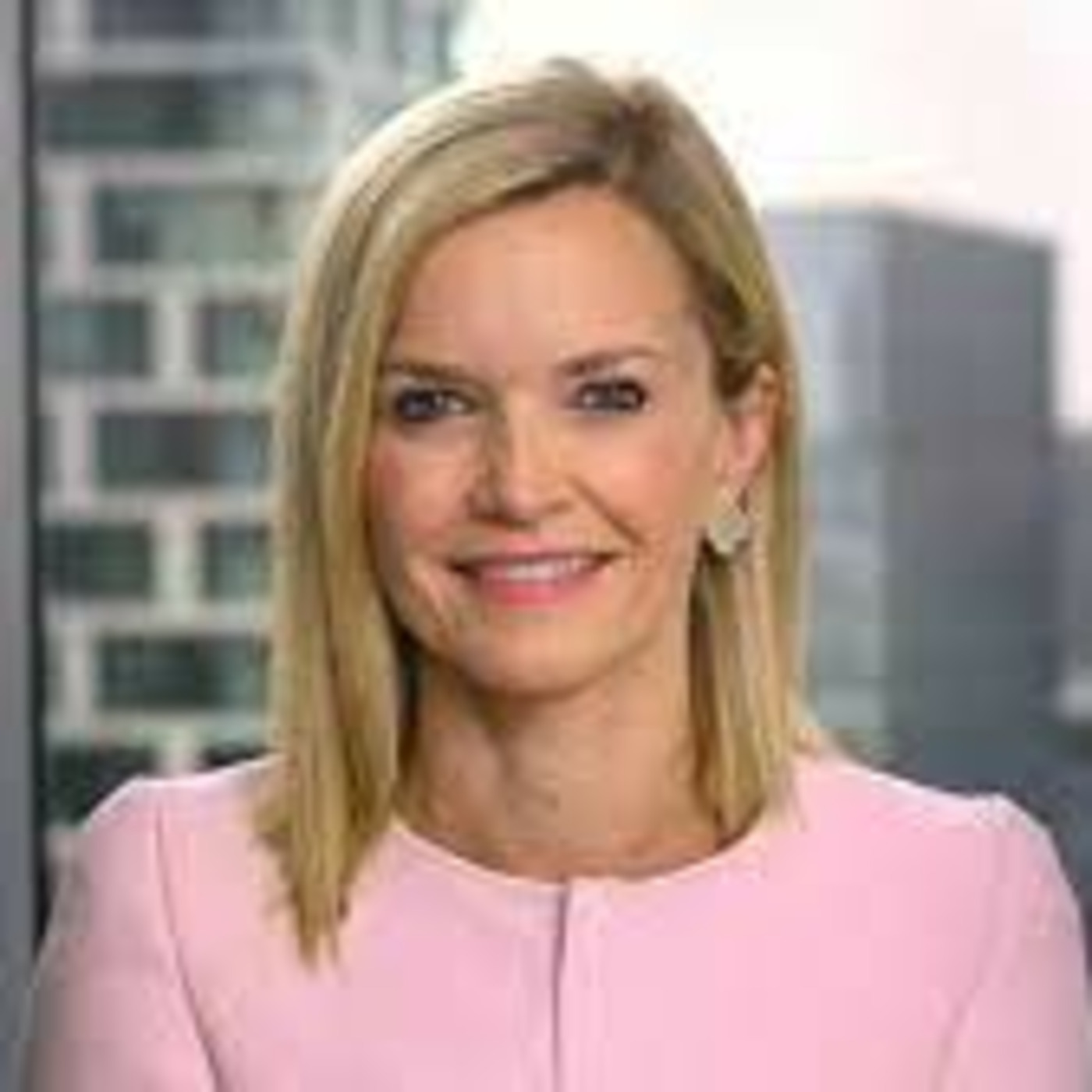
Aoifinn Devitt: I’m Aoifinn Devitt, and welcome to the 50 Faces Podcast, a podcast committed to revealing the richness and diversity of the world of investment by focusing on its people and their stories. I’m joined today by Lily Cantrell, who is a managing director in PIMCO’s portfolio management group. In her role, she analyzes policy and political risk for the firm’s investment committee and leads US policymaker engagement and policy strategy for the firm. She also works closely with PIMCO’s Global Advisory Board, led by former Federal Reserve Chair Ben Bernanke. Prior to joining PIMCO in 2007, she served as a legislative aide in the House of Representatives and also worked in the investment banking division at Morgan Stanley. Welcome, Libby. Thanks for joining me today.
Libby: Thanks so much for having me.
Aoifinn Devitt: Well, let’s start with your background. Where did you grow up? What did you study? And how did you come to enter the world of investing?
Libby: Yeah, so I grew up in Denver, Colorado, in the western part of the United States. I was always interested in economics and policy. I ended up going to Brown University for college, not totally understanding exactly what I wanted to do. My senior year, I was applying to both the Peace Corps and to jobs in investment banking, if that’s sort of any indication of where I was, a little bit all over the map, but then ended up going to Morgan Stanley, and that’s how I got my foot in the door in finance.
Aoifinn Devitt: And sometimes people’s interest in policy is triggered maybe through maybe involvement in student politics or in debate or a particular experience in their own life. Was there anything in particular that triggered that interest in policy for you?
Libby: There was. So in Denver, when I was growing up, there were a few sort of formative experiences that really whet my appetite for the policy and sort of political world. The school that I went to had these fantastic mock political conventions. So when I was in first grade, I was a delegate for Ronald Reagan from the state of Iowa. And then you fast forward to 1988, I was a delegate for Michael Dukakis, I believe, from the state of Nebraska. But really just that experience gave me a really kind of a hands-on taste of the amazingness of the United States democracy and the process. And then fast forward to high school, again, being raised in Colorado during the 1980s, there was a lot of political activity at that state because of certain state rules allows for direct referendums to get onto the ballots. So when I was 14, I took an interest in one particular issue and ended up campaigning for that issue in my neighborhood, passing out literature. And then lo and behold, one of our neighbors ended up running for the state legislature. So throughout my whole high school career in Colorado, I actually both interned on her campaign. I was her first volunteer for her state legislative campaign and then also interned for her down in the state capitol. So I would ride my bicycle or take the public bus down to the state capitol after my high school classes. And again, just an incredible experience, a kind of firsthand experience of the amazing kind of benefits and some disadvantages of democracy in action.
Aoifinn Devitt: Wow, the ultimate grassroots experience there. And it’s interesting how in your high school they had you on both sides of the aisle there with the Reagan and the Dukakis.
Libby: Actually in elementary and middle school.
Aoifinn Devitt: Oh my goodness.
Libby: And you had to articulate why you were for each candidate. So it was a great training ground in many ways.
Aoifinn Devitt: Very early beginnings. Well, let’s fast forward now to your time as a legislative aide, because I’m sure you saw the ins and outs of Washington there, how policy is made. What do you think that taught you, that period?
Libby: Yeah, so I had worked at Morgan Stanley as an investment banking analyst for 3 years and had certainly enjoyed that experience. Working 80 to 100 hours a week. So learned a ton, but again, had this itch to round out some of my experiences before applying to graduate school. I was pretty intent on applying to business school, but went to the Hill, actually ended up working for the woman who I had worked for originally in the state legislature in Colorado. She, in the intervening period, got elected to the House of Representatives and I worked on her staff. So in some ways it was kind of like coming home because I was working for a member from Colorado. And obviously had been familiar with her for a very long time. I think that the main learning, I had kind of two main learnings. One is if it seems like Capitol Hill is run by a bunch of 25-year-olds, it’s because it is. Just the average age of the staff is quite young. Now, with that said, folks are incredibly hardworking. They’re very dedicated to public service on both sides of the aisle. And I think the second big learning is that really in order to govern, in order to legislate, you really do need to compromise. And I think the social media sort of exacerbated this and people are so focused on how polarized our politics are today. And that’s of course more true than it was when I was on the Hill 20 years ago, but even still, there’s still a lot of bipartisanship working together across the aisle, just in order to continue sort of the functioning of the government and government services. So overall, it was a fantastic experience. I do think that it’s maybe underappreciated how many people who work in Capitol Hill, on and off the Hill, and in Washington are really devoted to advancing the goals of public service, and how in many ways, even though it’s easy to demagogue them, that we should in many ways be thankful for their service, again, regardless of what your politics are.
Aoifinn Devitt: And I’m always interested in how political compromise is kind of similar to negotiation skills in terms of the horse trading, the converting something from a single issue into multi-issue, and being able to maybe trade off some of those on either side. How did you learn that skill there? Did you see that comes naturally to some politicians? Do you see it’s something that really has to be kind of almost done in apprentice style?
Libby: Yeah, I think it really depends on who you’re working for in many ways. And like working for a company, all of these offices on Capitol Hill have their own kind of subcultures that are really in many ways determined, at least in part, by the member or the principal at the top of the House, whether it’s the member of the House or the member of the Senate. And I would say in my case, I really did observe my boss really wanting to get things done, not letting ideology necessarily get in the way of advancing goals, not letting perfection be the enemy of the good, so to speak. And so I did see her really collaborating with folks across the aisle, and that sort of set the tone for, honestly, for the rest of the office. So we were really encouraged to not only work with, but also to socialize with folks across the aisle because my boss had the view that, again, the objective for her and for all of us to be on the Hill was to advance good policy for her constituents. And in most cases, in order to do that, you do have to compromise. And those, having those sort of foundational relationships is really important. I mean, I’ll just say as an aside, one thing that has changed in Washington is that members and their staff are not necessarily encouraged to work across the aisle, but they’re also not necessarily living in Washington, D.C. I think a lot of members understandably now are spending more time back in their districts, which is great from one perspective in that you’re more connected to the constituents that you’re representing. But I think the downside is, is that you’re not able to form as many sort of foundational bipartisan relationships that you might have been able to formerly, just in terms of doing all the social things like going out to dinner or going to your kids’ sporting games and what have you. So that culture has, I think, changed in DC over the last 20 years, and maybe it’s contributed to some of what we see today in terms of that kind lack of comity and, and relationship across the aisle.
Aoifinn Devitt: Well, we’re definitely going to dig in a little bit more to that and where we are now in terms of politics. I’d like to just move now to your role at PIMCO, your US public policy lead there. What is on your mind as you work with clients? What are questions are clients focused on as they speak with you today?
Libby: Yeah, so I, as you sort of said at the top, I have two hats, I wear two hats in this role. One is more of kind of a political strategist providing political intelligence to our investment team, to our investment committee, and to to our clients, and the other is really leading policymaker engagement. So, and kind of in both of those, wearing both of those hats in many ways, we’re receiving questions from clients from kind of the political intelligence perspective. Most of our clients are very concerned about the debt ceiling in particular, whether it will be raised, what does it mean for the economy and for markets? China is also top of mind. That has been a trend that just having had been on the Hill 20 years ago, I was able to identify pretty early on for the firm and just be kind of understanding the politics around that. There’s been actually a lot of bipartisanship and skepticism around China, not only in the last 5 years, but for the last 20 years on Capitol Hill. So it felt like one of those areas that could become more of an issue in terms of kind of US-China tensions. And I would say 2024 is also another question that again, is a kind of a tip of the tongue for our clients, just in terms of thinking, for the next 5 years or so, what does the political landscape look like after the presidential election? And importantly, what is the composition of Congress? And again, what are the implications for policy? The most important thing in my role is really that we always bring it back to the economy and to markets. So with both hats on, we try to strive to be completely neutral, completely objective, really talking to clients about what is likely to happen, not what should be happening. So we don’t overlay our own kind of political views on, on any of this. And I do think that’s kind of unique in the market. I think a lot of these sell-side folks all have understandably their own agenda or their own partisanship, but we really try to be completely neutral because we don’t think our clients benefit from having, again, overlaying our own kind of normative views. But to get back to your question, those are kind of the big issues, the debt ceiling, China, and then 2024 that clients are asking about.
Aoifinn Devitt: It’s so interesting. I think that’s important, that kind of so what point, bringing it back to markets. Obviously, if they want to have political debates, they’re probably better forums to do that, then maybe with their investment advisor. And just maybe relating to that point of the landscape and how it’s evolving the next 5 years, do you see the current level of polarization increasing? Do you see it maybe in some ways being less severe, perhaps because we’ve seen some bipartisan legislation pass? How do you see that shaping up on the political landscape?
Libby: Yeah, and again, I think that the newspapers and the media understandably are not incentivized of like covering all of the bipartisanship that does actually happen, sort of the day-to-day blocking and tackling, if you will, on Capitol Hill, just again, to keep the kind of things functioning and keep things running. There’s a lot of bipartisanship work on at the committee level in particular. So I don’t wanna overstate how polarized and partisan we are, but of course, if you’re reading social media and just hearing certain politicians talk on both sides of the aisle, it may seem like a very disparate and partisan environment. And of course, I think objectively it is much more partisan than it was, say, 20 years ago. With that said though, I just think if you look at recent data, there does seem to be a bit of the pendulum swinging back, particularly if you just look at the midterm results. There was in many ways more of a rejection against extreme ideology, again, on both sides of the aisle. If you look actually interestingly at those states where there was maybe a more moderate candidate running for one office, in many cases for the governor’s office, and then a more kind of extreme candidate running for the Senate office, Oftentimes the same party would win both of those, the governor’s and the Senate seat, but the more moderate candidate would win by a much bigger margin. And so I think that that is actually in many ways quite instructive that the United States, just if you look purely on self-reporting, the plurality of Americans are sort of self-identify as independents or as centrists, meaning more Americans identify as independents than they do either Republicans or Democrats. And I do think that finally you’re starting to see maybe our politics reflect that a little bit. So politicians who are being sent to Washington maybe have more of an incentive to compromise, to work across the aisle. Over the last 10 years or so, the incentives really have been to be more extreme and not to necessarily compromise for fear of being primaried, honestly, on the left or the right. And of course, more extreme redistricting has sort of exacerbated that. But I do, I am kind of a long way of saying that even though there has been this, I think, objectively disturbing trend, again, from a markets or from an economy perspective of more partisanship and polarization, and that does seem to be abating a bit. So my expectation is that politicians will always be trying to get elected. Social media will always be trying to get clicks. With that as a background, there does seem to be maybe a little bit more of a push towards centrism and away from extremism, maybe at the margin. I don’t wanna overstate that either, but I do think at the margin, if the midterm election results were any indication, this sort of rejection of extremism may continue and may result into, yeah, maybe a more functioning Washington in many ways.
Aoifinn Devitt: I’ll definitely hold onto that hope towards function.
Libby: It might sound quixotic, I know.
Aoifinn Devitt: Function over chaos, always.
Libby: Exactly. Yeah.
Aoifinn Devitt: But one of the areas that’s become a lightning rod for division and polarization in this country, perhaps not on a global level, because it seems that in Europe and other regions there is less division on this topic, is around the energy transition, sustainability, if we even use the term ESG anymore. Have you seen your clients raise that as issues? And where does it sort of rank maybe compared to where it ranks for your global clients?
Libby: Yeah, I think that there’s sort of maybe these are two different issues in some ways. There’s the politicization of pension assets and decisions by CIOs regarding what they’re doing to their own portfolios. And this kind of anti-ESG effort. But then there’s also more of the kind of practical implications of the energy transition and what that means for individuals’ portfolios outside of the whole ESG debate. I would say on the latter, I think our view has been that these reductive narratives on either side of the aisle aren’t super helpful from an investing perspective. That the reality is, is that of course, just looking at any sort of viable transition, fossil fuel companies are going to be part of the picture for the foreseeable future. There’s also sort of a national security argument that could be made, at least from the US’s perspective, of having at least some fossil fuel exposure. And so I think when we’ve been investing, we’ve seen it through that type of lens. Maybe something that the press doesn’t necessarily cover is that, as many people listening understand, is that a lot of these fossil fuel companies are also part of the energy transition, meaning that they’re actually doing a lot of the R&D on renewables and what have you. So I think in some ways this is where it’s helpful just to be an investment manager and not necessarily a politician because we can look at things in a more nuanced way. So yes, fossil fuels are part of the transition, but they also can be part of the solution in many ways. But I also think that we believe this— the push for renewables in the United States is also real, but of course it’s going to take some time. I mean, the pretty significant down payment, if you will, on a lot of the R&D around green energy that was made in the Inflation Reduction Act, I think is pretty significant, and especially significant in its ability to crowd in private capital in this area. It also, I think importantly, while there’s always have been these tax credits for wind production and solar, a lot of times they were kind of rolling 2-year tax credits. Now the IRA did extend them for 10, 15 years in some cases, so provides a lot more kind of assurance for private capital to make these investments that are needed and obviously gives them the incentives to do so. So Again, I think this is where it’s nice to be an asset manager and not necessarily a politician, because we can look at these things in the kind of more multidimensional nuanced way than maybe politicians can. And then as it relates to sort of the ESG debate, I think we’ve sort of stuck to our knitting that we are fiduciaries. We’re not asset owners, we are asset managers, and it is the asset owner’s decision at the end of the day about how they want to apply their and allocate their capital. So for those clients who are interested in climate-oriented or broadly ESG investing, we certainly have those solutions and those expertise. At the same time, we have clients who aren’t necessarily invested in that, and that’s obviously fine too. And we have lots of solutions that will meet their objectives and their sort of risk metrics and what have you as well. I think we were always confused at the beginning of this whole issue when asset managers were making proclamations about what they were going to be doing with their clients’ capital as it relates to climate and ESG investing. And again, it’s not to say that we don’t necessarily have individually or as an organization have those views, but we don’t necessarily think it’s our place to overlay our views on our clients’ assets. So long way of saying, again, we kind of stick to our knitting on this one, and just really adhere to our fiduciary role and manage ESG assets for those clients who want it. And for those who don’t, we think it’s pretty straightforward in many ways.
Aoifinn Devitt: And some of the work you do is with the PIMCO Advisory Board, and you work closely with Ben Bernanke. I’d love to know what that’s like working with not only him, but some of the other illustrious members of the Global Advisory Board.
Libby: Yeah, it’s been a fantastic experience. So we put our Global Advisory Board in place in 2015 on the heels of the departure of Bill Gross, and it was in many ways to function as, in certain ways, to supplement from kind of a macro perspective to make sure that we were getting the best macro expertise and macro advice from various various people. So obviously Ben Bernanke is the chairman of that, but we have Gordon Brown who also sits on the board, and Michele Flournoy is a recent addition. She came from the Defense Department, has been just crucial honestly in understanding what’s happening in Ukraine in particular and the three-dimensional chess that’s being played with Iran and China and Russia and what have you. So we really have grown to use them, I think, in a much more integral way Lots of times those individual members will come to our investment committee, provide their insight on what is going on. And then also we share them with our clients because we’re only here because of our clients trust us with their assets. And so a lot of times we will have them speaking at client events and what have you. In terms of just working with them, I mean, they’re all really lovely people. Obviously they’re titans in their own world, but just so down to earth and also hardworking. Obviously all very bright, but it kind of also shows you that behind these big names, there’s just an individual who oftentimes have a lot of inherent talents, but also work incredibly hard as well. And in this case, have all been very dedicated to helping us advance our goals for our clients.
Aoifinn Devitt: Well, what I think is so key about that is that this was the wisdom that comes from the years and years of experience, even if this particular picture hasn’t played out before. There will be analogy, there will be the rhyming characteristics of this current political and economic backdrop we find ourselves in. So I can imagine that is extremely valuable, and I certainly have loved that the PIMCO events, or one of those, has dropped in. So thank you for that.
Libby: Yeah, completely. I was just going to say that in 2020, when obviously COVID was beginning and the fixed income market in particular seized and the Fed was using these really unconventional, extraordinary measures under what’s called their 13 authority. Chairman Bernanke at the time was just incredibly helpful because he was able to really help us navigate what was possible, what could potentially be on the table, because of course, to your point, while he hadn’t necessarily gone through this exact global pandemic-induced economic shutdown, he had obviously managed and navigated the economy after the financial crisis. So his expertise and his know-how were really helpful. During that experience. So sort of to your point.
Aoifinn Devitt: And just returning to one of the topics that is often under the ESG umbrella around diversity, I’d love to know your perspective on the, maybe the industry’s diversity ranking as you see it today. You’ve been in it as an undergraduate and you’re coming into it at Morgan Stanley. How would you grade it today? How would you say maybe it’s been to progress through it?
Libby: I was actually just talking about this with one of my friends who was a fellow investment banking analyst at Morgan Stanley. She’s now actually the CFO of Morgan Stanley. I’m gonna be interviewing her tomorrow for our PIMCO Women’s Summit. And she and I were sort of discussing this. And I think that objectively the industry could be doing a lot better. If you just look back at, so I was an analyst in 2000, my analyst class had maybe about 40% women. That was a lot at the time. I’m not sure that if you kind of extrapolate that 40% in the investment banking analyst class in 2000 going forward, you would just think that there would be a lot more women today in finance and you just, they’re not. And so I think that broadly speaking, speaking, generally we can’t give the industry that high of a grade. However, I would say in the last 5 years or so, I do think it’s changed. I think the fact that we’re even having pretty upfront discussions about what needs to change, and I think really importantly, this is not just as it relates to gender diversity, not just women talking to women, because for so long we had these women networks, which were fantastic, and I think very needed as well. I think women need to support each other, but really importantly, especially when you’re talking about the top of the house at many of of these firms, a lot of the majority of folks are still men. And so men need to be part of the conversation. And I do think that’s actually what’s changed in the last 5 to 10 years or so. And so you have folks in the C-suite who are much more dedicated to it, much more focused on it, and are really committed to seeing results. And I do think that success on the gender diversity part is so dependent in many ways on who is the CEO or the CIO. And how dedicated they are into this. But broadly, maybe I would give it a C+, but I do, I am hopeful that there is some convexity here going forward that things will improve. I will just say, we kind of know what the issue is, at least for a slice of women, and it is sort of these mid-career women who are having children. And I think our objectives in some of our programming have been, how do we make sure that we retain those women during what is a pretty difficult and kind of tricky time? They’re trying to navigate a lot, in their personal life, but try to just make sure that they stay in the game, if you will. So providing support, and whether it’s flexibility or peer support or what have you. But I do think that that is one of the pain points that we kind of know about. It’s just trying to figure out what the solution is to retain them through that period of time.
Aoifinn Devitt: And what does a successful peer support program, I suppose, look like? Because I know you’re involved in both PIMCO Families and PIMCO Women, and I, I would agree, I think this isn’t just a women’s problem for them to solve, but however, I also quite like those dedicated female groups. I think quite empowering and just important for dialogue. So do what you, in terms of actual concrete, maybe changes that you can make or enhancements you can provide to support services, what has worked?
Libby: Yeah, so when we started PIMCO Families back in, I think, 2014 or so, it was through that lens where, especially as it relates to working parents, this wasn’t just a female issue, that in many ways there are lots of men in finance who also want to have a rich home life and want to have a little bit of flexibility. My husband has worked in various positions at various hedge funds for the last so many years. So he and I were kind of dealing with this together and it was quite real and salient for both of us. So when we started PIMCO Families, one thing we did look at was just our leave policies. And again, this was back in 2014 when the standard in finance, which is actually quite good, at least in America, was 12 weeks. And we proposed that we extend it to 16 weeks. Our CEO at the time, to his credit, eagerly embraced that. And we also changed, importantly, paternity leave from 1 week to 4 weeks, and really importantly, put the messaging out that we wanted people to take it. We wanted men to take it in particular. And so looking at the data after we put some of those changes in, that first year where those new policies were in, we saw that everyone who had leave, with the very rare exception, took all of the leave that they were given. And we just thought that was a really really important cultural change as well. And now, of course, the standard is 16 weeks in finance, but that was really, I think, a little bit more revolutionary how many years ago it And I was. Almost, whatever it is, I guess 2014, almost 9 years ago. And so how time flies. The other thing that we did in terms of peer support, again, going back to just sort of the pain point about women who are going through these vulnerable periods of time, we started this program called the Nest Program for first-time PIMCO mothers. And we coupled them with folks who who had already navigated maternity leave and navigating, importantly, coming back and had been at the firm for several years after they had had their first child. So they could kind of give advice really from the very practical kind of to the sublime, honestly. And that actually really has helped as well in terms of just providing women with support during those kind of pain point periods. And not to say that I just think we should don’t want to conflate the woman, that sort of gender equality issue in finance with just child rearing, but it certainly is a dynamic that I think we would be foolish to ignore. And so some of our programming has addressed that.
Aoifinn Devitt: And just moving on to some personal reflections, and by the way, I love that term, the nest. I should have said that earlier. That definitely evokes the kind of support everyone needs. Some personal reflections. So if you look back at your career, were there any highs and lows so far? And of those lows, maybe any that you learned lessons from?
Libby: Yeah, and I think my career is something we haven’t really spoken about, but I actually came to PIMCO as a client-facing person. And after the financial crisis and once Dodd-Frank was passed, which was of course the huge overarching piece of financial reform legislation, it was sort of the decision of Mohamed El-Erian and Bill Gross at the time that we needed more eyes and ears in Washington, somebody to at least coordinate what we were doing to make sure that our subject matter experts, our portfolio managers were really singing from the same song sheet. And Mohamed had known that I had worked on Capitol Hill for a very brief period of time and had asked if I was interested. And honestly, I think one thing that was sort of a highlight and in retrospect in particular was, was a good thing that I did. Was I really took that opportunity and I put together a whole business plan of what a policy job would look like. I made the argument that a policy job should be based in our New York office, not our Newport Beach office like they were envisioning. And so that was a real highlight in terms of being able to create really the job that I have now back in 2010. And obviously they had the sort of vision and the idea, but I think I filled in the details and then I also just started doing the job job that I sort of had envisioned. And that was certainly a highlight. And also, I think if I look at some of the positive decisions I’ve made in retrospect, that was certainly one of them. And I think like the other folks, I’ve had ups and downs in terms of my promotion trajectory. And there was one year I was put up for partner and I did not get it. And I, I think that I wish I had a little bit more perspective about just kind of keeping it in context and keeping it in perspective. But that was certainly a learning lesson. And, and the other was in my job, I obviously do have make political calls. And in 2016, I think the consensus, I was pretty adamant that President Trump was not going to win that election. I was obviously very wrong. And I really learned a lot actually from that. I learned to maybe think about, it was obviously still surprising. And just if you just looked at like the facts, the weeks before the election in terms of the polling and the Electoral College math and what have you, but that mistake, that failure, if you will, which was quite public, cause I was like on the television talking about how Hillary Clinton was going to win and what have you. Was actually really informative. And it’s, I think, really made me, when I make a big call like that, really making sure that I have covered my bases in terms of looking at all of the various evidence and trying to be as rigorous as possible about it. I mean, you never know exactly who’s gonna go out to vote and projecting voter turnout in particular is difficult, but there is a way to make a lot of, especially elections, a little bit more analytical, and I’ve tried to sort of adopt that to the extent that I can. Again, I think that failure, pretty public failure, has taught me a lot.
Aoifinn Devitt: Well, certainly I think very few people would have forecast that. And even in, in the economy and markets, I don’t think many people forecast how 2022 turned out. So it was certainly a deeply humbling experience operating in politics or markets. So thanks for sharing that. And thanks also for sharing around the promotion trajectory, because I think we only see the finished results. We don’t see the twists and turns, the false starts, that perhaps the need to try again. So I think it’s also important for people to know that not everybody has a hockey stick promotion trajectory, and that’s okay. Things can turn out just fine in the end.
Libby: Yeah. And I would just say, like, I mean, I just think not quitting is really important. And there are times where I think, like everybody, I had thought about either leaving or quitting or what have you, just because of some kind of personal short-term frustration. And I just think it’s really important in terms of advancing your own goals. You’re not going to get there if you quit, that’s for sure. And so I just think staying in it, and not to say that folks should persist if things are really miserable, but I do think there is value in persisting and staying in the game. And there are other times in my career, having my first child, for instance, where I think that was more of a question for me. And again, I, I’m very glad that I did persist, but it can be difficult to do that at the time.
Aoifinn Devitt: Well, just a couple closing questions now. So you mentioned someone spotting your talent, spotting your prior interest, and asking you to do we change roles, and how fulfilling that was. Did you have many mentors like that through your career, or anyone in particular that made a particular impression on you?
Libby: I think in some ways just sticking to that true north and really understanding what I was interested in has really held me in good stead. That’s your actual question, but There was another example of this of my leaving Morgan Stanley and going to Capitol Hill and folks at Morgan Stanley telling me that I would never come back into finance and never get into business school and, and what have you if I left and worked in public service. But just really kind of knowing yourself and knowing what you’re interested in and also understanding that careers are quite long and that there are lots of ways to get to a certain destination, I think is really important. In terms of mentors, one of my main mentors was this woman I worked for on Capitol Hill. A real role model in many ways, a real pioneer in many ways too, because at that point in time she got elected to the House in 1996. There were not many women in Congress, more today, probably still not enough, but she was a real pioneer. But outside of that, I’ve actually had a lot of, I would say the majority of my sponsors have been men. And maybe that’s just because I work in a very male-heavy industry, but I also think it’s advice I give to young women is don’t kind of preclude having a really close close professional relationship with somebody who isn’t a woman because there’s a lot to learn. A lot of times men are just best positioned in order to help your career as well. So, Mohamed El-Erian, who was our former CEO, our current CEO, our current CIO have been great sponsors of mine as well. So, I kind of subscribe to the triangulation method of just trying to find things I can learn from, from lots of different people, whether they’re senior to me or whether they’re at my same level or junior to me. I try not to put all of my eggs in one basket, so to speak. I do think that folks have this view that you find the silver bullet of a sponsor, and I think that at least that’s been very rare in my career. But just trying to take, glean away, you know, learnings and kind of professional to-dos from a variety of different people has held me in good stead.
Aoifinn Devitt: Well, let’s get to some of those professional to-dos. Just my last question, I have this kind of idea that at something like the Global Advisory Board, there are these nuggets of wisdom just being liberally sprinkled around. So is there anything that’s stuck with you? Any creed or motto or even something you maybe wish you had known sooner, advice for your younger self that you can share here?
Libby: Yeah, I mean, we’re usually talking about inflation targeting or military strategy on the Global Advisory Board, so I’m not sure there are any kind of pearls of wisdom to really share from a career perspective, although I would love to pick Ben Bernanke’s brain at some point about his own career trajectory for sure. But yeah, I mean, I would say just in my own experience, there have been a kind of a couple of key takeaways. And one actually came from a professor of mine at Harvard Business School. Our professors used to give these concluding lectures at the end of the semester. She sort of gave this telling wisdom, if you will, shared this telling wisdom about going towards the discomfort. And she didn’t really necessarily define what that meant, but she said, know, you in your career, you will be asked to do things that will make you incredibly uncomfortable. And she said, my advice to you is to say yes. And so there have been times in my career where I have been asked to do things or I’ve had opportunities to do things and I think it would have been much easier just to say no or to kind of demure from the opportunity, but I have kind of used that advice as, in some ways, as a litmus test. Am I uncomfortable? That’s probably a good thing. And honestly, a lot of the things that I have said yes to that have made me uncomfortable have been the things that have really benefited my career. So that’s one. The other, I think, for women in particular, there’s a lot of talk about the imposter syndrome. I think especially of our generation, there’s a lot of talk about the imposter syndrome And I would just say that from my observations, you know, a lot of people, I think it’s the human condition in some ways to have self-doubt. And I think there are ways that preparing and practicing and what have you can make you feel comfortable. But I also think just sort of turning down the volume on that self-doubt is really important. I have to do TV quite a bit and I still have, still have to acknowledge that voice of self-doubt and kind of turn down the volume. So that’s, So that’s another piece of advice and learning from my career. And then I also think, ask for what you want. And again, not just to apply this for women, I think this is just as applicable for men as well. But a lot of times, at least from what I’ve observed, that young women head down, working super hard, plowing through things, really efficient, really productive, but aren’t really necessarily articulating what they want from their career. Nobody cares about your career as much as you do. And so really going on air, if you will, about the things that you want. A lot of opportunities that I’ve ended up having here at PIMCO really wouldn’t have existed if I hadn’t actually said that I wanted it. I think there have been assumptions were made about me or what have you. And again, if I hadn’t spoken up, I wouldn’t have had the opportunities that I’ve had. I guess lastly, I would say find a spouse that supports you because I think that’s been a key, at least in my career, My husband has been just as ambitious, if not more ambitious, for my career and for me than I have been. And so he has been— he’s helped me in some ways leaning towards that discomfort, saying yes to those things that I otherwise would have the inclination to say no to.
Aoifinn Devitt: Well, here, here for the supportive spouse. Definitely the secret to my success as well. So thank you for, for being a cheerleader there. And I was finding the sentence you said about no one cares about your career as much as you do I might have just ended that with a period about your career, but I know it’s not strictly true, but I do think that sometimes just reminding ourselves that we are the ultimate drivers of our destiny and we can’t rely on others is such an important humbling, but also just important driver. So, Olivia, it’s been such a pleasure speaking with you. I’ve always seen you as one of the true rock stars on the PIMCO stage and with such fluency in policy and markets that really has bowled me over. And I think it’s just such an excellent role model for everyone watching. So thank you for coming here and sharing such a rich set of recollections and insights with us.
Libby: Well, likewise, and thank you so much for the very thoughtful questions. It’s really been a pleasure.
Aoifinn Devitt: I’m Aoifinn Devitt. Thank you for listening to the 50 Faces Podcast. If you liked what you heard and would like to tune in to hear more inspiring investors on their personal journeys, please subscribe on Apple Podcasts or wherever you get your podcasts. This podcast is for informational purposes only and should not be construed as investment advice. And all views are personal and should not be attributed to the organizations and affiliations of the host or any guest.
Aoifinn Devitt: Series 3 is kindly supported by Eagle Point Credit Management. Eagle Point Credit Management is a specialist investment manager principally focused on income-oriented credit investments in niche and inefficient markets. Founded by Thomas Majewski in partnership with Stone Point Capital in 2012, Eagle Point currently manages over $7.8 billion in AUM. Investment strategies pursued by the firm include collateralized loan obligations, CLOs, portfolio debt securities, and other opportunities across the credit universe. Currently, Eagle Point is the largest investor in CLO equity in the world and one of the largest non-bank lenders focused on providing financing solutions to credit funds. You can learn more about Eagle Point at eaglepointcredit.com.
Libby: And I would just say that from my observations, you know, a lot of people, I think it’s the human condition in some ways to have self-doubt. And I think there are ways that preparing and practicing and what have you can make you feel comfortable. But I also think, just sort of turning down the volume on that self-doubt is really important. I also think, ask for what you want. And again, not just to apply this for women, I think this is just as applicable for men as well. But a lot of times, at least from what I’ve observed, that young women head down, working super hard, plowing through things, really efficient, really productive, but aren’t really necessarily articulating what they want from their career. Nobody cares about your career as much as you do. And so really going on air, if you will, about the things that you want. A lot of opportunities that I’ve ended up having here at PIMCO really wouldn’t have existed if I hadn’t actually said that I wanted it.
Aoifinn Devitt: I’m Aoifinn Devitt, and welcome to the 50 Faces Podcast, a podcast committed to revealing the richness and diversity of the world of investment by focusing on its people and their stories. I’m joined today by Lily Cantrell, who is a managing director in PIMCO’s portfolio management group. In her role, she analyzes policy and political risk for the firm’s investment committee and leads US policymaker engagement and policy strategy for the firm. She also works closely with PIMCO’s Global Advisory Board, led by former Federal Reserve Chair Ben Bernanke. Prior to joining PIMCO in 2007, she served as a legislative aide in the House of Representatives and also worked in the investment banking division at Morgan Stanley. Welcome, Libby. Thanks for joining me today.
Libby: Thanks so much for having me.
Aoifinn Devitt: Well, let’s start with your background. Where did you grow up? What did you study? And how did you come to enter the world of investing?
Libby: Yeah, so I grew up in Denver, Colorado, in the western part of the United States. I was always interested in economics and policy. I ended up going to Brown University for college, not totally understanding exactly what I wanted to do. My senior year, I was applying to both the Peace Corps and to jobs in investment banking, if that’s sort of any indication of where I was, a little bit all over the map, but then ended up going to Morgan Stanley, and that’s how I got my foot in the door in finance.
Aoifinn Devitt: And sometimes people’s interest in policy is triggered maybe through maybe involvement in student politics or in debate or a particular experience in their own life. Was there anything in particular that triggered that interest in policy for you?
Libby: There was. So in Denver, when I was growing up, there were a few sort of formative experiences that really whet my appetite for the policy and sort of political world. The school that I went to had these fantastic mock political conventions. So when I was in first grade, I was a delegate for Ronald Reagan from the state of Iowa. And then you fast forward to 1988, I was a delegate for Michael Dukakis, I believe, from the state of Nebraska. But really just that experience gave me a really kind of a hands-on taste of the amazingness of the United States democracy and the process. And then fast forward to high school, again, being raised in Colorado during the 1980s, there was a lot of political activity at that state because of certain state rules allows for direct referendums to get onto the ballots. So when I was 14, I took an interest in one particular issue and ended up campaigning for that issue in my neighborhood, passing out literature. And then lo and behold, one of our neighbors ended up running for the state legislature. So throughout my whole high school career in Colorado, I actually both interned on her campaign. I was her first volunteer for her state legislative campaign and then also interned for her down in the state capitol. So I would ride my bicycle or take the public bus down to the state capitol after my high school classes. And again, just an incredible experience, a kind of firsthand experience of the amazing kind of benefits and some disadvantages of democracy in action.
Aoifinn Devitt: Wow, the ultimate grassroots experience there. And it’s interesting how in your high school they had you on both sides of the aisle there with the Reagan and the Dukakis.
Libby: Actually in elementary and middle school.
Aoifinn Devitt: Oh my goodness.
Libby: And you had to articulate why you were for each candidate. So it was a great training ground in many ways.
Aoifinn Devitt: Very early beginnings. Well, let’s fast forward now to your time as a legislative aide, because I’m sure you saw the ins and outs of Washington there, how policy is made. What do you think that taught you, that period?
Libby: Yeah, so I had worked at Morgan Stanley as an investment banking analyst for 3 years and had certainly enjoyed that experience. Working 80 to 100 hours a week. So learned a ton, but again, had this itch to round out some of my experiences before applying to graduate school. I was pretty intent on applying to business school, but went to the Hill, actually ended up working for the woman who I had worked for originally in the state legislature in Colorado. She, in the intervening period, got elected to the House of Representatives and I worked on her staff. So in some ways it was kind of like coming home because I was working for a member from Colorado. And obviously had been familiar with her for a very long time. I think that the main learning, I had kind of two main learnings. One is if it seems like Capitol Hill is run by a bunch of 25-year-olds, it’s because it is. Just the average age of the staff is quite young. Now, with that said, folks are incredibly hardworking. They’re very dedicated to public service on both sides of the aisle. And I think the second big learning is that really in order to govern, in order to legislate, you really do need to compromise. And I think the social media sort of exacerbated this and people are so focused on how polarized our politics are today. And that’s of course more true than it was when I was on the Hill 20 years ago, but even still, there’s still a lot of bipartisanship working together across the aisle, just in order to continue sort of the functioning of the government and government services. So overall, it was a fantastic experience. I do think that it’s maybe underappreciated how many people who work in Capitol Hill, on and off the Hill, and in Washington are really devoted to advancing the goals of public service, and how in many ways, even though it’s easy to demagogue them, that we should in many ways be thankful for their service, again, regardless of what your politics are.
Aoifinn Devitt: And I’m always interested in how political compromise is kind of similar to negotiation skills in terms of the horse trading, the converting something from a single issue into multi-issue, and being able to maybe trade off some of those on either side. How did you learn that skill there? Did you see that comes naturally to some politicians? Do you see it’s something that really has to be kind of almost done in apprentice style?
Libby: Yeah, I think it really depends on who you’re working for in many ways. And like working for a company, all of these offices on Capitol Hill have their own kind of subcultures that are really in many ways determined, at least in part, by the member or the principal at the top of the House, whether it’s the member of the House or the member of the Senate. And I would say in my case, I really did observe my boss really wanting to get things done, not letting ideology necessarily get in the way of advancing goals, not letting perfection be the enemy of the good, so to speak. And so I did see her really collaborating with folks across the aisle, and that sort of set the tone for, honestly, for the rest of the office. So we were really encouraged to not only work with, but also to socialize with folks across the aisle because my boss had the view that, again, the objective for her and for all of us to be on the Hill was to advance good policy for her constituents. And in most cases, in order to do that, you do have to compromise. And those, having those sort of foundational relationships is really important. I mean, I’ll just say as an aside, one thing that has changed in Washington is that members and their staff are not necessarily encouraged to work across the aisle, but they’re also not necessarily living in Washington, D.C. I think a lot of members understandably now are spending more time back in their districts, which is great from one perspective in that you’re more connected to the constituents that you’re representing. But I think the downside is, is that you’re not able to form as many sort of foundational bipartisan relationships that you might have been able to formerly, just in terms of doing all the social things like going out to dinner or going to your kids’ sporting games and what have you. So that culture has, I think, changed in DC over the last 20 years, and maybe it’s contributed to some of what we see today in terms of that kind lack of comity and, and relationship across the aisle.
Aoifinn Devitt: Well, we’re definitely going to dig in a little bit more to that and where we are now in terms of politics. I’d like to just move now to your role at PIMCO, your US public policy lead there. What is on your mind as you work with clients? What are questions are clients focused on as they speak with you today?
Libby: Yeah, so I, as you sort of said at the top, I have two hats, I wear two hats in this role. One is more of kind of a political strategist providing political intelligence to our investment team, to our investment committee, and to to our clients, and the other is really leading policymaker engagement. So, and kind of in both of those, wearing both of those hats in many ways, we’re receiving questions from clients from kind of the political intelligence perspective. Most of our clients are very concerned about the debt ceiling in particular, whether it will be raised, what does it mean for the economy and for markets? China is also top of mind. That has been a trend that just having had been on the Hill 20 years ago, I was able to identify pretty early on for the firm and just be kind of understanding the politics around that. There’s been actually a lot of bipartisanship and skepticism around China, not only in the last 5 years, but for the last 20 years on Capitol Hill. So it felt like one of those areas that could become more of an issue in terms of kind of US-China tensions. And I would say 2024 is also another question that again, is a kind of a tip of the tongue for our clients, just in terms of thinking, for the next 5 years or so, what does the political landscape look like after the presidential election? And importantly, what is the composition of Congress? And again, what are the implications for policy? The most important thing in my role is really that we always bring it back to the economy and to markets. So with both hats on, we try to strive to be completely neutral, completely objective, really talking to clients about what is likely to happen, not what should be happening. So we don’t overlay our own kind of political views on, on any of this. And I do think that’s kind of unique in the market. I think a lot of these sell-side folks all have understandably their own agenda or their own partisanship, but we really try to be completely neutral because we don’t think our clients benefit from having, again, overlaying our own kind of normative views. But to get back to your question, those are kind of the big issues, the debt ceiling, China, and then 2024 that clients are asking about.
Aoifinn Devitt: It’s so interesting. I think that’s important, that kind of so what point, bringing it back to markets. Obviously, if they want to have political debates, they’re probably better forums to do that, then maybe with their investment advisor. And just maybe relating to that point of the landscape and how it’s evolving the next 5 years, do you see the current level of polarization increasing? Do you see it maybe in some ways being less severe, perhaps because we’ve seen some bipartisan legislation pass? How do you see that shaping up on the political landscape?
Libby: Yeah, and again, I think that the newspapers and the media understandably are not incentivized of like covering all of the bipartisanship that does actually happen, sort of the day-to-day blocking and tackling, if you will, on Capitol Hill, just again, to keep the kind of things functioning and keep things running. There’s a lot of bipartisanship work on at the committee level in particular. So I don’t wanna overstate how polarized and partisan we are, but of course, if you’re reading social media and just hearing certain politicians talk on both sides of the aisle, it may seem like a very disparate and partisan environment. And of course, I think objectively it is much more partisan than it was, say, 20 years ago. With that said though, I just think if you look at recent data, there does seem to be a bit of the pendulum swinging back, particularly if you just look at the midterm results. There was in many ways more of a rejection against extreme ideology, again, on both sides of the aisle. If you look actually interestingly at those states where there was maybe a more moderate candidate running for one office, in many cases for the governor’s office, and then a more kind of extreme candidate running for the Senate office, Oftentimes the same party would win both of those, the governor’s and the Senate seat, but the more moderate candidate would win by a much bigger margin. And so I think that that is actually in many ways quite instructive that the United States, just if you look purely on self-reporting, the plurality of Americans are sort of self-identify as independents or as centrists, meaning more Americans identify as independents than they do either Republicans or Democrats. And I do think that finally you’re starting to see maybe our politics reflect that a little bit. So politicians who are being sent to Washington maybe have more of an incentive to compromise, to work across the aisle. Over the last 10 years or so, the incentives really have been to be more extreme and not to necessarily compromise for fear of being primaried, honestly, on the left or the right. And of course, more extreme redistricting has sort of exacerbated that. But I do, I am kind of a long way of saying that even though there has been this, I think, objectively disturbing trend, again, from a markets or from an economy perspective of more partisanship and polarization, and that does seem to be abating a bit. So my expectation is that politicians will always be trying to get elected. Social media will always be trying to get clicks. With that as a background, there does seem to be maybe a little bit more of a push towards centrism and away from extremism, maybe at the margin. I don’t wanna overstate that either, but I do think at the margin, if the midterm election results were any indication, this sort of rejection of extremism may continue and may result into, yeah, maybe a more functioning Washington in many ways.
Aoifinn Devitt: I’ll definitely hold onto that hope towards function.
Libby: It might sound quixotic, I know.
Aoifinn Devitt: Function over chaos, always.
Libby: Exactly. Yeah.
Aoifinn Devitt: But one of the areas that’s become a lightning rod for division and polarization in this country, perhaps not on a global level, because it seems that in Europe and other regions there is less division on this topic, is around the energy transition, sustainability, if we even use the term ESG anymore. Have you seen your clients raise that as issues? And where does it sort of rank maybe compared to where it ranks for your global clients?
Libby: Yeah, I think that there’s sort of maybe these are two different issues in some ways. There’s the politicization of pension assets and decisions by CIOs regarding what they’re doing to their own portfolios. And this kind of anti-ESG effort. But then there’s also more of the kind of practical implications of the energy transition and what that means for individuals’ portfolios outside of the whole ESG debate. I would say on the latter, I think our view has been that these reductive narratives on either side of the aisle aren’t super helpful from an investing perspective. That the reality is, is that of course, just looking at any sort of viable transition, fossil fuel companies are going to be part of the picture for the foreseeable future. There’s also sort of a national security argument that could be made, at least from the US’s perspective, of having at least some fossil fuel exposure. And so I think when we’ve been investing, we’ve seen it through that type of lens. Maybe something that the press doesn’t necessarily cover is that, as many people listening understand, is that a lot of these fossil fuel companies are also part of the energy transition, meaning that they’re actually doing a lot of the R&D on renewables and what have you. So I think in some ways this is where it’s helpful just to be an investment manager and not necessarily a politician because we can look at things in a more nuanced way. So yes, fossil fuels are part of the transition, but they also can be part of the solution in many ways. But I also think that we believe this— the push for renewables in the United States is also real, but of course it’s going to take some time. I mean, the pretty significant down payment, if you will, on a lot of the R&D around green energy that was made in the Inflation Reduction Act, I think is pretty significant, and especially significant in its ability to crowd in private capital in this area. It also, I think importantly, while there’s always have been these tax credits for wind production and solar, a lot of times they were kind of rolling 2-year tax credits. Now the IRA did extend them for 10, 15 years in some cases, so provides a lot more kind of assurance for private capital to make these investments that are needed and obviously gives them the incentives to do so. So Again, I think this is where it’s nice to be an asset manager and not necessarily a politician, because we can look at these things in the kind of more multidimensional nuanced way than maybe politicians can. And then as it relates to sort of the ESG debate, I think we’ve sort of stuck to our knitting that we are fiduciaries. We’re not asset owners, we are asset managers, and it is the asset owner’s decision at the end of the day about how they want to apply their and allocate their capital. So for those clients who are interested in climate-oriented or broadly ESG investing, we certainly have those solutions and those expertise. At the same time, we have clients who aren’t necessarily invested in that, and that’s obviously fine too. And we have lots of solutions that will meet their objectives and their sort of risk metrics and what have you as well. I think we were always confused at the beginning of this whole issue when asset managers were making proclamations about what they were going to be doing with their clients’ capital as it relates to climate and ESG investing. And again, it’s not to say that we don’t necessarily have individually or as an organization have those views, but we don’t necessarily think it’s our place to overlay our views on our clients’ assets. So long way of saying, again, we kind of stick to our knitting on this one, and just really adhere to our fiduciary role and manage ESG assets for those clients who want it. And for those who don’t, we think it’s pretty straightforward in many ways.
Aoifinn Devitt: And some of the work you do is with the PIMCO Advisory Board, and you work closely with Ben Bernanke. I’d love to know what that’s like working with not only him, but some of the other illustrious members of the Global Advisory Board.
Libby: Yeah, it’s been a fantastic experience. So we put our Global Advisory Board in place in 2015 on the heels of the departure of Bill Gross, and it was in many ways to function as, in certain ways, to supplement from kind of a macro perspective to make sure that we were getting the best macro expertise and macro advice from various various people. So obviously Ben Bernanke is the chairman of that, but we have Gordon Brown who also sits on the board, and Michele Flournoy is a recent addition. She came from the Defense Department, has been just crucial honestly in understanding what’s happening in Ukraine in particular and the three-dimensional chess that’s being played with Iran and China and Russia and what have you. So we really have grown to use them, I think, in a much more integral way Lots of times those individual members will come to our investment committee, provide their insight on what is going on. And then also we share them with our clients because we’re only here because of our clients trust us with their assets. And so a lot of times we will have them speaking at client events and what have you. In terms of just working with them, I mean, they’re all really lovely people. Obviously they’re titans in their own world, but just so down to earth and also hardworking. Obviously all very bright, but it kind of also shows you that behind these big names, there’s just an individual who oftentimes have a lot of inherent talents, but also work incredibly hard as well. And in this case, have all been very dedicated to helping us advance our goals for our clients.
Aoifinn Devitt: Well, what I think is so key about that is that this was the wisdom that comes from the years and years of experience, even if this particular picture hasn’t played out before. There will be analogy, there will be the rhyming characteristics of this current political and economic backdrop we find ourselves in. So I can imagine that is extremely valuable, and I certainly have loved that the PIMCO events, or one of those, has dropped in. So thank you for that.
Libby: Yeah, completely. I was just going to say that in 2020, when obviously COVID was beginning and the fixed income market in particular seized and the Fed was using these really unconventional, extraordinary measures under what’s called their 13 authority. Chairman Bernanke at the time was just incredibly helpful because he was able to really help us navigate what was possible, what could potentially be on the table, because of course, to your point, while he hadn’t necessarily gone through this exact global pandemic-induced economic shutdown, he had obviously managed and navigated the economy after the financial crisis. So his expertise and his know-how were really helpful. During that experience. So sort of to your point.
Aoifinn Devitt: And just returning to one of the topics that is often under the ESG umbrella around diversity, I’d love to know your perspective on the, maybe the industry’s diversity ranking as you see it today. You’ve been in it as an undergraduate and you’re coming into it at Morgan Stanley. How would you grade it today? How would you say maybe it’s been to progress through it?
Libby: I was actually just talking about this with one of my friends who was a fellow investment banking analyst at Morgan Stanley. She’s now actually the CFO of Morgan Stanley. I’m gonna be interviewing her tomorrow for our PIMCO Women’s Summit. And she and I were sort of discussing this. And I think that objectively the industry could be doing a lot better. If you just look back at, so I was an analyst in 2000, my analyst class had maybe about 40% women. That was a lot at the time. I’m not sure that if you kind of extrapolate that 40% in the investment banking analyst class in 2000 going forward, you would just think that there would be a lot more women today in finance and you just, they’re not. And so I think that broadly speaking, speaking, generally we can’t give the industry that high of a grade. However, I would say in the last 5 years or so, I do think it’s changed. I think the fact that we’re even having pretty upfront discussions about what needs to change, and I think really importantly, this is not just as it relates to gender diversity, not just women talking to women, because for so long we had these women networks, which were fantastic, and I think very needed as well. I think women need to support each other, but really importantly, especially when you’re talking about the top of the house at many of of these firms, a lot of the majority of folks are still men. And so men need to be part of the conversation. And I do think that’s actually what’s changed in the last 5 to 10 years or so. And so you have folks in the C-suite who are much more dedicated to it, much more focused on it, and are really committed to seeing results. And I do think that success on the gender diversity part is so dependent in many ways on who is the CEO or the CIO. And how dedicated they are into this. But broadly, maybe I would give it a C+, but I do, I am hopeful that there is some convexity here going forward that things will improve. I will just say, we kind of know what the issue is, at least for a slice of women, and it is sort of these mid-career women who are having children. And I think our objectives in some of our programming have been, how do we make sure that we retain those women during what is a pretty difficult and kind of tricky time? They’re trying to navigate a lot, in their personal life, but try to just make sure that they stay in the game, if you will. So providing support, and whether it’s flexibility or peer support or what have you. But I do think that that is one of the pain points that we kind of know about. It’s just trying to figure out what the solution is to retain them through that period of time.
Aoifinn Devitt: And what does a successful peer support program, I suppose, look like? Because I know you’re involved in both PIMCO Families and PIMCO Women, and I, I would agree, I think this isn’t just a women’s problem for them to solve, but however, I also quite like those dedicated female groups. I think quite empowering and just important for dialogue. So do what you, in terms of actual concrete, maybe changes that you can make or enhancements you can provide to support services, what has worked?
Libby: Yeah, so when we started PIMCO Families back in, I think, 2014 or so, it was through that lens where, especially as it relates to working parents, this wasn’t just a female issue, that in many ways there are lots of men in finance who also want to have a rich home life and want to have a little bit of flexibility. My husband has worked in various positions at various hedge funds for the last so many years. So he and I were kind of dealing with this together and it was quite real and salient for both of us. So when we started PIMCO Families, one thing we did look at was just our leave policies. And again, this was back in 2014 when the standard in finance, which is actually quite good, at least in America, was 12 weeks. And we proposed that we extend it to 16 weeks. Our CEO at the time, to his credit, eagerly embraced that. And we also changed, importantly, paternity leave from 1 week to 4 weeks, and really importantly, put the messaging out that we wanted people to take it. We wanted men to take it in particular. And so looking at the data after we put some of those changes in, that first year where those new policies were in, we saw that everyone who had leave, with the very rare exception, took all of the leave that they were given. And we just thought that was a really really important cultural change as well. And now, of course, the standard is 16 weeks in finance, but that was really, I think, a little bit more revolutionary how many years ago it And I was. Almost, whatever it is, I guess 2014, almost 9 years ago. And so how time flies. The other thing that we did in terms of peer support, again, going back to just sort of the pain point about women who are going through these vulnerable periods of time, we started this program called the Nest Program for first-time PIMCO mothers. And we coupled them with folks who who had already navigated maternity leave and navigating, importantly, coming back and had been at the firm for several years after they had had their first child. So they could kind of give advice really from the very practical kind of to the sublime, honestly. And that actually really has helped as well in terms of just providing women with support during those kind of pain point periods. And not to say that I just think we should don’t want to conflate the woman, that sort of gender equality issue in finance with just child rearing, but it certainly is a dynamic that I think we would be foolish to ignore. And so some of our programming has addressed that.
Aoifinn Devitt: And just moving on to some personal reflections, and by the way, I love that term, the nest. I should have said that earlier. That definitely evokes the kind of support everyone needs. Some personal reflections. So if you look back at your career, were there any highs and lows so far? And of those lows, maybe any that you learned lessons from?
Libby: Yeah, and I think my career is something we haven’t really spoken about, but I actually came to PIMCO as a client-facing person. And after the financial crisis and once Dodd-Frank was passed, which was of course the huge overarching piece of financial reform legislation, it was sort of the decision of Mohamed El-Erian and Bill Gross at the time that we needed more eyes and ears in Washington, somebody to at least coordinate what we were doing to make sure that our subject matter experts, our portfolio managers were really singing from the same song sheet. And Mohamed had known that I had worked on Capitol Hill for a very brief period of time and had asked if I was interested. And honestly, I think one thing that was sort of a highlight and in retrospect in particular was, was a good thing that I did. Was I really took that opportunity and I put together a whole business plan of what a policy job would look like. I made the argument that a policy job should be based in our New York office, not our Newport Beach office like they were envisioning. And so that was a real highlight in terms of being able to create really the job that I have now back in 2010. And obviously they had the sort of vision and the idea, but I think I filled in the details and then I also just started doing the job job that I sort of had envisioned. And that was certainly a highlight. And also, I think if I look at some of the positive decisions I’ve made in retrospect, that was certainly one of them. And I think like the other folks, I’ve had ups and downs in terms of my promotion trajectory. And there was one year I was put up for partner and I did not get it. And I, I think that I wish I had a little bit more perspective about just kind of keeping it in context and keeping it in perspective. But that was certainly a learning lesson. And, and the other was in my job, I obviously do have make political calls. And in 2016, I think the consensus, I was pretty adamant that President Trump was not going to win that election. I was obviously very wrong. And I really learned a lot actually from that. I learned to maybe think about, it was obviously still surprising. And just if you just looked at like the facts, the weeks before the election in terms of the polling and the Electoral College math and what have you, but that mistake, that failure, if you will, which was quite public, cause I was like on the television talking about how Hillary Clinton was going to win and what have you. Was actually really informative. And it’s, I think, really made me, when I make a big call like that, really making sure that I have covered my bases in terms of looking at all of the various evidence and trying to be as rigorous as possible about it. I mean, you never know exactly who’s gonna go out to vote and projecting voter turnout in particular is difficult, but there is a way to make a lot of, especially elections, a little bit more analytical, and I’ve tried to sort of adopt that to the extent that I can. Again, I think that failure, pretty public failure, has taught me a lot.
Aoifinn Devitt: Well, certainly I think very few people would have forecast that. And even in, in the economy and markets, I don’t think many people forecast how 2022 turned out. So it was certainly a deeply humbling experience operating in politics or markets. So thanks for sharing that. And thanks also for sharing around the promotion trajectory, because I think we only see the finished results. We don’t see the twists and turns, the false starts, that perhaps the need to try again. So I think it’s also important for people to know that not everybody has a hockey stick promotion trajectory, and that’s okay. Things can turn out just fine in the end.
Libby: Yeah. And I would just say, like, I mean, I just think not quitting is really important. And there are times where I think, like everybody, I had thought about either leaving or quitting or what have you, just because of some kind of personal short-term frustration. And I just think it’s really important in terms of advancing your own goals. You’re not going to get there if you quit, that’s for sure. And so I just think staying in it, and not to say that folks should persist if things are really miserable, but I do think there is value in persisting and staying in the game. And there are other times in my career, having my first child, for instance, where I think that was more of a question for me. And again, I, I’m very glad that I did persist, but it can be difficult to do that at the time.
Aoifinn Devitt: Well, just a couple closing questions now. So you mentioned someone spotting your talent, spotting your prior interest, and asking you to do we change roles, and how fulfilling that was. Did you have many mentors like that through your career, or anyone in particular that made a particular impression on you?
Libby: I think in some ways just sticking to that true north and really understanding what I was interested in has really held me in good stead. That’s your actual question, but There was another example of this of my leaving Morgan Stanley and going to Capitol Hill and folks at Morgan Stanley telling me that I would never come back into finance and never get into business school and, and what have you if I left and worked in public service. But just really kind of knowing yourself and knowing what you’re interested in and also understanding that careers are quite long and that there are lots of ways to get to a certain destination, I think is really important. In terms of mentors, one of my main mentors was this woman I worked for on Capitol Hill. A real role model in many ways, a real pioneer in many ways too, because at that point in time she got elected to the House in 1996. There were not many women in Congress, more today, probably still not enough, but she was a real pioneer. But outside of that, I’ve actually had a lot of, I would say the majority of my sponsors have been men. And maybe that’s just because I work in a very male-heavy industry, but I also think it’s advice I give to young women is don’t kind of preclude having a really close close professional relationship with somebody who isn’t a woman because there’s a lot to learn. A lot of times men are just best positioned in order to help your career as well. So, Mohamed El-Erian, who was our former CEO, our current CEO, our current CIO have been great sponsors of mine as well. So, I kind of subscribe to the triangulation method of just trying to find things I can learn from, from lots of different people, whether they’re senior to me or whether they’re at my same level or junior to me. I try not to put all of my eggs in one basket, so to speak. I do think that folks have this view that you find the silver bullet of a sponsor, and I think that at least that’s been very rare in my career. But just trying to take, glean away, you know, learnings and kind of professional to-dos from a variety of different people has held me in good stead.
Aoifinn Devitt: Well, let’s get to some of those professional to-dos. Just my last question, I have this kind of idea that at something like the Global Advisory Board, there are these nuggets of wisdom just being liberally sprinkled around. So is there anything that’s stuck with you? Any creed or motto or even something you maybe wish you had known sooner, advice for your younger self that you can share here?
Libby: Yeah, I mean, we’re usually talking about inflation targeting or military strategy on the Global Advisory Board, so I’m not sure there are any kind of pearls of wisdom to really share from a career perspective, although I would love to pick Ben Bernanke’s brain at some point about his own career trajectory for sure. But yeah, I mean, I would say just in my own experience, there have been a kind of a couple of key takeaways. And one actually came from a professor of mine at Harvard Business School. Our professors used to give these concluding lectures at the end of the semester. She sort of gave this telling wisdom, if you will, shared this telling wisdom about going towards the discomfort. And she didn’t really necessarily define what that meant, but she said, know, you in your career, you will be asked to do things that will make you incredibly uncomfortable. And she said, my advice to you is to say yes. And so there have been times in my career where I have been asked to do things or I’ve had opportunities to do things and I think it would have been much easier just to say no or to kind of demure from the opportunity, but I have kind of used that advice as, in some ways, as a litmus test. Am I uncomfortable? That’s probably a good thing. And honestly, a lot of the things that I have said yes to that have made me uncomfortable have been the things that have really benefited my career. So that’s one. The other, I think, for women in particular, there’s a lot of talk about the imposter syndrome. I think especially of our generation, there’s a lot of talk about the imposter syndrome And I would just say that from my observations, you know, a lot of people, I think it’s the human condition in some ways to have self-doubt. And I think there are ways that preparing and practicing and what have you can make you feel comfortable. But I also think just sort of turning down the volume on that self-doubt is really important. I have to do TV quite a bit and I still have, still have to acknowledge that voice of self-doubt and kind of turn down the volume. So that’s, So that’s another piece of advice and learning from my career. And then I also think, ask for what you want. And again, not just to apply this for women, I think this is just as applicable for men as well. But a lot of times, at least from what I’ve observed, that young women head down, working super hard, plowing through things, really efficient, really productive, but aren’t really necessarily articulating what they want from their career. Nobody cares about your career as much as you do. And so really going on air, if you will, about the things that you want. A lot of opportunities that I’ve ended up having here at PIMCO really wouldn’t have existed if I hadn’t actually said that I wanted it. I think there have been assumptions were made about me or what have you. And again, if I hadn’t spoken up, I wouldn’t have had the opportunities that I’ve had. I guess lastly, I would say find a spouse that supports you because I think that’s been a key, at least in my career, My husband has been just as ambitious, if not more ambitious, for my career and for me than I have been. And so he has been— he’s helped me in some ways leaning towards that discomfort, saying yes to those things that I otherwise would have the inclination to say no to.
Aoifinn Devitt: Well, here, here for the supportive spouse. Definitely the secret to my success as well. So thank you for, for being a cheerleader there. And I was finding the sentence you said about no one cares about your career as much as you do I might have just ended that with a period about your career, but I know it’s not strictly true, but I do think that sometimes just reminding ourselves that we are the ultimate drivers of our destiny and we can’t rely on others is such an important humbling, but also just important driver. So, Olivia, it’s been such a pleasure speaking with you. I’ve always seen you as one of the true rock stars on the PIMCO stage and with such fluency in policy and markets that really has bowled me over. And I think it’s just such an excellent role model for everyone watching. So thank you for coming here and sharing such a rich set of recollections and insights with us.
Libby: Well, likewise, and thank you so much for the very thoughtful questions. It’s really been a pleasure.
Aoifinn Devitt: I’m Aoifinn Devitt. Thank you for listening to the 50 Faces Podcast. If you liked what you heard and would like to tune in to hear more inspiring investors on their personal journeys, please subscribe on Apple Podcasts or wherever you get your podcasts. This podcast is for informational purposes only and should not be construed as investment advice. And all views are personal and should not be attributed to the organizations and affiliations of the host or any guest.