Maeve Mc: This podcast was made possible by the kind support of Emmanuel Arbib of IAM Capital, a global alternative investment group based in London, as well as the individuals Alyssa Bayer and Avital Oysgeld.
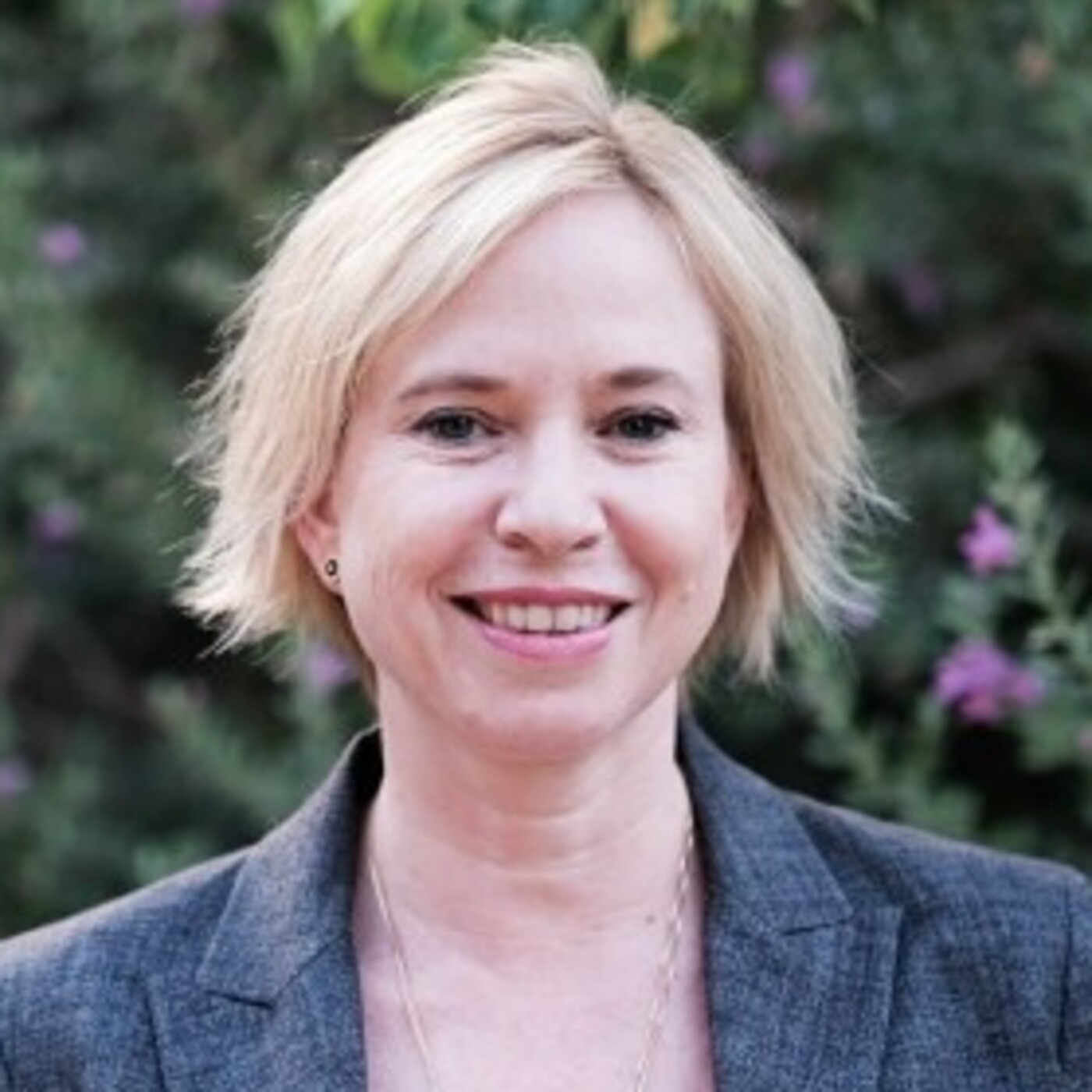
Dafna: How optimism helped one female CEO grow her business and overcome obstacles. I’m Maeve McQuillan, and welcome to this 50 Faces focus series, which showcases inspiring Israeli women in tech and beyond. I’m joined today by Daphna Rolls. Daphna is the founder and CEO of D. Rolls Associates, a Boston-based boutique business development firm founded in 2002. D. Rolls uses its unique methodology to bring its customers new qualified leads in the US and European corporate markets. Daphna has over 20 years of experience in business development and sales. She also lectures at business organizations and universities about defining markets in the US and beyond. Thanks so much for joining me today, Dafna. What inspired you to start your own business?
Speaker C: This question is actually made me think that for me, there was no other way. It was the way I grew up. My father owned his own business and we are 4 kids. Each one of us own their own business, but I just grew up in a house where I saw many things. I saw the struggling of owning your own business. So when I faced it, I knew there are different stages you need to go through. So in many aspects, and I think also it’s something in being an Israeli, we have a very strong entrepreneurial spirit here.
Dafna: Why would you say in Israel you have such an entrepreneur outlook that’s maybe different to other places? What makes Israel unique in that way?
Speaker C: I think we are not afraid to try and to do mistakes. I actually was introduced to a a group from Japan who came to Israel and they wanted to learn about what makes us be so with such an entrepreneurial spirit. And I think the first thing is that we are not afraid to try and to do mistakes. And we are actually encouraged to try new things.
Dafna: So when you say you’re encouraged to try new things, do you mean culturally or when you’re in school, in education, or it’s just like a general message that sort of you grow up with and you kind of don’t remember when you weren’t encouraged to try new things?
Speaker C: I think in many aspects it starts in school, in the army as well, but also again, at the end, it’s the house that you’re growing up in. Although I know people who came from houses that they weren’t encouraged to start their own business and they have done it wonderfully. But in my specific case, I can definitely say that it’s a major part of the education and the spirit that I got in as I grew up.
Dafna: And so you mentioned the army. I know you were a lieutenant in the army and you actually, was it 20? You had direct management of 20 soldiers.
Speaker C: I was the youngest one of 4 kids in my family. So I have to say I grew up very protective and very sporty. At the age of 18, I have joined the army and all of a sudden you need to grow up and taking part of the officer course that I took part of, it was very long, very challenging, and it actually made me understand that I can do things that are very hard successfully. And when I finished the course and I was assigned to my first role, I was managing all of the sudden at the age of less than 19, 20 soldiers, and I had the ability to understand what I’m strong at and what I can do at a very young age, and it’s a privilege that not many people will get. So when you’re out of the army almost at the age of 21, you have experienced so much, you have learned so much about yourself, It’s a great way to start your career.
Dafna: Yeah, I can imagine. What actually then made you decide to, you know, strike out on your own? Was it this experience you said already of like your family was encouraged and all your siblings did it, but what made you decide to sort of take that step?
Speaker C: So actually I have moved to the States at a very young age and I got married and we moved to the States. And when I started looking for job opportunities, I realized that people don’t really understand what I I can bring to the table and being comfortable with starting my own business, I have decided let’s try. And shorter than later, I had two big clients and I started hiring people. And in the first two years, the business has grown without specific direction. And then I realized I need a direction, but this is how I started my business as I moved to the US. I have to say that I was a big believer of coaching and all throughout my career, I always was looking for different coaching that can lead me to the right goals, to understand what is the right direction. And it was very supporting and helped me in the process.
Dafna: You said you sort of didn’t have a direction with the business. So what exactly do you mean by that? You start a business with with an idea of what you wanted or, or you, or general idea? Like, I guess I didn’t know you could start a business without a specific goal.
Speaker C: When I started my business, I decided that I will give business development solutions for different companies. And we provided many different solutions. We helped one company preparing deck for investors, one company helping them going to a big trade shows, preparing all of their marketing materials. And we did many aspects, many solutions of business development, and we answer companies’ needs, but we didn’t add a specific focus. And after— ah, okay. Yes. And I think it happened with many people. They start their business and then you realize within the services that you provide, if it’s a service-oriented business, where would you like to focus and what will bring the most added value to your clients and to the growth of your business?
Dafna: Ah, okay. So, it’s more like by doing many things, you figured out, okay, I’m going to zero in on this one thing. Because now what you do seems to be very, very specific.
Speaker C: It’s very specific and it’s been like this for over, I would say, 13, 12 years. And I think it’s one of the keys to our success because we have developed a very strong reputation in a very specific niche in the business development world. We are helping companies meet with their potential target market. And I think being focusing on, on one thing and doing it very well, this is a way where you can really grow your business.
Dafna: You talked about coaching. Does that mean you went to like seminars or you sought out mentors? What did you do?
Speaker C: I think I’ve done it all over the years. I went to seminars. I was part of CEO groups in Boston, which it was a supporting group of other CEOs with a coach that is leading it. I had one-on-one coaching on financial part when I felt that I needed it. In different times and aspects, I think every business owner needs coaching, needs support. By the way, what helped me go through this challenging year, which was very challenging, it was part of it, I went on many, many lectures and coaching sessions. I have developed a group of networking of business owners that we supported one another throughout the COVID session. Which most of us, the most challenging part was April, May of 2020. So support and coaching.
Dafna: And what was the most helpful thing that you learned during those particularly bad months of April and May? What helped you get through that time?
Speaker C: First of all, knowing that when you do what you do best and you work very hard, and when times are hard, you need to work double the time that you would do on a regular time, even if at the short term you don’t see results. Work hard, put the effort in, and the most important thing, be optimistic. Really, you need to be optimistic in order to be successful. And it was a short term where we started to see the business grow back. And right now we are in a much stronger place even before COVID And I think it’s really about being optimistic and to be willing to work very hard.
Dafna: That’s really interesting, the optimism part. So you feel like, is that something you learned this year?
Speaker C: I think it’s basic in order to be a business owner, you need to be optimistic because every business owner is facing different stages and challenges. And if you are not optimistic that you know that you will go through it, that you know what to do, that you know that when you’re doing what needs to be done and giving your hard work, and in order to know it, you need to be optimistic, you want to be successful. For me, I think it’s the basic thing.
Dafna: That’s really interesting. So what made you decide to move back to Israel?
Speaker C: The reason why I wanted to move back is because I wanted my kids to grow up in Israel, surrounded by my family and my husband’s family, and I wanted them to grow up in Israel. It was after we have been in the States for 10 years, which is quite a long time, and it was the right time for us to move back.
Dafna: What were the biggest challenges you faced when you moved back?
Speaker C: It took me a while to figure out how to manage the US team from a long distance and to understand that sometimes I can let go and let them do their things, and they have done it very well. It actually was a good opportunity to see, because when I step back, the business can grow.
Dafna: So it was almost like moving gave you the opportunity to release a wee bit of control that maybe you wouldn’t have if you had remained in Boston.
Speaker C: Completely. I think every change, you need to see the opportunity in it, and you need to stop and look from a distance and say, what opportunity do we have here? What can we do differently? It brings new things, and doing it gives you the opportunity really to make any challenge into success. So definitely.
Dafna: So have you faced any moments in your career where there were setbacks?
Speaker C: I think at the end, I really see that when I am in my strengths and I know, and I set up my goals and I’m focusing on where the business is going, we will be there. And I think there were a few stages where I probably wouldn’t I should have been more focused on how to do the things, how to reach the goals. And I think every business needs to be very goals-oriented and very focusing on the short-term and long-term goals. Once you’re doing it, you won’t find yourself with setups as I found myself few times, 15 years running a business, it’s Definitely a long time.
Dafna: Yeah, I’m sure. I mean, there’s no way without to be in business that long and not experience some moments where you have setbacks. But for you, it always feels like it’s about the focus, the focusing on the goals and being clear about what you want. And that has sort of helped you get through.
Speaker C: Completely. I think putting goals and making sure you are meeting them because business has this way to take you to your own business to so many directions. You need to hire employees. You have so many issues that you need to deal with, but you definitely need to make sure that an hour a week you sit down and you review what has been done, how you meet your goals, if everything is on the right track, to look at the big picture and to have someone do it with you. It’s always something important. Someone who makes sure that you will see the picture.
Dafna: Have you always sort of had that person with you, or is it sort of a role that you kind of had to bring in the bigger the business got?
Speaker C: I think for almost 7 years I have a CFO that is very on top of the goals and very strict with me. Ah, he’s doing a good job.
Dafna: So you need someone to be strict.
Speaker C: I think it’s always good to have someone that is checking on you as well.
Dafna: That’s true, that’s true. In your work, I imagine, because you, you know, you intersect pretty closely with many aspects of the business world, what are your impressions of the experience of other female entrepreneurs in both Israel and America?
Speaker C: I think the main thing with the female entrepreneur, what I have seen over the years, and it doesn’t matter where they are, when they start their own business, most of them after a year or 2 years in the business will go back and will take a job opportunity that was offered to them, maybe by one of their clients. And so, and I’ve seen it over the years many times. I myself, I’m trying to support women who are entrepreneurs when they’re starting their business. And I’ve seen women who started great businesses and then one of their biggest clients was making them and offering them something and they wanted the security and they took the full-time job. It’s very important sometimes not to look at the short term, but to look at the long term and say, 10 years from now, I will have portfolio of clients, reputation, more clients will come in. So don’t give up too easily. I see it happen again and again. I’m always sad to see good opportunity being closed.
Dafna: And for you, what you see, it’s mainly about security for these women, that that’s the moment after 2, 3 years, they’re worried that they’re not going to be able to have that security and that’s why they stop?
Speaker C: I think when you start, when you own your own business, there are months that you won’t take salary. I had those months. Every, every business owner are facing it. There are months when you won’t take salary on, but you need to look more on the long terms and not to give up in the first time that you face hard times and to take the first full-time job opportunity that is being offered. And you definitely need to have support around you that people will say it’s okay, give it the time that it needs right now.
Dafna: Would you say it’s the same for male entrepreneurs that they would also after 2, 3 years sort of take a job with a client, or you think you’ve seen it more with women?
Speaker C: I have seen it more with women, but I have to say another aspect, if we are talking about women and men, entrepreneur, I think women are more careful starting their own business. Usually they will do it in smaller steps. If it’s to rent the office, they will start from small office, they won’t look for the big offices. And this is one example, but there are many. And I have seen many women that because they have been very careful and manage their steps very carefully, they are able to establish businesses that run for many years. This is another aspect for a woman entrepreneur.
Dafna: So in a way, they benefit from being that cautious.
Speaker C: There is always pros and cons, but I believe yes.
Dafna: Yeah, because at first you think, oh, maybe that’s not good, but it also speaks to there being a positive from being a little cautious at times.
Speaker C: Yes, definitely.
Dafna: I know you’re very committed to helping female entrepreneurs sort of keep in there, hang on in there and keep going. What specifically do you do?
Speaker C: I always have an entrepreneur woman that I’m coaching her and helping her when she starts her business. So if there is an opportunity like this, I will take the time and I will meet with, with her and I will give her any advice that I can. I think there is always a learning curve. Starting your own business, and if any advice and any feedback can make this learning curve less painful and make the process more efficient, I am more than happy to share it. I do not take part of group or give lectures about that, but definitely as one-on-one session, this is something that I’ve done all through my career.
Dafna: That’s wonderful. I’m sure a lot of women have really benefited from that. So what advice would you give your younger self when starting out? Is there anything you know now that you wish you had known then?
Speaker C: I would say that I would give myself the advice to believe in my abilities more and to be less modest and to speak my mind more. I used to sit in meetings. Most of the meetings that I take part of is with men who are decision makers. And I always used to think a few times before I speak my mind, which today I just speak my mind. It would be nice if I would do it a few years back more.
Dafna: Yeah, that’s a hard one to not sort of second-guess what you’re thinking and just speak what you— speak freely. What made the difference? Was it just time?
Speaker C: The beauty of being above 40. Seriously, I say it with other female friends of mine, it’s just, you cross a certain stage, age, and you change and it’s, it’s wonderful. Just wonderful.
Dafna: That’s true. There are definitely pros to getting older. I think a lot of women would say that that is, and I would say that’s the biggest one. And it’s a lovely feeling of freedom. Who are some of the key people who influenced you in your career and in what way?
Speaker C: I have to say my older sister, who is 6 years older than I am and own her own business. And when I moved to the States and everything was new and different for me, she really pushed me from a distance— she was in Israel— to start my own business. And she was always there for me throughout the way to give me advice and to support. And definitely I have to say my husband, who has been very supportive even when times were rough, he was always the biggest believer and he still does. He always say, oh, you’re not even half of the way where I know you will be. And definitely to have this support around you helps. And I’m grateful for that.
Dafna: That’s wonderful. Are there any obstacles that you’ve encountered along the way as a business owner or a female CEO?
Speaker C: As a female CEO, I found myself often when I go to a meeting and I will present my business and I will explain, I established a business, years ago, they will ask me, your husband, is he a partner in the business? And I’m always surprised. They would never ask a man these questions. And I’ve been asked this question many times. But overall, I think it’s also, again, going back to the army, in a very young age, I learned how to work around men and how to manage And I never found it as a barrier.
Dafna: And actually, though, you’re mentioning the army again. Those 20 soldiers, were they all men?
Speaker C: Yes.
Dafna: Oh my goodness. Okay. That is a huge thing to learn at that age.
Speaker C: Completely. I agree.
Dafna: Wow. Okay. So nothing is going to faze you after that, I feel.
Speaker C: Trust me. Trust me. I had few clients over the years that it was challenging, but I always feel that I’m learning from every process and it’s just nice to see it.
Dafna: Well, thank you so much for all your insights. They’re super interesting and helpful. I love what you said about optimism being so important. It’s nice to, especially right now, it is so important to hold onto this past year.
Speaker C: I strongly believe that being optimistic is one of the strongest things that can help you throughout anything, and not just in difficult times, overall in daily life, it just makes life and makes your daily routine be much nicer. And I strongly believe in that.
Dafna: It’s, yeah, no, I think it’s true. So that, which actually then makes me think of one thing. So then when you are faced with something not working or failing, is it easy for you to just to move to that place of feeling optimistic, move through it quickly and then feel, okay, this is going to work out?
Speaker C: Yes, actually interesting question. I never thought about it, but yes, and you have to understand that I always say it’s— we go through difficult times, we go through wow times, and this is what makes life interesting. You cannot expect everything to be a straight line because straight line is meaning we are dead. We don’t want to be there. We want to go through ups and downs. It’s part of it.
Dafna: That’s so true. Nicely said.
Speaker C: I like that.
Dafna: Thank you again. This has been really interesting and inspiring to talk to you about this. And thanks so much for joining us today.
Speaker C: Thank you. I really appreciate it. It was a pleasure. Interesting questions. You made me think.
Dafna: I’m Maeve McCullen. Thank you for listening to our 50 Faces focus series. If you like what you heard and would like to tune in to hear more inspiring Israeli women in tech and beyond, Please subscribe on Apple Podcasts or wherever you get your podcasts.
Maeve Mc: This podcast is for informational purposes only and should not be construed as investment advice, and all views are personal and should not be attributed to the organizations and affiliations of the host or any guest.
Maeve Mc: This podcast was made possible by the kind support of Emmanuel Arbib of IAM Capital, a global alternative investment group based in London, as well as the individuals Alyssa Bayer and Avital Oysgeld.
Dafna: How optimism helped one female CEO grow her business and overcome obstacles. I’m Maeve McQuillan, and welcome to this 50 Faces focus series, which showcases inspiring Israeli women in tech and beyond. I’m joined today by Daphna Rolls. Daphna is the founder and CEO of D. Rolls Associates, a Boston-based boutique business development firm founded in 2002. D. Rolls uses its unique methodology to bring its customers new qualified leads in the US and European corporate markets. Daphna has over 20 years of experience in business development and sales. She also lectures at business organizations and universities about defining markets in the US and beyond. Thanks so much for joining me today, Dafna. What inspired you to start your own business?
Speaker C: This question is actually made me think that for me, there was no other way. It was the way I grew up. My father owned his own business and we are 4 kids. Each one of us own their own business, but I just grew up in a house where I saw many things. I saw the struggling of owning your own business. So when I faced it, I knew there are different stages you need to go through. So in many aspects, and I think also it’s something in being an Israeli, we have a very strong entrepreneurial spirit here.
Dafna: Why would you say in Israel you have such an entrepreneur outlook that’s maybe different to other places? What makes Israel unique in that way?
Speaker C: I think we are not afraid to try and to do mistakes. I actually was introduced to a a group from Japan who came to Israel and they wanted to learn about what makes us be so with such an entrepreneurial spirit. And I think the first thing is that we are not afraid to try and to do mistakes. And we are actually encouraged to try new things.
Dafna: So when you say you’re encouraged to try new things, do you mean culturally or when you’re in school, in education, or it’s just like a general message that sort of you grow up with and you kind of don’t remember when you weren’t encouraged to try new things?
Speaker C: I think in many aspects it starts in school, in the army as well, but also again, at the end, it’s the house that you’re growing up in. Although I know people who came from houses that they weren’t encouraged to start their own business and they have done it wonderfully. But in my specific case, I can definitely say that it’s a major part of the education and the spirit that I got in as I grew up.
Dafna: And so you mentioned the army. I know you were a lieutenant in the army and you actually, was it 20? You had direct management of 20 soldiers.
Speaker C: I was the youngest one of 4 kids in my family. So I have to say I grew up very protective and very sporty. At the age of 18, I have joined the army and all of a sudden you need to grow up and taking part of the officer course that I took part of, it was very long, very challenging, and it actually made me understand that I can do things that are very hard successfully. And when I finished the course and I was assigned to my first role, I was managing all of the sudden at the age of less than 19, 20 soldiers, and I had the ability to understand what I’m strong at and what I can do at a very young age, and it’s a privilege that not many people will get. So when you’re out of the army almost at the age of 21, you have experienced so much, you have learned so much about yourself, It’s a great way to start your career.
Dafna: Yeah, I can imagine. What actually then made you decide to, you know, strike out on your own? Was it this experience you said already of like your family was encouraged and all your siblings did it, but what made you decide to sort of take that step?
Speaker C: So actually I have moved to the States at a very young age and I got married and we moved to the States. And when I started looking for job opportunities, I realized that people don’t really understand what I I can bring to the table and being comfortable with starting my own business, I have decided let’s try. And shorter than later, I had two big clients and I started hiring people. And in the first two years, the business has grown without specific direction. And then I realized I need a direction, but this is how I started my business as I moved to the US. I have to say that I was a big believer of coaching and all throughout my career, I always was looking for different coaching that can lead me to the right goals, to understand what is the right direction. And it was very supporting and helped me in the process.
Dafna: You said you sort of didn’t have a direction with the business. So what exactly do you mean by that? You start a business with with an idea of what you wanted or, or you, or general idea? Like, I guess I didn’t know you could start a business without a specific goal.
Speaker C: When I started my business, I decided that I will give business development solutions for different companies. And we provided many different solutions. We helped one company preparing deck for investors, one company helping them going to a big trade shows, preparing all of their marketing materials. And we did many aspects, many solutions of business development, and we answer companies’ needs, but we didn’t add a specific focus. And after— ah, okay. Yes. And I think it happened with many people. They start their business and then you realize within the services that you provide, if it’s a service-oriented business, where would you like to focus and what will bring the most added value to your clients and to the growth of your business?
Dafna: Ah, okay. So, it’s more like by doing many things, you figured out, okay, I’m going to zero in on this one thing. Because now what you do seems to be very, very specific.
Speaker C: It’s very specific and it’s been like this for over, I would say, 13, 12 years. And I think it’s one of the keys to our success because we have developed a very strong reputation in a very specific niche in the business development world. We are helping companies meet with their potential target market. And I think being focusing on, on one thing and doing it very well, this is a way where you can really grow your business.
Dafna: You talked about coaching. Does that mean you went to like seminars or you sought out mentors? What did you do?
Speaker C: I think I’ve done it all over the years. I went to seminars. I was part of CEO groups in Boston, which it was a supporting group of other CEOs with a coach that is leading it. I had one-on-one coaching on financial part when I felt that I needed it. In different times and aspects, I think every business owner needs coaching, needs support. By the way, what helped me go through this challenging year, which was very challenging, it was part of it, I went on many, many lectures and coaching sessions. I have developed a group of networking of business owners that we supported one another throughout the COVID session. Which most of us, the most challenging part was April, May of 2020. So support and coaching.
Dafna: And what was the most helpful thing that you learned during those particularly bad months of April and May? What helped you get through that time?
Speaker C: First of all, knowing that when you do what you do best and you work very hard, and when times are hard, you need to work double the time that you would do on a regular time, even if at the short term you don’t see results. Work hard, put the effort in, and the most important thing, be optimistic. Really, you need to be optimistic in order to be successful. And it was a short term where we started to see the business grow back. And right now we are in a much stronger place even before COVID And I think it’s really about being optimistic and to be willing to work very hard.
Dafna: That’s really interesting, the optimism part. So you feel like, is that something you learned this year?
Speaker C: I think it’s basic in order to be a business owner, you need to be optimistic because every business owner is facing different stages and challenges. And if you are not optimistic that you know that you will go through it, that you know what to do, that you know that when you’re doing what needs to be done and giving your hard work, and in order to know it, you need to be optimistic, you want to be successful. For me, I think it’s the basic thing.
Dafna: That’s really interesting. So what made you decide to move back to Israel?
Speaker C: The reason why I wanted to move back is because I wanted my kids to grow up in Israel, surrounded by my family and my husband’s family, and I wanted them to grow up in Israel. It was after we have been in the States for 10 years, which is quite a long time, and it was the right time for us to move back.
Dafna: What were the biggest challenges you faced when you moved back?
Speaker C: It took me a while to figure out how to manage the US team from a long distance and to understand that sometimes I can let go and let them do their things, and they have done it very well. It actually was a good opportunity to see, because when I step back, the business can grow.
Dafna: So it was almost like moving gave you the opportunity to release a wee bit of control that maybe you wouldn’t have if you had remained in Boston.
Speaker C: Completely. I think every change, you need to see the opportunity in it, and you need to stop and look from a distance and say, what opportunity do we have here? What can we do differently? It brings new things, and doing it gives you the opportunity really to make any challenge into success. So definitely.
Dafna: So have you faced any moments in your career where there were setbacks?
Speaker C: I think at the end, I really see that when I am in my strengths and I know, and I set up my goals and I’m focusing on where the business is going, we will be there. And I think there were a few stages where I probably wouldn’t I should have been more focused on how to do the things, how to reach the goals. And I think every business needs to be very goals-oriented and very focusing on the short-term and long-term goals. Once you’re doing it, you won’t find yourself with setups as I found myself few times, 15 years running a business, it’s Definitely a long time.
Dafna: Yeah, I’m sure. I mean, there’s no way without to be in business that long and not experience some moments where you have setbacks. But for you, it always feels like it’s about the focus, the focusing on the goals and being clear about what you want. And that has sort of helped you get through.
Speaker C: Completely. I think putting goals and making sure you are meeting them because business has this way to take you to your own business to so many directions. You need to hire employees. You have so many issues that you need to deal with, but you definitely need to make sure that an hour a week you sit down and you review what has been done, how you meet your goals, if everything is on the right track, to look at the big picture and to have someone do it with you. It’s always something important. Someone who makes sure that you will see the picture.
Dafna: Have you always sort of had that person with you, or is it sort of a role that you kind of had to bring in the bigger the business got?
Speaker C: I think for almost 7 years I have a CFO that is very on top of the goals and very strict with me. Ah, he’s doing a good job.
Dafna: So you need someone to be strict.
Speaker C: I think it’s always good to have someone that is checking on you as well.
Dafna: That’s true, that’s true. In your work, I imagine, because you, you know, you intersect pretty closely with many aspects of the business world, what are your impressions of the experience of other female entrepreneurs in both Israel and America?
Speaker C: I think the main thing with the female entrepreneur, what I have seen over the years, and it doesn’t matter where they are, when they start their own business, most of them after a year or 2 years in the business will go back and will take a job opportunity that was offered to them, maybe by one of their clients. And so, and I’ve seen it over the years many times. I myself, I’m trying to support women who are entrepreneurs when they’re starting their business. And I’ve seen women who started great businesses and then one of their biggest clients was making them and offering them something and they wanted the security and they took the full-time job. It’s very important sometimes not to look at the short term, but to look at the long term and say, 10 years from now, I will have portfolio of clients, reputation, more clients will come in. So don’t give up too easily. I see it happen again and again. I’m always sad to see good opportunity being closed.
Dafna: And for you, what you see, it’s mainly about security for these women, that that’s the moment after 2, 3 years, they’re worried that they’re not going to be able to have that security and that’s why they stop?
Speaker C: I think when you start, when you own your own business, there are months that you won’t take salary. I had those months. Every, every business owner are facing it. There are months when you won’t take salary on, but you need to look more on the long terms and not to give up in the first time that you face hard times and to take the first full-time job opportunity that is being offered. And you definitely need to have support around you that people will say it’s okay, give it the time that it needs right now.
Dafna: Would you say it’s the same for male entrepreneurs that they would also after 2, 3 years sort of take a job with a client, or you think you’ve seen it more with women?
Speaker C: I have seen it more with women, but I have to say another aspect, if we are talking about women and men, entrepreneur, I think women are more careful starting their own business. Usually they will do it in smaller steps. If it’s to rent the office, they will start from small office, they won’t look for the big offices. And this is one example, but there are many. And I have seen many women that because they have been very careful and manage their steps very carefully, they are able to establish businesses that run for many years. This is another aspect for a woman entrepreneur.
Dafna: So in a way, they benefit from being that cautious.
Speaker C: There is always pros and cons, but I believe yes.
Dafna: Yeah, because at first you think, oh, maybe that’s not good, but it also speaks to there being a positive from being a little cautious at times.
Speaker C: Yes, definitely.
Dafna: I know you’re very committed to helping female entrepreneurs sort of keep in there, hang on in there and keep going. What specifically do you do?
Speaker C: I always have an entrepreneur woman that I’m coaching her and helping her when she starts her business. So if there is an opportunity like this, I will take the time and I will meet with, with her and I will give her any advice that I can. I think there is always a learning curve. Starting your own business, and if any advice and any feedback can make this learning curve less painful and make the process more efficient, I am more than happy to share it. I do not take part of group or give lectures about that, but definitely as one-on-one session, this is something that I’ve done all through my career.
Dafna: That’s wonderful. I’m sure a lot of women have really benefited from that. So what advice would you give your younger self when starting out? Is there anything you know now that you wish you had known then?
Speaker C: I would say that I would give myself the advice to believe in my abilities more and to be less modest and to speak my mind more. I used to sit in meetings. Most of the meetings that I take part of is with men who are decision makers. And I always used to think a few times before I speak my mind, which today I just speak my mind. It would be nice if I would do it a few years back more.
Dafna: Yeah, that’s a hard one to not sort of second-guess what you’re thinking and just speak what you— speak freely. What made the difference? Was it just time?
Speaker C: The beauty of being above 40. Seriously, I say it with other female friends of mine, it’s just, you cross a certain stage, age, and you change and it’s, it’s wonderful. Just wonderful.
Dafna: That’s true. There are definitely pros to getting older. I think a lot of women would say that that is, and I would say that’s the biggest one. And it’s a lovely feeling of freedom. Who are some of the key people who influenced you in your career and in what way?
Speaker C: I have to say my older sister, who is 6 years older than I am and own her own business. And when I moved to the States and everything was new and different for me, she really pushed me from a distance— she was in Israel— to start my own business. And she was always there for me throughout the way to give me advice and to support. And definitely I have to say my husband, who has been very supportive even when times were rough, he was always the biggest believer and he still does. He always say, oh, you’re not even half of the way where I know you will be. And definitely to have this support around you helps. And I’m grateful for that.
Dafna: That’s wonderful. Are there any obstacles that you’ve encountered along the way as a business owner or a female CEO?
Speaker C: As a female CEO, I found myself often when I go to a meeting and I will present my business and I will explain, I established a business, years ago, they will ask me, your husband, is he a partner in the business? And I’m always surprised. They would never ask a man these questions. And I’ve been asked this question many times. But overall, I think it’s also, again, going back to the army, in a very young age, I learned how to work around men and how to manage And I never found it as a barrier.
Dafna: And actually, though, you’re mentioning the army again. Those 20 soldiers, were they all men?
Speaker C: Yes.
Dafna: Oh my goodness. Okay. That is a huge thing to learn at that age.
Speaker C: Completely. I agree.
Dafna: Wow. Okay. So nothing is going to faze you after that, I feel.
Speaker C: Trust me. Trust me. I had few clients over the years that it was challenging, but I always feel that I’m learning from every process and it’s just nice to see it.
Dafna: Well, thank you so much for all your insights. They’re super interesting and helpful. I love what you said about optimism being so important. It’s nice to, especially right now, it is so important to hold onto this past year.
Speaker C: I strongly believe that being optimistic is one of the strongest things that can help you throughout anything, and not just in difficult times, overall in daily life, it just makes life and makes your daily routine be much nicer. And I strongly believe in that.
Dafna: It’s, yeah, no, I think it’s true. So that, which actually then makes me think of one thing. So then when you are faced with something not working or failing, is it easy for you to just to move to that place of feeling optimistic, move through it quickly and then feel, okay, this is going to work out?
Speaker C: Yes, actually interesting question. I never thought about it, but yes, and you have to understand that I always say it’s— we go through difficult times, we go through wow times, and this is what makes life interesting. You cannot expect everything to be a straight line because straight line is meaning we are dead. We don’t want to be there. We want to go through ups and downs. It’s part of it.
Dafna: That’s so true. Nicely said.
Speaker C: I like that.
Dafna: Thank you again. This has been really interesting and inspiring to talk to you about this. And thanks so much for joining us today.
Speaker C: Thank you. I really appreciate it. It was a pleasure. Interesting questions. You made me think.
Dafna: I’m Maeve McCullen. Thank you for listening to our 50 Faces focus series. If you like what you heard and would like to tune in to hear more inspiring Israeli women in tech and beyond, Please subscribe on Apple Podcasts or wherever you get your podcasts.
Maeve Mc: This podcast is for informational purposes only and should not be construed as investment advice, and all views are personal and should not be attributed to the organizations and affiliations of the host or any guest.