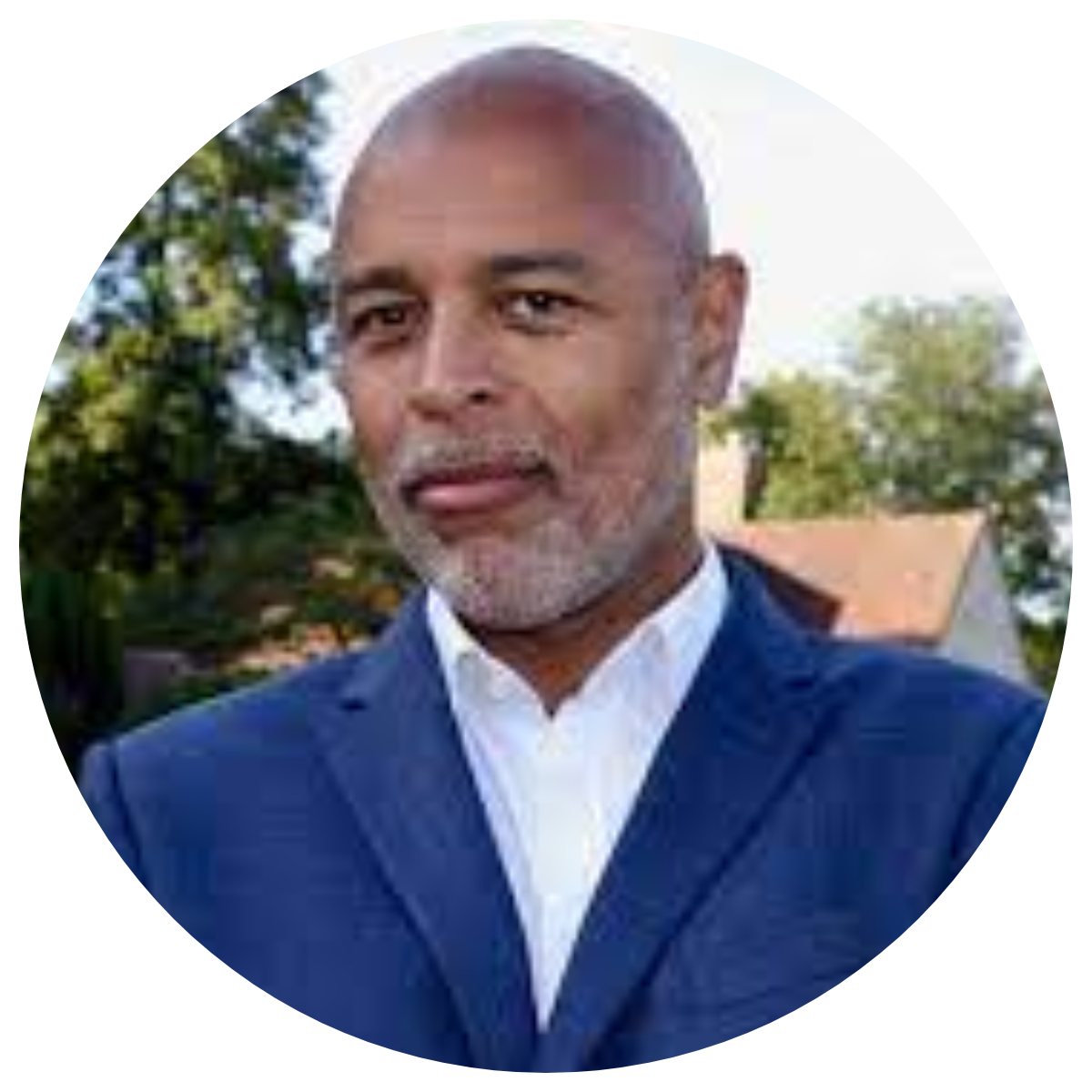
Aoifinn Devitt: How can the values of the All Blacks help you to deal with some of the kinks in the hosepipe of life? Let’s find out next. I’m Aoifinn Devitt, and welcome to the 50 Faces Podcast, a podcast committed to revealing the richness and diversity of the world of investment by focusing on its people. And their stories. I’m joined today by Dawid Konateahulu, who is an entrepreneur in financial services, technology, and elderly care, and the co-founder of Reddington, the London-based independent pensions and insurance advisory group with $500 billion in assets under advisement, as well as mallowstreet.com, a social media platform connecting the pensions and insurance industry. He has a long career in financial services. He is a high-profile advocate for diversity within the financial services community. As well as the founder of Partnership for Change, which is driving a social movement to help improve the lives of older people. He’s also the founder of Spellbound, which helps young people develop their public speaking skills so that they can be passionate, compelling, and inspiring. Welcome, Dawid. Thank you for joining me today.
Dawid Konotey-Ahulu: Hi, Aoife, and it’s such a pleasure to be joining you. Thanks so much for asking me.
Aoifinn Devitt: Can we start with your journey into investment? Can you talk us through where it began?
Dawid Konotey-Ahulu: Yeah, I mean, look, you know, I started life as a lawyer. And it wasn’t linear getting into the world of investments. I mean, actually, just going back to the beginning, I think it was 1987. I was a young lawyer. I’d just qualified as a barrister and I was trying to get my tenancy, which is when you get your first job, basically you’re a tenant in chambers. So I was kind of trying to get an internship that would lead to a tenancy. And I went for this interview. I mean, I already had my first internship and I was trying to find my second and I went for this interview and It was all going very well. They like me, I like them. And I thought, you know, yeah, this is great. I’m going to get a tenancy out of this. And then I got this message back from them, which was they said, look, we really liked you and you seem like a great guy and we think you’ll be a good fit. But look, here’s the problem. We took on a black guy last year and we’re just not going to do it 2 years in a row. It’s just not what we want to do. So you can come and do the internship, but you’re not going to get a tenancy at the end of it. And we hope you understand. And that obviously kind of stopped me in my tracks. I talk about the kinks in the hosepipe of life that sometimes happen. The water’s flowing along the hosepipe and suddenly there’s this kink and that’s what happened to me. And long story short, I left the bar and I went into the city and I became a lawyer in a bank. And then I was a lawyer sitting in the legal department. And one day, one of the senior bankers Somehow had got himself in, got the firm into a contract. Another bank had taken advantage of us in some way and we needed to get out of it. It was going to cost millions of dollars. And I managed to get him out of this contract and we kind of, we didn’t become friends, but he was like, he was older than I was, but he started being a bit of a mentor or my rabbi, as we sometimes used to say. And he just said, look, I think you should think about moving into mainstream investment banking. And I was like, okay, well, I was a lawyer. I’d been a lawyer for 6 or 7 years at that point. But yeah, I did. I switched across. I didn’t know anything about banking, but I moved across and suddenly there I was sitting on a desk with everyone else in the world of derivatives, which had just kicked off. And it was all about helping building societies and companies and banks to manage their risk using derivatives. So there were a lot of twists and turns, but that’s how I got into it. And I nearly got fired actually in that first year because I didn’t really know what I was doing. I was a lawyer. I wasn’t that numerate. But I was supposed to be calling up building societies. That was my specific job, to get them to do a derivative transaction to manage their risk. And every time I called up, they would say, no, we don’t want to do anything today. And eventually, the big boss kind of noticed that I wasn’t doing any business. And he said to my immediate boss, look, we’re going to have to fire this guy. I mean, he’s completely useless. So my immediate boss, a guy called Tim Pettit, came up to me and just said, look, Dawid, you’re going to have to change things by, you know, like, you know, pretty soon. I said, well, how long have I got? Until Tuesday. So I, you know, I basically, I said, well, how do I do this thing? Every time I call up, they always say they don’t want to do the deal. They’ve got nothing to do. He said, look, it’s just a conversation. You know, I think you’re stressing about it too much. Just call up, have a conversation. If they say they don’t want to do a deal, just say, well, what do you want to do? So I did. I called up this guy and I said, you know, so what do you want to do? And he kind of said, well, I’m looking to do a bit of 5 years. And I said, okay. So I asked my trader, Have you got any 5 years in terms of the length of the derivative? And he says, yeah, I can do some 5 years. Suddenly I did this trade and suddenly I realized it wasn’t as hard. It was just about staying calm, being cool and having a conversation with your clients. And suddenly anyway, long story short, I came within like 3 days of getting fired on that first investment banking job. But yeah, came through that. That was 1991 and it was not straightforward even, but Yeah, looking back, it was something that changed my life in many ways because I started as a lawyer and I became a banker. And yeah, the rest, as they say, is kind of history for me anyway.
Aoifinn Devitt: Two really interesting points that come out of that for me. One is, firstly, you dealt fairly early on with some pretty unashamed prejudice, basically not even being hidden in your face. How did you process that? And then secondly, on the feedback point, it seems like getting fairly direct and honest feedback upfront that has to be actionable immediately was actually extremely helpful and probably a lifeline.
Dawid Konotey-Ahulu: Yeah, you’re totally right. So on the prejudice point, how did I process it? I mean, I remember I just got married. I went home and told my wife this is what had happened, and we were both kind of aghast, but not aghast, funnily enough, in the way you would be today. Today you’d be like, you’d be calling up the FT and you’d be, you know, you’d be calling up the Daily Mail and be having a conversation. Back then it was just like, okay, so I guess the bar isn’t for me then, you know? And I’m not saying that the bar was overtly racist in that they kind of didn’t even interview me. They did, and I got on. That was the whole thing. It was this insidious thing. And at the time, it was 1987, and it was just how it was. And I kind of went, well, what am I supposed to do? And it just was the way the system was, which is what’s so exciting about today, because I think today, maybe we’ll come on to this, but I think today things are different, right? There is a movement. It’s a time for change. But back then, I think I just said, well, this isn’t for me, and I’m going to have to find something different to do. Which, by the way, many people in life do. You hit prejudice in some way and you just turn left and you go a different way in your life and you just say, well, this isn’t for me, and you go and you try to do something different. I guess on the point about feedback, look, absolutely right. Getting direct feedback is an incredibly powerful thing. I mean, my boss Tim could just have kind of not really told me what I needed to know, but he just said, look, you’re going to get fired next Tuesday and you need to turn things around. But importantly, you can turn things around. I know you can do it. You just have to stay calm, take a deep breath, focus, and here’s how you do it. And then he walked me through the precise steps. So for me, it was feedback, but it was mentoring. It was just showing me that you need to stay calm and focused. And it was, yeah, you’re exactly right. And giving direct feedback is something that I try to do to people who are up and coming. And you’ve got to give feedback. Don’t be rude, don’t be aggressive, but you’ve got to land your point. Some people call it radical candor, and you’ve just got to be humble in the way you deliver it, but you do have to land your point.
Aoifinn Devitt: Yeah. And it’s actually— someone expressed it to me in the form of conflict. Sometimes we are so afraid of conflict, we think of feedback as in some way a spark for conflict, whereas it shouldn’t be. It should actually be seen as a spark for growth.
Dawid Konotey-Ahulu: Absolutely. Totally.
Aoifinn Devitt: Yeah. And moving forward, then you started your own business. Can you talk us through that? It was actually timing-wise, it was just before the GFC. I’m sure there were some unexpected setbacks that came from that and maybe just from the natural course of running and starting your own business. What did you learn from that?
Dawid Konotey-Ahulu: Look, I mean, even, you know, I was working as a reasonably successful investment banker. It was 2005, I think. And I was working alongside this fabulous guy called Rob Gardner, who was a lot younger than I was. I’d hired him out of Deutsche Bank and, you know, together we were doing great things. I mean, there was a whole team of us, but Rob was the guy I was working very closely with on a lot of stuff. And we’ve been doing some pretty pioneering work in the world of helping pension funds to think about how they manage risk. And it just wasn’t working at Merrill Lynch in terms of getting pension funds to do this new kind of risk management. I mean, for lots of reasons, it wasn’t Merrill Lynch’s fault. It just was, we were too far away from the clients. You needed to be an investment consultant to really get close to them. And so I was like, we need to kind of set up our own firm and we need to be an investment consultant, which was kind of at the time considered completely crazy. Like my boss was like, He didn’t even believe me. He’s like, I know you’re lying. I know you’re going to Goldman. I was like, I’m not. I’m genuinely going to become an investment consultant. And so that’s what we did. But it was 2005, ’06. We actually got going. We actually set the business up in May 2006, and all was calm and bright and the sky was blue. There was nothing happening. And then literally 18 months later, bang, we sailed into this huge storm. And it was, I can’t tell you. I mean, we had no money. Because we respect, we put it all in the business. We were trying to hire people. We were at that critical point. You know, when you set a business up, you’re very vulnerable, especially in the first 18 months, 2 years, because you don’t have enough revenue, you don’t have enough clients, your name isn’t really out there yet, you’re not established. And that was exactly where we were. We couldn’t borrow any money either because no one was lending any money. And suddenly this storm out of nowhere, just, you know, so I remember reading about what was going on in in another bank and what had happened. And all of a sudden this had blown into this huge credit crisis, the like of which we’d never seen. So, yeah, I mean, lots of learnings, lots of takeaways and things probably we’d have done differently if we knew then what we knew now. But navigating that storm, we were just in a little boat on just a raging ocean and a couple of times we nearly went under, but we didn’t. We stayed calm, we stayed focused, we had a vision, we had a sense of purpose. And we got through it. I have a very strong Christian faith. I always believe that the hand of God is in my life and is kind of guiding my little boat, whatever I’m in. And so we got through it. And in 2009, 2010, it all calmed down. But then we had to reinvent ourselves because the world doesn’t stay the same. And all that stuff that we’d started with that made us unique, our USP, which was around looking at risk and managing risk, suddenly by 2011, 2012, everyone had figured out the same stuff and was talking the same talk and it was harder to differentiate ourselves. So we had to reinvent ourselves and carry on being new and fresh and having innovative thinking and having a really strong culture was massively important. Something that I think to this day is something that I hold very dear. It’s really important to have a strong culture, know what you stand for, hire people who think the same way you do. And then you can face pretty much whatever comes.
Aoifinn Devitt: I think I remember visiting you at the very early stages and you were, were you actually at Mallow Street or near Old Street Station anyway? It was a humble office, but it had the kind of energy of a startup. And I think that was quite remarkable because clearly you didn’t splash out on expensive office space, or maybe it was expensive, but it certainly seemed like an entrepreneurial outfit.
Dawid Konotey-Ahulu: Yeah, you’re so right, Yvonne. I mean, Yeah, it was right by Old Street Roundabout, which by the way, if you go there now, wow, it’s just beautiful and shiny. But back then it wasn’t. I mean, we moved into these offices that I think there was a charity that had moved out because they were so, you know, these offices just weren’t fit for purpose. There was no heating, heating didn’t work and there was no aircon. So in summer you just roasted and in the winter you just froze. I remember coming in and people would be sitting there in hats and gloves and mittens with, you know, the fingertips cut off, so that of the gloves cut off so that they could type. Wearing these huge bobble hats. And yeah, I mean, we didn’t have enough, there just wasn’t enough of anything basically. So yeah, it was real. It had the energy of, I like that, the energy of startup. Someone we hired, one of the grads said, this is edgy, which I thought was an interesting way to describe it. But we would have asset managers who would fly in from Boston and they’d come in some sort of chauffeur-driven limousine and pull up outside and you could see them looking up and they’d be saying to the driver, I don’t think this is the right place. And the driver would be like, well, this is what it says on the map. And then they’d get out and they’d come in and then they’d be like, I don’t think this is right. And it would be us. And yes, it had the energy of startup. I mean, we were paying, I think I negotiated £5 a square foot from the landlords because no one else would take this place basically. And it was in a market where it should have been like £25 or £30 a square foot. So we were paying very, very low rent. And we’d been told, a lot of people said, oh, by the way, perception is everything when you start out because you’ve come from Merrill Lynch where you had nice business card. Now it’s just you guys. So you really need to make sure you’ve got really nice offices. Go to Mayfair. So we went to Mayfair and checked out some office that was kind of the right size. And the guy’s like, yes, it’s £1 million a year. And we were like, yeah, okay, thank you very much. And went back to our little office in Old Street, which I think we paid like £40,000 a year or something. I mean, it was just, it was, but yeah, maybe that’s what you have to do. I think is just believe in your vision enough And, you know, don’t— we didn’t need to spend £1 million. I don’t know what would have happened if we spent £1 million a year, by the way. The global financial crisis would have wiped us out.
Aoifinn Devitt: Exactly. Well, there’s certainly the badge of honor of being the underdog and of coming from humble beginnings. And I think that that does inspire and continue to give energy. So I admire that. I applaud it. Now that you’ve stepped back from Reddington, you are focused on a range of different initiatives that follow your passions. Can you talk us through some of those and why are they so important, these causes?
Dawid Konotey-Ahulu: Yeah, I mean, I have stepped back from Redington in many ways. I’m much less hands-on than I was. I’m a non-executive director now, but I’m still very involved at board level in strategy. So we had a strategy day the other, last week and went all day and looking at the future and positioning the firm, getting that right. So interacting with Mitesh Seth, who’s our fabulous CEO and his team. So he’s got a great team in place and the firm is running and doing a fabulous job. But yeah, I’m still involved as Rob is at board level. And so that alongside Mallow Street, which is our other company, which is a— we convene capital is the way I like to talk about it at Mallow Street. So we’re trying to change the world and look at the big issues that affect pension funds and our industry. And we convene capital. And by that, I talk about 5 different types of capital. So there’s financial capital, obviously, which is what everyone thinks about. And if you get enough of that together, it’s incredibly insanely powerful. I mean, you can drive whole change across entire industries just by deciding where you’re going to deploy your capital. So we have a voice in that by bringing financial capital together as we bring together asset managers and large pension funds. But then I always also like to talk about purpose capital, which is the convening of people with a very specific purpose. They know the world needs to change and they’re trying to figure out their role in that. And so the people who tend to come to our Mallow Street summits and conferences are all people who are all about purpose and all about wanting to change things and are serious about it. Right. But it’s not just about those two. It’s also about innovation capital because it’s all very well having purpose, but how do we actually bring about change, which is where you need innovation capital. So you bring people in to come and talk about issues. And we have economists, we have epidemiologists, we have climate change experts, you name it. And then we also have some very knowledgeable people in the industry who come and help with the innovation piece. Then there’s also social capital, right? So you’ve got financial capital, purpose capital, innovation capital, and social capital, which is that I definitely do not have the answers or all the answers. I have some of them maybe, but you have some as well. And together, as we all come together, that social capital is incredibly important because we also know other people who know other people. And that is incredibly powerful when you bind that in with the innovation, the purpose, and the financial capitals. But then finally, time capital. So I have no time, you have no time, none of us has any time, but we all have a tiny bit of time. And when we bring that tiny piece of time, those little capsules of time, and we add those together, suddenly we have actually quite a lot of time. So Mallory Street’s all about bringing together people with a very specific purpose, whether it’s around climate or around investment strategy or around risk management or around understanding what we need to do in a time of COVID Mallory Street is all about the issues of the day. And I’m so proud of those guys. I mean, there are only like 12, 14 people, maybe 15. And their output is just prodigious. It is insane how much they managed to get done with so few people and now just working from home as well. It’s incredible. So Stu Breyer, shout out to Stu as well because he’s He’s a CEO there and then the whole team, they’re incredible. So yeah, I’m involved with them. But actually, look, the real thing that’s taking up a lot of time now is the whole racial injustice and trying to help deal with that in our industry because it’s a thing, it’s systemic. I’m not going to say every institution is racist the way one might conventionally think about it, but we have a systemic issue, which is that as you look at the higher echelons and as you look at the front office roles, front desk roles, portfolio manager roles, major sales roles, distribution. There’s hardly any Black people in these roles, virtually none. It’s like a handful of Black people who’ve made it through the system. It’s insane. I think there’s something like 15 portfolio managers in the entire asset management industry out of several thousand, which is just like, how is that even possible? And certainly at the higher echelons, it’s just a few people who’ve made it through the system. And so, The question is, why is that? And helping institutions to get behind a drive to hire more talented Black people who don’t necessarily come from the same background as the usual suspects that we’re used to hiring. So I’m working with two fabulous individuals, John Sorrell, who is president of Capstone Asset Management, and Wal Colladay, who’s managing partner at LivingBridge Equity Partners. And they are, I mean, they’re two fabulous guys, and together We are asking 100 asset management firms to take on 100 Black candidates specifically into front office roles, not just front office, but portfolio management roles. And yeah, I mean, I’ve gotta say, you know, I think we’re at something like 65 right now. We’ve only, we’ve only been asking for a couple of weeks. And so by the end of August, we’re gonna be at 100 for sure. And that’s an incredible initiative. And I’ve got to say, it’s pushing at an open door. Everyone wants to get on board with this. I was on a call to a couple of asset management firms in Boston, someone else in San Diego, Paris. Everyone’s on board with this. This is a UK initiative for now, but sometimes the head office is abroad. So yeah, it’s huge doing that. I’m doing some work in prisons, working with men who are doing very long sentences, helping them to— it’s part of the rehabilitation, I guess, helping them to find their voice. And I run this thing called Spellbound, which is about teaching people the art of public speaking and taking that into prison where often you’ve never had your voice heard before. Maybe the first time you’re ever getting to tell your story to other people, to other prisoners, other men. It’s an incredible thing. So I’m doing that as well, plus a bunch of other stuff. But yeah.
Aoifinn Devitt: That’s fascinating. And I know that Mitesh is also involved in a classroom to boardroom initiative whereby they gather Black students, or maybe it’s university or even high school students, to share their experiences on their kind of day-to-day struggles they face with boardroom executives. And it seems very much a listening tour. And that to me is a critical first step as well. It’s listening, not pontificating and putting out statements, but it’s actually hearing from the ground up what some of these problems are. That’s fantastic to hear about the initiative around hiring into front office roles. You mentioned that some of these candidates may come from diverse backgrounds, not the typical background. Do you mean by that different schools, different education backgrounds, or maybe even lateral hires?
Dawid Konotey-Ahulu: Yeah, I’m just saying that normally our industry has a very, you know, it’s a tried and tested method that they’ve always used, which is they go to the very best universities, the top 2, 3, 4, 5, maybe a few more than those, and they take the students who have the very best grades. But unsurprisingly, those, you know, those people tend to look the same. And for the most part, they’re white, or they might be increasingly, they might be British Asian, which over here, I guess, means Indian Asian. In the US, it’s not necessarily the case. But yeah, and so the Asian demographic has been spectacularly successful. I mean, it’s like the most successful demographic in British history, I think, in terms of a minority. I think I read somewhere. And so that’s the problem with the word BAME, which I kind of have an issue with, because BAME is Black, and then it’s also Asian. And then minority ethnic, basically anybody who’s not white, you kind of stick together in this word BAME. It’s an easy word to say. It’s much easier than Black, which is a hard word for a lot of people to say. And so the B in BAME, which is the Black, you know, I often say it’s hidden in plain sight. It’s right there, but people don’t see it. So when it comes to stats and you’re looking at your BAME stats, well, you might tick the box and say, yeah, we’re fine for BAME. Well, that’s because you’ve got 20% of the firm are BAME, which means they’re some minority ethnic or they’re Asian. But then the Black is like 0.001% or kind of like 0%. So I’m much more interested in talking about Black specifically. In fact, I co-founded a platform called Talk About Black specifically to deal with this point. And so we’re going around the industry having this conversation. And yes, it’s about taking people in who don’t come from the usual universities. I mean, they come from further afield. But guess what? Some are super talented and very entrepreneurial, and you need that diversity of thought. Increasingly, you’re representing that part of the population. So this isn’t about dumbing down the qualifications by any means, but this is just about different diversity of thought. And it’s about, it’s a diversity of the way we think, the way we interact, the kinds of people we have at board level. They just don’t all look the same the way they do at the moment. I mean, look at every FTSE board, every single person pretty much, it just, they look the same and there’s literally, there’s like no Black people. It doesn’t make any sense. So we’re trying to address that and yeah, I mean, we’re just gonna look at a pool of candidates that is gonna be more diverse than I think the industry will ever have seen. But I’m so hopeful that that’s gonna bring people who are entrepreneurial, people with vision, people with grit, resilience, a whole bunch of things that you kind of, that you need. I mean, if you take myself, I didn’t go to a great university and I didn’t even get a great degree, to be honest with you. And I can talk for hours about why that was, but it is what it is. And right now, if I turned up in the city, I wouldn’t get through the front door and they probably wouldn’t even let me down, down Wallgate. But I did and I got in. And once I got in, actually, guess what? There was a bunch of stuff I was able to do and I was able to bring. To the, to the industry. So, you know, I think, you know, people like me, um, are an example of the fact that you can hire people who don’t necessarily look the same, um, or come with the same tried and tested, um, qualifications from the same usual suspect universities, which by the way are all great. There’s nothing wrong with those, but you can look further afield and there are also, there are also good other good people out there.
Aoifinn Devitt: Maybe there’s some kind of concrete recommendations you can make around either educational courses that help, internships, maybe writing. I think the Mallow Street body of work you mentioned is fascinating because I’m advising young people today to really look around the corner at the innovation that’s happening, try to be more aware of that in a sense because that’s probably tomorrow’s reality. Anything in particular in terms of your educational path or others that you’ve seen that you think are particularly useful for the skills you might need in investment?
Dawid Konotey-Ahulu: Yeah. I mean, look, investment’s a funny thing, right? Because everyone thinks, oh, you need to have done a degree in economics or you need to— I did a degree in law, right? So law is a long way from investment. And in fact, I was pretty innumerate when I came into the industry, not completely, but I hadn’t done anything with numbers apart from number paragraphs in the pieces of work I was writing. So investment’s interesting because actually it relies on a ton of different skill sets. So for one thing, you’ve got to be able to speak clearly. You’ve got to be able to articulate your thoughts, which, by the way, being a lawyer enabled me to do that because it teaches you to speak, teaches you to write, teaches you to think clearly. I’m always amazed at how you can have someone who’s utterly brilliant and got a double first in economics from Cambridge, and yet, funnily enough, they don’t think quite as clearly as you might have expected. Or they’ve done amazingly well in the actuarial profession, but they don’t speak as clearly as you might have expected for someone that clever. And so learning how to speak, learning how to articulate your thoughts, learning to have a framework, learning to have a vision and be able to explain what that vision is, have something about you. All those things are important and you can kind of learn that. There’s a ton of stuff you can watch, you can read a lot of TED Talks. You should be reading. I mean, right now there’s no excuses, frankly, for not knowing anything. Everything’s online. And so there are podcasts to listen to, and there’s just so many places you can go. But I would say learn how to speak, learn how to turn up and be articulate. You don’t have to speak as though you went to Eton, but you do have to be able to string your sentences together. You do need to know what point you’re making, and you do need to be able to have a reasoned discussion and a reasoned argument with someone who says something that you may or may not agree with. You’ve got to learn to push back. You’ve You’ve got to learn to give feedback. There’s a whole bunch of things you need. And actually, all of life is useful for teaching you those things. And so that’s what I love about the investment profession, actually, is that it brings together people with a whole range of skill sets. And when you see it in action, it’s a powerful thing.
Aoifinn Devitt: Absolutely. And thank you very much from the bottom of my heart for the work that you are doing in the profession, because it is so important. Just in terms of a few last questions, the clients you work with will have their set of investment beliefs. And you probably yourself have some investment beliefs as well as perhaps some core beliefs that you take with you in life. Can you share some of those with us and maybe if they came from any particular people that were pivotal in your life?
Dawid Konotey-Ahulu: Yeah, I mean, I guess just looking more broadly at beliefs generally, I think I mentioned earlier that I have a Christian faith and I try to live by that. And at the very heart of that are forgiveness and compassion, which I think the world needs more of. And I guess if I had to choose 3 values, and I’ve spent a lot of time thinking about values both for different organizations I’ve been connected with and both for myself. If I just came up with 3 values that I really love, I would take the values of the All Blacks. And I love these 3, humility, excellence, and respect. And I definitely do not achieve all of those by any means all the time, but these are what I kind of aspire to. And I think they’re so important. I think humility, especially as you get older and as you kind of, you know, as you make your way through the system, you know, it’s very, very important to recognize that you only got through the system because of the way other people were, the way other people helped you on your journey. A lot of it, frankly, was what some people would call chance, but I prefer to think about it as the hand of God in my life. And you got to try and stay humble with that. And then excellence. You’ve just got to do a great, great job. The other morning, I was at 2:00 in the morning. I was trying to put a piece of paper together that I had to present to our board. And I was like, 2:00 in the morning, David, what are you doing? But you’ve just got to go for it. You’ve just got to get it right. Make sure there are no spelling mistakes. Make sure everything is right. Go through it again. Just deliver a piece of work that is completely perfect. You’ve got to strive for excellence. I don’t want to be up until 2:00 every morning, but when you need to do something, you’ve got to do it right. And then respect. You have to have respect for other people, everybody. You have to have respect for the person who works the front desk, the person who welcomes you in to the elevator or the firm, everybody from top to bottom. If you’re in a restaurant, you’ve got to have respect for the people who are waiting on you. Respect, respect, respect. I come from very humble beginnings. I grew up in when I say humble, I grew up in Ghana in a country far away. We didn’t have any huge amount of money. I think my dad earned $30, $32 a month. He was a very good doctor, but that’s what the government paid him. So we didn’t grow up with a huge amount of stuff. But I always remember my beginnings. I remember, and I remember try to stay humble, try to stay excellent and try to have respect. My investment beliefs, look, don’t try and time the market. It’s crazy. I’m not very good at it. I’m terrible at it. And don’t try and do that. If you’re trying to invest your own assets, if you’ve got any to invest, work out how much you want to invest and then invest it over a period of time. Just do a little bit every month. And then that way you don’t get the top, you don’t get the bottom, but you get the average. And likewise for coming out of the market as well. But timing the market is really hard to do. And in fact, at the root of Reddington and what Reddington has always tried to do, which I I think has been different to the way a lot of people do it is Redington is not about trying to call the market. It’s not about trying to predict what is going to happen. It’s about making sure that you are ready for whatever sails down the, you know, whatever comes down the pipe, if you like, or if you’re sailing a boat, if you want to use that metaphor, it’s about whatever comes towards you. You’re always ready for it, which is what happened in 2008, by the way. Our clients came through that storm. In good condition. And that’s because we got them ready for that. We got them to hedge all their liabilities and get their assets in a good place. So yeah, investment beliefs, don’t try and time the market. And I just think for me anyway, that investment belief I think has served me well. It’s served the firms I’ve worked for well. And yeah, I’ll leave it there.
Aoifinn Devitt: Well, so much of what you say gets back to resilience. I think personal resilience, team resilience, and institutional resilience. Through thick and thin. And certainly, um, that, that what you’ve, you’ve shared with us here has been extremely helpful. So thank you, Dawid. It’s been a pleasure speaking with you today. Thank you for the work that you do and continue to do to make a difference in our industry.
Dawid Konotey-Ahulu: Uh, look, it’s been great, uh, talking to you, Ethan. Thanks so much. And, uh, yeah, thank you.
Aoifinn Devitt: I’m Aoifinn Devitt. Thank you for listening to the 50 Faces podcast. If you liked what you heard and would like to tune in to hear more inspiring investors in their personal journeys, Please subscribe on Apple Podcasts or wherever you get your podcasts. This podcast is for informational purposes only and should not be construed as investment advice, and all views are personal and should not be attributed to the organizations and affiliations of the host or any guest.
Aoifinn Devitt: How can the values of the All Blacks help you to deal with some of the kinks in the hosepipe of life? Let’s find out next. I’m Aoifinn Devitt, and welcome to the 50 Faces Podcast, a podcast committed to revealing the richness and diversity of the world of investment by focusing on its people. And their stories. I’m joined today by Dawid Konateahulu, who is an entrepreneur in financial services, technology, and elderly care, and the co-founder of Reddington, the London-based independent pensions and insurance advisory group with $500 billion in assets under advisement, as well as mallowstreet.com, a social media platform connecting the pensions and insurance industry. He has a long career in financial services. He is a high-profile advocate for diversity within the financial services community. As well as the founder of Partnership for Change, which is driving a social movement to help improve the lives of older people. He’s also the founder of Spellbound, which helps young people develop their public speaking skills so that they can be passionate, compelling, and inspiring. Welcome, Dawid. Thank you for joining me today.
Dawid Konotey-Ahulu: Hi, Aoife, and it’s such a pleasure to be joining you. Thanks so much for asking me.
Aoifinn Devitt: Can we start with your journey into investment? Can you talk us through where it began?
Dawid Konotey-Ahulu: Yeah, I mean, look, you know, I started life as a lawyer. And it wasn’t linear getting into the world of investments. I mean, actually, just going back to the beginning, I think it was 1987. I was a young lawyer. I’d just qualified as a barrister and I was trying to get my tenancy, which is when you get your first job, basically you’re a tenant in chambers. So I was kind of trying to get an internship that would lead to a tenancy. And I went for this interview. I mean, I already had my first internship and I was trying to find my second and I went for this interview and It was all going very well. They like me, I like them. And I thought, you know, yeah, this is great. I’m going to get a tenancy out of this. And then I got this message back from them, which was they said, look, we really liked you and you seem like a great guy and we think you’ll be a good fit. But look, here’s the problem. We took on a black guy last year and we’re just not going to do it 2 years in a row. It’s just not what we want to do. So you can come and do the internship, but you’re not going to get a tenancy at the end of it. And we hope you understand. And that obviously kind of stopped me in my tracks. I talk about the kinks in the hosepipe of life that sometimes happen. The water’s flowing along the hosepipe and suddenly there’s this kink and that’s what happened to me. And long story short, I left the bar and I went into the city and I became a lawyer in a bank. And then I was a lawyer sitting in the legal department. And one day, one of the senior bankers Somehow had got himself in, got the firm into a contract. Another bank had taken advantage of us in some way and we needed to get out of it. It was going to cost millions of dollars. And I managed to get him out of this contract and we kind of, we didn’t become friends, but he was like, he was older than I was, but he started being a bit of a mentor or my rabbi, as we sometimes used to say. And he just said, look, I think you should think about moving into mainstream investment banking. And I was like, okay, well, I was a lawyer. I’d been a lawyer for 6 or 7 years at that point. But yeah, I did. I switched across. I didn’t know anything about banking, but I moved across and suddenly there I was sitting on a desk with everyone else in the world of derivatives, which had just kicked off. And it was all about helping building societies and companies and banks to manage their risk using derivatives. So there were a lot of twists and turns, but that’s how I got into it. And I nearly got fired actually in that first year because I didn’t really know what I was doing. I was a lawyer. I wasn’t that numerate. But I was supposed to be calling up building societies. That was my specific job, to get them to do a derivative transaction to manage their risk. And every time I called up, they would say, no, we don’t want to do anything today. And eventually, the big boss kind of noticed that I wasn’t doing any business. And he said to my immediate boss, look, we’re going to have to fire this guy. I mean, he’s completely useless. So my immediate boss, a guy called Tim Pettit, came up to me and just said, look, Dawid, you’re going to have to change things by, you know, like, you know, pretty soon. I said, well, how long have I got? Until Tuesday. So I, you know, I basically, I said, well, how do I do this thing? Every time I call up, they always say they don’t want to do the deal. They’ve got nothing to do. He said, look, it’s just a conversation. You know, I think you’re stressing about it too much. Just call up, have a conversation. If they say they don’t want to do a deal, just say, well, what do you want to do? So I did. I called up this guy and I said, you know, so what do you want to do? And he kind of said, well, I’m looking to do a bit of 5 years. And I said, okay. So I asked my trader, Have you got any 5 years in terms of the length of the derivative? And he says, yeah, I can do some 5 years. Suddenly I did this trade and suddenly I realized it wasn’t as hard. It was just about staying calm, being cool and having a conversation with your clients. And suddenly anyway, long story short, I came within like 3 days of getting fired on that first investment banking job. But yeah, came through that. That was 1991 and it was not straightforward even, but Yeah, looking back, it was something that changed my life in many ways because I started as a lawyer and I became a banker. And yeah, the rest, as they say, is kind of history for me anyway.
Aoifinn Devitt: Two really interesting points that come out of that for me. One is, firstly, you dealt fairly early on with some pretty unashamed prejudice, basically not even being hidden in your face. How did you process that? And then secondly, on the feedback point, it seems like getting fairly direct and honest feedback upfront that has to be actionable immediately was actually extremely helpful and probably a lifeline.
Dawid Konotey-Ahulu: Yeah, you’re totally right. So on the prejudice point, how did I process it? I mean, I remember I just got married. I went home and told my wife this is what had happened, and we were both kind of aghast, but not aghast, funnily enough, in the way you would be today. Today you’d be like, you’d be calling up the FT and you’d be, you know, you’d be calling up the Daily Mail and be having a conversation. Back then it was just like, okay, so I guess the bar isn’t for me then, you know? And I’m not saying that the bar was overtly racist in that they kind of didn’t even interview me. They did, and I got on. That was the whole thing. It was this insidious thing. And at the time, it was 1987, and it was just how it was. And I kind of went, well, what am I supposed to do? And it just was the way the system was, which is what’s so exciting about today, because I think today, maybe we’ll come on to this, but I think today things are different, right? There is a movement. It’s a time for change. But back then, I think I just said, well, this isn’t for me, and I’m going to have to find something different to do. Which, by the way, many people in life do. You hit prejudice in some way and you just turn left and you go a different way in your life and you just say, well, this isn’t for me, and you go and you try to do something different. I guess on the point about feedback, look, absolutely right. Getting direct feedback is an incredibly powerful thing. I mean, my boss Tim could just have kind of not really told me what I needed to know, but he just said, look, you’re going to get fired next Tuesday and you need to turn things around. But importantly, you can turn things around. I know you can do it. You just have to stay calm, take a deep breath, focus, and here’s how you do it. And then he walked me through the precise steps. So for me, it was feedback, but it was mentoring. It was just showing me that you need to stay calm and focused. And it was, yeah, you’re exactly right. And giving direct feedback is something that I try to do to people who are up and coming. And you’ve got to give feedback. Don’t be rude, don’t be aggressive, but you’ve got to land your point. Some people call it radical candor, and you’ve just got to be humble in the way you deliver it, but you do have to land your point.
Aoifinn Devitt: Yeah. And it’s actually— someone expressed it to me in the form of conflict. Sometimes we are so afraid of conflict, we think of feedback as in some way a spark for conflict, whereas it shouldn’t be. It should actually be seen as a spark for growth.
Dawid Konotey-Ahulu: Absolutely. Totally.
Aoifinn Devitt: Yeah. And moving forward, then you started your own business. Can you talk us through that? It was actually timing-wise, it was just before the GFC. I’m sure there were some unexpected setbacks that came from that and maybe just from the natural course of running and starting your own business. What did you learn from that?
Dawid Konotey-Ahulu: Look, I mean, even, you know, I was working as a reasonably successful investment banker. It was 2005, I think. And I was working alongside this fabulous guy called Rob Gardner, who was a lot younger than I was. I’d hired him out of Deutsche Bank and, you know, together we were doing great things. I mean, there was a whole team of us, but Rob was the guy I was working very closely with on a lot of stuff. And we’ve been doing some pretty pioneering work in the world of helping pension funds to think about how they manage risk. And it just wasn’t working at Merrill Lynch in terms of getting pension funds to do this new kind of risk management. I mean, for lots of reasons, it wasn’t Merrill Lynch’s fault. It just was, we were too far away from the clients. You needed to be an investment consultant to really get close to them. And so I was like, we need to kind of set up our own firm and we need to be an investment consultant, which was kind of at the time considered completely crazy. Like my boss was like, He didn’t even believe me. He’s like, I know you’re lying. I know you’re going to Goldman. I was like, I’m not. I’m genuinely going to become an investment consultant. And so that’s what we did. But it was 2005, ’06. We actually got going. We actually set the business up in May 2006, and all was calm and bright and the sky was blue. There was nothing happening. And then literally 18 months later, bang, we sailed into this huge storm. And it was, I can’t tell you. I mean, we had no money. Because we respect, we put it all in the business. We were trying to hire people. We were at that critical point. You know, when you set a business up, you’re very vulnerable, especially in the first 18 months, 2 years, because you don’t have enough revenue, you don’t have enough clients, your name isn’t really out there yet, you’re not established. And that was exactly where we were. We couldn’t borrow any money either because no one was lending any money. And suddenly this storm out of nowhere, just, you know, so I remember reading about what was going on in in another bank and what had happened. And all of a sudden this had blown into this huge credit crisis, the like of which we’d never seen. So, yeah, I mean, lots of learnings, lots of takeaways and things probably we’d have done differently if we knew then what we knew now. But navigating that storm, we were just in a little boat on just a raging ocean and a couple of times we nearly went under, but we didn’t. We stayed calm, we stayed focused, we had a vision, we had a sense of purpose. And we got through it. I have a very strong Christian faith. I always believe that the hand of God is in my life and is kind of guiding my little boat, whatever I’m in. And so we got through it. And in 2009, 2010, it all calmed down. But then we had to reinvent ourselves because the world doesn’t stay the same. And all that stuff that we’d started with that made us unique, our USP, which was around looking at risk and managing risk, suddenly by 2011, 2012, everyone had figured out the same stuff and was talking the same talk and it was harder to differentiate ourselves. So we had to reinvent ourselves and carry on being new and fresh and having innovative thinking and having a really strong culture was massively important. Something that I think to this day is something that I hold very dear. It’s really important to have a strong culture, know what you stand for, hire people who think the same way you do. And then you can face pretty much whatever comes.
Aoifinn Devitt: I think I remember visiting you at the very early stages and you were, were you actually at Mallow Street or near Old Street Station anyway? It was a humble office, but it had the kind of energy of a startup. And I think that was quite remarkable because clearly you didn’t splash out on expensive office space, or maybe it was expensive, but it certainly seemed like an entrepreneurial outfit.
Dawid Konotey-Ahulu: Yeah, you’re so right, Yvonne. I mean, Yeah, it was right by Old Street Roundabout, which by the way, if you go there now, wow, it’s just beautiful and shiny. But back then it wasn’t. I mean, we moved into these offices that I think there was a charity that had moved out because they were so, you know, these offices just weren’t fit for purpose. There was no heating, heating didn’t work and there was no aircon. So in summer you just roasted and in the winter you just froze. I remember coming in and people would be sitting there in hats and gloves and mittens with, you know, the fingertips cut off, so that of the gloves cut off so that they could type. Wearing these huge bobble hats. And yeah, I mean, we didn’t have enough, there just wasn’t enough of anything basically. So yeah, it was real. It had the energy of, I like that, the energy of startup. Someone we hired, one of the grads said, this is edgy, which I thought was an interesting way to describe it. But we would have asset managers who would fly in from Boston and they’d come in some sort of chauffeur-driven limousine and pull up outside and you could see them looking up and they’d be saying to the driver, I don’t think this is the right place. And the driver would be like, well, this is what it says on the map. And then they’d get out and they’d come in and then they’d be like, I don’t think this is right. And it would be us. And yes, it had the energy of startup. I mean, we were paying, I think I negotiated £5 a square foot from the landlords because no one else would take this place basically. And it was in a market where it should have been like £25 or £30 a square foot. So we were paying very, very low rent. And we’d been told, a lot of people said, oh, by the way, perception is everything when you start out because you’ve come from Merrill Lynch where you had nice business card. Now it’s just you guys. So you really need to make sure you’ve got really nice offices. Go to Mayfair. So we went to Mayfair and checked out some office that was kind of the right size. And the guy’s like, yes, it’s £1 million a year. And we were like, yeah, okay, thank you very much. And went back to our little office in Old Street, which I think we paid like £40,000 a year or something. I mean, it was just, it was, but yeah, maybe that’s what you have to do. I think is just believe in your vision enough And, you know, don’t— we didn’t need to spend £1 million. I don’t know what would have happened if we spent £1 million a year, by the way. The global financial crisis would have wiped us out.
Aoifinn Devitt: Exactly. Well, there’s certainly the badge of honor of being the underdog and of coming from humble beginnings. And I think that that does inspire and continue to give energy. So I admire that. I applaud it. Now that you’ve stepped back from Reddington, you are focused on a range of different initiatives that follow your passions. Can you talk us through some of those and why are they so important, these causes?
Dawid Konotey-Ahulu: Yeah, I mean, I have stepped back from Redington in many ways. I’m much less hands-on than I was. I’m a non-executive director now, but I’m still very involved at board level in strategy. So we had a strategy day the other, last week and went all day and looking at the future and positioning the firm, getting that right. So interacting with Mitesh Seth, who’s our fabulous CEO and his team. So he’s got a great team in place and the firm is running and doing a fabulous job. But yeah, I’m still involved as Rob is at board level. And so that alongside Mallow Street, which is our other company, which is a— we convene capital is the way I like to talk about it at Mallow Street. So we’re trying to change the world and look at the big issues that affect pension funds and our industry. And we convene capital. And by that, I talk about 5 different types of capital. So there’s financial capital, obviously, which is what everyone thinks about. And if you get enough of that together, it’s incredibly insanely powerful. I mean, you can drive whole change across entire industries just by deciding where you’re going to deploy your capital. So we have a voice in that by bringing financial capital together as we bring together asset managers and large pension funds. But then I always also like to talk about purpose capital, which is the convening of people with a very specific purpose. They know the world needs to change and they’re trying to figure out their role in that. And so the people who tend to come to our Mallow Street summits and conferences are all people who are all about purpose and all about wanting to change things and are serious about it. Right. But it’s not just about those two. It’s also about innovation capital because it’s all very well having purpose, but how do we actually bring about change, which is where you need innovation capital. So you bring people in to come and talk about issues. And we have economists, we have epidemiologists, we have climate change experts, you name it. And then we also have some very knowledgeable people in the industry who come and help with the innovation piece. Then there’s also social capital, right? So you’ve got financial capital, purpose capital, innovation capital, and social capital, which is that I definitely do not have the answers or all the answers. I have some of them maybe, but you have some as well. And together, as we all come together, that social capital is incredibly important because we also know other people who know other people. And that is incredibly powerful when you bind that in with the innovation, the purpose, and the financial capitals. But then finally, time capital. So I have no time, you have no time, none of us has any time, but we all have a tiny bit of time. And when we bring that tiny piece of time, those little capsules of time, and we add those together, suddenly we have actually quite a lot of time. So Mallory Street’s all about bringing together people with a very specific purpose, whether it’s around climate or around investment strategy or around risk management or around understanding what we need to do in a time of COVID Mallory Street is all about the issues of the day. And I’m so proud of those guys. I mean, there are only like 12, 14 people, maybe 15. And their output is just prodigious. It is insane how much they managed to get done with so few people and now just working from home as well. It’s incredible. So Stu Breyer, shout out to Stu as well because he’s He’s a CEO there and then the whole team, they’re incredible. So yeah, I’m involved with them. But actually, look, the real thing that’s taking up a lot of time now is the whole racial injustice and trying to help deal with that in our industry because it’s a thing, it’s systemic. I’m not going to say every institution is racist the way one might conventionally think about it, but we have a systemic issue, which is that as you look at the higher echelons and as you look at the front office roles, front desk roles, portfolio manager roles, major sales roles, distribution. There’s hardly any Black people in these roles, virtually none. It’s like a handful of Black people who’ve made it through the system. It’s insane. I think there’s something like 15 portfolio managers in the entire asset management industry out of several thousand, which is just like, how is that even possible? And certainly at the higher echelons, it’s just a few people who’ve made it through the system. And so, The question is, why is that? And helping institutions to get behind a drive to hire more talented Black people who don’t necessarily come from the same background as the usual suspects that we’re used to hiring. So I’m working with two fabulous individuals, John Sorrell, who is president of Capstone Asset Management, and Wal Colladay, who’s managing partner at LivingBridge Equity Partners. And they are, I mean, they’re two fabulous guys, and together We are asking 100 asset management firms to take on 100 Black candidates specifically into front office roles, not just front office, but portfolio management roles. And yeah, I mean, I’ve gotta say, you know, I think we’re at something like 65 right now. We’ve only, we’ve only been asking for a couple of weeks. And so by the end of August, we’re gonna be at 100 for sure. And that’s an incredible initiative. And I’ve got to say, it’s pushing at an open door. Everyone wants to get on board with this. I was on a call to a couple of asset management firms in Boston, someone else in San Diego, Paris. Everyone’s on board with this. This is a UK initiative for now, but sometimes the head office is abroad. So yeah, it’s huge doing that. I’m doing some work in prisons, working with men who are doing very long sentences, helping them to— it’s part of the rehabilitation, I guess, helping them to find their voice. And I run this thing called Spellbound, which is about teaching people the art of public speaking and taking that into prison where often you’ve never had your voice heard before. Maybe the first time you’re ever getting to tell your story to other people, to other prisoners, other men. It’s an incredible thing. So I’m doing that as well, plus a bunch of other stuff. But yeah.
Aoifinn Devitt: That’s fascinating. And I know that Mitesh is also involved in a classroom to boardroom initiative whereby they gather Black students, or maybe it’s university or even high school students, to share their experiences on their kind of day-to-day struggles they face with boardroom executives. And it seems very much a listening tour. And that to me is a critical first step as well. It’s listening, not pontificating and putting out statements, but it’s actually hearing from the ground up what some of these problems are. That’s fantastic to hear about the initiative around hiring into front office roles. You mentioned that some of these candidates may come from diverse backgrounds, not the typical background. Do you mean by that different schools, different education backgrounds, or maybe even lateral hires?
Dawid Konotey-Ahulu: Yeah, I’m just saying that normally our industry has a very, you know, it’s a tried and tested method that they’ve always used, which is they go to the very best universities, the top 2, 3, 4, 5, maybe a few more than those, and they take the students who have the very best grades. But unsurprisingly, those, you know, those people tend to look the same. And for the most part, they’re white, or they might be increasingly, they might be British Asian, which over here, I guess, means Indian Asian. In the US, it’s not necessarily the case. But yeah, and so the Asian demographic has been spectacularly successful. I mean, it’s like the most successful demographic in British history, I think, in terms of a minority. I think I read somewhere. And so that’s the problem with the word BAME, which I kind of have an issue with, because BAME is Black, and then it’s also Asian. And then minority ethnic, basically anybody who’s not white, you kind of stick together in this word BAME. It’s an easy word to say. It’s much easier than Black, which is a hard word for a lot of people to say. And so the B in BAME, which is the Black, you know, I often say it’s hidden in plain sight. It’s right there, but people don’t see it. So when it comes to stats and you’re looking at your BAME stats, well, you might tick the box and say, yeah, we’re fine for BAME. Well, that’s because you’ve got 20% of the firm are BAME, which means they’re some minority ethnic or they’re Asian. But then the Black is like 0.001% or kind of like 0%. So I’m much more interested in talking about Black specifically. In fact, I co-founded a platform called Talk About Black specifically to deal with this point. And so we’re going around the industry having this conversation. And yes, it’s about taking people in who don’t come from the usual universities. I mean, they come from further afield. But guess what? Some are super talented and very entrepreneurial, and you need that diversity of thought. Increasingly, you’re representing that part of the population. So this isn’t about dumbing down the qualifications by any means, but this is just about different diversity of thought. And it’s about, it’s a diversity of the way we think, the way we interact, the kinds of people we have at board level. They just don’t all look the same the way they do at the moment. I mean, look at every FTSE board, every single person pretty much, it just, they look the same and there’s literally, there’s like no Black people. It doesn’t make any sense. So we’re trying to address that and yeah, I mean, we’re just gonna look at a pool of candidates that is gonna be more diverse than I think the industry will ever have seen. But I’m so hopeful that that’s gonna bring people who are entrepreneurial, people with vision, people with grit, resilience, a whole bunch of things that you kind of, that you need. I mean, if you take myself, I didn’t go to a great university and I didn’t even get a great degree, to be honest with you. And I can talk for hours about why that was, but it is what it is. And right now, if I turned up in the city, I wouldn’t get through the front door and they probably wouldn’t even let me down, down Wallgate. But I did and I got in. And once I got in, actually, guess what? There was a bunch of stuff I was able to do and I was able to bring. To the, to the industry. So, you know, I think, you know, people like me, um, are an example of the fact that you can hire people who don’t necessarily look the same, um, or come with the same tried and tested, um, qualifications from the same usual suspect universities, which by the way are all great. There’s nothing wrong with those, but you can look further afield and there are also, there are also good other good people out there.
Aoifinn Devitt: Maybe there’s some kind of concrete recommendations you can make around either educational courses that help, internships, maybe writing. I think the Mallow Street body of work you mentioned is fascinating because I’m advising young people today to really look around the corner at the innovation that’s happening, try to be more aware of that in a sense because that’s probably tomorrow’s reality. Anything in particular in terms of your educational path or others that you’ve seen that you think are particularly useful for the skills you might need in investment?
Dawid Konotey-Ahulu: Yeah. I mean, look, investment’s a funny thing, right? Because everyone thinks, oh, you need to have done a degree in economics or you need to— I did a degree in law, right? So law is a long way from investment. And in fact, I was pretty innumerate when I came into the industry, not completely, but I hadn’t done anything with numbers apart from number paragraphs in the pieces of work I was writing. So investment’s interesting because actually it relies on a ton of different skill sets. So for one thing, you’ve got to be able to speak clearly. You’ve got to be able to articulate your thoughts, which, by the way, being a lawyer enabled me to do that because it teaches you to speak, teaches you to write, teaches you to think clearly. I’m always amazed at how you can have someone who’s utterly brilliant and got a double first in economics from Cambridge, and yet, funnily enough, they don’t think quite as clearly as you might have expected. Or they’ve done amazingly well in the actuarial profession, but they don’t speak as clearly as you might have expected for someone that clever. And so learning how to speak, learning how to articulate your thoughts, learning to have a framework, learning to have a vision and be able to explain what that vision is, have something about you. All those things are important and you can kind of learn that. There’s a ton of stuff you can watch, you can read a lot of TED Talks. You should be reading. I mean, right now there’s no excuses, frankly, for not knowing anything. Everything’s online. And so there are podcasts to listen to, and there’s just so many places you can go. But I would say learn how to speak, learn how to turn up and be articulate. You don’t have to speak as though you went to Eton, but you do have to be able to string your sentences together. You do need to know what point you’re making, and you do need to be able to have a reasoned discussion and a reasoned argument with someone who says something that you may or may not agree with. You’ve got to learn to push back. You’ve You’ve got to learn to give feedback. There’s a whole bunch of things you need. And actually, all of life is useful for teaching you those things. And so that’s what I love about the investment profession, actually, is that it brings together people with a whole range of skill sets. And when you see it in action, it’s a powerful thing.
Aoifinn Devitt: Absolutely. And thank you very much from the bottom of my heart for the work that you are doing in the profession, because it is so important. Just in terms of a few last questions, the clients you work with will have their set of investment beliefs. And you probably yourself have some investment beliefs as well as perhaps some core beliefs that you take with you in life. Can you share some of those with us and maybe if they came from any particular people that were pivotal in your life?
Dawid Konotey-Ahulu: Yeah, I mean, I guess just looking more broadly at beliefs generally, I think I mentioned earlier that I have a Christian faith and I try to live by that. And at the very heart of that are forgiveness and compassion, which I think the world needs more of. And I guess if I had to choose 3 values, and I’ve spent a lot of time thinking about values both for different organizations I’ve been connected with and both for myself. If I just came up with 3 values that I really love, I would take the values of the All Blacks. And I love these 3, humility, excellence, and respect. And I definitely do not achieve all of those by any means all the time, but these are what I kind of aspire to. And I think they’re so important. I think humility, especially as you get older and as you kind of, you know, as you make your way through the system, you know, it’s very, very important to recognize that you only got through the system because of the way other people were, the way other people helped you on your journey. A lot of it, frankly, was what some people would call chance, but I prefer to think about it as the hand of God in my life. And you got to try and stay humble with that. And then excellence. You’ve just got to do a great, great job. The other morning, I was at 2:00 in the morning. I was trying to put a piece of paper together that I had to present to our board. And I was like, 2:00 in the morning, David, what are you doing? But you’ve just got to go for it. You’ve just got to get it right. Make sure there are no spelling mistakes. Make sure everything is right. Go through it again. Just deliver a piece of work that is completely perfect. You’ve got to strive for excellence. I don’t want to be up until 2:00 every morning, but when you need to do something, you’ve got to do it right. And then respect. You have to have respect for other people, everybody. You have to have respect for the person who works the front desk, the person who welcomes you in to the elevator or the firm, everybody from top to bottom. If you’re in a restaurant, you’ve got to have respect for the people who are waiting on you. Respect, respect, respect. I come from very humble beginnings. I grew up in when I say humble, I grew up in Ghana in a country far away. We didn’t have any huge amount of money. I think my dad earned $30, $32 a month. He was a very good doctor, but that’s what the government paid him. So we didn’t grow up with a huge amount of stuff. But I always remember my beginnings. I remember, and I remember try to stay humble, try to stay excellent and try to have respect. My investment beliefs, look, don’t try and time the market. It’s crazy. I’m not very good at it. I’m terrible at it. And don’t try and do that. If you’re trying to invest your own assets, if you’ve got any to invest, work out how much you want to invest and then invest it over a period of time. Just do a little bit every month. And then that way you don’t get the top, you don’t get the bottom, but you get the average. And likewise for coming out of the market as well. But timing the market is really hard to do. And in fact, at the root of Reddington and what Reddington has always tried to do, which I I think has been different to the way a lot of people do it is Redington is not about trying to call the market. It’s not about trying to predict what is going to happen. It’s about making sure that you are ready for whatever sails down the, you know, whatever comes down the pipe, if you like, or if you’re sailing a boat, if you want to use that metaphor, it’s about whatever comes towards you. You’re always ready for it, which is what happened in 2008, by the way. Our clients came through that storm. In good condition. And that’s because we got them ready for that. We got them to hedge all their liabilities and get their assets in a good place. So yeah, investment beliefs, don’t try and time the market. And I just think for me anyway, that investment belief I think has served me well. It’s served the firms I’ve worked for well. And yeah, I’ll leave it there.
Aoifinn Devitt: Well, so much of what you say gets back to resilience. I think personal resilience, team resilience, and institutional resilience. Through thick and thin. And certainly, um, that, that what you’ve, you’ve shared with us here has been extremely helpful. So thank you, Dawid. It’s been a pleasure speaking with you today. Thank you for the work that you do and continue to do to make a difference in our industry.
Dawid Konotey-Ahulu: Uh, look, it’s been great, uh, talking to you, Ethan. Thanks so much. And, uh, yeah, thank you.
Aoifinn Devitt: I’m Aoifinn Devitt. Thank you for listening to the 50 Faces podcast. If you liked what you heard and would like to tune in to hear more inspiring investors in their personal journeys, Please subscribe on Apple Podcasts or wherever you get your podcasts. This podcast is for informational purposes only and should not be construed as investment advice, and all views are personal and should not be attributed to the organizations and affiliations of the host or any guest.