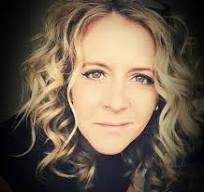
Aoifinn Devitt: This Pride series in 2025 is kindly supported by Latimer Partners LLC. Our next guest is CEO of Oasis Domestic Abuse Service, and she came to my attention when she posted a poignant post on LinkedIn about Lesbian Visibility Week and her family life with her partner. Tune in to hear from her about her upbringing, why Lesbian Visibility Week remains so deeply personal, and why she is so optimistic about the evolving state of employers. I’m Aoifinn Devitt, and welcome to this 50 Faces focus series in which we are celebrating LGBTQ+ professionals in a special series for Pride Month 2025. I’m joined today by Clare Williams, who is CEO of Oasis Domestic Abuse Service, and she has spent most of her career in the charity sector. We got to know each other over LinkedIn when I responded to her popular LinkedIn post about Lesbian Visibility Week. In which she described her life with her partner and their 6 children and the changing climate and political backdrop. Welcome, Clara. Thanks for joining me today.
Claire Williams: Thanks ever so much. I’m really excited to be here, so thank you for inviting me.
Aoifinn Devitt: Well, before we get to that LinkedIn post and the reaction you got, could you just talk us a little bit through your background? Where did you grow up and what were your early interests?
Claire Williams: Yeah, of course. So I know it’s probably a bit of a cliché for a lesbian to say this, but I grew up in a little seaside town of Whitstable which many lesbians will probably recognise from the very famous Sarah Waters novel, Tipping the Velvet. So yes, maybe I was kind of destined for a bit of drama and rebellion from the start. I grew up on a council estate at the time, and I always thought that my childhood was kind of great, really. I played lots of sports, I was absolutely obsessed with music, and I mean obsessed with music and movies. And I learned to play the guitar very badly. And spending time outside really with friends, socializing. And I was a very competitive young person, probably still am if I’m honest. And I, I just loved experiencing things. I’d give anything a go. But I guess now that I’m older and I have children of my own, all 6 of them, which you touched on. I think very differently, and my family often back then didn’t know where I was half the time. I had no mobile phone back then. I was out until stupid o’clock and only went home when I was hungry. So from a parenting perspective, I look at that and I think, God, is that okay? And actually, no, it isn’t. And I found myself in quite unsafe situations or places that just weren’t suitable for a child, and I just shouldn’t have been there, full stop. There must have been kind of poverty around me, but I didn’t always recognize it back then. But my eyes were very much open to things like people drinking a lot of alcohol and using other substances at a young age, and I was never really interested in trying any of those things. I wanted a job, I wanted a car, I had aspirations, but I would have been in a position where I could have easily used those things and I could have potentially gone down a very different path had I have done. And I suppose looking back, I used to hang around with a really large group of people. There were about 20 of us who all grew up together. But when I think back, very few of those people from that group had actually, like, turned out okay. They had positive futures, and several never even had the chance to begin one, if I’m honest. And what I didn’t appreciate until now is that even though I wasn’t taking part in that activity, people looking from the outside would have tarred me with the same brush and made those assumptions, which makes me realize that actually you can just— you can never judge a book by its cover. I was a child who kind of struggled to learn in a classroom environment. I never made a full week at school. I, I absolutely hated it. And when I left school, I was 16. I completed my GCSEs, but I didn’t get any decent grades. I got a B in art, and you know, what the hell was that going to get me? So all I wanted to do really was work, and I was never afraid of hard work. So I’m what you would kind of call a bit of a grafter. I’ve worked in factories, supermarkets, care homes. I’ve worked in a family-run sandwich bar. I do actually make a cracking BLT also. And then when I reached 23, I finally came out about my sexuality, and I, I wanted to change. I wanted more for my life. I wanted more for my son at that time. And I, I reached a bit of a crossroads when it came to my career and some of my life choices as well.
Aoifinn Devitt: That’s a wonderful story, and I thank you for sharing that. And as you were describing it, I was thinking of your current work with Oasis and how much some of your lived experience must help with with the empathy and with understanding some of the situations your clients or the stakeholders you serve. And that is a remarkable story. And then you said it’s interesting also that focus on hard work and how that was a strand that came through your life. How did then the charity sector make itself known to you? Why was that somewhere you found you wanted to be working and add value in?
Claire Williams: Well, I’ve kind of watered this down a little bit because I found my way into the charity sector by complete and utter fluke. I was out one night with friends and I ended up talking to a wonderful woman about her job and her background and what she was doing, and she was telling me about how she worked with young people in a homeless hostel and was explaining how she taught them life skills to live independently. And the one thing that really struck me about her was her absolute passion for this job, and it really kind of got me excited. It got the hairs kind of stood up on the back of my neck and I didn’t even know that jobs like this existed, really. And I asked her to keep me in mind if anything came up and became available. Not for one minute did I expect that she would remember me after a few drinks in, if I’m honest. But she did remember me. And a few weeks later, she called me up and told me about this job that was available. And I was in absolute shock that she even remembered me. So it was a real opportunity for me to sort of grab it with both hands. So I applied for the job. I’ve got to be honest, I had absolutely no experience whatsoever of the charity sector, of homelessness, or anything like that. And I was very lucky that this amazing organisation gave me a chance. And like I said, I took it. So I started in this organisation, it was a homeless organisation, as an occasional worker. They just called me up as and when they needed help, like for short staff, and if they were short staffed with sickness or holidays. So I just took every shift that was offered to me, every opportunity to just learn every aspect of the role. And, and I was a bit like a sponge, I guess. I just absorbed everything that they could teach me. I also went back to education in the evenings to retake my GCSEs. I continued to study further education to develop sort of management leadership qualifications. And slowly but surely, I worked my way through frontline roles into management and leadership positions within this organisation. And, and I will be forever grateful for the knowledge and opportunities that they gave me.
Aoifinn Devitt: So can you tell us about the work you do at Oasis?
Claire Williams: Yeah, of course. So I’m now the CEO of Oasis Domestic Abuse Service. We are a charity who is dedicated to supporting individuals and families affected by domestic abuse. We have provided refuge and support services for over 30 years, and we have a wide range of different services including safe accommodation, dedicated helpline, outreach services, high-risk services, and specialist children and young people services as well. We support individuals of all genders and backgrounds, and our focus is very much trauma-informed, person-centered support that doesn’t just respond to kind of crisis but helps people to rebuild their lives. And I think what sets us apart is our infrastructure. We’ve got dedicated teams for safeguarding, quality, training, data, and a lot more, which helps us keep standards high and respond quickly when needs change. And we also work very closely with partners like the police, health, education, and social care to make sure that people get the wraparound support that they need.
Aoifinn Devitt: And just a quick question about the use of your services. If you were to kind of plot the, I suppose, the need for the services, the incidence of abuse, Is this something that’s fairly stable, or do you see it as growing currently?
Claire Williams: It’s awful, isn’t it? Because you don’t want a charity like ours to exist in the first place, but because domestic abuse is now— people are becoming very, very aware of what DA is, of course that does increase the referrals, that increases the need. And we saw significant increases over COVID, people becoming sort of locked behind closed doors with that perpetrator in very unsafe environments and situations. And so from that point, it’s just been a kind of steady growth of new referrals because the awareness of it is just out there and it’s far greater, and so it should be. But with that awareness, obviously the need far outweighs what is available to them, which is one of our biggest issues when it comes to funding.
Aoifinn Devitt: And before we move on to talk about LGBT inclusion, which is obviously the key focus of this podcast, I’m quite interested in some of the work you do in the charity sector because I think it’s the work with marginalized communities sometimes that kind of gives us— I’ve mentioned the word empathy before— because often, you know, it is about inclusion. Would you say that there is anything about whether the homeless population or the people you work with at Oasis that most of us misunderstand or don’t appreciate by not being in the sector, that what has being in the sector kind of taught you perhaps that we don’t know?
Claire Williams: You know, I’ve worked in homeless services for 18 years, and during that time I saw just how complex homelessness actually is. Many people in this situation are dealing with sort of co-occurring conditions, mental health issues, substance misuse, and often unresolved trauma. And often that trauma goes all the way back to childhood, including abuse or witnessing domestic abuse. And that’s why a joined-up, trauma-informed approach matters so much. So, something that really struck me was the number of young people I worked with who identified as LGBT+ at that one point as well. I managed a hostel for 9 young people, and at one moment in time, 7, 7 of those young people identified as LGBT+. Now, that’s not coincidence. It says a lot about rejection, discrimination, and trauma in families and communities that push young LGBT people back into homelessness. It’s something that we have to talk about. And that realisation gave me the evidence I needed to show that more support was urgently required for LGBT young people. And so I approached an amazing Commissioner and asked for her backing to pilot a dedicated support service for young people identifying as LGBT+. And I think, you know, she just took absolute pity on me and probably just wanted to shut me up. So she said yes to giving me this opportunity to run this pilot. And within a few weeks of running it, it was such a huge success in a very short space of time. The numbers of young people accessing the service spoke for themselves. And the commissioner could see just how much that service was needed and the outcomes from that. And now, thanks to that success, the service now operates across the whole county of Kent and Medway and has supported thousands of young people over the last few years.
Aoifinn Devitt: That’s extraordinary, and it reminds me, we’ve had many guests on this podcast that have worked with other segments of the LGBT+ community, say the elder segment It’s interesting how the youth, the elders, there are ways to push in and ensure better inclusion at every level. But extraordinary work that you’ve done there. And I’d like to now move to the focus of how we got— we met each other on LinkedIn and the post you made. Can you just tell us a little bit about that post that you posted? Lesbian Visibility Week and that it comes around. I think I ever say to come around again and a little bit about your own story.
Speaker C: I started working in factories when I left school in 1996. I’d have been 16 years old. I already knew at that stage that I was gay. I knew from the age of 4 that I was definitely identified as a lesbian, but I didn’t feel comfortable coming out at that stage. It just wasn’t talked about, not in a professional sense or personally, and I wasn’t even out to my family, so coming out at work, that would have been impossible. And later on, I moved from that factory to another, which was an all-male factory. I was the only woman. All of the other women worked in the offices, and the two just didn’t mix. And, well, there I had to deal with constant— and when I say constant, I mean constant— sexual innuendos and inappropriate behavior, touching. And at that time, the guys only— they meant it in jest and jokingly, but God, you know, it was awful. It was awful. And I made a pretty strong stock, and I’ve got what I would class as a good sense of humour, but when I think back to those times, it was just too much. And also, if somebody else was in that situation, they were a bit more vulnerable, I dread to think how they would have coped. They wouldn’t have coped. They most definitely wouldn’t have, because it was such a tense and just inappropriate setting. And when you think back, I was 17. I was a kid. So You know, it just wasn’t okay. And had I come out in that kind of workplace, I mean, God, it would have just made me more of a target. So I definitely, definitely stayed quiet when I was there. And things have changed a lot since then. Now we’ve got proper policies, support systems, things like shared parental leave, we’ve got Pride networks. I mean, the list is endless, isn’t it? And not all providers of services or companies do those things well, but we are a lot further forward than what we ever have been before. We just hope that it doesn’t go back, but, you know, those kinds of things like Pride networks and parental leave, they just didn’t exist back then. And so it is a very different landscape, and that progress really does matter. We can’t lose that.
Aoifinn Devitt: Can you paint a picture for how well LGBT professionals were included at the beginning of your career? And how has this changed over the course of your career? Do you think we’ll still have work to do to create more inclusive environments, for example, and what kind of initiatives have you found work best?
Speaker C: But I guess for me, everything kind of shifted when I started working for myself in a family-run business, and all of a sudden I could just be myself. I could be open without fear. I was working with my sisters, they knew who I was, I was out to them at this time, and, and actually I could just be my true authentic self. I didn’t have to hide that part of myself, and that was a massive, huge relief for me. And so by the time I moved into the charity sector, I was already out. I was well ahead of this. And at that time, I was in a position where I could educate that setting, I could educate my colleagues, I could work with the clients around around their sexuality, and so therefore I was in a position to help shape their policies, shape their practices, making sure that they were inclusive. And I guess I kind of got them ahead of the game back then. That’s what I really love, and I really love this about the voluntary sector. There’s a real appetite to learn and improve, and that workplace, the people that you work with, they’re open. They listen, and they genuinely want to do better. And you’re not pushing against closed doors, which I imagine you could be in other companies, other areas. And that’s just, it’s not the case in all of those areas, and that’s really sad. That’s really sad, and there is more work to be done there. People need to be open to creating those environments where people can be themselves and be safe.
Aoifinn Devitt: And why is Lesbian Visibility Week particularly important?
Claire Williams: So, the Lesbian Visibility Week is quite important to me, actually, and it’s very personal. As a kid, I didn’t know a single lesbian, and yet from the age of about 4, I knew that I was a lesbian, or I knew that I was very different. And I remember thinking, God, why do all ladies have boyfriends and husbands? You know, I even looked at my own family setting and I looked at my sisters and my mum and I thought, well, why do they all have boyfriends? And husbands, you know. I don’t want a husband when I’m older. I would like a wife. But I also knew that it wasn’t something you would openly talk about because people just didn’t voice those things when I was a kid. And then at 12, I had a Saturday job, believe it or not, in a video shop. It was the best job in the world, watching videos all day and disturbing customers, especially when you’re obsessed with movies. And literally across the street lived a lesbian couple and that absolutely changed everything for me. I remember seeing them and thinking, oh wow, it’s real, it exists, I’m not the only one. And these women didn’t even know me, but their existence just gave me such hope and really changed the way that I thought. And I suppose that’s why visibility matters. I want to be someone else’s hope. Because just being your true authentic self can give someone else the courage to do the same. Recently, I was at a concert with my partner, and we were stood next to a very young lesbian couple who were there with our parents, who looked very, very cautious, barely looking at each other, no eye contact or anything like that. And a few songs in, they saw me and my partner being affectionate to one another, and then they quickly started to hold hands, and even saw that, you know, I even saw their parents kind of smile because they were pleased that that embrace had happened, that they had got that confidence. And I think that’s what it’s all about. But being visible also means about facing comments and assumptions, some of which still shocked me. I mean, I think back over the years of some of the situations that I’ve been in, I think, God, I went to the GPs when I was pregnant and My GP made a remark and said, you know, “Why are you a lesbian? Penis isn’t that bad, is it?” Or I’ve been told things like, “Well, we don’t get funding for you people,” when we were looking for advice around IVF. “No, we don’t get funding for you people.” Or I’ve been reassured by things like, “Oh, you’re just like a normal family,” as if that’s meant to be kind of comforting. I’m not the kind of person who gets easily offended, and I don’t think everyone who says these things means harm. Not all of it is all malicious, but it still needs to be challenged because if we don’t speak up, nothing changes. The progress we’ve seen has come from visibility, from Pride, from healthy challenge, and that challenge has to continue because equality isn’t a given. And we have to keep pushing forward with that. I always say this, my staff probably hate me saying it, but if we all kind of hide in the shadows, that’s where we’ll always stay. But if we stay visible, stay vocal, and stay proud, that’s how we make space for the next generation to thrive. And I see so many steps forward with that next generation already. It’s amazing. It’s just making sure that we don’t go backwards. Now?
Aoifinn Devitt: It’s funny because the last time I just specifically discussed Lesbian Visibility Week was actually 4 years ago, 2021, and I’m not sure how much has changed since then. There’s still obviously the week, there’s still a need for it. Maybe some of the pushback against other members of the LGBT community has been damaging to that visibility because it’s taken— maybe people are lying low and not presenting role models. I think one of the best ways of ensuring visibility is, A, doing what you’re doing and being on LinkedIn and doing this podcast, but also sometimes celebrities and high-profile people being more open, and that’s why we try to showcase them. But it is, I suppose, a pity that we still need a Lesbian Visibility Week when there isn’t a similar for gay men. But thank you for doing what you’re doing, and I do think that that role modeling is so critical. When it comes to— you mentioned some of these comments, and clearly we’re not where we need to be in terms of full acceptance and inclusion. How would you say in the professional world being a member of the LGBT community has affected you or hasn’t?
Claire Williams: So I guess every workplace is different and it’s shaped by different values. I don’t know, as an example, my partner works for a company with incredible benefits. They have something called communities of belonging, pride events, egg freezing. Their policies are, you know, incredible. And what they have available. Like, the list just goes on. I suppose smaller organisations, including, you know, my own charity as an example, we don’t always have the budgets for that kind of extra support to go the extra mile. So we have to think a lot more creatively instead around how we support our workforce and those accessing our services. That said, some organisations or companies They still don’t even have basic EDI policies in place. And that’s where I guess the real work begins. But inclusion, it isn’t just about policies, it’s about culture. People need to see it in action and who’s getting promoted, who’s being heard, who’s in the room. And I guess that’s when inclusion starts to become real. Personally, I can think of nothing worse than writing a policy just to tick a box. My teams are my absolute biggest asset, and that’s true of every organisation and company. So instead of treating people as, you know, a disposable diversity process, we should be striving for better practice, full stop, like just better practice. And changing culture is one of the hardest things to do, and that’s why It has to be a shared effort and a commitment. Policies and values have to be valued. They have to be lived and breathed by everyone. Workplaces need to be safe spaces where voices are captured and heard and also acted on. And we need to think about inclusion long before recruitment. You know, by the time someone joins your team and reads your values, reads your policies, is being inducted, you’ve already kind of missed a trick. People should know who you are, know what you stand for before they even apply. It’s about how you externally get that across as well and being visible.
Aoifinn Devitt: I love those ideas. That certainly culture is key. And now that we’re releasing this in June, uh, it’s Pride Month, what can allies across different workplaces do? What what are the little gestures that you think make a difference? Is it about the rainbow lanyard, the, the rainbow flag on your desk, going to a Pride parade, or just kind of a sign of allyship? Anything that you found has particularly made a difference to you or to your friends and colleagues?
Claire Williams: Well, do you know, I think it’s all of those things. I think people underestimate the power of wearing that badge, that flag. I’ll use an example. I worked with a young girl once who was housed in a homeless accommodation, and she came to my service and said that she was ultimately made homeless again because the people who ran that place were homophobic and caused her nothing but grief and bullying. And so she felt safer to be on the streets than in that accommodation, which is actually the accommodation that should keep you safe. And when she came to my project for an interview for housing, she said the first thing she picked up on was the fact that two members of the staff, including myself, was openly gay, and that as she walked through the front door, there were posters in celebration. And we asked the question about how somebody identified, and she said those tiny little things made her feel safe to the extent where she felt she could be her own authentic self. And I think that’s key, isn’t it? Nobody even realizes the difference a poster can make, but it’s all of those little gestures that make such a significant change.
Aoifinn Devitt: Couldn’t agree more. So thanks for the reminder, especially if people think, oh, I won’t bother this year, or everyone knows it always matters. So thanks for that reminder. I’d love to return to some personal reflections now. So we’ve talked a bit about your career and how you ended up in the charity sector. Were there any any particular highs or lows there so far that you can talk about?
Claire Williams: Gosh, yeah, there’s quite a few actually. I think one of the hardest parts of my early working life was dealing with sexual harassment and innuendos, that kind of stuff. I mean, when I think back to those days, I was just 17, still a kid really, working in an environment where inappropriate comments and unwanted sort of touching were brushed off as normal. And I guess I was kind of, I don’t wanna say the word lucky, but I look back and I guess I felt more lucky at that time that I was strong enough to kind of push through those times. But it makes me think about how someone more vulnerable might have coped. And, you know, we’re just working in different times and that kind of behavior should just never have been acceptable. And it still needs calling out today. And then on the other side, I guess the high points has been building a career in the charity sector from the ground up. So I left school without any GCSEs, and I’ve always been open about my sexuality, which hasn’t always been easy or straightforward, but I’ve worked at every level from from frontline roles to leadership. And I think by doing that, it’s kept me really grounded. And I know, like, the value of every role in a team. And I often say that if one cog breaks, the whole clock stops. And I’m proud. I’m proud of what I’ve achieved, not in spite of the challenges, but because of them, I guess. Every kind of tough experience has shaped how I lead, how I listen, how I support others, how I work with others. And I don’t always get it right. I mean, who does? But I do my absolute utmost to learn from everything that I do, and I reflect on all of my practices.
Aoifinn Devitt: And speaking of teams and every cog needing to work, have there been any people on your team— and not necessarily your work team, your life’s team— that have had a particular impression on new or been pivotal in your life?
Claire Williams: Yes, it’s a really difficult question because you have to try and think of these, you know, few handfuls of people that have kind of inspired me. And I suppose when I think of this question, I’ve worked with so many people, including in my personal life as well, who’ve inspired me. Each of them have their own kind of strengths, but I suppose what’s inspired me most is seeing people grow and being part of that as well, like watching someone evolve in front of you is an absolute privilege. I can use an example of one person I remember working with, was a young man that I, I worked with who had a background kind of similar to mine, I guess. He’d had a bit of a tough start in life, unsure of where he was going, what he was going to do, what he was good at. And at the time, we helped him get a job in a hotel kitchen and something kind of just clicked with him when he went to work in, in that kitchen. And from there, his life just took off. He took up every opportunity available to him through that work placement. They sent him to work in Michelin-star restaurants in Europe. He entered competition after competition after competition, and he won them all. He literally traveled the world entering these competitions. And fast forward 20 years, and he is now in a top role at a 5-star department store in London. And I just think that’s my inspiration, like kind of watching him thrive, knowing where he was at the beginning and seeing him now, that kind of reminds me why I do this work. And it, again, it keeps me grounded. And I think back to team members that I’ve worked with and I’ve seen them progress I’ve seen them develop, I’ve seen them go into leadership roles or start families, and I think just to be part of those individuals’ pathways and futures is just incredible.
Aoifinn Devitt: Well, those are some wonderful shoutouts there, I think, and a reminder of just the sheer grit that is involved in making a life and, and that, that needs respect at every time. The last question is any words of wisdom or creed or motto you might have for us, or anything you would say to your younger self, that young 16-year-old leaving school, maybe steering clear of temptation and trouble?
Claire Williams: Yes. So I suppose, like, thinking about my background as well, I sadly lost one of my best friends at a very young age. I was 9, she was 11. And I also lost other friends along that journey in teenage years as well. And I suppose those experiences and those losses they kind of shaped how I live my life today, even though I didn’t really realize it at the time. But they taught me not to kind of take anything for granted, especially things like your health and your happiness. So I try to make the most of every opportunity that whenever we don’t have our 6 children, we go traveling quite a bit and go away for weekends. And I remind myself that age happens, doesn’t it? We see the gray hairs kind of covering your head or getting the dye on your hair, kind of reminds myself that age is a privilege and not everyone gets the chance to grow older. I live with that sense of gratitude every day. So I do get days where I struggle to drag my ass out of bed. Of course I do. But I’m also grateful to be getting up at the same time. And I kind of, if I could go back to my younger self, I would tell myself that everything would be okay. Stop worrying so much. Stop holding yourself back. When I was younger, and I suppose because of my sexuality, I really struggled. Like, struggled with my identity so much. I felt feminine inside, but I didn’t really know where I fitted, you know. I, I didn’t feel comfortable enough to wear dresses because I didn’t particularly walk that femininely. And if I did wear a dress, I felt stupid. I felt too masculine. I never felt comfortable in my own skin. Now that I’m older, quite frankly, I couldn’t give two hoots what I look like now. But it’s taken me years, years to be comfortable with who I am. And I wish, I wish I realized that sooner, that just being you is actually more than enough. And I would tell anybody exactly the same. Thing as well.
Aoifinn Devitt: I think that’s one of the well-kept secrets of getting older, is that growing into your own skin, that is actually a huge plus among the many negatives that there— that’s a huge plus. And I think it’s hard to convey that. Maybe it only comes with age. Well, thank you so much, Clare. We have yet to meet in person though, although I know we will.
Claire Williams: Your—
Aoifinn Devitt: the sheer energy that comes from your profile on LinkedIn, from the whole content on this podcast, it is because you are your authentic self to every, every last bone of your body, I feel. And, and that energy is incredibly empowering to those of us who listen to you because I think it encourages us to be our own selves as well. And thank you for coming here. I do not know how you have the capacity to not only have your 6 children but also be so caring about the people you work with and carry that through their trajectory. And not only the people you work with, but your community as a whole. Because that’s what your post was about and that’s why your concern for Lesbian Visibility Week is there and why you’re, you’re doing this. So thank you so much for coming here, for your advocacy, and for sharing your insights with us.
Claire Williams: Thank you very much, and thanks for your kind words. That means a lot.
Aoifinn Devitt: I’m Aoifinn Devitt. Thank you for listening to our 50 Faces Focus Series. If you liked what you heard and would like to tune in to hear more inspiring professionals and their stories, please subscribe on Apple Podcasts or wherever you get your podcasts. This podcast is for informational purposes only and should not be construed as investment advice, and all views are personal and should not be attributed to the organizations and affiliations of the host or any guest.
Aoifinn Devitt: This Pride series in 2025 is kindly supported by Latimer Partners LLC. Our next guest is CEO of Oasis Domestic Abuse Service, and she came to my attention when she posted a poignant post on LinkedIn about Lesbian Visibility Week and her family life with her partner. Tune in to hear from her about her upbringing, why Lesbian Visibility Week remains so deeply personal, and why she is so optimistic about the evolving state of employers. I’m Aoifinn Devitt, and welcome to this 50 Faces focus series in which we are celebrating LGBTQ+ professionals in a special series for Pride Month 2025. I’m joined today by Clare Williams, who is CEO of Oasis Domestic Abuse Service, and she has spent most of her career in the charity sector. We got to know each other over LinkedIn when I responded to her popular LinkedIn post about Lesbian Visibility Week. In which she described her life with her partner and their 6 children and the changing climate and political backdrop. Welcome, Clara. Thanks for joining me today.
Claire Williams: Thanks ever so much. I’m really excited to be here, so thank you for inviting me.
Aoifinn Devitt: Well, before we get to that LinkedIn post and the reaction you got, could you just talk us a little bit through your background? Where did you grow up and what were your early interests?
Claire Williams: Yeah, of course. So I know it’s probably a bit of a cliché for a lesbian to say this, but I grew up in a little seaside town of Whitstable which many lesbians will probably recognise from the very famous Sarah Waters novel, Tipping the Velvet. So yes, maybe I was kind of destined for a bit of drama and rebellion from the start. I grew up on a council estate at the time, and I always thought that my childhood was kind of great, really. I played lots of sports, I was absolutely obsessed with music, and I mean obsessed with music and movies. And I learned to play the guitar very badly. And spending time outside really with friends, socializing. And I was a very competitive young person, probably still am if I’m honest. And I, I just loved experiencing things. I’d give anything a go. But I guess now that I’m older and I have children of my own, all 6 of them, which you touched on. I think very differently, and my family often back then didn’t know where I was half the time. I had no mobile phone back then. I was out until stupid o’clock and only went home when I was hungry. So from a parenting perspective, I look at that and I think, God, is that okay? And actually, no, it isn’t. And I found myself in quite unsafe situations or places that just weren’t suitable for a child, and I just shouldn’t have been there, full stop. There must have been kind of poverty around me, but I didn’t always recognize it back then. But my eyes were very much open to things like people drinking a lot of alcohol and using other substances at a young age, and I was never really interested in trying any of those things. I wanted a job, I wanted a car, I had aspirations, but I would have been in a position where I could have easily used those things and I could have potentially gone down a very different path had I have done. And I suppose looking back, I used to hang around with a really large group of people. There were about 20 of us who all grew up together. But when I think back, very few of those people from that group had actually, like, turned out okay. They had positive futures, and several never even had the chance to begin one, if I’m honest. And what I didn’t appreciate until now is that even though I wasn’t taking part in that activity, people looking from the outside would have tarred me with the same brush and made those assumptions, which makes me realize that actually you can just— you can never judge a book by its cover. I was a child who kind of struggled to learn in a classroom environment. I never made a full week at school. I, I absolutely hated it. And when I left school, I was 16. I completed my GCSEs, but I didn’t get any decent grades. I got a B in art, and you know, what the hell was that going to get me? So all I wanted to do really was work, and I was never afraid of hard work. So I’m what you would kind of call a bit of a grafter. I’ve worked in factories, supermarkets, care homes. I’ve worked in a family-run sandwich bar. I do actually make a cracking BLT also. And then when I reached 23, I finally came out about my sexuality, and I, I wanted to change. I wanted more for my life. I wanted more for my son at that time. And I, I reached a bit of a crossroads when it came to my career and some of my life choices as well.
Aoifinn Devitt: That’s a wonderful story, and I thank you for sharing that. And as you were describing it, I was thinking of your current work with Oasis and how much some of your lived experience must help with with the empathy and with understanding some of the situations your clients or the stakeholders you serve. And that is a remarkable story. And then you said it’s interesting also that focus on hard work and how that was a strand that came through your life. How did then the charity sector make itself known to you? Why was that somewhere you found you wanted to be working and add value in?
Claire Williams: Well, I’ve kind of watered this down a little bit because I found my way into the charity sector by complete and utter fluke. I was out one night with friends and I ended up talking to a wonderful woman about her job and her background and what she was doing, and she was telling me about how she worked with young people in a homeless hostel and was explaining how she taught them life skills to live independently. And the one thing that really struck me about her was her absolute passion for this job, and it really kind of got me excited. It got the hairs kind of stood up on the back of my neck and I didn’t even know that jobs like this existed, really. And I asked her to keep me in mind if anything came up and became available. Not for one minute did I expect that she would remember me after a few drinks in, if I’m honest. But she did remember me. And a few weeks later, she called me up and told me about this job that was available. And I was in absolute shock that she even remembered me. So it was a real opportunity for me to sort of grab it with both hands. So I applied for the job. I’ve got to be honest, I had absolutely no experience whatsoever of the charity sector, of homelessness, or anything like that. And I was very lucky that this amazing organisation gave me a chance. And like I said, I took it. So I started in this organisation, it was a homeless organisation, as an occasional worker. They just called me up as and when they needed help, like for short staff, and if they were short staffed with sickness or holidays. So I just took every shift that was offered to me, every opportunity to just learn every aspect of the role. And, and I was a bit like a sponge, I guess. I just absorbed everything that they could teach me. I also went back to education in the evenings to retake my GCSEs. I continued to study further education to develop sort of management leadership qualifications. And slowly but surely, I worked my way through frontline roles into management and leadership positions within this organisation. And, and I will be forever grateful for the knowledge and opportunities that they gave me.
Aoifinn Devitt: So can you tell us about the work you do at Oasis?
Claire Williams: Yeah, of course. So I’m now the CEO of Oasis Domestic Abuse Service. We are a charity who is dedicated to supporting individuals and families affected by domestic abuse. We have provided refuge and support services for over 30 years, and we have a wide range of different services including safe accommodation, dedicated helpline, outreach services, high-risk services, and specialist children and young people services as well. We support individuals of all genders and backgrounds, and our focus is very much trauma-informed, person-centered support that doesn’t just respond to kind of crisis but helps people to rebuild their lives. And I think what sets us apart is our infrastructure. We’ve got dedicated teams for safeguarding, quality, training, data, and a lot more, which helps us keep standards high and respond quickly when needs change. And we also work very closely with partners like the police, health, education, and social care to make sure that people get the wraparound support that they need.
Aoifinn Devitt: And just a quick question about the use of your services. If you were to kind of plot the, I suppose, the need for the services, the incidence of abuse, Is this something that’s fairly stable, or do you see it as growing currently?
Claire Williams: It’s awful, isn’t it? Because you don’t want a charity like ours to exist in the first place, but because domestic abuse is now— people are becoming very, very aware of what DA is, of course that does increase the referrals, that increases the need. And we saw significant increases over COVID, people becoming sort of locked behind closed doors with that perpetrator in very unsafe environments and situations. And so from that point, it’s just been a kind of steady growth of new referrals because the awareness of it is just out there and it’s far greater, and so it should be. But with that awareness, obviously the need far outweighs what is available to them, which is one of our biggest issues when it comes to funding.
Aoifinn Devitt: And before we move on to talk about LGBT inclusion, which is obviously the key focus of this podcast, I’m quite interested in some of the work you do in the charity sector because I think it’s the work with marginalized communities sometimes that kind of gives us— I’ve mentioned the word empathy before— because often, you know, it is about inclusion. Would you say that there is anything about whether the homeless population or the people you work with at Oasis that most of us misunderstand or don’t appreciate by not being in the sector, that what has being in the sector kind of taught you perhaps that we don’t know?
Claire Williams: You know, I’ve worked in homeless services for 18 years, and during that time I saw just how complex homelessness actually is. Many people in this situation are dealing with sort of co-occurring conditions, mental health issues, substance misuse, and often unresolved trauma. And often that trauma goes all the way back to childhood, including abuse or witnessing domestic abuse. And that’s why a joined-up, trauma-informed approach matters so much. So, something that really struck me was the number of young people I worked with who identified as LGBT+ at that one point as well. I managed a hostel for 9 young people, and at one moment in time, 7, 7 of those young people identified as LGBT+. Now, that’s not coincidence. It says a lot about rejection, discrimination, and trauma in families and communities that push young LGBT people back into homelessness. It’s something that we have to talk about. And that realisation gave me the evidence I needed to show that more support was urgently required for LGBT young people. And so I approached an amazing Commissioner and asked for her backing to pilot a dedicated support service for young people identifying as LGBT+. And I think, you know, she just took absolute pity on me and probably just wanted to shut me up. So she said yes to giving me this opportunity to run this pilot. And within a few weeks of running it, it was such a huge success in a very short space of time. The numbers of young people accessing the service spoke for themselves. And the commissioner could see just how much that service was needed and the outcomes from that. And now, thanks to that success, the service now operates across the whole county of Kent and Medway and has supported thousands of young people over the last few years.
Aoifinn Devitt: That’s extraordinary, and it reminds me, we’ve had many guests on this podcast that have worked with other segments of the LGBT+ community, say the elder segment It’s interesting how the youth, the elders, there are ways to push in and ensure better inclusion at every level. But extraordinary work that you’ve done there. And I’d like to now move to the focus of how we got— we met each other on LinkedIn and the post you made. Can you just tell us a little bit about that post that you posted? Lesbian Visibility Week and that it comes around. I think I ever say to come around again and a little bit about your own story.
Speaker C: I started working in factories when I left school in 1996. I’d have been 16 years old. I already knew at that stage that I was gay. I knew from the age of 4 that I was definitely identified as a lesbian, but I didn’t feel comfortable coming out at that stage. It just wasn’t talked about, not in a professional sense or personally, and I wasn’t even out to my family, so coming out at work, that would have been impossible. And later on, I moved from that factory to another, which was an all-male factory. I was the only woman. All of the other women worked in the offices, and the two just didn’t mix. And, well, there I had to deal with constant— and when I say constant, I mean constant— sexual innuendos and inappropriate behavior, touching. And at that time, the guys only— they meant it in jest and jokingly, but God, you know, it was awful. It was awful. And I made a pretty strong stock, and I’ve got what I would class as a good sense of humour, but when I think back to those times, it was just too much. And also, if somebody else was in that situation, they were a bit more vulnerable, I dread to think how they would have coped. They wouldn’t have coped. They most definitely wouldn’t have, because it was such a tense and just inappropriate setting. And when you think back, I was 17. I was a kid. So You know, it just wasn’t okay. And had I come out in that kind of workplace, I mean, God, it would have just made me more of a target. So I definitely, definitely stayed quiet when I was there. And things have changed a lot since then. Now we’ve got proper policies, support systems, things like shared parental leave, we’ve got Pride networks. I mean, the list is endless, isn’t it? And not all providers of services or companies do those things well, but we are a lot further forward than what we ever have been before. We just hope that it doesn’t go back, but, you know, those kinds of things like Pride networks and parental leave, they just didn’t exist back then. And so it is a very different landscape, and that progress really does matter. We can’t lose that.
Aoifinn Devitt: Can you paint a picture for how well LGBT professionals were included at the beginning of your career? And how has this changed over the course of your career? Do you think we’ll still have work to do to create more inclusive environments, for example, and what kind of initiatives have you found work best?
Speaker C: But I guess for me, everything kind of shifted when I started working for myself in a family-run business, and all of a sudden I could just be myself. I could be open without fear. I was working with my sisters, they knew who I was, I was out to them at this time, and, and actually I could just be my true authentic self. I didn’t have to hide that part of myself, and that was a massive, huge relief for me. And so by the time I moved into the charity sector, I was already out. I was well ahead of this. And at that time, I was in a position where I could educate that setting, I could educate my colleagues, I could work with the clients around around their sexuality, and so therefore I was in a position to help shape their policies, shape their practices, making sure that they were inclusive. And I guess I kind of got them ahead of the game back then. That’s what I really love, and I really love this about the voluntary sector. There’s a real appetite to learn and improve, and that workplace, the people that you work with, they’re open. They listen, and they genuinely want to do better. And you’re not pushing against closed doors, which I imagine you could be in other companies, other areas. And that’s just, it’s not the case in all of those areas, and that’s really sad. That’s really sad, and there is more work to be done there. People need to be open to creating those environments where people can be themselves and be safe.
Aoifinn Devitt: And why is Lesbian Visibility Week particularly important?
Claire Williams: So, the Lesbian Visibility Week is quite important to me, actually, and it’s very personal. As a kid, I didn’t know a single lesbian, and yet from the age of about 4, I knew that I was a lesbian, or I knew that I was very different. And I remember thinking, God, why do all ladies have boyfriends and husbands? You know, I even looked at my own family setting and I looked at my sisters and my mum and I thought, well, why do they all have boyfriends? And husbands, you know. I don’t want a husband when I’m older. I would like a wife. But I also knew that it wasn’t something you would openly talk about because people just didn’t voice those things when I was a kid. And then at 12, I had a Saturday job, believe it or not, in a video shop. It was the best job in the world, watching videos all day and disturbing customers, especially when you’re obsessed with movies. And literally across the street lived a lesbian couple and that absolutely changed everything for me. I remember seeing them and thinking, oh wow, it’s real, it exists, I’m not the only one. And these women didn’t even know me, but their existence just gave me such hope and really changed the way that I thought. And I suppose that’s why visibility matters. I want to be someone else’s hope. Because just being your true authentic self can give someone else the courage to do the same. Recently, I was at a concert with my partner, and we were stood next to a very young lesbian couple who were there with our parents, who looked very, very cautious, barely looking at each other, no eye contact or anything like that. And a few songs in, they saw me and my partner being affectionate to one another, and then they quickly started to hold hands, and even saw that, you know, I even saw their parents kind of smile because they were pleased that that embrace had happened, that they had got that confidence. And I think that’s what it’s all about. But being visible also means about facing comments and assumptions, some of which still shocked me. I mean, I think back over the years of some of the situations that I’ve been in, I think, God, I went to the GPs when I was pregnant and My GP made a remark and said, you know, “Why are you a lesbian? Penis isn’t that bad, is it?” Or I’ve been told things like, “Well, we don’t get funding for you people,” when we were looking for advice around IVF. “No, we don’t get funding for you people.” Or I’ve been reassured by things like, “Oh, you’re just like a normal family,” as if that’s meant to be kind of comforting. I’m not the kind of person who gets easily offended, and I don’t think everyone who says these things means harm. Not all of it is all malicious, but it still needs to be challenged because if we don’t speak up, nothing changes. The progress we’ve seen has come from visibility, from Pride, from healthy challenge, and that challenge has to continue because equality isn’t a given. And we have to keep pushing forward with that. I always say this, my staff probably hate me saying it, but if we all kind of hide in the shadows, that’s where we’ll always stay. But if we stay visible, stay vocal, and stay proud, that’s how we make space for the next generation to thrive. And I see so many steps forward with that next generation already. It’s amazing. It’s just making sure that we don’t go backwards. Now?
Aoifinn Devitt: It’s funny because the last time I just specifically discussed Lesbian Visibility Week was actually 4 years ago, 2021, and I’m not sure how much has changed since then. There’s still obviously the week, there’s still a need for it. Maybe some of the pushback against other members of the LGBT community has been damaging to that visibility because it’s taken— maybe people are lying low and not presenting role models. I think one of the best ways of ensuring visibility is, A, doing what you’re doing and being on LinkedIn and doing this podcast, but also sometimes celebrities and high-profile people being more open, and that’s why we try to showcase them. But it is, I suppose, a pity that we still need a Lesbian Visibility Week when there isn’t a similar for gay men. But thank you for doing what you’re doing, and I do think that that role modeling is so critical. When it comes to— you mentioned some of these comments, and clearly we’re not where we need to be in terms of full acceptance and inclusion. How would you say in the professional world being a member of the LGBT community has affected you or hasn’t?
Claire Williams: So I guess every workplace is different and it’s shaped by different values. I don’t know, as an example, my partner works for a company with incredible benefits. They have something called communities of belonging, pride events, egg freezing. Their policies are, you know, incredible. And what they have available. Like, the list just goes on. I suppose smaller organisations, including, you know, my own charity as an example, we don’t always have the budgets for that kind of extra support to go the extra mile. So we have to think a lot more creatively instead around how we support our workforce and those accessing our services. That said, some organisations or companies They still don’t even have basic EDI policies in place. And that’s where I guess the real work begins. But inclusion, it isn’t just about policies, it’s about culture. People need to see it in action and who’s getting promoted, who’s being heard, who’s in the room. And I guess that’s when inclusion starts to become real. Personally, I can think of nothing worse than writing a policy just to tick a box. My teams are my absolute biggest asset, and that’s true of every organisation and company. So instead of treating people as, you know, a disposable diversity process, we should be striving for better practice, full stop, like just better practice. And changing culture is one of the hardest things to do, and that’s why It has to be a shared effort and a commitment. Policies and values have to be valued. They have to be lived and breathed by everyone. Workplaces need to be safe spaces where voices are captured and heard and also acted on. And we need to think about inclusion long before recruitment. You know, by the time someone joins your team and reads your values, reads your policies, is being inducted, you’ve already kind of missed a trick. People should know who you are, know what you stand for before they even apply. It’s about how you externally get that across as well and being visible.
Aoifinn Devitt: I love those ideas. That certainly culture is key. And now that we’re releasing this in June, uh, it’s Pride Month, what can allies across different workplaces do? What what are the little gestures that you think make a difference? Is it about the rainbow lanyard, the, the rainbow flag on your desk, going to a Pride parade, or just kind of a sign of allyship? Anything that you found has particularly made a difference to you or to your friends and colleagues?
Claire Williams: Well, do you know, I think it’s all of those things. I think people underestimate the power of wearing that badge, that flag. I’ll use an example. I worked with a young girl once who was housed in a homeless accommodation, and she came to my service and said that she was ultimately made homeless again because the people who ran that place were homophobic and caused her nothing but grief and bullying. And so she felt safer to be on the streets than in that accommodation, which is actually the accommodation that should keep you safe. And when she came to my project for an interview for housing, she said the first thing she picked up on was the fact that two members of the staff, including myself, was openly gay, and that as she walked through the front door, there were posters in celebration. And we asked the question about how somebody identified, and she said those tiny little things made her feel safe to the extent where she felt she could be her own authentic self. And I think that’s key, isn’t it? Nobody even realizes the difference a poster can make, but it’s all of those little gestures that make such a significant change.
Aoifinn Devitt: Couldn’t agree more. So thanks for the reminder, especially if people think, oh, I won’t bother this year, or everyone knows it always matters. So thanks for that reminder. I’d love to return to some personal reflections now. So we’ve talked a bit about your career and how you ended up in the charity sector. Were there any any particular highs or lows there so far that you can talk about?
Claire Williams: Gosh, yeah, there’s quite a few actually. I think one of the hardest parts of my early working life was dealing with sexual harassment and innuendos, that kind of stuff. I mean, when I think back to those days, I was just 17, still a kid really, working in an environment where inappropriate comments and unwanted sort of touching were brushed off as normal. And I guess I was kind of, I don’t wanna say the word lucky, but I look back and I guess I felt more lucky at that time that I was strong enough to kind of push through those times. But it makes me think about how someone more vulnerable might have coped. And, you know, we’re just working in different times and that kind of behavior should just never have been acceptable. And it still needs calling out today. And then on the other side, I guess the high points has been building a career in the charity sector from the ground up. So I left school without any GCSEs, and I’ve always been open about my sexuality, which hasn’t always been easy or straightforward, but I’ve worked at every level from from frontline roles to leadership. And I think by doing that, it’s kept me really grounded. And I know, like, the value of every role in a team. And I often say that if one cog breaks, the whole clock stops. And I’m proud. I’m proud of what I’ve achieved, not in spite of the challenges, but because of them, I guess. Every kind of tough experience has shaped how I lead, how I listen, how I support others, how I work with others. And I don’t always get it right. I mean, who does? But I do my absolute utmost to learn from everything that I do, and I reflect on all of my practices.
Aoifinn Devitt: And speaking of teams and every cog needing to work, have there been any people on your team— and not necessarily your work team, your life’s team— that have had a particular impression on new or been pivotal in your life?
Claire Williams: Yes, it’s a really difficult question because you have to try and think of these, you know, few handfuls of people that have kind of inspired me. And I suppose when I think of this question, I’ve worked with so many people, including in my personal life as well, who’ve inspired me. Each of them have their own kind of strengths, but I suppose what’s inspired me most is seeing people grow and being part of that as well, like watching someone evolve in front of you is an absolute privilege. I can use an example of one person I remember working with, was a young man that I, I worked with who had a background kind of similar to mine, I guess. He’d had a bit of a tough start in life, unsure of where he was going, what he was going to do, what he was good at. And at the time, we helped him get a job in a hotel kitchen and something kind of just clicked with him when he went to work in, in that kitchen. And from there, his life just took off. He took up every opportunity available to him through that work placement. They sent him to work in Michelin-star restaurants in Europe. He entered competition after competition after competition, and he won them all. He literally traveled the world entering these competitions. And fast forward 20 years, and he is now in a top role at a 5-star department store in London. And I just think that’s my inspiration, like kind of watching him thrive, knowing where he was at the beginning and seeing him now, that kind of reminds me why I do this work. And it, again, it keeps me grounded. And I think back to team members that I’ve worked with and I’ve seen them progress I’ve seen them develop, I’ve seen them go into leadership roles or start families, and I think just to be part of those individuals’ pathways and futures is just incredible.
Aoifinn Devitt: Well, those are some wonderful shoutouts there, I think, and a reminder of just the sheer grit that is involved in making a life and, and that, that needs respect at every time. The last question is any words of wisdom or creed or motto you might have for us, or anything you would say to your younger self, that young 16-year-old leaving school, maybe steering clear of temptation and trouble?
Claire Williams: Yes. So I suppose, like, thinking about my background as well, I sadly lost one of my best friends at a very young age. I was 9, she was 11. And I also lost other friends along that journey in teenage years as well. And I suppose those experiences and those losses they kind of shaped how I live my life today, even though I didn’t really realize it at the time. But they taught me not to kind of take anything for granted, especially things like your health and your happiness. So I try to make the most of every opportunity that whenever we don’t have our 6 children, we go traveling quite a bit and go away for weekends. And I remind myself that age happens, doesn’t it? We see the gray hairs kind of covering your head or getting the dye on your hair, kind of reminds myself that age is a privilege and not everyone gets the chance to grow older. I live with that sense of gratitude every day. So I do get days where I struggle to drag my ass out of bed. Of course I do. But I’m also grateful to be getting up at the same time. And I kind of, if I could go back to my younger self, I would tell myself that everything would be okay. Stop worrying so much. Stop holding yourself back. When I was younger, and I suppose because of my sexuality, I really struggled. Like, struggled with my identity so much. I felt feminine inside, but I didn’t really know where I fitted, you know. I, I didn’t feel comfortable enough to wear dresses because I didn’t particularly walk that femininely. And if I did wear a dress, I felt stupid. I felt too masculine. I never felt comfortable in my own skin. Now that I’m older, quite frankly, I couldn’t give two hoots what I look like now. But it’s taken me years, years to be comfortable with who I am. And I wish, I wish I realized that sooner, that just being you is actually more than enough. And I would tell anybody exactly the same. Thing as well.
Aoifinn Devitt: I think that’s one of the well-kept secrets of getting older, is that growing into your own skin, that is actually a huge plus among the many negatives that there— that’s a huge plus. And I think it’s hard to convey that. Maybe it only comes with age. Well, thank you so much, Clare. We have yet to meet in person though, although I know we will.
Claire Williams: Your—
Aoifinn Devitt: the sheer energy that comes from your profile on LinkedIn, from the whole content on this podcast, it is because you are your authentic self to every, every last bone of your body, I feel. And, and that energy is incredibly empowering to those of us who listen to you because I think it encourages us to be our own selves as well. And thank you for coming here. I do not know how you have the capacity to not only have your 6 children but also be so caring about the people you work with and carry that through their trajectory. And not only the people you work with, but your community as a whole. Because that’s what your post was about and that’s why your concern for Lesbian Visibility Week is there and why you’re, you’re doing this. So thank you so much for coming here, for your advocacy, and for sharing your insights with us.
Claire Williams: Thank you very much, and thanks for your kind words. That means a lot.
Aoifinn Devitt: I’m Aoifinn Devitt. Thank you for listening to our 50 Faces Focus Series. If you liked what you heard and would like to tune in to hear more inspiring professionals and their stories, please subscribe on Apple Podcasts or wherever you get your podcasts. This podcast is for informational purposes only and should not be construed as investment advice, and all views are personal and should not be attributed to the organizations and affiliations of the host or any guest.