Aoifinn Devitt: This podcast series is kindly sponsored by Evanston Capital. For over 20 years, Evanston Capital has had a key focus in identifying early-stage investment managers it believes are capable of generating long-term value-added returns in complex, innovative strategy areas. The series is also sponsored by Alvine Capital. Alvine Capital is a specialist investment manager and placement boutique with a particular focus on alternative assets, a significant presence in London and Stockholm.
Larissa Herczeg: And then as far as what keeps us up at night, we’re seeing a lot of great deals with base cases, decreasing rents, expanding cap rates on exit, unlevered deals, checks every box. Seems very exciting, but I do feel like there’s this overhang that the markets don’t always go up. And I, my team is probably sick of this analogy, but I like to say back in your college days, you can go out and party and it seems like a good idea. And the longer you party, the worse you feel the next day. And if you keep partying too much, you wind up dead in a gutter. And it feels like we’re at that point where we’ve been partying for a really long time as an economy, and I worry we’re going to wind up dead in the gutter. And if that happens, there’s really no underwriting today that makes sense. So we are trying to approach everything with rational behavior, but also with the knowledge in the back of our head that it’s at some point things could come crashing down and what happens to this investment when that happens.
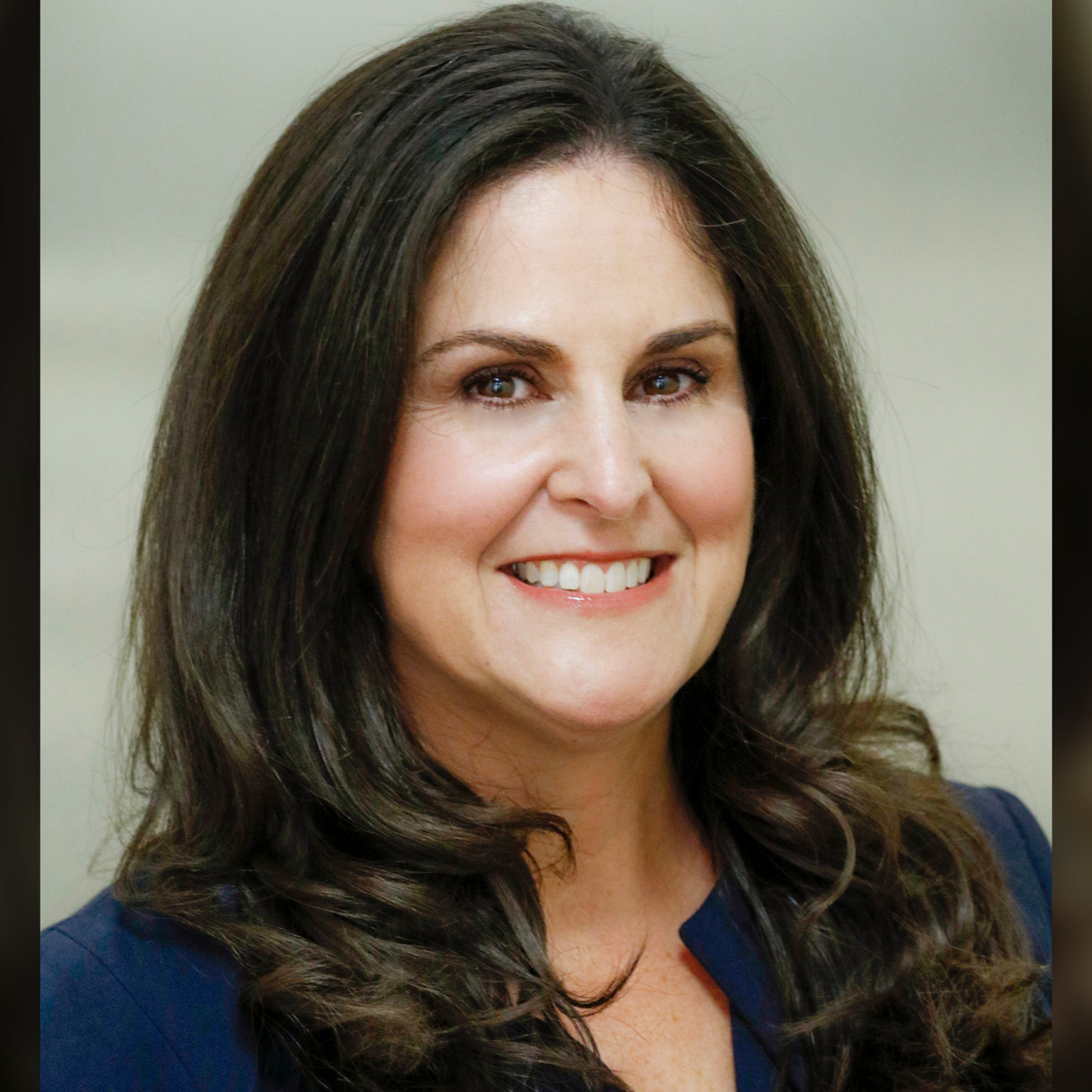
Aoifinn Devitt: I’m Aoifinn Devitt, and welcome to the 50 Faces Podcast. A podcast committed to revealing the richness and diversity of the world of investment by focusing on its people and their stories. I’m joined today by Larissa Herzig, who is founder and managing partner of OneSeed Partners. OneSeed Partners backs rising stars across the real estate complex. Prior to founding OneSeed, she was head of seeding at Blue Owl, and prior to that, CIO of the seeding business at Oak Street Capital, before which she had a series of financial roles. She was a 2025 honoree for the Influential Women in Institutional Investing Awards. Welcome, Larissa. Thanks for joining me here in person. Thanks for having me. Let’s start with your background and career journey. We’ve known each other for many years on the Chicago public fund circuit, and it’s been fantastic to follow you along that circuit, but I don’t think we’ve ever talked about your background and your entry into finance and real estate in particular. So can you talk us through that?
Larissa Herczeg: Yeah, it was definitely not a linear background. So I was a lawyer by training, went to law school, definitely terrified of numbers. They do not teach you Excel in law school and wound up switching from the law firm over to an investment bank. And while there, they had asked me to move over and do some real estate investing. I was terrified. I said no. And a couple of weeks later, the person they had hired to do the real estate investing had left. And so they said, well, you’re going to do it now. And so it was just very, in hindsight, fortuitous. At the time, I did not think it was so fortuitous, but was told I could either do that or find a new job. So I figured I would try it and then loved it. So sometimes other people know better than you.
Aoifinn Devitt: And I suppose real estate is one of those areas that we all think we know a little bit about, right? Because most of us will own some property at some stage of our lives. It’s certainly very visceral. It is a real, of ultimate real asset. Do you have any core beliefs or investment beliefs when it comes to, say, well, investment in general, but real estate in particular?
Larissa Herczeg: Yeah, obviously our strategy is a bit more designed around people and real estate. So our core belief is in people. And I, I still think even with real estate, that still ties over. Even if you’re looking at a building, it’s about the tenants, it’s about the people, it’s about understanding the market, who can you talk to. The physical building is also obviously very important. How attractive is it? Do people want to live there or work there or play there? But I do think sometimes with an actual hard asset, you forget how important the people aspect is, and it’s still I think is really, really important. You know, a spreadsheet tells you a lot, but at the end of the day, it is about the people still.
Aoifinn Devitt: I think just tracing your role in real estate over the various— we met when you were at Oak Street Capital and before that you had various other financial roles, including Morgan Creek, I believe. So can you talk us through, I suppose, how investing in real estate has evolved over that time?
Larissa Herczeg: I started investing in real estate in 2006. And right, trudging up the snow barefoot both ways like my ancestors. It seems crazy, but the internet was not a thing. Transparent accessibility to information was not a thing. And so it was a very, very different world. I mean, even Excel was much more limited in scope. And so processes were very different. And today, really everyone has the same competitive advantage. And so I think it’s on the one hand, easier to understand and poke holes in assumptions, but it’s also harder to show that you have a real differentiated approach or different information because the information is so widely accessible. So it’s been an interesting 20 years with a lot of growth and a lot of probably parity that didn’t exist in 2006.
Aoifinn Devitt: And when you look at real estate, are you sector agnostic? Do you have a particular sector that you focus on?
Larissa Herczeg: We, again, because we’re investing with partners, we are really partner-focused first and sector agnostic depending on what they show us. And I do think historically, I strongly believe that a lot of the problems you get yourself into are when you are so fixated on, I have to find a multifamily group and you have to check boxes, and that creates bad decision-making instead of really saying, I have a blank slate and the first investment can be anything. The second investment needs to fit with the first investment and so on. And so that’s more our approach. We are very people-first focused. That said, we do have sector biases and we’re going to apply those in our underwriting, but that step comes after confirming that we want to be partners with these people and that they would be good stewards of our capital.
Aoifinn Devitt: And in terms of then OneSeed itself, so could you speak about maybe was there a particular gap in the market or a problem that that was designed to solve? Or just seeding, how do you see a role in that?
Larissa Herczeg: Yeah, our thesis is since COVID real estate allocations have been shrinking. There’s been less and less money for real estate, but that said, there is always money for deals. And so our thesis really is it’s very hard for a lot of these smaller groups to get off the ground. Invest— institutional investors especially are trying to do more with fewer partners. So it’s hard to unseat an incumbent. I think we’re starting to see that pendulum switch back a bit. But our thesis was, and our thesis has always been, we think giving our partners discretion is really valuable. We think we attract better partner talent, and we think you get better deals if you can speak for a deal and sit across the table from someone and shake their hand. Instead of them knowing that you have to go back and get approvals, you maybe have to fundraise. And if you look around the market, there are not a lot of groups willing to provide that discretionary capital to a smaller group. There’s a lot who are willing to pursue a deal or something more programmatic, but our thesis is there really aren’t groups willing to give up that discretion and let the partner run with the ball. And so we think that’s an underserved aspect of the market, and because of that, we can leverage that supply-demand dynamic to do better for our investors.
Aoifinn Devitt: And then thinking about investors, so I suppose there are two parts to your investors’ return. There’ll be that return that comes from the seeding element as well as just that underlying fund return that comes from being invested in the fund. Just starting with the fund return, I’d love to talk about where we are today, the current interest rate environment, interest rate trajectory, the kind of yield that’s achievable, and maybe are you on the more the core, core plus value added?
Larissa Herczeg: Yeah. So our thesis is let’s take as little risk as possible from the real estate and get to opportunistic returns by layering in that GP economic seeding alpha. So with that in mind, we’re hopeful it’s a really good time to be investing. If you look back historically, the relationship between returns and successful fundraising seems to be inversely correlated where the more money that’s raised, the worse returns are, and the less money that’s raised, the better returns from that vintage are. Makes sense. More money chasing deals drives up prices. So we’re really excited about the dynamic and where we see both returns, but especially in this environment, the risk level is lower. The conservative underwriting we think provides a really attractive risk-reward proposition, even if returns aren’t through the roof, the risk that’s being taken is so reduced that any double-digit return should be really strong. And we’re looking at a lot of unlevered deals as well. And so we’re hopeful it’s a very good vintage.
Aoifinn Devitt: I was going to ask about the leverage actually, whether there was a greater equity component. How does the financing environment kind of affect the return possible across your partner funds?
Larissa Herczeg: Yeah, again, it’s an interesting capital markets environment where for the past couple of years we’ve actually seen capital markets be more liquid for smaller groups, which again, when you first say it seems counterintuitive, but if you are trying to close a billion-dollar transaction and you need $500 or $600 million of financing, there’s a handful of institutions that can do that. And they have limitations around how much they want to lend versus the smaller groups have endless— they are working with credit unions, with local and regional banks. And they’re typically the 500-pound gorilla in those markets. And so they are the most important relationship to that local bank, whereas no one is the most important relationship to JP Morgan. They have a lot of very important relationships. And so interestingly, the leverage has been pretty readily available, probably outside of office in most markets and for most smaller deals from a variety of sources. Now, of course, just because it’s available doesn’t mean you want it, or it doesn’t mean the math works based on how you’re buying that asset. And so again, that’s been a challenge. We as a firm really take the view that we don’t want negative leverage deals. Our view is we’d rather sacrifice returns and do something unlevered because leverage just gets you into trouble and it, we don’t want leverage creating our returns for us. So we’d rather avoid the trouble and perhaps our upside is a bit less high, but we’ll take that trade-off.
Aoifinn Devitt: And then when it comes to the other aspect of the return, the seeding return, how do you think there are, are there any particular innovative structures you use? Is there a preferred structure you have and how is that evolving that the seed environment say?
Larissa Herczeg: The environment’s evolving and we are always evolving our structures. We learn something from every deal we do. And so we’re constantly trying to reflect on that and improve the structures. So, key to our thesis versus some of the other groups out there is we don’t want true perpetual ownership. We want a revenue participation, an ownership light where we are not willing to be forced to kick in money as an owner. We want the option to put in more money, but not the obligation. Our view is to create a well-aligned, equitable deal. That means you need to cap your upside as well. And so our structures will naturally sunset over some sort of AUM hurdle, some sort of multiple hurdle. But no one has to buy us out at the end of the day. And in our view is that’s, it’s better alignment with our partners, both investment partners and invest store partners.
Aoifinn Devitt: And I suppose some seeders would actually lend a hand to the underlying funds to raise assets themselves, that there’d be a natural alignment of interest there. It seems that that can often be the lion’s share of the effort sometimes is that helping the underlying fund to get to critical mass. Do you do that and what’s that environment like?
Larissa Herczeg: Yeah, I, I mean, fundraising for these groups is impossible and so that is very tricky. Again, you’re exactly right. We don’t need them to grow astronomically, but we do need measured organic growth. And so we want to help them grow. I would say it’s a two-part answer. A, first and foremost, we manage expectations very heavily going in where We want to be well aligned with you. We’re giving you this capital to use to anchor your fund, your whatever it is, and we want you to grow, but we’re not magicians and we don’t control the broader fundraising world. So we want you to grow, we need you to grow, but just because we show up and write you a check does not mean the floodgates are gonna open. And we want our partners to understand that because I think if you’re mismanaging any expectation in life, it’s going to result in frustration and a bad relationship. So we want to be very clear with them about what we are and are not capable of. And then beyond that, we certainly do— we’re not a placement agent, we’re not a third-party marketer, so we don’t want to set up 1,000 meetings for them. What we do want is when an investor calls us saying, hey, I really am interested in a credit strategy that looks like this. Or a data center strategy or medical office, we will make a thoughtful introduction and hope that that goes somewhere. But I would say the more meaningful part also is we get involved, they’ll do practice pitches with us, we’ll review marketing decks, we can backchannel, you know, a lot of times they’ll have what they thought was a great meeting and then never hear from the investor again. If it’s an investor we know, we can either directly or indirectly poke around, understand what’s going on. Usually it’s, something behind the scenes, a change in consultants, or who knows what, but there’s a reason for it. And so we try to help them manage their time and resources around fundraising efficiently, and that’s something we can commit to doing. Whereas sadly, we can’t promise them endless investors are gonna follow us in.
Aoifinn Devitt: We’re gonna take a quick break to hear from Evanston Capital Management, one of the sponsors of this podcast series. I sat down with Kristin Van Gelder, who is partner and co-CIO at Evanston Capital Management. And I asked her to describe her investment philosophy and some of the culture at the firm.
Speaker C: Don’t be too afraid to make mistakes. This industry, I think, attracts a lot of Type A personalities and people that can have a hard time accepting anything that’s less than perfect. And I, you know, I think I put myself in that category, but mistakes do provide these important opportunities for growth, and I think really lasting lessons that help shape you as a person, as an investor. And as a team, as an investment team at Evanston, we often talk about how only making the safe decisions or investing with the crowd likely isn’t the way to, you know, generate distinguished results.
Aoifinn Devitt: And now back to the show. But I do think that kind of wisdom that you’ve gained over the years, we got to know each other. I was on the allocator side. You were, we were at the fund side, but there was also an emerging manager narrative there that my fund was promoting. And we were in discussions around that. How would you say that dynamic has shifted over the decades, I suppose, because it does seem, as you mentioned, fewer relationships, strategic partnerships, that seems to be where large institutions are heading. What does that then mean for the smaller manager?
Larissa Herczeg: You know, it’s hard for the smaller manager. I think it is shifting. I think there’s a lot of value to investing in a Blackstone and a Blue Owl. You know, I obviously, Spent 2 years there, think very highly of them. But I think investors are also starting to see that’s one piece of a portfolio. And in the same way that you want diversification across sectors and across private equity, real estate, real assets, you should want some size diversification and not have all your eggs in one basket. And so I do think investors are starting to see that and appreciate that. And I do think also there’s a lot of pros to the large shops. There’s a lot of cons. And so much the same, the smaller shops have a lot of pros. There is better alignment there in many respects because they aren’t just focused on shareholder value. They’re not focused on fees alone. They’re, they’re in it for the carry. And again, there’s pros and cons. The fee revenue of the large shops enables them to hire a lot. Pros and cons to both. But I think investors are starting to see that, and I think hopefully the wisdom we share And you mentioned this with your podcast with James Clark, and I think James and I share philosophy. It’s fundraising is not a trade. It’s not about getting the check. It’s about a long-term relationship. And I think a lot of the smaller groups get frustrated if they have a couple of good meetings and then a CEO changes or a CIO changes or the consultant changes, and that’s a setback. And of course that’s frustrating, but I, I think they lose sight of the fact that this is a very long-term industry and a long-term relationship. And so that’s what they need. Investor relations is focused on building relationships, not just about getting a check in the door. And I think that’s important to appreciate. And it’s— it can be hard, you know, it can be frustrating when you spend a lot of time and you don’t get a good result, but hopefully you learn something from it and you come back better the next time. And at some point it should work out and all relationships are valuable even if there’s not a check.
Aoifinn Devitt: So I completely agree. And that’s actually why I really enjoyed the conversation with James so much. And I tracked him down based on his previous interview. And I suppose some of those things you mentioned, what is the investor actually looking for? He seems to be very in tune with that. And I think you are too in terms of, you know, not anticipating what they need. And this brings me to my question about what excites you about real estate. And I suppose thinking not only in terms of sectors, but in terms of what investors might be looking for, Is it income? Is it inflation protection? Is it just diversification? And then finally, is it local impact? For example, opportunity zone or a placemaking initiative?
Larissa Herczeg: Yeah, and I, I think it’s a great question and I think if you took 10 investors and asked them that question, you’d get 10 different answers. And so again, that’s why the relationship is so important in understanding, you know, Investor A might really want local impact. Investor B might want cash flow. Investor C might have real estate competing with private equity, and so they really need a lot of juice from their return, or it doesn’t make sense for them to do it. But I think understanding where they’re coming from, what real estate is solving in their portfolio, and then also understanding that it makes no sense to fit a square peg in a round hole. And no matter how good a relationship is, if there’s not a need for that product, it’s not going to work right now. That doesn’t mean it’s, it’s always gonna be a no. And certainly it, it never makes sense to change your colors and change your tune to try to fit with what an investor wants. ‘Cause I guarantee you by the time you, A, it’s, it’s disingenuous, but B, by the time you get there, the investor will have changed their mind and not want it anymore. And so I think again, it’s all investors are different and there’s, there’s a lid for every pot.
Aoifinn Devitt: Looking at the opportunity set today, does anything excite you or anything proverbially keep you up at night?
Larissa Herczeg: You know, we are so excited by the environment today and the deals we’re seeing. You’re seeing a lot of lenders be very frustrated across asset classes, even starting to tick up in multifamily and industrial where there’s been a maturity default. They’ve agreed to extend for a sales process. Sales process was run. You go through a couple of buyers who are at much higher price points. They fall apart for a variety of reasons. And that lender now 9 or 12 months later comes back to the, the broader pool and says, well, this got screwed up. We are really frustrated and fed up. Who, raise your hand, like what’s your price and can you get it done in 30 days? And so we’re seeing a lot of really interesting deals, very short timeframes, but where our partners have done their homework already and you can acquire the deal unlevered for a very conservative kind of 10 to 12% net. And if one day you can apply leverage or one day you can underwrite increasing rents, fantastic. That should be a much better return. But that’s what we’re excited about. And you’re seeing that sort of lender fatigue across asset classes. And then as far as what keeps us up at night, we’re seeing a lot of great deals with base cases, decreasing rents, expanding cap rates on exit, unlevered deals. Checks every box, seems very exciting, but I do feel like there’s this overhang that the markets don’t always go up. And I, my team is probably sick of this analogy, but I like to say back in your college days, you can go out and party and it seems like a good idea. And the longer you party, the worse you feel the next day. And if you keep partying too much, you wind up dead in a gutter. And it feels like we’re at that point where we’ve been partying for a really long time as an economy, and I worry we’re going to wind up dead in the gutter. And if that happens, there’s really no underwriting today that makes sense. So we are trying to approach everything with rational behavior, but also with the knowledge in the back of our head that at some point things could come crashing down and what happens to this investment when that happens.
Aoifinn Devitt: And I suppose I bring it back to your focus on people because most of the people you invest with, I’m sure, have seen one or two cycles. You know that they’re a solid pair of hands when it comes to salvaging value or, you know, putting the client’s needs first. So I suppose that’s really the only thing we can hold on to when we don’t know when the economy is likely to turn. Yes, I’d love to turn to some personal reflections now and go back to your personal story. So we’ve known each other for probably, definitely, it goes on a decade, I think, at this point. Have there been any highs or lows over the course of your career that you can speak to? And I know we don’t like to dwell on low points, but I really focus on them more from a kind of a learning opportunity or lessons learned.
Larissa Herczeg: Yeah, absolutely. I think I’ve been so fortunate in that my life has been a series of things that at the time seemed terrible, that in hindsight were the best thing that ever happened to me. So, you know, career-wise especially, I touched on, you know, I was kind of forced into this role at an investment bank that I did not want and wound up loving it. And at the time it seemed horrible. I was being forced to do something. I was going to have to get a new job. Wound up great. You know, Morgan Creek, we had some turnover, we were losing AUM. It was such a fabulous place to work. I love the people and kind of decided, okay, I’m going to join Oak Street. Like it was so heartbreaking to leave that firm. And again, was the best thing that ever happened. I really think, A, I’ve been very lucky. The bad things that have happened to me have not been tragic, but, but still in your own world, they were hard. But I think any adversity it’s how you respond to it and trying to take a positive attitude and figure it out and, to your point, learn from it. So there were a lot of inflection points that I feel like at the time seemed really upsetting. And in hindsight, again, I’m so grateful for. And life has gotten much better because of them, even though it did not seem like that in the moment.
Aoifinn Devitt: Usually the ability to turn a situation like that, the classical lemons being turned into lemonade, it comes from a work ethic or something in your upbringing. That maybe taught you to be resilient. Was there anything in particular looking back there that you think sowed the seeds of that personality?
Larissa Herczeg: You know, my parents definitely always harped on hard work, and, you know, the old adage that it’s, it’s amazing how luck happens to people who are working hard and who are prepared for it. And so I do think that’s true. There’s certainly luck— you could win the lottery— but that’s not the way it happens. And And I think it’s interesting, you know, especially with some of the younger generations who want to work from 9 to 5 and have boundaries, but also want to be uber successful. I don’t believe that’s possible. I think if you look at any person that’s successful in the world, they don’t have the luxury of boundaries. They are responding to emails at all hours regardless of who’s emailing them. And so I definitely think I attribute a lot, you know, to hard work and also to people. Again, you know, bringing it back to people and relationships. And at every one of those turns, having peers, having mentors, having people I could talk to, bounce ideas off, who would encourage me, you know, and kind of pick you up when you’re depressed about things. I think that cannot be underestimated in those relationships. Evolve over your life, but they’re so important. The, you know, Michelle Obama board of directors concept, I, I fiercely cling to all the time.
Aoifinn Devitt: And my last question is around any creed or motto or words of wisdom. I think we’ve touched on a few of them in terms of the importance of people versus, say, transactions and having the long-term view. But is there anything, either advice for your younger self or just anything that you’ve internalized after your career to date?
Larissa Herczeg: Yeah, you know, advice I got probably about 15 or 20 years ago was most of us make something about ourselves, right? That makes perfect sense. And I think particularly in the work context, but in any relationship, if you’re approaching a discussion and saying, what does this mean for me? You’re probably missing the boat. And the really important discussion or the, the thought process is, How can I be helpful? What does this mean for the person I’m talking to? What do they want? And so I think constantly trying to put yourself in the shoes of others and approach things from their perspective about how is this news going to impact them, or how can I be helpful to them instead of asking, well, what can I do? It’s how can I help you more? So I think that was I’m not articulating it in a little short motto, but I think just making sure you’re putting yourself in others’ shoes is really, really important in everything you do.
Aoifinn Devitt: And if I may sneak in a bonus kind of follow-up question to that, I think that is very noble. And certainly, I can know it’s the secret of your success. But for somebody listening to that, you may think, well, that is the right approach, but the majority of people don’t think that way. They don’t operate that way. How do you find the resilience to continue to think that way when I would say that’s not the majority? A lot of people do not think about their impact on others.
Larissa Herczeg: You know, obviously impact on others is important, but it, it doesn’t need to be noble. And so I think a good example is if you want a promotion at work and you walk into your boss’s office, isn’t about I want to be promoted. Here’s what I have done. It’s here are things that I’ve seen that I believe would be accretive to you and would help run this business better and would help you do more. And these are things I think I can do. And so it’s just, it still can be about yourself. It doesn’t need to be noble, but I think positioning it as I want to help you versus I want to get ahead just resonates with people. And hopefully it’s both. I mean, alignment is so important, but it, it doesn’t need to be as noble as I made it sound.
Aoifinn Devitt: Thank you so much, Larissa. It is so lovely to sit here with you. As I said, almost a decade after we used to sit together when I was at Chicago Police, because I think so little has changed in terms of your focus. We, we started by speaking about people, we’ve ended by speaking about people, and a seeding business is ultimately about seeing the potential in people and allowing them to realize that. So I’m very excited to see OneSeed up and running and look forward to seeing seeing it progress in years ahead, and thank you for sharing your insights with us.
Larissa Herczeg: Thank you.
Aoifinn Devitt: I’m Aoifinn Devitt. Thank you for listening to the 50 Faces Podcast. If you liked what you heard and would like to tune in to hear more inspiring investors and their personal journeys, please subscribe on Apple Podcasts or wherever you get your podcasts. This podcast is for informational purposes only and should not be construed as investment advice, and all views are personal and should not be attributed to the organizations and affiliations the host or any guest.
Aoifinn Devitt: This podcast series is kindly sponsored by Evanston Capital. For over 20 years, Evanston Capital has had a key focus in identifying early-stage investment managers it believes are capable of generating long-term value-added returns in complex, innovative strategy areas. The series is also sponsored by Alvine Capital. Alvine Capital is a specialist investment manager and placement boutique with a particular focus on alternative assets, a significant presence in London and Stockholm.
Larissa Herczeg: And then as far as what keeps us up at night, we’re seeing a lot of great deals with base cases, decreasing rents, expanding cap rates on exit, unlevered deals, checks every box. Seems very exciting, but I do feel like there’s this overhang that the markets don’t always go up. And I, my team is probably sick of this analogy, but I like to say back in your college days, you can go out and party and it seems like a good idea. And the longer you party, the worse you feel the next day. And if you keep partying too much, you wind up dead in a gutter. And it feels like we’re at that point where we’ve been partying for a really long time as an economy, and I worry we’re going to wind up dead in the gutter. And if that happens, there’s really no underwriting today that makes sense. So we are trying to approach everything with rational behavior, but also with the knowledge in the back of our head that it’s at some point things could come crashing down and what happens to this investment when that happens.
Aoifinn Devitt: I’m Aoifinn Devitt, and welcome to the 50 Faces Podcast. A podcast committed to revealing the richness and diversity of the world of investment by focusing on its people and their stories. I’m joined today by Larissa Herzig, who is founder and managing partner of OneSeed Partners. OneSeed Partners backs rising stars across the real estate complex. Prior to founding OneSeed, she was head of seeding at Blue Owl, and prior to that, CIO of the seeding business at Oak Street Capital, before which she had a series of financial roles. She was a 2025 honoree for the Influential Women in Institutional Investing Awards. Welcome, Larissa. Thanks for joining me here in person. Thanks for having me. Let’s start with your background and career journey. We’ve known each other for many years on the Chicago public fund circuit, and it’s been fantastic to follow you along that circuit, but I don’t think we’ve ever talked about your background and your entry into finance and real estate in particular. So can you talk us through that?
Larissa Herczeg: Yeah, it was definitely not a linear background. So I was a lawyer by training, went to law school, definitely terrified of numbers. They do not teach you Excel in law school and wound up switching from the law firm over to an investment bank. And while there, they had asked me to move over and do some real estate investing. I was terrified. I said no. And a couple of weeks later, the person they had hired to do the real estate investing had left. And so they said, well, you’re going to do it now. And so it was just very, in hindsight, fortuitous. At the time, I did not think it was so fortuitous, but was told I could either do that or find a new job. So I figured I would try it and then loved it. So sometimes other people know better than you.
Aoifinn Devitt: And I suppose real estate is one of those areas that we all think we know a little bit about, right? Because most of us will own some property at some stage of our lives. It’s certainly very visceral. It is a real, of ultimate real asset. Do you have any core beliefs or investment beliefs when it comes to, say, well, investment in general, but real estate in particular?
Larissa Herczeg: Yeah, obviously our strategy is a bit more designed around people and real estate. So our core belief is in people. And I, I still think even with real estate, that still ties over. Even if you’re looking at a building, it’s about the tenants, it’s about the people, it’s about understanding the market, who can you talk to. The physical building is also obviously very important. How attractive is it? Do people want to live there or work there or play there? But I do think sometimes with an actual hard asset, you forget how important the people aspect is, and it’s still I think is really, really important. You know, a spreadsheet tells you a lot, but at the end of the day, it is about the people still.
Aoifinn Devitt: I think just tracing your role in real estate over the various— we met when you were at Oak Street Capital and before that you had various other financial roles, including Morgan Creek, I believe. So can you talk us through, I suppose, how investing in real estate has evolved over that time?
Larissa Herczeg: I started investing in real estate in 2006. And right, trudging up the snow barefoot both ways like my ancestors. It seems crazy, but the internet was not a thing. Transparent accessibility to information was not a thing. And so it was a very, very different world. I mean, even Excel was much more limited in scope. And so processes were very different. And today, really everyone has the same competitive advantage. And so I think it’s on the one hand, easier to understand and poke holes in assumptions, but it’s also harder to show that you have a real differentiated approach or different information because the information is so widely accessible. So it’s been an interesting 20 years with a lot of growth and a lot of probably parity that didn’t exist in 2006.
Aoifinn Devitt: And when you look at real estate, are you sector agnostic? Do you have a particular sector that you focus on?
Larissa Herczeg: We, again, because we’re investing with partners, we are really partner-focused first and sector agnostic depending on what they show us. And I do think historically, I strongly believe that a lot of the problems you get yourself into are when you are so fixated on, I have to find a multifamily group and you have to check boxes, and that creates bad decision-making instead of really saying, I have a blank slate and the first investment can be anything. The second investment needs to fit with the first investment and so on. And so that’s more our approach. We are very people-first focused. That said, we do have sector biases and we’re going to apply those in our underwriting, but that step comes after confirming that we want to be partners with these people and that they would be good stewards of our capital.
Aoifinn Devitt: And in terms of then OneSeed itself, so could you speak about maybe was there a particular gap in the market or a problem that that was designed to solve? Or just seeding, how do you see a role in that?
Larissa Herczeg: Yeah, our thesis is since COVID real estate allocations have been shrinking. There’s been less and less money for real estate, but that said, there is always money for deals. And so our thesis really is it’s very hard for a lot of these smaller groups to get off the ground. Invest— institutional investors especially are trying to do more with fewer partners. So it’s hard to unseat an incumbent. I think we’re starting to see that pendulum switch back a bit. But our thesis was, and our thesis has always been, we think giving our partners discretion is really valuable. We think we attract better partner talent, and we think you get better deals if you can speak for a deal and sit across the table from someone and shake their hand. Instead of them knowing that you have to go back and get approvals, you maybe have to fundraise. And if you look around the market, there are not a lot of groups willing to provide that discretionary capital to a smaller group. There’s a lot who are willing to pursue a deal or something more programmatic, but our thesis is there really aren’t groups willing to give up that discretion and let the partner run with the ball. And so we think that’s an underserved aspect of the market, and because of that, we can leverage that supply-demand dynamic to do better for our investors.
Aoifinn Devitt: And then thinking about investors, so I suppose there are two parts to your investors’ return. There’ll be that return that comes from the seeding element as well as just that underlying fund return that comes from being invested in the fund. Just starting with the fund return, I’d love to talk about where we are today, the current interest rate environment, interest rate trajectory, the kind of yield that’s achievable, and maybe are you on the more the core, core plus value added?
Larissa Herczeg: Yeah. So our thesis is let’s take as little risk as possible from the real estate and get to opportunistic returns by layering in that GP economic seeding alpha. So with that in mind, we’re hopeful it’s a really good time to be investing. If you look back historically, the relationship between returns and successful fundraising seems to be inversely correlated where the more money that’s raised, the worse returns are, and the less money that’s raised, the better returns from that vintage are. Makes sense. More money chasing deals drives up prices. So we’re really excited about the dynamic and where we see both returns, but especially in this environment, the risk level is lower. The conservative underwriting we think provides a really attractive risk-reward proposition, even if returns aren’t through the roof, the risk that’s being taken is so reduced that any double-digit return should be really strong. And we’re looking at a lot of unlevered deals as well. And so we’re hopeful it’s a very good vintage.
Aoifinn Devitt: I was going to ask about the leverage actually, whether there was a greater equity component. How does the financing environment kind of affect the return possible across your partner funds?
Larissa Herczeg: Yeah, again, it’s an interesting capital markets environment where for the past couple of years we’ve actually seen capital markets be more liquid for smaller groups, which again, when you first say it seems counterintuitive, but if you are trying to close a billion-dollar transaction and you need $500 or $600 million of financing, there’s a handful of institutions that can do that. And they have limitations around how much they want to lend versus the smaller groups have endless— they are working with credit unions, with local and regional banks. And they’re typically the 500-pound gorilla in those markets. And so they are the most important relationship to that local bank, whereas no one is the most important relationship to JP Morgan. They have a lot of very important relationships. And so interestingly, the leverage has been pretty readily available, probably outside of office in most markets and for most smaller deals from a variety of sources. Now, of course, just because it’s available doesn’t mean you want it, or it doesn’t mean the math works based on how you’re buying that asset. And so again, that’s been a challenge. We as a firm really take the view that we don’t want negative leverage deals. Our view is we’d rather sacrifice returns and do something unlevered because leverage just gets you into trouble and it, we don’t want leverage creating our returns for us. So we’d rather avoid the trouble and perhaps our upside is a bit less high, but we’ll take that trade-off.
Aoifinn Devitt: And then when it comes to the other aspect of the return, the seeding return, how do you think there are, are there any particular innovative structures you use? Is there a preferred structure you have and how is that evolving that the seed environment say?
Larissa Herczeg: The environment’s evolving and we are always evolving our structures. We learn something from every deal we do. And so we’re constantly trying to reflect on that and improve the structures. So, key to our thesis versus some of the other groups out there is we don’t want true perpetual ownership. We want a revenue participation, an ownership light where we are not willing to be forced to kick in money as an owner. We want the option to put in more money, but not the obligation. Our view is to create a well-aligned, equitable deal. That means you need to cap your upside as well. And so our structures will naturally sunset over some sort of AUM hurdle, some sort of multiple hurdle. But no one has to buy us out at the end of the day. And in our view is that’s, it’s better alignment with our partners, both investment partners and invest store partners.
Aoifinn Devitt: And I suppose some seeders would actually lend a hand to the underlying funds to raise assets themselves, that there’d be a natural alignment of interest there. It seems that that can often be the lion’s share of the effort sometimes is that helping the underlying fund to get to critical mass. Do you do that and what’s that environment like?
Larissa Herczeg: Yeah, I, I mean, fundraising for these groups is impossible and so that is very tricky. Again, you’re exactly right. We don’t need them to grow astronomically, but we do need measured organic growth. And so we want to help them grow. I would say it’s a two-part answer. A, first and foremost, we manage expectations very heavily going in where We want to be well aligned with you. We’re giving you this capital to use to anchor your fund, your whatever it is, and we want you to grow, but we’re not magicians and we don’t control the broader fundraising world. So we want you to grow, we need you to grow, but just because we show up and write you a check does not mean the floodgates are gonna open. And we want our partners to understand that because I think if you’re mismanaging any expectation in life, it’s going to result in frustration and a bad relationship. So we want to be very clear with them about what we are and are not capable of. And then beyond that, we certainly do— we’re not a placement agent, we’re not a third-party marketer, so we don’t want to set up 1,000 meetings for them. What we do want is when an investor calls us saying, hey, I really am interested in a credit strategy that looks like this. Or a data center strategy or medical office, we will make a thoughtful introduction and hope that that goes somewhere. But I would say the more meaningful part also is we get involved, they’ll do practice pitches with us, we’ll review marketing decks, we can backchannel, you know, a lot of times they’ll have what they thought was a great meeting and then never hear from the investor again. If it’s an investor we know, we can either directly or indirectly poke around, understand what’s going on. Usually it’s, something behind the scenes, a change in consultants, or who knows what, but there’s a reason for it. And so we try to help them manage their time and resources around fundraising efficiently, and that’s something we can commit to doing. Whereas sadly, we can’t promise them endless investors are gonna follow us in.
Aoifinn Devitt: We’re gonna take a quick break to hear from Evanston Capital Management, one of the sponsors of this podcast series. I sat down with Kristin Van Gelder, who is partner and co-CIO at Evanston Capital Management. And I asked her to describe her investment philosophy and some of the culture at the firm.
Speaker C: Don’t be too afraid to make mistakes. This industry, I think, attracts a lot of Type A personalities and people that can have a hard time accepting anything that’s less than perfect. And I, you know, I think I put myself in that category, but mistakes do provide these important opportunities for growth, and I think really lasting lessons that help shape you as a person, as an investor. And as a team, as an investment team at Evanston, we often talk about how only making the safe decisions or investing with the crowd likely isn’t the way to, you know, generate distinguished results.
Aoifinn Devitt: And now back to the show. But I do think that kind of wisdom that you’ve gained over the years, we got to know each other. I was on the allocator side. You were, we were at the fund side, but there was also an emerging manager narrative there that my fund was promoting. And we were in discussions around that. How would you say that dynamic has shifted over the decades, I suppose, because it does seem, as you mentioned, fewer relationships, strategic partnerships, that seems to be where large institutions are heading. What does that then mean for the smaller manager?
Larissa Herczeg: You know, it’s hard for the smaller manager. I think it is shifting. I think there’s a lot of value to investing in a Blackstone and a Blue Owl. You know, I obviously, Spent 2 years there, think very highly of them. But I think investors are also starting to see that’s one piece of a portfolio. And in the same way that you want diversification across sectors and across private equity, real estate, real assets, you should want some size diversification and not have all your eggs in one basket. And so I do think investors are starting to see that and appreciate that. And I do think also there’s a lot of pros to the large shops. There’s a lot of cons. And so much the same, the smaller shops have a lot of pros. There is better alignment there in many respects because they aren’t just focused on shareholder value. They’re not focused on fees alone. They’re, they’re in it for the carry. And again, there’s pros and cons. The fee revenue of the large shops enables them to hire a lot. Pros and cons to both. But I think investors are starting to see that, and I think hopefully the wisdom we share And you mentioned this with your podcast with James Clark, and I think James and I share philosophy. It’s fundraising is not a trade. It’s not about getting the check. It’s about a long-term relationship. And I think a lot of the smaller groups get frustrated if they have a couple of good meetings and then a CEO changes or a CIO changes or the consultant changes, and that’s a setback. And of course that’s frustrating, but I, I think they lose sight of the fact that this is a very long-term industry and a long-term relationship. And so that’s what they need. Investor relations is focused on building relationships, not just about getting a check in the door. And I think that’s important to appreciate. And it’s— it can be hard, you know, it can be frustrating when you spend a lot of time and you don’t get a good result, but hopefully you learn something from it and you come back better the next time. And at some point it should work out and all relationships are valuable even if there’s not a check.
Aoifinn Devitt: So I completely agree. And that’s actually why I really enjoyed the conversation with James so much. And I tracked him down based on his previous interview. And I suppose some of those things you mentioned, what is the investor actually looking for? He seems to be very in tune with that. And I think you are too in terms of, you know, not anticipating what they need. And this brings me to my question about what excites you about real estate. And I suppose thinking not only in terms of sectors, but in terms of what investors might be looking for, Is it income? Is it inflation protection? Is it just diversification? And then finally, is it local impact? For example, opportunity zone or a placemaking initiative?
Larissa Herczeg: Yeah, and I, I think it’s a great question and I think if you took 10 investors and asked them that question, you’d get 10 different answers. And so again, that’s why the relationship is so important in understanding, you know, Investor A might really want local impact. Investor B might want cash flow. Investor C might have real estate competing with private equity, and so they really need a lot of juice from their return, or it doesn’t make sense for them to do it. But I think understanding where they’re coming from, what real estate is solving in their portfolio, and then also understanding that it makes no sense to fit a square peg in a round hole. And no matter how good a relationship is, if there’s not a need for that product, it’s not going to work right now. That doesn’t mean it’s, it’s always gonna be a no. And certainly it, it never makes sense to change your colors and change your tune to try to fit with what an investor wants. ‘Cause I guarantee you by the time you, A, it’s, it’s disingenuous, but B, by the time you get there, the investor will have changed their mind and not want it anymore. And so I think again, it’s all investors are different and there’s, there’s a lid for every pot.
Aoifinn Devitt: Looking at the opportunity set today, does anything excite you or anything proverbially keep you up at night?
Larissa Herczeg: You know, we are so excited by the environment today and the deals we’re seeing. You’re seeing a lot of lenders be very frustrated across asset classes, even starting to tick up in multifamily and industrial where there’s been a maturity default. They’ve agreed to extend for a sales process. Sales process was run. You go through a couple of buyers who are at much higher price points. They fall apart for a variety of reasons. And that lender now 9 or 12 months later comes back to the, the broader pool and says, well, this got screwed up. We are really frustrated and fed up. Who, raise your hand, like what’s your price and can you get it done in 30 days? And so we’re seeing a lot of really interesting deals, very short timeframes, but where our partners have done their homework already and you can acquire the deal unlevered for a very conservative kind of 10 to 12% net. And if one day you can apply leverage or one day you can underwrite increasing rents, fantastic. That should be a much better return. But that’s what we’re excited about. And you’re seeing that sort of lender fatigue across asset classes. And then as far as what keeps us up at night, we’re seeing a lot of great deals with base cases, decreasing rents, expanding cap rates on exit, unlevered deals. Checks every box, seems very exciting, but I do feel like there’s this overhang that the markets don’t always go up. And I, my team is probably sick of this analogy, but I like to say back in your college days, you can go out and party and it seems like a good idea. And the longer you party, the worse you feel the next day. And if you keep partying too much, you wind up dead in a gutter. And it feels like we’re at that point where we’ve been partying for a really long time as an economy, and I worry we’re going to wind up dead in the gutter. And if that happens, there’s really no underwriting today that makes sense. So we are trying to approach everything with rational behavior, but also with the knowledge in the back of our head that at some point things could come crashing down and what happens to this investment when that happens.
Aoifinn Devitt: And I suppose I bring it back to your focus on people because most of the people you invest with, I’m sure, have seen one or two cycles. You know that they’re a solid pair of hands when it comes to salvaging value or, you know, putting the client’s needs first. So I suppose that’s really the only thing we can hold on to when we don’t know when the economy is likely to turn. Yes, I’d love to turn to some personal reflections now and go back to your personal story. So we’ve known each other for probably, definitely, it goes on a decade, I think, at this point. Have there been any highs or lows over the course of your career that you can speak to? And I know we don’t like to dwell on low points, but I really focus on them more from a kind of a learning opportunity or lessons learned.
Larissa Herczeg: Yeah, absolutely. I think I’ve been so fortunate in that my life has been a series of things that at the time seemed terrible, that in hindsight were the best thing that ever happened to me. So, you know, career-wise especially, I touched on, you know, I was kind of forced into this role at an investment bank that I did not want and wound up loving it. And at the time it seemed horrible. I was being forced to do something. I was going to have to get a new job. Wound up great. You know, Morgan Creek, we had some turnover, we were losing AUM. It was such a fabulous place to work. I love the people and kind of decided, okay, I’m going to join Oak Street. Like it was so heartbreaking to leave that firm. And again, was the best thing that ever happened. I really think, A, I’ve been very lucky. The bad things that have happened to me have not been tragic, but, but still in your own world, they were hard. But I think any adversity it’s how you respond to it and trying to take a positive attitude and figure it out and, to your point, learn from it. So there were a lot of inflection points that I feel like at the time seemed really upsetting. And in hindsight, again, I’m so grateful for. And life has gotten much better because of them, even though it did not seem like that in the moment.
Aoifinn Devitt: Usually the ability to turn a situation like that, the classical lemons being turned into lemonade, it comes from a work ethic or something in your upbringing. That maybe taught you to be resilient. Was there anything in particular looking back there that you think sowed the seeds of that personality?
Larissa Herczeg: You know, my parents definitely always harped on hard work, and, you know, the old adage that it’s, it’s amazing how luck happens to people who are working hard and who are prepared for it. And so I do think that’s true. There’s certainly luck— you could win the lottery— but that’s not the way it happens. And And I think it’s interesting, you know, especially with some of the younger generations who want to work from 9 to 5 and have boundaries, but also want to be uber successful. I don’t believe that’s possible. I think if you look at any person that’s successful in the world, they don’t have the luxury of boundaries. They are responding to emails at all hours regardless of who’s emailing them. And so I definitely think I attribute a lot, you know, to hard work and also to people. Again, you know, bringing it back to people and relationships. And at every one of those turns, having peers, having mentors, having people I could talk to, bounce ideas off, who would encourage me, you know, and kind of pick you up when you’re depressed about things. I think that cannot be underestimated in those relationships. Evolve over your life, but they’re so important. The, you know, Michelle Obama board of directors concept, I, I fiercely cling to all the time.
Aoifinn Devitt: And my last question is around any creed or motto or words of wisdom. I think we’ve touched on a few of them in terms of the importance of people versus, say, transactions and having the long-term view. But is there anything, either advice for your younger self or just anything that you’ve internalized after your career to date?
Larissa Herczeg: Yeah, you know, advice I got probably about 15 or 20 years ago was most of us make something about ourselves, right? That makes perfect sense. And I think particularly in the work context, but in any relationship, if you’re approaching a discussion and saying, what does this mean for me? You’re probably missing the boat. And the really important discussion or the, the thought process is, How can I be helpful? What does this mean for the person I’m talking to? What do they want? And so I think constantly trying to put yourself in the shoes of others and approach things from their perspective about how is this news going to impact them, or how can I be helpful to them instead of asking, well, what can I do? It’s how can I help you more? So I think that was I’m not articulating it in a little short motto, but I think just making sure you’re putting yourself in others’ shoes is really, really important in everything you do.
Aoifinn Devitt: And if I may sneak in a bonus kind of follow-up question to that, I think that is very noble. And certainly, I can know it’s the secret of your success. But for somebody listening to that, you may think, well, that is the right approach, but the majority of people don’t think that way. They don’t operate that way. How do you find the resilience to continue to think that way when I would say that’s not the majority? A lot of people do not think about their impact on others.
Larissa Herczeg: You know, obviously impact on others is important, but it, it doesn’t need to be noble. And so I think a good example is if you want a promotion at work and you walk into your boss’s office, isn’t about I want to be promoted. Here’s what I have done. It’s here are things that I’ve seen that I believe would be accretive to you and would help run this business better and would help you do more. And these are things I think I can do. And so it’s just, it still can be about yourself. It doesn’t need to be noble, but I think positioning it as I want to help you versus I want to get ahead just resonates with people. And hopefully it’s both. I mean, alignment is so important, but it, it doesn’t need to be as noble as I made it sound.
Aoifinn Devitt: Thank you so much, Larissa. It is so lovely to sit here with you. As I said, almost a decade after we used to sit together when I was at Chicago Police, because I think so little has changed in terms of your focus. We, we started by speaking about people, we’ve ended by speaking about people, and a seeding business is ultimately about seeing the potential in people and allowing them to realize that. So I’m very excited to see OneSeed up and running and look forward to seeing seeing it progress in years ahead, and thank you for sharing your insights with us.
Larissa Herczeg: Thank you.
Aoifinn Devitt: I’m Aoifinn Devitt. Thank you for listening to the 50 Faces Podcast. If you liked what you heard and would like to tune in to hear more inspiring investors and their personal journeys, please subscribe on Apple Podcasts or wherever you get your podcasts. This podcast is for informational purposes only and should not be construed as investment advice, and all views are personal and should not be attributed to the organizations and affiliations the host or any guest.