Patrick Davitt: This podcast was made possible by the kind support of Guillen Charle and Charle Law PLLC, a law firm representing clients in the negotiation of a wide range of financial trading agreements based in New York City.
Victoria Kolakowski: Being honest about who you are, I find to be a lot less emotionally draining than trying to hide it. People treated me better if they did not come into interacting with me thinking this person is trans.
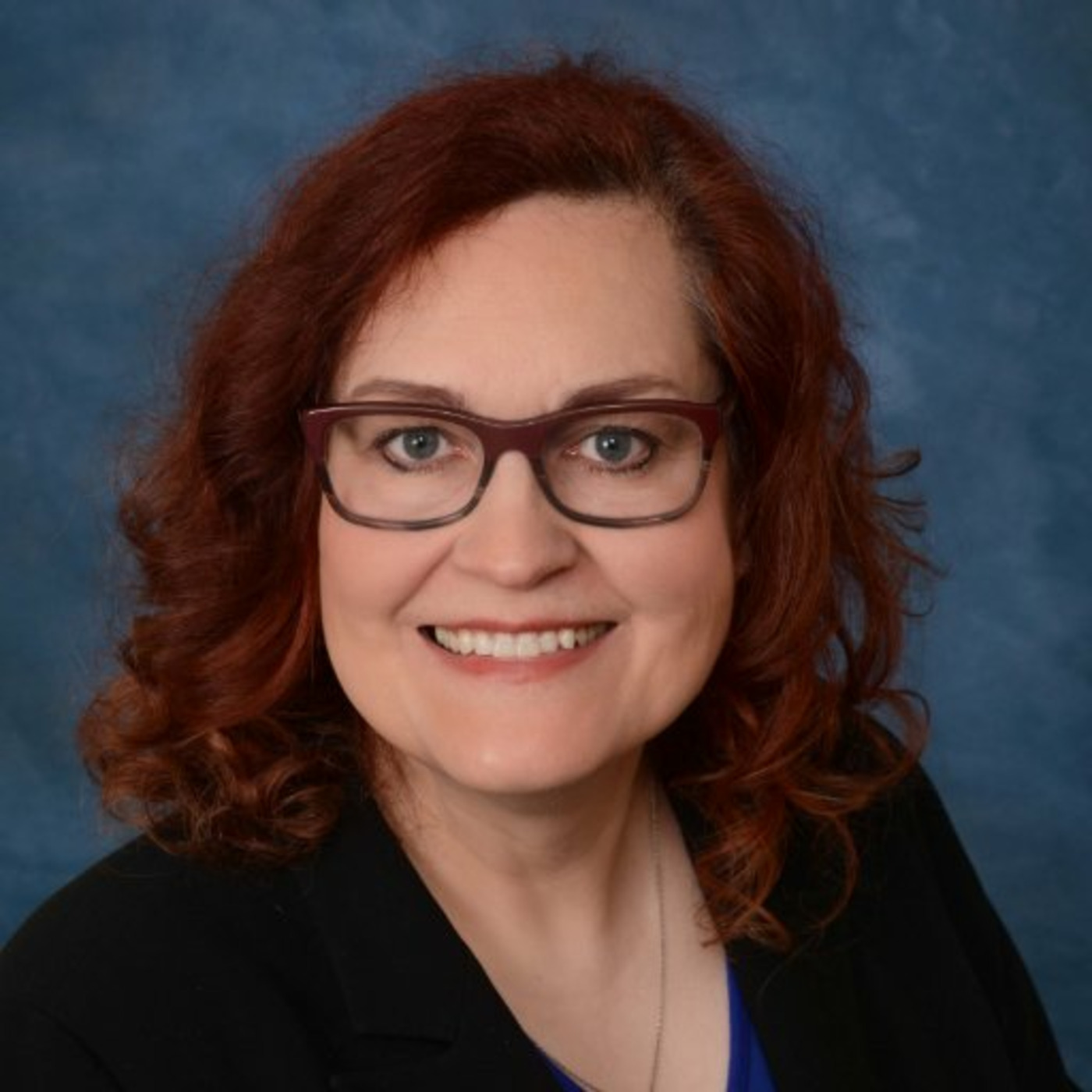
Patrick Davitt: That was the Honourable Judge Victoria Kolakowski, a judge of the Superior Court of Alameda County in the Bay Area of California. In November 2010, she was the first transgender person to be elected a trial judge. Let’s hear her story as co-hosted by a new co-host, Patrick Devitt, in this very special edition of a 50 Faces Focus Podcast. To commemorate which in the UK is LGBT History Month.
Speaker C: I’m Patrick Davitt, and this is 50 Faces: Focused. In this series, we showcase the richness and diversity of inspiring people in the law. I’m joined today by the Honourable Judge Victoria Kolakowski, who is a judge of the Superior Court of Alameda County in the Bay Area of California. In November 2010, she was the first transgender person to be elected a trial judge. Judge Kolakowski is a committed advocate for transgender people. She makes herself available throughout the United States and internationally for conferences, seminars, and interviews, acting as a role model and providing support. Although her transgender journey is a significant element of her life story, There’s also much, much more, which hopefully we will also be able to explore in this podcast. Welcome, Vicky. Thank you for joining us today.
Speaker D: Well, thank you.
Victoria Kolakowski: I’m really happy to be doing this.
Speaker C: Would it be all right with you if we dive right in and ask you the most basic question of all? What does transgender mean?
Speaker D: That’s actually— can be a complicated question because it can mean different things for different people. And actually, it’s a term that When I first transitioned from being— I was.
Victoria Kolakowski: Assigned— I was what we call now.
Speaker D: Assigned male at birth.
Victoria Kolakowski: And back when I first transitioned to living my life all the time as a woman, I would have been called a transsexual. And so the terminology has changed over time as well. And so transgender usually means in some way that one’s self-identity is different than what one’s perceived biological sex is, usually at birth. And so But that can mean different things for different people. And also there are some people who are non-binary who identify neither as male nor as female. In my case, I was born pretty much physically male and I would say genetically so. And I now present myself in public as female. And I know you probably want to know a little bit more about my background on this. I mean, I’ve known since I was a little kid, but I didn’t have— we didn’t have terminology for it.
Speaker C: What age were you when you first realized, would you say?
Speaker D: You know, I would say I was a child. Some of my oldest memories are me.
Victoria Kolakowski: What I would have said at the.
Speaker D: Time, wishing I were a girl. And so elementary school and earlier, I would say. Actually, I think pre-elementary school, maybe somewhere between 3 and 5 years old, is the first time I remember thinking these thoughts.
Victoria Kolakowski: But I was— I didn’t want to.
Speaker D: Talk to anybody about it because I thought there was something wrong with me.
Victoria Kolakowski: Because it seemed crazy. And this was back— I was born almost 60 years ago. So, I mean, I was growing up, this is in the mid-’60s, and there was nothing that a little kid would have known or had access to that would have given me any idea of how to describe this.
Speaker D: Yeah.
Victoria Kolakowski: And so I just did a really good job of hiding it and suppressing it until I was older.
Speaker C: Did you have brothers and sisters growing up?
Victoria Kolakowski: Yeah, well, I have a younger brother.
Speaker D: Who’S a year and a half younger.
Victoria Kolakowski: Than me, and I had an older.
Speaker D: Sister who died before I was born, who was born a year and a.
Victoria Kolakowski: Half ahead of me. I cannot tell you how many hours.
Speaker D: I talked to therapists who are like, oh, you’re just trying to replace your sister. It’s like, no, I’m not trying to replace my sister. That was something that as soon as people hear about my— that I had a sister, then they’re like, oh, that’s what this is all about.
Speaker C: I say, okay, that’s too easy.
Speaker D: No, and actually what’s in one of the things that’s interesting about that is my brother was born 3 years to the day after my sister was born. And so if anybody should have felt like they should have been my sister.
Victoria Kolakowski: Yeah, it would have been him. Yeah.
Speaker D: And so, which he never did. And so I didn’t talk to anybody about this. I used to wish that my sister was still around because for some reason or other I fantasized that she would get it somehow, or that that I have somebody that I can connect to. If nothing else, somebody whose clothes I could borrow. And it was really hard because I.
Victoria Kolakowski: Didn’T want, I wanted to be normal. I mean, I wanted to be, I didn’t want to do anything that would seem all that weird. I am a remarkably good girl and I try to do what I’m supposed to. And this was very confusing because I was growing up going, this is wrong. And what really became a problem was when I started hitting puberty and it’s like my body started changing and it’s like, no, no, no, no.
Speaker D: No, no, no, no, no.
Victoria Kolakowski: This is not a good thing. You know, I used to pray every day that I would wake up and be a girl in a girl’s body. And I had this one prayer card that said that if I prayed this prayer to the saint every day for a year, my prayer would go answered. I did that and I kept going after the year was up thinking maybe I missed a day. And so, I mean, I really, really, really— this was an important thing to me growing up. And it’s like, and I kept getting taller and I started developing these other features, and it was really, really frustrating. And what’s even worse is, is that I hid behind those things. Everybody around me was so excited to see me becoming a young man or growing up to become a man, and it was like, and so I kept trying to pretend to be this guy that they— everybody thought that I was growing into. And until eventually it was too much, and I eventually found out there was no information, as I said, back then. So it’s— I mean, even if you went— I went to the library, and all the information that was considered sexology, it was not— minors weren’t allowed to look at it. They were kept in, you know, in a locked area in the back in the reference sections. And So it was very hard for me to get any information until I started college when I was 17. And I just turned 17 a week before I started as an undergraduate. And then I got to college and I wound up finding a library. We had a library and the library had books about this stuff and I didn’t need to check them out. And so I spent days in the library reading about all of these things, reading every book of psychology in any way related to gender issues that was available in the late ’70s, every autobiography by anybody who was trans at that point, just trying to find out. And so I came I came back home for the summer right before I turned 18, and I told my parents, and they immediately rushed me to a therapist.
Speaker C: They were horrified, were they?
Victoria Kolakowski: They were confused.
Speaker C: Yes. Yeah.
Victoria Kolakowski: And they were worried. They were worried that I would do harm to myself.
Speaker C: Yeah.
Victoria Kolakowski: They were worried about how the world would treat me, and they also wanted to know, quite honestly, if they did something wrong.
Speaker D: Right, right.
Victoria Kolakowski: I mean, which is, I mean, I understand that. It’s a very hard thing sometimes, especially then, because nobody knew anything. It’s like people didn’t know then what we know now. And so, or at least we think we know.
Speaker C: And were.
Victoria Kolakowski: Now.
Speaker C: You dating other people at that time at college? Do you remember at high school, at college?
Victoria Kolakowski: Okay, so in high school I had one short-term girlfriend and then I had another girlfriend. You see, this is one of the things that was confusing was that I was with women. And so it’s like, well, you know, if I’m interested in women, that must mean I’m a man, right?
Speaker C: Yeah, yeah.
Victoria Kolakowski: And so again, this was, you know, at this point, this 1970s, and I had never actually met somebody who was out as a lesbian or as bi. God, nobody would identify as bisexual. And so, and then I wound up dating another young lady who I was sort of still technically dating long distance, and she was one of the first people I came out to. And we’re still friends. And it’s really very strange. I’m friends with most of the people I’ve ever dated and their significant others, which is even stranger. And so she was very understanding. But, you know, I came out to some close friends, but I didn’t tell people about this until I had the words for it. It wasn’t until I went off to college that I told anybody about what was going on. And yes, when I was in college, I dated a guy. And that did not work out, although we’re still friends. And I’m friends with his wife, of course, because as I said, I’m friends with all these people. Facebook is a fascinating thing. But that was one of the— see, I struggled in the beginning. One of the things that was hard.
Speaker D: For me was trying to figure out.
Victoria Kolakowski: How— I was a person of faith. I was a Christian, am a Christian still. I’m a retired ordained minister in the Metropolitan Community Churches. I went to seminary. And so I am a person that has, and I’ve actually written a number of pieces. I was the first person to write an essay in a mainstream academic religious journal about, that was positive to trans people. And I have, you know, I’m holding up a couple of books here. I’ve written a number of essays that are in these books about trans experience and trying to identify biblical things about of being transgender. So anyway, so that was an area that I was trying to reconcile was my spirituality and my strong belief that there was something greater, there was a God, and what I was going through. And the fact that I was attracted to both guys and women was confusing. And the fact that I thought that I should be a girl. And when obviously, if you looked at a picture of me, you’d say, oh, that’s a guy. And so it’s very hard, by the way, to explain to somebody before you transition why you look you know, look like something, to say, oh, I’m really something that looks completely different than what, you know, the way I’m presenting. And so, I mean, if you were to tell people, oh, I feel like I’m a woman inside, people would look at you and go, you look kind of like a guy to me. And so, you know, the way there.
Speaker C: Are some men who are very effeminate looking and vice versa, you weren’t an effeminate type of man physically, anatomically?
Speaker D: Not particularly not, but not particularly. See, I mean, it was back— it was the ’70s, so I had long hair. But at first, like I said, I used to hide behind things, so I grew a little facial hair because everybody was so proud that I could— was growing facial hair.
Speaker C: Yeah.
Speaker D: Eventually, until I came out, and then I shaved it off. And that’s one of the things that freaked my parents out, was that I took my little couple of whiskers here, got rid of them, and all of a sudden, oh my God, what’s she gonna— you know, what is my child gonna do It’s next? Yeah. Yeah. Like.
Speaker C: Concerned. They were worried that they’d done something wrong, and they packed you off to a therapist.
Victoria Kolakowski: Yeah, well, actually, we all went the first time. And one of the things that’s very difficult— it used to be very, very difficult. It’s become less so now. But one of the things that’s difficult is that certainly at that time was that the therapists were gatekeepers who were necessary in order to get access to medical care. And so rather than being relationships that were really therapeutic, myself and most of the people that I had eventually met online and things like that back when the internet started coming around. And before that, on computer bulletin boards, we used to have dial-up on 300 baud modems. This is how old I am. But the therapist wasn’t there as some— they were almost an enemy. They were the gatekeeper that you had to somehow convince. And so which creates a really bad relationship. It’s very dysfunctional because you have to be able to convince this person that you really are something that’s not what you look like. And people didn’t know very very much back then. And it was far more controversial then. And there was, when I was going through this, a little bit of a backlash, and where there had been sort of a move in parts of the psychiatric community away from believing that this should be treated medically. And so, and finding somebody competent to talk to, not an easy thing. And so I spent years in therapy, years and years and years in therapy, but basically trying to get past the gatekeeping. And boy, I dealt with all sorts of stuff. I mean, it was good for lots of other reasons. And I became more and more convinced that I was doing the right thing as I was talking to people. But it was, I mean, I was seeing a therapist all through the last 3 years and as an undergraduate, then went to graduate school and I started seeing a specialist. When I moved to New Orleans to go to graduate school, I found somebody who actually treated lots of trans people. And so he was a bit helpful with that. And then I was getting ready to transition and then I fell in love with a woman and this very much confused me because I thought, well, and so didn’t quite fit in. And I told this woman and she was like distressed, but I decided to try to be a straight guy.
Speaker D: Yeah.
Victoria Kolakowski: And things with her didn’t work out, but I did wind up than in a relationship with a person who, I’m going to use gender-neutral pronouns because they now identify as non-binary. I wound up with a person who had been dealing with their, well, with their attraction to men and women and all sorts of other things. But anyway, I got married to a person who now identifies as non-binary. And it was while we were together and they came to grips with their own— the fact that they felt as part of the LGBT community that I sort of— it was really weird. I was living this double life of where, you know, at home I was, you know, Vicki, and at school I was him.
Speaker C: Were you dressing in male clothing at school?
Speaker D: Yes.
Speaker C: And female clothing at home? Was that it? Yes. Yeah, yeah, yeah.
Speaker D: It was very strange.
Victoria Kolakowski: I mean, and then what happened eventually.
Speaker D: Was my final year in law school I went off for a week, you know, it was the spring holiday and we were— I was off from school for a week. And that week I got my ears pierced and my hair had been growing longer.
Victoria Kolakowski: And I went back to school and I’m like, I can’t do this anymore.
Speaker C: Yeah.
Victoria Kolakowski: And so I came back that Friday evening and I told my ex, I can’t do this anymore. I can’t go back as him.
Speaker D: Right.
Victoria Kolakowski: And so that was his last day on earth. And I’ve been Vicki ever since. I picked a name that was completely different. Okay.
Speaker C: Yeah.
Speaker D: Yeah.
Victoria Kolakowski: You see, and I picked that very young. Actually, I even had it be on the Wikipedia page. I was named Michael when I was a child. Normally some people call that deadnaming and they don’t want to use the old name, but I’m a very public figure. And so I don’t mind talking about it. And I specifically chose a name that was nothing like my old name. I thought it was kind of cheesy. And certainly by that point, Victor Victoria had already been out. I’m like, I don’t want to go anywhere to that. I mean, the only thing I feel bad about about with that now, looking back, is that all these people think that it would have been Victor. And one of the reasons I let people know that it wasn’t is just so they know.
Speaker C: Yeah.
Victoria Kolakowski: I’ve actually asked a lot of trans people whether they chose a name completely different than their old name or something very similar, and it seems like among my friends it’s kind of split 50/50 or so. Yeah. There’s a number of people who chose something completely different, and there are a number of people who chose something that was just a feminized version of their old name.
Speaker C: So in your final year of law school, you were Michael, and then one day you came in as Victoria. Is that correct?
Victoria Kolakowski: Yes.
Speaker D: Yeah.
Speaker C: Yeah. And how did that go over?
Victoria Kolakowski: Poorly.
Speaker D: Very, very poorly. Now, okay, I went to law school at Louisiana State University in Baton Rouge, which is not one of the historically progressive educational institutions. And so It was a bit of a shock now. And when I say shock, I mean I walked in in a dress.
Victoria Kolakowski: And by the end of the first.
Speaker D: Class period, somehow every— this is before cell phones or or internet anything.
Victoria Kolakowski: Somehow by the time that I finished.
Speaker D: That first class, it seemed like everybody in the building knew.
Speaker C: Yeah.
Speaker D: I mean, I don’t think information ever passed faster in that building than over this.
Speaker C: And were you scared?
Victoria Kolakowski: I was terrified. But, you know, I had my ex with me.
Speaker D: But, you know, I was It was. Well, the worst part was, is that I was at that point living in New Orleans and commuting Baton Rouge, which is about an hour and a half drive.
Patrick Davitt: Yeah.
Speaker D: And so I had to sit in the car while my ex was driving.
Victoria Kolakowski: And they said, you know, when we’re.
Speaker D: Getting there, you’re not going to spend the whole day sitting in the car.
Victoria Kolakowski: You’re going in.
Speaker D: Yeah. I’m like, you know, you’ve decided to go this far, you’re gonna go.
Victoria Kolakowski: And so I did, and I went.
Speaker D: In, and what I expected would happen was one of three things.
Victoria Kolakowski: Some people would be supportive, some people would be opposed, and other people be indifferent.
Speaker C: Yeah.
Victoria Kolakowski: What did happen really shocked me, which was that nobody spoke to me again.
Speaker C: Oh really? Even your friends?
Victoria Kolakowski: Nobody talked to me except for about like maybe a day or two later, a group of like 5 guys all came over together while I was going to my locker where I had the books and came over and said my ex had come out as a lesbian before I transitioned. And they said, oh, you’re not just doing this so you can stay with your ex, right? And I’m like, no, I’m doing this, I’ve been seeing a therapist for years. And they’re like, oh, okay. And that was it. I got a letter from the president of the Christian Legal Society telling me that I was gonna go to hell and suggesting I go to a Christian therapist who would help me. But other than that, nobody spoke to me. They spoke to my ex all the time. And so I would hear about what was going on.
Speaker C: And how many more did you got to go before you graduated?
Victoria Kolakowski: So my first day living as me full-time was April 1st, 1989. Yeah, no kidding, April Fool’s Day. So the first day of class was April 3rd, and so I had another 2 months of classes. Yeah, and honestly, I got my best grades in law school that semester.
Speaker C: Oh really? Well, nobody nobody was— yeah, was distracting you anyway but with conversation.
Victoria Kolakowski: Well, part of it was also that.
Speaker D: I was no longer emotionally invested in trying to keep a secret. And so, and the amount of turmoil.
Victoria Kolakowski: That that can cause for somebody is being honest about who you are, I find to be a lot less emotionally draining than trying to hide it. And so it was very liberating. And so I took the patent bar exam, which had a very low pass rate. And I passed that. And then I graduated. That’s a whole nother story I don’t want to go into because we only have a certain amount of time here. Then I applied to take the bar exam and was denied because they said I wasn’t of sound mind because I was trans.
Speaker C: Oh really?
Victoria Kolakowski: Oh yeah. And I appealed that to the state Supreme Court and they very quickly ruled that I could, which is very weird because my first success post-law school was for myself. And I didn’t feel like I could use my brief as a writing sample because it’s all about my personal history. One of the things I felt was that people— and it was my experience then— that people had a different— people treated me better if they did not come into interacting with me thinking this person is trans.
Speaker C: Oh yeah, yeah.
Victoria Kolakowski: If they just encountered me. And then they said they’re trans. I’m like, oh, okay. As opposed to coming into a situation where they’re looking for it. Because then what happens is everybody’s sitting there, they’re looking for every little sign, every little thing that seems, you know, masculine or something. And so, and people will see what they want to see.
Speaker C: Can I just ask you about bathrooms at the school?
Victoria Kolakowski: Yes, absolutely. What happened was apparently I was prohibited from using the women’s bathrooms because some of the women complained. I was prohibited from using the men’s bathrooms because some of the men complained. And so I was given a key to the chancellor’s private bathroom, which was, you know, nobody else was using. The biggest problem with that was that I had to carefully plot my day to make sure that I could get to the chancellor’s restroom if I ever needed to. No matter where I was on campus, I was supposed to use this one restroom. So, I mean, Restrooms have always been an issue. And one of the things that is amusing is that eventually when I was elected judge, and at that point, new LGBT legal law student group at my law school invited me to come and speak. And so I did. And when I came down there to speak, I went into one of the ladies’ rooms, and because I needed to use the facilities. And there in the stall was a little flyer for me coming to speak. And the idea that I was using the ladies’ room at this place where I had previously been banned, and that there were announcements for that in the ladies’ room, I thought was kind of interesting. And so, you know, come see our you know, see the first, first trans judge. She’s from here. But the bathroom thing was real hard. Getting employed was really hard. Getting a job initially was very difficult because people felt an obligation to disclose this about me when they talked to anybody I had ever worked with, or if they contacted the school. Yeah, they felt they had some sort of a moral duty to tell people. Yeah. And to warn them about me.
Speaker C: And legally then, was your birth certificate changed, or is that possible, or how?
Victoria Kolakowski: Okay, so I had a legal name change when I was in Louisiana. The birth certificate situation is where I was born, New York, which is Funny thing, and truthfully, it’s now possible to do so, but I need to actually pay attention to it. There were administrative problems with it. But what was weird was, is that I got my name changed and I went down to the DMV in Louisiana, which is part of the red states. And I showed them my name change thing and they changed my driver’s license to female. I didn’t even say to do that. Oh, she’s a girl. You see, people sometimes do these things without even thinking about it. And so, and then I had one, a document that said female on it, and then from there everything sort of went.
Speaker C: Yeah, can I just ask about treatment? Did you start treatment at some point?
Victoria Kolakowski: Um, okay, so what I did was, first of all, back then I wasn’t able to get hormones until after I was living full-time. That was the rules back then. It was the most brutal thing because you basically transitioned looking fully very masculine, which was horrible. And I’ve been on hormones now ever since. And so I eventually had what they now call gender confirmation surgery back in ’92, January ’92. And the rest of me is pretty much homegrown. And so, although I did have a couple of tweaks on the face, but in general, the way I am now is the way that I grew out of this whole experience.
Speaker D: Yeah.
Speaker C: Can I ask you about your employment then? You had difficulty getting a job at first. How did you eventually get employed?
Speaker D: What happened was I went to work someplace and they hired me on the spot. They didn’t do a background check. They were sufficiently impressed that they’re like, okay, you know, I did the interview, like, can you start Monday? And I’m like, yes. And so I had moved to the Bay Area, San Francisco Bay Area, partly because my ex was here going to school, and part of it was because of the fact that I knew that it would be a much more welcoming environment for me. And it was still hard The firm I was at, they never quite figured out what to do with me being this way. And when I basically was downsized out of my position a couple of years.
Victoria Kolakowski: Later, I went to work for myself for a while. And I went also— that’s when I went to seminary. And I worked for myself for a while. I kept looking for jobs. I had a lot of people who would send me work on a contract basis. They would not hire me to work for them full-time, but they liked my work. And so I had a steady stream of work coming in. They just weren’t willing to hire me on a permanent basis because they didn’t want to be associated with me that way. And so it was a bit frustrating. And then I wound up going— I found a job in a corporation, and that was unsuccessful because the corporation was having problems. The difficulty was, is that at that point, the only positions I could get were the ones that were harder for them to fill, more marginal positions. And as a result, those situations were very unstable and often didn’t work out. And there are some people who’ve looked at my history and said, well, you have a success— you have this history of being at places that were unsuccessful. And it’s like, actually, I have a history of surviving, notwithstanding the fact that I’ve had all these other problems. And so, you know, it’s like I’ve made it this far.
Speaker D: Yeah.
Victoria Kolakowski: And where, you know, pretty much nobody else has. And so I feel pretty good about that.
Speaker C: And one of your specialties was intellectual property with your science background, is that— Yes.
Victoria Kolakowski: And so I started as a patent attorney and I did that for quite a long time. I decided though eventually to go into public service, partly because of the fact that I knew that the civil service was more merit-based. And they were also less worried about pleasing customers or about whether or not external forces would feel negatively. So there are some places where, for example, law firms were not comfortable hiring me because they didn’t want me to meet their clients because they’re afraid their top clients would leave, things like that, which is why they would give me the work work that clients gave them. I would basically ghostwrite things for them.
Speaker C: Service then would be more likely to adhere to equality legislation or find it easier to adhere to it, I suppose.
Speaker D: One of the things I found, especially among attorneys who worked in government services, a lot of them are perhaps a little bit different. They’re not people who fit the normal standard profile of what a successful attorney in private practice would be.
Victoria Kolakowski: But many of them are outstanding attorneys.
Speaker D: As a matter of fact, some of.
Victoria Kolakowski: The best attorneys I’ve ever met worked for the government. But some of them did it because they wanted to be able to go to work with their guys with long ponytails or something, and they knew they couldn’t do that in a law firm at the time. So I went to work for the State of California, and I did regulatory work, telecommunications, and eventually energy regulatory, utilities regulatory work. I, because of my technical background, may be well suited for doing that. And eventually, I was able to develop successfully as a government utilities attorney, and then eventually became an administrative law judge.
Speaker C: For that industry, was it?
Speaker D: For a year, I was in a temporary position for the Department of Insurance here in California, but then I spent the following 4 years as an administrative law judge at the California Public Utilities Commission, where I previously worked. I was there doing that type of work when I decided to seek a position on the bench as a superior court judge.
Speaker C: You had to put yourself in front of the public then and go for election.
Victoria Kolakowski: Yes.
Speaker D: But you see, I had been involved.
Victoria Kolakowski: In— another thing I’ve been involved in.
Speaker D: Over the years had been in politics. I had a lot of experience with the electoral process. I had been since I was a teenager, actually. I had always had some interest in government and politics. And so, it was one of the things that actually originally attracted me to law. And so, public service was actually something I— elected service is what I wanted rather than civil service. But I had been interested in that type of work for many years. And so, I did run and I ran in 2008 and I lost. I turned around and ran in 2010 and won.
Speaker C: Did you run on a party ticket, or do you have a party to attached you?
Speaker D: Here in California, judicial elections are nonpartisan, although many of us get endorsed by political groups. In my case, in my race, I live in an area that is overwhelmingly Democratic Party registration. My opponent was, in the runoff, was.
Victoria Kolakowski: Also, had a lot of support within the Democratic Party. He managed to block my endorsement by the party for the county, although I got individual Democratic clubs and organizations all endorse me, as well as environmental groups, women’s groups, young politically active people all got supportive of my campaign. And it was— I mean, Alameda County, where I serve, has over 1.5 million people. We had in that election 3/4 of a million voters, although now it’s even much more. And so running a campaign in an area this big, this is the size of a state or a population of a very small country. And so It was challenging, but I’ll never want to have to go through something like that again.
Speaker C: You have to be reelected?
Victoria Kolakowski: Okay, yes, I do have to get reelected, but what people here— California’s judicial system is interesting when it comes to our trial court level, our superior court. That court, all of our judges are elected, and nobody knows it because if no one challenges an incumbent, the name doesn’t even go on the ballot. You’re automatically reelected. And so it leads to this weird thing where people don’t realize that they’re electing the judges, because when a vacancy appears, the governor can fill the vacancy. And if nobody runs against the appointed incumbent, their name doesn’t even go on the ballot. And so when I ran for reelection, I did not have an opponent, so my name didn’t even show up on the ballot. And so I am very much hopeful that that’s going to continue to be the case.
Speaker C: We’re approaching the end. The time has just flown. Sorry that I didn’t corral you better, but I take full responsibility.
Patrick Davitt: No, you’ve got it.
Speaker C: I’ll ask you a few quick questions towards the end.
Victoria Kolakowski: You got where you wanted to go, I What else think. Do you want to know?
Speaker C: So a couple of things. What do you think of adolescent transgender treatments?
Victoria Kolakowski: You know, that’s a really tricky question. I mean, I understand— first of all, I understand. I’m very, very sympathetic to the position of people who have real concerns about this. I know that, for example, in my case, as I said, I knew from the time I was very young. And then as I said, I really, really wanted to not have to go through puberty this way. And I’ve spent much of my adult life having— trying to undo the results of just a couple of years’ worth of male hormones. And so I think that it— I certainly wish that I had that available to me and that we could have done that with me and that everybody would have known enough and I could have done that. And I think that my life would have been much better. I think I would have passed better. I think that it would have been so much better for me now. And so I kind of envy people who are coming up now who have access to information, access to medical care, access to the things that I didn’t have when I was growing up. On the other hand, I do understand that there are people’s concern about the fact that we’re talking about minors. And the research I’ve seen does not suggest that there’s a real problem with people later deciding that they were— that they transitioned inappropriately. But I also don’t know what’s going to happen with time as we gain more acceptance, whether or not this becomes— part of what kept people from doing this if they really weren’t into it was the stigma and the difficulty involved. Okay, the gatekeeping was too high, but now there’s like no gatekeeping at all. And so the question is, is there some intermediate level that would be appropriate? And I think that’s probably the case. I do think that just because somebody comes in and says, I think that it requires a little bit more than just somebody coming in and saying, who’s a minor saying, I want hormones. But on the other hand, I also don’t think that it should be precluded from people. And so I think it’s something that should be available. And I know that that’s an issue, particularly I know for folks in the UK, this has been a big issue. I know it’s been very controversial in Canada as well. There’s been some discussions about this. It’s a very complicated issue. And I understand people’s concerns. I also understand the concerns of people who are concerned about, for example, about sport and people competing with people who have a different, I would say, hormonal history. And I understand that. And I personally am somewhat empathetic to that. But the problem becomes, it’s so hard. What we need to do is, it seems like part of the problem that’s happened is that for many years, in order for women to be recognized, it’s required creation of institutions that are supportive of women, like for example, women’s sport, and to give women opportunities in these areas. And now with transgender people coming along, that looks like it’s tearing down that or getting in the way of that because— and that’s part of what I think has been causing some of the feminist backlash against trans inclusion. And the truth of the matter is, What mattered to me is that I can go to the bathroom, that I can get access to medical care, that I can have a job and housing and be treated with respect. And you don’t have to really believe I’m a woman. I just think it’d be very, very polite to not treat me as though you think that I’m a guy. I mean, I don’t go up to people and go, you’re fat, or, you know, you’re the basic principles. You know, and so it’s just a question of, I think, civility. And of just being, you know, part of a society that we can be accepting of other people’s differences. I get invited to talk a lot about diversity issues, and it seems to me that too often we focus on those things as though these are meant to separate us. The truth of the matter is, is that all of us, no matter what our category are, we’re alike in many ways. And we’re different from each other in many ways. And part of, I think, the goal of being inclusive is to celebrate the ways in which we’re similar and to celebrate our individual uniqueness, not seeing that as being a weakness, but as a strength. But there’s nothing wrong with you if you’re not part of that group. I don’t see it being bad that people who aren’t trans— see, there’s a term that’s used now, cisgender, for people who are not transgender. And some people find that insulting. Well, because I guess they don’t want to be labeled. But, you know, I’m labeled and it’s just a label. And it’s a label that sort of means the exact opposite, you know, in terms of its etymology, cis and trans. And I like cis people. I like I mean, I’m married to a woman. I like men. I like people of all races, colors, differences. And this is— so often we have created this tribalism where we just focus on people who are like ourselves and othering others and blaming everything on who these other people are. And the truth is, nothing in life is that simple.
Speaker C: A couple of quickfire questions. Your greatest achievement?
Victoria Kolakowski: I think in a lot of ways, being where I am and having made it to this point. I would say also, I’m proud of myself for not just what I’ve achieved, but I’ve managed to do it in a way that I’ve come out as the person that I am now. I like being in a position where I can say the things that I’ve been saying and that I now have this audience that there are people— I get invited to speak all sorts of places all around the world. Actually, I’ve spoken in Ireland. I’ve spoken to audiences. I’ve been brought to France by the State Department, bit by video to India. I speak to audiences around the world. And it’s not so much an accomplishment as it is a privilege almost. And so I feel like What I’ve accomplished is that I’ve made it to this point of the journey, and that I’m continuing on the journey, and that I never do give up. And because I ultimately believe that although we are flawed as people, that there still is good in all of us, and that we can all— and we can reach that, we can make the world better.
Speaker C: Now, what would your creed or motto be for life? Your slogan, what you would put up on your bedroom wall?
Victoria Kolakowski: From the movie Galaxy Quest, never give up, never surrender. I don’t give up. Sometimes I wish I did because it would be a lot easier. Sometimes I think maybe people say I’m a trailblazer, and sometimes I think it’s just I’m stubborn, but, and I don’t know better than to not go the places that I’m going. But it’s not giving up. And one thing I do want to say before I because I haven’t brought this up and I do want to make this clear, is that I have not gotten to where I am alone. And one of the things that has been most important to me about my being success, every success I’ve ever had is a joint project. Everything I’ve ever achieved is done because there are other people around me who have loved me, supported me, or have opened doors for me who come before, who’ve done things, or they’re doing things now to I try to make the world a better place for people like me. And what I always encourage people to do in addition to not giving up is to surround themselves with people who will affirm them. And, you know, if they’re people who aren’t, it’s going to hurt, but leave them alone. And sometimes it’ll feel like you’re all alone and nobody loves you and cares about you because I felt that way at times. And those times I just I didn’t give up and I just kept going out there. And I have found that being myself has been— maybe that’s my greatest accomplishment.
Speaker C: Being yourself or finding yourself. Yes, yes. I was going to ask you about your hobbies and interests.
Victoria Kolakowski: I’m a genealogist. Family history is very big to me. I am a past president of the California Genealogical Society. I— whenever I am on holiday, I really just spend it, you know, doing my classes on genealogy.
Speaker C: Oh, really? Yes.
Victoria Kolakowski: And I am 1/4 Irish, but I find that connection important. And it also helps me to remind myself what I think a lot of people have forgotten, which is, first of all, the sacrifices people made to get us to where we are. And even though I suspect that if I were to meet my ancestors, probably they would all find me weird because they live in a different world than I do, and they wouldn’t understand who I am. I couldn’t be here without them. And when my people came to this country from Poland and from Ireland, they had next to nothing, and they worked hard, and they built lives for themselves and their families, and they were immigrants. One of the things that being a genealogist makes me aware of also is how connected we all are. In terms of we’re all part of a bigger family. You look back far enough, as you look back in time, generation by generation, the number of ancestors you have doubles each time. And you go back not that far, and suddenly, you’ve reached a point where the number of people you have there are greater than the number of people in the world. So, you know that some of these people in your tree are the same people on different branches because they married in different places and things like that. And we’re all in some ways, within certain communities, connected. And as time’s gone on, even more so as we broaden our global family tree. And that connection, that familial connection that we all have, I think, is something that reminds me of our common humanity and of our connections to one another.
Speaker C: And should bind us together. Yes.
Victoria Kolakowski: And so the truth is, you know, I think we’re all cousins if you go back far enough. And so why is it that we act like we’re all strangers when the truth is, is that we’re all connected in this wonderful human race?
Speaker C: I think on that very positive note, we should finish up our conversation. Thank you very much, Vicki.
Speaker D: Absolutely.
Speaker C: With you today, and thank you for sharing your story and your beautiful insights. I really enjoyed talking to you. Thank you very much.
Victoria Kolakowski: Thank you.
Speaker C: I’m Patrick Devitt. Thank you for listening to our 50 Faces Focus series. If you liked what you heard and would like to tune in to hear more inspiring lawyers and their stories, please subscribe on Apple Podcasts or wherever you get your podcasts.
Patrick Davitt: This podcast is for information only and should not be construed as investment or legal advice. All views are personal and should not be attributed to the organizations of the host or any guest.
Patrick Davitt: This podcast was made possible by the kind support of Guillen Charle and Charle Law PLLC, a law firm representing clients in the negotiation of a wide range of financial trading agreements based in New York City.
Victoria Kolakowski: Being honest about who you are, I find to be a lot less emotionally draining than trying to hide it. People treated me better if they did not come into interacting with me thinking this person is trans.
Patrick Davitt: That was the Honourable Judge Victoria Kolakowski, a judge of the Superior Court of Alameda County in the Bay Area of California. In November 2010, she was the first transgender person to be elected a trial judge. Let’s hear her story as co-hosted by a new co-host, Patrick Devitt, in this very special edition of a 50 Faces Focus Podcast. To commemorate which in the UK is LGBT History Month.
Speaker C: I’m Patrick Davitt, and this is 50 Faces: Focused. In this series, we showcase the richness and diversity of inspiring people in the law. I’m joined today by the Honourable Judge Victoria Kolakowski, who is a judge of the Superior Court of Alameda County in the Bay Area of California. In November 2010, she was the first transgender person to be elected a trial judge. Judge Kolakowski is a committed advocate for transgender people. She makes herself available throughout the United States and internationally for conferences, seminars, and interviews, acting as a role model and providing support. Although her transgender journey is a significant element of her life story, There’s also much, much more, which hopefully we will also be able to explore in this podcast. Welcome, Vicky. Thank you for joining us today.
Speaker D: Well, thank you.
Victoria Kolakowski: I’m really happy to be doing this.
Speaker C: Would it be all right with you if we dive right in and ask you the most basic question of all? What does transgender mean?
Speaker D: That’s actually— can be a complicated question because it can mean different things for different people. And actually, it’s a term that When I first transitioned from being— I was.
Victoria Kolakowski: Assigned— I was what we call now.
Speaker D: Assigned male at birth.
Victoria Kolakowski: And back when I first transitioned to living my life all the time as a woman, I would have been called a transsexual. And so the terminology has changed over time as well. And so transgender usually means in some way that one’s self-identity is different than what one’s perceived biological sex is, usually at birth. And so But that can mean different things for different people. And also there are some people who are non-binary who identify neither as male nor as female. In my case, I was born pretty much physically male and I would say genetically so. And I now present myself in public as female. And I know you probably want to know a little bit more about my background on this. I mean, I’ve known since I was a little kid, but I didn’t have— we didn’t have terminology for it.
Speaker C: What age were you when you first realized, would you say?
Speaker D: You know, I would say I was a child. Some of my oldest memories are me.
Victoria Kolakowski: What I would have said at the.
Speaker D: Time, wishing I were a girl. And so elementary school and earlier, I would say. Actually, I think pre-elementary school, maybe somewhere between 3 and 5 years old, is the first time I remember thinking these thoughts.
Victoria Kolakowski: But I was— I didn’t want to.
Speaker D: Talk to anybody about it because I thought there was something wrong with me.
Victoria Kolakowski: Because it seemed crazy. And this was back— I was born almost 60 years ago. So, I mean, I was growing up, this is in the mid-’60s, and there was nothing that a little kid would have known or had access to that would have given me any idea of how to describe this.
Speaker D: Yeah.
Victoria Kolakowski: And so I just did a really good job of hiding it and suppressing it until I was older.
Speaker C: Did you have brothers and sisters growing up?
Victoria Kolakowski: Yeah, well, I have a younger brother.
Speaker D: Who’S a year and a half younger.
Victoria Kolakowski: Than me, and I had an older.
Speaker D: Sister who died before I was born, who was born a year and a.
Victoria Kolakowski: Half ahead of me. I cannot tell you how many hours.
Speaker D: I talked to therapists who are like, oh, you’re just trying to replace your sister. It’s like, no, I’m not trying to replace my sister. That was something that as soon as people hear about my— that I had a sister, then they’re like, oh, that’s what this is all about.
Speaker C: I say, okay, that’s too easy.
Speaker D: No, and actually what’s in one of the things that’s interesting about that is my brother was born 3 years to the day after my sister was born. And so if anybody should have felt like they should have been my sister.
Victoria Kolakowski: Yeah, it would have been him. Yeah.
Speaker D: And so, which he never did. And so I didn’t talk to anybody about this. I used to wish that my sister was still around because for some reason or other I fantasized that she would get it somehow, or that that I have somebody that I can connect to. If nothing else, somebody whose clothes I could borrow. And it was really hard because I.
Victoria Kolakowski: Didn’T want, I wanted to be normal. I mean, I wanted to be, I didn’t want to do anything that would seem all that weird. I am a remarkably good girl and I try to do what I’m supposed to. And this was very confusing because I was growing up going, this is wrong. And what really became a problem was when I started hitting puberty and it’s like my body started changing and it’s like, no, no, no, no.
Speaker D: No, no, no, no, no.
Victoria Kolakowski: This is not a good thing. You know, I used to pray every day that I would wake up and be a girl in a girl’s body. And I had this one prayer card that said that if I prayed this prayer to the saint every day for a year, my prayer would go answered. I did that and I kept going after the year was up thinking maybe I missed a day. And so, I mean, I really, really, really— this was an important thing to me growing up. And it’s like, and I kept getting taller and I started developing these other features, and it was really, really frustrating. And what’s even worse is, is that I hid behind those things. Everybody around me was so excited to see me becoming a young man or growing up to become a man, and it was like, and so I kept trying to pretend to be this guy that they— everybody thought that I was growing into. And until eventually it was too much, and I eventually found out there was no information, as I said, back then. So it’s— I mean, even if you went— I went to the library, and all the information that was considered sexology, it was not— minors weren’t allowed to look at it. They were kept in, you know, in a locked area in the back in the reference sections. And So it was very hard for me to get any information until I started college when I was 17. And I just turned 17 a week before I started as an undergraduate. And then I got to college and I wound up finding a library. We had a library and the library had books about this stuff and I didn’t need to check them out. And so I spent days in the library reading about all of these things, reading every book of psychology in any way related to gender issues that was available in the late ’70s, every autobiography by anybody who was trans at that point, just trying to find out. And so I came I came back home for the summer right before I turned 18, and I told my parents, and they immediately rushed me to a therapist.
Speaker C: They were horrified, were they?
Victoria Kolakowski: They were confused.
Speaker C: Yes. Yeah.
Victoria Kolakowski: And they were worried. They were worried that I would do harm to myself.
Speaker C: Yeah.
Victoria Kolakowski: They were worried about how the world would treat me, and they also wanted to know, quite honestly, if they did something wrong.
Speaker D: Right, right.
Victoria Kolakowski: I mean, which is, I mean, I understand that. It’s a very hard thing sometimes, especially then, because nobody knew anything. It’s like people didn’t know then what we know now. And so, or at least we think we know.
Speaker C: And were.
Victoria Kolakowski: Now.
Speaker C: You dating other people at that time at college? Do you remember at high school, at college?
Victoria Kolakowski: Okay, so in high school I had one short-term girlfriend and then I had another girlfriend. You see, this is one of the things that was confusing was that I was with women. And so it’s like, well, you know, if I’m interested in women, that must mean I’m a man, right?
Speaker C: Yeah, yeah.
Victoria Kolakowski: And so again, this was, you know, at this point, this 1970s, and I had never actually met somebody who was out as a lesbian or as bi. God, nobody would identify as bisexual. And so, and then I wound up dating another young lady who I was sort of still technically dating long distance, and she was one of the first people I came out to. And we’re still friends. And it’s really very strange. I’m friends with most of the people I’ve ever dated and their significant others, which is even stranger. And so she was very understanding. But, you know, I came out to some close friends, but I didn’t tell people about this until I had the words for it. It wasn’t until I went off to college that I told anybody about what was going on. And yes, when I was in college, I dated a guy. And that did not work out, although we’re still friends. And I’m friends with his wife, of course, because as I said, I’m friends with all these people. Facebook is a fascinating thing. But that was one of the— see, I struggled in the beginning. One of the things that was hard.
Speaker D: For me was trying to figure out.
Victoria Kolakowski: How— I was a person of faith. I was a Christian, am a Christian still. I’m a retired ordained minister in the Metropolitan Community Churches. I went to seminary. And so I am a person that has, and I’ve actually written a number of pieces. I was the first person to write an essay in a mainstream academic religious journal about, that was positive to trans people. And I have, you know, I’m holding up a couple of books here. I’ve written a number of essays that are in these books about trans experience and trying to identify biblical things about of being transgender. So anyway, so that was an area that I was trying to reconcile was my spirituality and my strong belief that there was something greater, there was a God, and what I was going through. And the fact that I was attracted to both guys and women was confusing. And the fact that I thought that I should be a girl. And when obviously, if you looked at a picture of me, you’d say, oh, that’s a guy. And so it’s very hard, by the way, to explain to somebody before you transition why you look you know, look like something, to say, oh, I’m really something that looks completely different than what, you know, the way I’m presenting. And so, I mean, if you were to tell people, oh, I feel like I’m a woman inside, people would look at you and go, you look kind of like a guy to me. And so, you know, the way there.
Speaker C: Are some men who are very effeminate looking and vice versa, you weren’t an effeminate type of man physically, anatomically?
Speaker D: Not particularly not, but not particularly. See, I mean, it was back— it was the ’70s, so I had long hair. But at first, like I said, I used to hide behind things, so I grew a little facial hair because everybody was so proud that I could— was growing facial hair.
Speaker C: Yeah.
Speaker D: Eventually, until I came out, and then I shaved it off. And that’s one of the things that freaked my parents out, was that I took my little couple of whiskers here, got rid of them, and all of a sudden, oh my God, what’s she gonna— you know, what is my child gonna do It’s next? Yeah. Yeah. Like.
Speaker C: Concerned. They were worried that they’d done something wrong, and they packed you off to a therapist.
Victoria Kolakowski: Yeah, well, actually, we all went the first time. And one of the things that’s very difficult— it used to be very, very difficult. It’s become less so now. But one of the things that’s difficult is that certainly at that time was that the therapists were gatekeepers who were necessary in order to get access to medical care. And so rather than being relationships that were really therapeutic, myself and most of the people that I had eventually met online and things like that back when the internet started coming around. And before that, on computer bulletin boards, we used to have dial-up on 300 baud modems. This is how old I am. But the therapist wasn’t there as some— they were almost an enemy. They were the gatekeeper that you had to somehow convince. And so which creates a really bad relationship. It’s very dysfunctional because you have to be able to convince this person that you really are something that’s not what you look like. And people didn’t know very very much back then. And it was far more controversial then. And there was, when I was going through this, a little bit of a backlash, and where there had been sort of a move in parts of the psychiatric community away from believing that this should be treated medically. And so, and finding somebody competent to talk to, not an easy thing. And so I spent years in therapy, years and years and years in therapy, but basically trying to get past the gatekeeping. And boy, I dealt with all sorts of stuff. I mean, it was good for lots of other reasons. And I became more and more convinced that I was doing the right thing as I was talking to people. But it was, I mean, I was seeing a therapist all through the last 3 years and as an undergraduate, then went to graduate school and I started seeing a specialist. When I moved to New Orleans to go to graduate school, I found somebody who actually treated lots of trans people. And so he was a bit helpful with that. And then I was getting ready to transition and then I fell in love with a woman and this very much confused me because I thought, well, and so didn’t quite fit in. And I told this woman and she was like distressed, but I decided to try to be a straight guy.
Speaker D: Yeah.
Victoria Kolakowski: And things with her didn’t work out, but I did wind up than in a relationship with a person who, I’m going to use gender-neutral pronouns because they now identify as non-binary. I wound up with a person who had been dealing with their, well, with their attraction to men and women and all sorts of other things. But anyway, I got married to a person who now identifies as non-binary. And it was while we were together and they came to grips with their own— the fact that they felt as part of the LGBT community that I sort of— it was really weird. I was living this double life of where, you know, at home I was, you know, Vicki, and at school I was him.
Speaker C: Were you dressing in male clothing at school?
Speaker D: Yes.
Speaker C: And female clothing at home? Was that it? Yes. Yeah, yeah, yeah.
Speaker D: It was very strange.
Victoria Kolakowski: I mean, and then what happened eventually.
Speaker D: Was my final year in law school I went off for a week, you know, it was the spring holiday and we were— I was off from school for a week. And that week I got my ears pierced and my hair had been growing longer.
Victoria Kolakowski: And I went back to school and I’m like, I can’t do this anymore.
Speaker C: Yeah.
Victoria Kolakowski: And so I came back that Friday evening and I told my ex, I can’t do this anymore. I can’t go back as him.
Speaker D: Right.
Victoria Kolakowski: And so that was his last day on earth. And I’ve been Vicki ever since. I picked a name that was completely different. Okay.
Speaker C: Yeah.
Speaker D: Yeah.
Victoria Kolakowski: You see, and I picked that very young. Actually, I even had it be on the Wikipedia page. I was named Michael when I was a child. Normally some people call that deadnaming and they don’t want to use the old name, but I’m a very public figure. And so I don’t mind talking about it. And I specifically chose a name that was nothing like my old name. I thought it was kind of cheesy. And certainly by that point, Victor Victoria had already been out. I’m like, I don’t want to go anywhere to that. I mean, the only thing I feel bad about about with that now, looking back, is that all these people think that it would have been Victor. And one of the reasons I let people know that it wasn’t is just so they know.
Speaker C: Yeah.
Victoria Kolakowski: I’ve actually asked a lot of trans people whether they chose a name completely different than their old name or something very similar, and it seems like among my friends it’s kind of split 50/50 or so. Yeah. There’s a number of people who chose something completely different, and there are a number of people who chose something that was just a feminized version of their old name.
Speaker C: So in your final year of law school, you were Michael, and then one day you came in as Victoria. Is that correct?
Victoria Kolakowski: Yes.
Speaker D: Yeah.
Speaker C: Yeah. And how did that go over?
Victoria Kolakowski: Poorly.
Speaker D: Very, very poorly. Now, okay, I went to law school at Louisiana State University in Baton Rouge, which is not one of the historically progressive educational institutions. And so It was a bit of a shock now. And when I say shock, I mean I walked in in a dress.
Victoria Kolakowski: And by the end of the first.
Speaker D: Class period, somehow every— this is before cell phones or or internet anything.
Victoria Kolakowski: Somehow by the time that I finished.
Speaker D: That first class, it seemed like everybody in the building knew.
Speaker C: Yeah.
Speaker D: I mean, I don’t think information ever passed faster in that building than over this.
Speaker C: And were you scared?
Victoria Kolakowski: I was terrified. But, you know, I had my ex with me.
Speaker D: But, you know, I was It was. Well, the worst part was, is that I was at that point living in New Orleans and commuting Baton Rouge, which is about an hour and a half drive.
Patrick Davitt: Yeah.
Speaker D: And so I had to sit in the car while my ex was driving.
Victoria Kolakowski: And they said, you know, when we’re.
Speaker D: Getting there, you’re not going to spend the whole day sitting in the car.
Victoria Kolakowski: You’re going in.
Speaker D: Yeah. I’m like, you know, you’ve decided to go this far, you’re gonna go.
Victoria Kolakowski: And so I did, and I went.
Speaker D: In, and what I expected would happen was one of three things.
Victoria Kolakowski: Some people would be supportive, some people would be opposed, and other people be indifferent.
Speaker C: Yeah.
Victoria Kolakowski: What did happen really shocked me, which was that nobody spoke to me again.
Speaker C: Oh really? Even your friends?
Victoria Kolakowski: Nobody talked to me except for about like maybe a day or two later, a group of like 5 guys all came over together while I was going to my locker where I had the books and came over and said my ex had come out as a lesbian before I transitioned. And they said, oh, you’re not just doing this so you can stay with your ex, right? And I’m like, no, I’m doing this, I’ve been seeing a therapist for years. And they’re like, oh, okay. And that was it. I got a letter from the president of the Christian Legal Society telling me that I was gonna go to hell and suggesting I go to a Christian therapist who would help me. But other than that, nobody spoke to me. They spoke to my ex all the time. And so I would hear about what was going on.
Speaker C: And how many more did you got to go before you graduated?
Victoria Kolakowski: So my first day living as me full-time was April 1st, 1989. Yeah, no kidding, April Fool’s Day. So the first day of class was April 3rd, and so I had another 2 months of classes. Yeah, and honestly, I got my best grades in law school that semester.
Speaker C: Oh really? Well, nobody nobody was— yeah, was distracting you anyway but with conversation.
Victoria Kolakowski: Well, part of it was also that.
Speaker D: I was no longer emotionally invested in trying to keep a secret. And so, and the amount of turmoil.
Victoria Kolakowski: That that can cause for somebody is being honest about who you are, I find to be a lot less emotionally draining than trying to hide it. And so it was very liberating. And so I took the patent bar exam, which had a very low pass rate. And I passed that. And then I graduated. That’s a whole nother story I don’t want to go into because we only have a certain amount of time here. Then I applied to take the bar exam and was denied because they said I wasn’t of sound mind because I was trans.
Speaker C: Oh really?
Victoria Kolakowski: Oh yeah. And I appealed that to the state Supreme Court and they very quickly ruled that I could, which is very weird because my first success post-law school was for myself. And I didn’t feel like I could use my brief as a writing sample because it’s all about my personal history. One of the things I felt was that people— and it was my experience then— that people had a different— people treated me better if they did not come into interacting with me thinking this person is trans.
Speaker C: Oh yeah, yeah.
Victoria Kolakowski: If they just encountered me. And then they said they’re trans. I’m like, oh, okay. As opposed to coming into a situation where they’re looking for it. Because then what happens is everybody’s sitting there, they’re looking for every little sign, every little thing that seems, you know, masculine or something. And so, and people will see what they want to see.
Speaker C: Can I just ask you about bathrooms at the school?
Victoria Kolakowski: Yes, absolutely. What happened was apparently I was prohibited from using the women’s bathrooms because some of the women complained. I was prohibited from using the men’s bathrooms because some of the men complained. And so I was given a key to the chancellor’s private bathroom, which was, you know, nobody else was using. The biggest problem with that was that I had to carefully plot my day to make sure that I could get to the chancellor’s restroom if I ever needed to. No matter where I was on campus, I was supposed to use this one restroom. So, I mean, Restrooms have always been an issue. And one of the things that is amusing is that eventually when I was elected judge, and at that point, new LGBT legal law student group at my law school invited me to come and speak. And so I did. And when I came down there to speak, I went into one of the ladies’ rooms, and because I needed to use the facilities. And there in the stall was a little flyer for me coming to speak. And the idea that I was using the ladies’ room at this place where I had previously been banned, and that there were announcements for that in the ladies’ room, I thought was kind of interesting. And so, you know, come see our you know, see the first, first trans judge. She’s from here. But the bathroom thing was real hard. Getting employed was really hard. Getting a job initially was very difficult because people felt an obligation to disclose this about me when they talked to anybody I had ever worked with, or if they contacted the school. Yeah, they felt they had some sort of a moral duty to tell people. Yeah. And to warn them about me.
Speaker C: And legally then, was your birth certificate changed, or is that possible, or how?
Victoria Kolakowski: Okay, so I had a legal name change when I was in Louisiana. The birth certificate situation is where I was born, New York, which is Funny thing, and truthfully, it’s now possible to do so, but I need to actually pay attention to it. There were administrative problems with it. But what was weird was, is that I got my name changed and I went down to the DMV in Louisiana, which is part of the red states. And I showed them my name change thing and they changed my driver’s license to female. I didn’t even say to do that. Oh, she’s a girl. You see, people sometimes do these things without even thinking about it. And so, and then I had one, a document that said female on it, and then from there everything sort of went.
Speaker C: Yeah, can I just ask about treatment? Did you start treatment at some point?
Victoria Kolakowski: Um, okay, so what I did was, first of all, back then I wasn’t able to get hormones until after I was living full-time. That was the rules back then. It was the most brutal thing because you basically transitioned looking fully very masculine, which was horrible. And I’ve been on hormones now ever since. And so I eventually had what they now call gender confirmation surgery back in ’92, January ’92. And the rest of me is pretty much homegrown. And so, although I did have a couple of tweaks on the face, but in general, the way I am now is the way that I grew out of this whole experience.
Speaker D: Yeah.
Speaker C: Can I ask you about your employment then? You had difficulty getting a job at first. How did you eventually get employed?
Speaker D: What happened was I went to work someplace and they hired me on the spot. They didn’t do a background check. They were sufficiently impressed that they’re like, okay, you know, I did the interview, like, can you start Monday? And I’m like, yes. And so I had moved to the Bay Area, San Francisco Bay Area, partly because my ex was here going to school, and part of it was because of the fact that I knew that it would be a much more welcoming environment for me. And it was still hard The firm I was at, they never quite figured out what to do with me being this way. And when I basically was downsized out of my position a couple of years.
Victoria Kolakowski: Later, I went to work for myself for a while. And I went also— that’s when I went to seminary. And I worked for myself for a while. I kept looking for jobs. I had a lot of people who would send me work on a contract basis. They would not hire me to work for them full-time, but they liked my work. And so I had a steady stream of work coming in. They just weren’t willing to hire me on a permanent basis because they didn’t want to be associated with me that way. And so it was a bit frustrating. And then I wound up going— I found a job in a corporation, and that was unsuccessful because the corporation was having problems. The difficulty was, is that at that point, the only positions I could get were the ones that were harder for them to fill, more marginal positions. And as a result, those situations were very unstable and often didn’t work out. And there are some people who’ve looked at my history and said, well, you have a success— you have this history of being at places that were unsuccessful. And it’s like, actually, I have a history of surviving, notwithstanding the fact that I’ve had all these other problems. And so, you know, it’s like I’ve made it this far.
Speaker D: Yeah.
Victoria Kolakowski: And where, you know, pretty much nobody else has. And so I feel pretty good about that.
Speaker C: And one of your specialties was intellectual property with your science background, is that— Yes.
Victoria Kolakowski: And so I started as a patent attorney and I did that for quite a long time. I decided though eventually to go into public service, partly because of the fact that I knew that the civil service was more merit-based. And they were also less worried about pleasing customers or about whether or not external forces would feel negatively. So there are some places where, for example, law firms were not comfortable hiring me because they didn’t want me to meet their clients because they’re afraid their top clients would leave, things like that, which is why they would give me the work work that clients gave them. I would basically ghostwrite things for them.
Speaker C: Service then would be more likely to adhere to equality legislation or find it easier to adhere to it, I suppose.
Speaker D: One of the things I found, especially among attorneys who worked in government services, a lot of them are perhaps a little bit different. They’re not people who fit the normal standard profile of what a successful attorney in private practice would be.
Victoria Kolakowski: But many of them are outstanding attorneys.
Speaker D: As a matter of fact, some of.
Victoria Kolakowski: The best attorneys I’ve ever met worked for the government. But some of them did it because they wanted to be able to go to work with their guys with long ponytails or something, and they knew they couldn’t do that in a law firm at the time. So I went to work for the State of California, and I did regulatory work, telecommunications, and eventually energy regulatory, utilities regulatory work. I, because of my technical background, may be well suited for doing that. And eventually, I was able to develop successfully as a government utilities attorney, and then eventually became an administrative law judge.
Speaker C: For that industry, was it?
Speaker D: For a year, I was in a temporary position for the Department of Insurance here in California, but then I spent the following 4 years as an administrative law judge at the California Public Utilities Commission, where I previously worked. I was there doing that type of work when I decided to seek a position on the bench as a superior court judge.
Speaker C: You had to put yourself in front of the public then and go for election.
Victoria Kolakowski: Yes.
Speaker D: But you see, I had been involved.
Victoria Kolakowski: In— another thing I’ve been involved in.
Speaker D: Over the years had been in politics. I had a lot of experience with the electoral process. I had been since I was a teenager, actually. I had always had some interest in government and politics. And so, it was one of the things that actually originally attracted me to law. And so, public service was actually something I— elected service is what I wanted rather than civil service. But I had been interested in that type of work for many years. And so, I did run and I ran in 2008 and I lost. I turned around and ran in 2010 and won.
Speaker C: Did you run on a party ticket, or do you have a party to attached you?
Speaker D: Here in California, judicial elections are nonpartisan, although many of us get endorsed by political groups. In my case, in my race, I live in an area that is overwhelmingly Democratic Party registration. My opponent was, in the runoff, was.
Victoria Kolakowski: Also, had a lot of support within the Democratic Party. He managed to block my endorsement by the party for the county, although I got individual Democratic clubs and organizations all endorse me, as well as environmental groups, women’s groups, young politically active people all got supportive of my campaign. And it was— I mean, Alameda County, where I serve, has over 1.5 million people. We had in that election 3/4 of a million voters, although now it’s even much more. And so running a campaign in an area this big, this is the size of a state or a population of a very small country. And so It was challenging, but I’ll never want to have to go through something like that again.
Speaker C: You have to be reelected?
Victoria Kolakowski: Okay, yes, I do have to get reelected, but what people here— California’s judicial system is interesting when it comes to our trial court level, our superior court. That court, all of our judges are elected, and nobody knows it because if no one challenges an incumbent, the name doesn’t even go on the ballot. You’re automatically reelected. And so it leads to this weird thing where people don’t realize that they’re electing the judges, because when a vacancy appears, the governor can fill the vacancy. And if nobody runs against the appointed incumbent, their name doesn’t even go on the ballot. And so when I ran for reelection, I did not have an opponent, so my name didn’t even show up on the ballot. And so I am very much hopeful that that’s going to continue to be the case.
Speaker C: We’re approaching the end. The time has just flown. Sorry that I didn’t corral you better, but I take full responsibility.
Patrick Davitt: No, you’ve got it.
Speaker C: I’ll ask you a few quick questions towards the end.
Victoria Kolakowski: You got where you wanted to go, I What else think. Do you want to know?
Speaker C: So a couple of things. What do you think of adolescent transgender treatments?
Victoria Kolakowski: You know, that’s a really tricky question. I mean, I understand— first of all, I understand. I’m very, very sympathetic to the position of people who have real concerns about this. I know that, for example, in my case, as I said, I knew from the time I was very young. And then as I said, I really, really wanted to not have to go through puberty this way. And I’ve spent much of my adult life having— trying to undo the results of just a couple of years’ worth of male hormones. And so I think that it— I certainly wish that I had that available to me and that we could have done that with me and that everybody would have known enough and I could have done that. And I think that my life would have been much better. I think I would have passed better. I think that it would have been so much better for me now. And so I kind of envy people who are coming up now who have access to information, access to medical care, access to the things that I didn’t have when I was growing up. On the other hand, I do understand that there are people’s concern about the fact that we’re talking about minors. And the research I’ve seen does not suggest that there’s a real problem with people later deciding that they were— that they transitioned inappropriately. But I also don’t know what’s going to happen with time as we gain more acceptance, whether or not this becomes— part of what kept people from doing this if they really weren’t into it was the stigma and the difficulty involved. Okay, the gatekeeping was too high, but now there’s like no gatekeeping at all. And so the question is, is there some intermediate level that would be appropriate? And I think that’s probably the case. I do think that just because somebody comes in and says, I think that it requires a little bit more than just somebody coming in and saying, who’s a minor saying, I want hormones. But on the other hand, I also don’t think that it should be precluded from people. And so I think it’s something that should be available. And I know that that’s an issue, particularly I know for folks in the UK, this has been a big issue. I know it’s been very controversial in Canada as well. There’s been some discussions about this. It’s a very complicated issue. And I understand people’s concerns. I also understand the concerns of people who are concerned about, for example, about sport and people competing with people who have a different, I would say, hormonal history. And I understand that. And I personally am somewhat empathetic to that. But the problem becomes, it’s so hard. What we need to do is, it seems like part of the problem that’s happened is that for many years, in order for women to be recognized, it’s required creation of institutions that are supportive of women, like for example, women’s sport, and to give women opportunities in these areas. And now with transgender people coming along, that looks like it’s tearing down that or getting in the way of that because— and that’s part of what I think has been causing some of the feminist backlash against trans inclusion. And the truth of the matter is, What mattered to me is that I can go to the bathroom, that I can get access to medical care, that I can have a job and housing and be treated with respect. And you don’t have to really believe I’m a woman. I just think it’d be very, very polite to not treat me as though you think that I’m a guy. I mean, I don’t go up to people and go, you’re fat, or, you know, you’re the basic principles. You know, and so it’s just a question of, I think, civility. And of just being, you know, part of a society that we can be accepting of other people’s differences. I get invited to talk a lot about diversity issues, and it seems to me that too often we focus on those things as though these are meant to separate us. The truth of the matter is, is that all of us, no matter what our category are, we’re alike in many ways. And we’re different from each other in many ways. And part of, I think, the goal of being inclusive is to celebrate the ways in which we’re similar and to celebrate our individual uniqueness, not seeing that as being a weakness, but as a strength. But there’s nothing wrong with you if you’re not part of that group. I don’t see it being bad that people who aren’t trans— see, there’s a term that’s used now, cisgender, for people who are not transgender. And some people find that insulting. Well, because I guess they don’t want to be labeled. But, you know, I’m labeled and it’s just a label. And it’s a label that sort of means the exact opposite, you know, in terms of its etymology, cis and trans. And I like cis people. I like I mean, I’m married to a woman. I like men. I like people of all races, colors, differences. And this is— so often we have created this tribalism where we just focus on people who are like ourselves and othering others and blaming everything on who these other people are. And the truth is, nothing in life is that simple.
Speaker C: A couple of quickfire questions. Your greatest achievement?
Victoria Kolakowski: I think in a lot of ways, being where I am and having made it to this point. I would say also, I’m proud of myself for not just what I’ve achieved, but I’ve managed to do it in a way that I’ve come out as the person that I am now. I like being in a position where I can say the things that I’ve been saying and that I now have this audience that there are people— I get invited to speak all sorts of places all around the world. Actually, I’ve spoken in Ireland. I’ve spoken to audiences. I’ve been brought to France by the State Department, bit by video to India. I speak to audiences around the world. And it’s not so much an accomplishment as it is a privilege almost. And so I feel like What I’ve accomplished is that I’ve made it to this point of the journey, and that I’m continuing on the journey, and that I never do give up. And because I ultimately believe that although we are flawed as people, that there still is good in all of us, and that we can all— and we can reach that, we can make the world better.
Speaker C: Now, what would your creed or motto be for life? Your slogan, what you would put up on your bedroom wall?
Victoria Kolakowski: From the movie Galaxy Quest, never give up, never surrender. I don’t give up. Sometimes I wish I did because it would be a lot easier. Sometimes I think maybe people say I’m a trailblazer, and sometimes I think it’s just I’m stubborn, but, and I don’t know better than to not go the places that I’m going. But it’s not giving up. And one thing I do want to say before I because I haven’t brought this up and I do want to make this clear, is that I have not gotten to where I am alone. And one of the things that has been most important to me about my being success, every success I’ve ever had is a joint project. Everything I’ve ever achieved is done because there are other people around me who have loved me, supported me, or have opened doors for me who come before, who’ve done things, or they’re doing things now to I try to make the world a better place for people like me. And what I always encourage people to do in addition to not giving up is to surround themselves with people who will affirm them. And, you know, if they’re people who aren’t, it’s going to hurt, but leave them alone. And sometimes it’ll feel like you’re all alone and nobody loves you and cares about you because I felt that way at times. And those times I just I didn’t give up and I just kept going out there. And I have found that being myself has been— maybe that’s my greatest accomplishment.
Speaker C: Being yourself or finding yourself. Yes, yes. I was going to ask you about your hobbies and interests.
Victoria Kolakowski: I’m a genealogist. Family history is very big to me. I am a past president of the California Genealogical Society. I— whenever I am on holiday, I really just spend it, you know, doing my classes on genealogy.
Speaker C: Oh, really? Yes.
Victoria Kolakowski: And I am 1/4 Irish, but I find that connection important. And it also helps me to remind myself what I think a lot of people have forgotten, which is, first of all, the sacrifices people made to get us to where we are. And even though I suspect that if I were to meet my ancestors, probably they would all find me weird because they live in a different world than I do, and they wouldn’t understand who I am. I couldn’t be here without them. And when my people came to this country from Poland and from Ireland, they had next to nothing, and they worked hard, and they built lives for themselves and their families, and they were immigrants. One of the things that being a genealogist makes me aware of also is how connected we all are. In terms of we’re all part of a bigger family. You look back far enough, as you look back in time, generation by generation, the number of ancestors you have doubles each time. And you go back not that far, and suddenly, you’ve reached a point where the number of people you have there are greater than the number of people in the world. So, you know that some of these people in your tree are the same people on different branches because they married in different places and things like that. And we’re all in some ways, within certain communities, connected. And as time’s gone on, even more so as we broaden our global family tree. And that connection, that familial connection that we all have, I think, is something that reminds me of our common humanity and of our connections to one another.
Speaker C: And should bind us together. Yes.
Victoria Kolakowski: And so the truth is, you know, I think we’re all cousins if you go back far enough. And so why is it that we act like we’re all strangers when the truth is, is that we’re all connected in this wonderful human race?
Speaker C: I think on that very positive note, we should finish up our conversation. Thank you very much, Vicki.
Speaker D: Absolutely.
Speaker C: With you today, and thank you for sharing your story and your beautiful insights. I really enjoyed talking to you. Thank you very much.
Victoria Kolakowski: Thank you.
Speaker C: I’m Patrick Devitt. Thank you for listening to our 50 Faces Focus series. If you liked what you heard and would like to tune in to hear more inspiring lawyers and their stories, please subscribe on Apple Podcasts or wherever you get your podcasts.
Patrick Davitt: This podcast is for information only and should not be construed as investment or legal advice. All views are personal and should not be attributed to the organizations of the host or any guest.