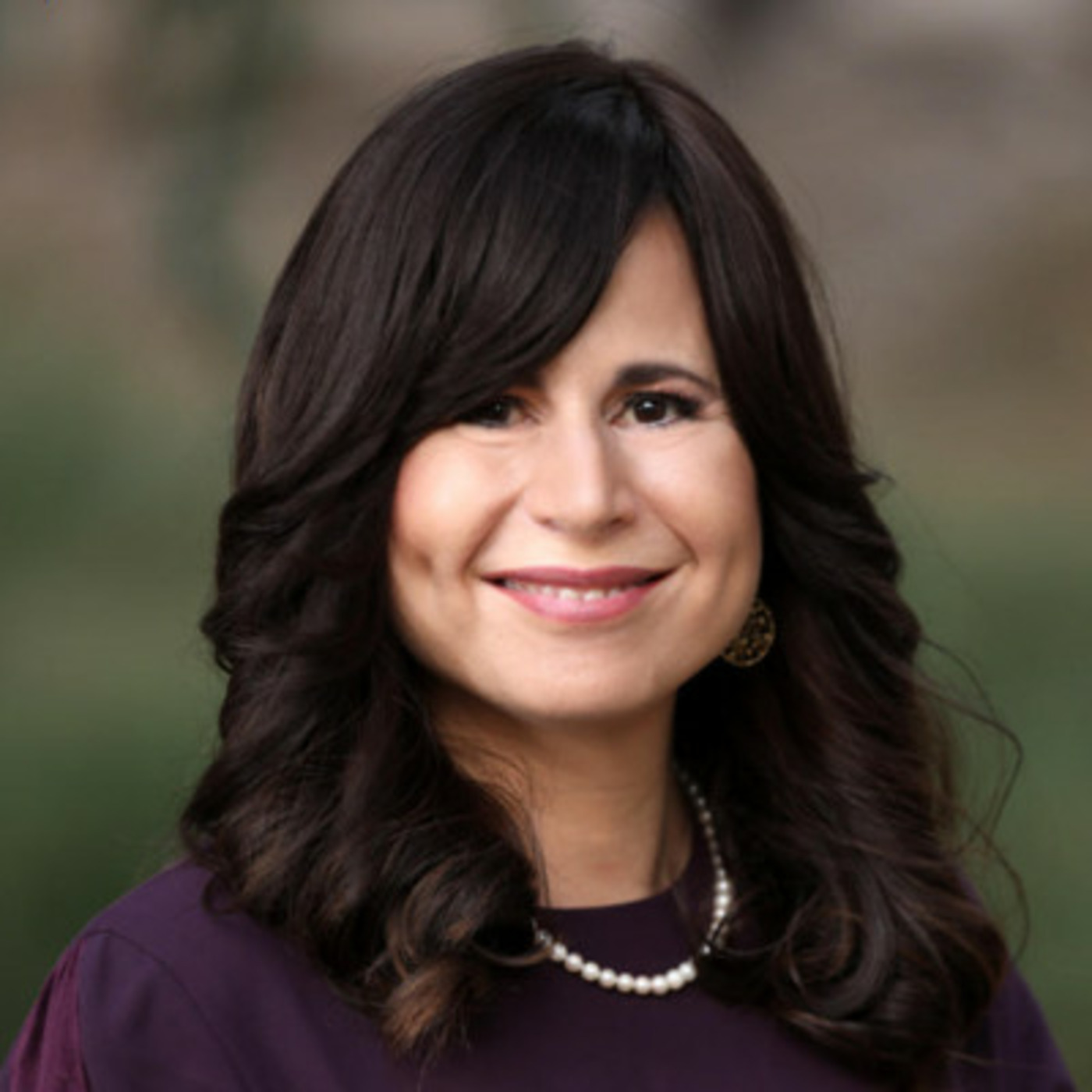
Maeve Mc: How fear can be both a friend and motivator. Hello, I’m Maeve McCullen, and welcome to this 50 Faces focus series, which showcases inspiring Israeli women in tech and beyond. Today I’m joined by Fran Yakubovitz, who is CEO at Sunhouse Marketing. Sunhouse is a full-service digital marketing and lead generation agency serving clients across 4 continents. Verticals including medtech, pharma, fintech, startups, law, consumer goods, education, and SaaS. Fran previously held a range of director of marketing positions across firms in Israel and Canada and is a passionate advocate for entrepreneurs across Israel. Welcome, Fran. Thanks so much for joining me today.
Fran: Thank you, Maeve. It’s such a pleasure to be here. One of my favorite topics is women in tech, so super excited to join you.
Maeve Mc: Brilliant. So can you talk us through your career journey and how you came to develop an expertise in digital marketing and lead generation?
Fran: Absolutely. I think it’s worth telling you that I grew up in a PR firm. What does that mean? My father had a successful public relations firm in Toronto, Canada, and as a teenager, I joined the firm, first starting in the summers as a student, and then even after university, I was extraordinarily involved in his firm. Even as a 16, 17-year-old, I remember typing press releases and putting together media kits and working at events. So it’s really in my DNA. And then what happened was after university and after spending some time in my dad’s firm, I decided that I’d like to go out on my own and work for some wonderful organizations in marketing and PR and sales capacity, and then moved to Israel in 1999. My first position in Israel, I had the opportunity of working as the director of content for a brand new e-commerce group. This is 2006, maybe. And one of the team members asked, was I interested in doing some work on Facebook? And I’d heard of Facebook. You know, this was October or November of 2006. And in fact, was one of the first public users of the platform. There was no training in Facebook. There was no training in internet marketing and Google Ads. You know, you had to master it on your own. On them and you had to learn as you went. And that’s exactly what I did. I was so excited and passionate about it because it was like a natural extension of what I had been doing earlier, but just in a different platform.
Maeve Mc: How long did it actually take you to master all those different platforms?
Fran: You know, mastery is a funny word because basically, you know, in those days it was, you know, do you know how to use Facebook as a marketing tool? It was like, oh sure I do. And you know, you would, uh, you knew what you knew and then you would scrambled to learn more just like everybody else. So there was no mastery back in the day. But, you know, today certainly I am a master in all things social and all things Google Ads, and as is my team. But back in the day, really, you know, the mastery came on the job. So in terms of how long it really took to become a master, took years. But I was doing what everybody else was doing and doing my best. And because I had a marketing and PR background, I was able to leverage the technology for my client’s best interests. So I don’t know if I could have called myself a master back in the day, but certainly it was, you know, working really aggressively to bring value to my customers. But really, you know, I didn’t even begin— that was, you know, prior to my opening my own business. This was working for others. And then, you know, once you master Facebook, you know, again, this is 2006 and 2007, you know, then it was Twitter and YouTube and, you know, whatever was available back then. And it was really an exciting time. You kind of felt like it was the Wild West because there were no rules. You know, you basically, you know, push the limits of the possibilities of Facebook and hope that, you know, they didn’t disconnect your profile or your, you know, whatever platform you were existing on. And that did happen all the time. You know, they didn’t tell you, you know, you can only invite so many friends to follow you on Facebook back in the day. You would, you know, push it to your limit. And at some point they might get annoyed at you and just cut you out. I mean, there’s just no rhyme or reason.
Maeve Mc: But it was fun.
Fran: It was really exciting.
Maeve Mc: Uh-huh. So then I know that in 2009, things changed for you a lot, for both you and your husband. Can you talk to me about that a wee bit?
Fran: For sure. That’s an understatement. So the market crashed in 2009. My husband was working for a large tech company and I was working as director of marketing for a large nonprofit. And within 2 hours of each other, we were both laid off from our positions. My husband’s entire office was shut down and the nonprofit nonprofit that I was working for, their donor lost millions. And we were literally told 2 hours apart that we were both unemployed. And it was like a stunning moment for us, stunning in a bad way. And it seemed like the biggest disaster actually at the time. We were young parents. I had 3 little kids and a huge mortgage and was in a state of panic about how was I going to, you know, what was I going to do and how was I going to pay my bills? It was a scary time. But I do want to say Sometimes what seems like a disaster ends up being, you know, an incredible opportunity. And I know it sounds trite because we hear that, you know, one door closes and another opens, but that’s exactly what happened for us. Because after we reeled from this news, within a week, I’d say, people heard that we were both unemployed and they knew that we were both in marketing and sales and we started getting requests for projects while we were looking for work. And then one project came and another came and another. And finally my husband said to me, you know, you see what’s happening. We have a model here. There’s an opportunity here. And I was like, no, no, no, I have to get a real job. I need a salary. But the business just kept coming. It was bizarre. And at some point I realized, you know, we’ve got to do this. This is my opportunity. So, you know, in some cases a person thinks long and hard about opening their business and is this the right move? But for us, it was just sort of like presented to me, you know, it was like, it was presented so easily to me and it was thankfully a relatively easy transition.
Maeve Mc: And so I’m curious, since both of you and your husband are working together, how do you get that balance between work and home life?
Fran: Maeve, that’s a dangerous question. Let me say it this way. I’m happily married. I’m actually— we just celebrated our 30th anniversary.
Maeve Mc: Congratulations.
Fran: Thank you. We have 5 beautiful children, and the way in which we create harmony in our home is by having 2 physically separate offices. We do not work in the same location. We’re extraordinarily respectful of each other’s domains. So I don’t know if that sounds like a, you know, the happy ending, you know, to a wonderful article in a magazine that everybody wants to hear about because it’s simply not that way. But we’ve made it work, but only because we’re really keeping things super separate.
Maeve Mc: No, I think it’s actually— it’s rather than the happy ending, I think it’s the realistic, constructive way to deal with working together. So I commend you for being able to do that.
Fran: Thank you.
Maeve Mc: So do you have any advice for people starting up their own business?
Fran: Certainly. I mean, there’s lots of dos and don’ts. I’ll tell you a story. When we first began in business, you know, actually, you know, money was pouring in. It was exciting and overwhelming. And I remember turning to one of my hires, my first hires, and saying, I can’t actually believe this, but we’re making money. And then the accountant called and said, I have good news and I have bad news. The good news is, you know, you made $100,000 in the last X amount of time. But the bad news is you owe— I forget what the amount was— $20,000 in taxes or $25,000 in taxes. And of course, I didn’t have $25,000 to hand over to the tax authorities, and I ended up having to take out a loan. So I ended up firing that accountant, getting a new accountant, and learning that I needed terrific people in place to support me in those areas where I didn’t have knowledge. I had great knowledge in marketing, great knowledge in digital and sales at some point, but I recognized there were certain areas of weakness and I had to fill those gaps. So the first thing I would say is ensure that you’re surrounding yourself by talent and skilled professionals where you lack those skills. And the other thing I would say, I remember when we were first starting out, sitting at a— I was at a wedding. I remember this very clearly. I was sitting at a wedding next to a very successful businessman. And I asked him, I said, you know, business is going great. And this is maybe a year in and we already had 5 or 6 people employed. And we were still in my home office and I had squeezed 5 or 6 people into a small room. And it was very uncomfortable to the point where if we had a meeting and we needed quiet, they’d go to the bathroom and shut the door. Like, it was actually. Hilarious, But that’s what was going on. And I said, you know, when should I move from our home into a real office and spend money on, you know, an office and rent and all that stuff? And he said, hold tight and don’t spend until you absolutely have to, until it’s absolutely unbearable. And it was great advice because we actually, you know, we dealt with it, we all dealt with it. And by the time we did move to an office, I was able to buy the office space as opposed to rent the office space. Space. So the point I want to say here is, you know, it’s fun to have that fancy, you know, cappuccino maker, and it’s fun to have gorgeous office furniture, and don’t we all want that? But honestly, like, be super cautious about your spending, especially in the first couple of years. Just invest it right back into your company, into your staff. The most important expenses would be to invest back into your team, I would say.
Maeve Mc: Oh, that’s such great advice. I love the image of the person in the bathroom having to go into kids’ space.
Fran: It was so funny.
Maeve Mc: That’s brilliant.
Fran: And it made it so exciting when we actually moved into an office space. It was like we’d won the lottery.
Maeve Mc: Oh, I’m sure. You must have known yourselves.
Fran: Yeah, we were just thrilled.
Maeve Mc: Yeah, it must also have created a bond between all of you.
Fran: Well said. It really did. I remember we had gone as a group to IKEA and bought furniture, and we all put the furniture together in the office. I mean, that was really back in the day, and it was so much fun. We really all felt like we were doing something really special together, that we were building something special. And I have employees— and that is a long time ago, that was, again, that was, uh, 2009, you know, maybe we’d moved into the office by 2010, ’11, I can’t remember. And I have many of those employees still with me, and I think part of the reason is because It’s been important for me that along this journey they felt like they really owned it, that this isn’t just about Fran being successful in business, but it’s about all of us being successful in business. And it’s been really fun. It’s been really fun.
Maeve Mc: Yeah, it sounds like it. So as for you, like, as a woman in business, are there any skills that you’ve had to learn along the way?
Fran: Good question. And most certainly, I never managed until you know, I would say well into my career and management of others and motivating others is definitely a skill. It’s something you have to develop and also how to motivate and inspire your staff and advocate for your staff. You know, these are skills that you have to learn. So definitely there was a process of me having to learn. And just as one’s business grows, you know, there’s growing pains. You know, it’s like learning how to quickly fill gaps when gaps occur, because as you grow, those gaps occur, you know, all of a sudden there’s not enough hands on deck. What do you do and how do you move into that process and fill those gaps fast? So there was so much learning.
Maeve Mc: How would you— advice would you give to women who experience fear around asking for a raise or asking for a promotion? How would you recommend that they advocate for themselves?
Fran: Okay, great question. And you mentioned the word fear. I want to say fear can be actually our best— our partner in crime, as it were. Fear can be a tremendous motivator. And I often say when I feel fear, it’s probably because I need to move in that direction. Often it’s a signal for me that this is something I need to do. We have to push back past our fear is what I’m trying to say and use that energy that we get that fear and harness it in a positive way. You know, women have to be their own advocates. Even today, you know, we need to first of all support each other as a community, but also we have to advocate on our own for ourselves and come in super prepared. You know, one of the things that I have seen to be effective with my own employees and what I have done for myself in the past when I worked for others was to come in with a list of all your current successes. You know, what are the things that you have brought to the table for this company or for this organization? And then based on that, it’s data, it’s proof, and feel proud of those successes and flaunt those successes. Because if you don’t flaunt them, it may not get in front of your— the decision maker’s face. And it’s up to you to ensure that your successes are presented in the right way.
Maeve Mc: Just thinking about this about women, I’m curious what you think about when should women take no for an answer?
Fran: Tell me what you mean by that. Let’s go further with that. Where? In what environment?
Maeve Mc: Well, in a working situation, I do find that women, say they ask for a raise or they ask for a promotion, they will, a lot of the time, they will hear no and then just not push back. Where I think not always men will because they don’t necessarily think that no is the end but could be the beginning to a negotiation.
Fran: Excellent point. No is never the end. No is never the end. By the way, this is not just with employees and employers. This is with myself and my clients. You know, it’s the same model. I think sometimes Clients are surprised when I say, you know, it’s time for, you know, a monthly— it’s time to increase our monthly retainer. You know, it’s been X amount of years and here we go. And they’re surprised because, you know, because I’m a woman, if I can be frank. I mean, I think the same is true. No is never no, you know, but it’s about proving your worth, meaning you do need to come prepared, come to the table and say, look, these are our wins. These are our successes and this happened because of the work that I’ve done, or at least in conjunction with my team, this is the work that we’ve achieved. And if you can show that, those hard facts, stick by them and don’t You budge. Know, at the same time, be reasonable. If— what does that mean? That you means, know, if you’ve recently already got some kind of raise or if the market is going to bear a certain level of salary, you have to be respectful of that as well. You know, there’s the truths out there in the marketplace. But if you’re not being paid fairly, you, again, you’re there to advocate for yourself honestly. And if the employer is really stuck on no, then it may be time to move elsewhere where you’re going to be respected for the work that you do and the value you bring to the table.
Maeve Mc: And I guess that actually implies that you also have to have some confidence in your abilities if you can, to be able to say, I’m moving on. Which goes back to what you’re saying about know your value.
Fran: 100%. And you know what, it’s easy for me to say now in my 50s because over the years I’ve been able to develop, first of all, a thick skin, and secondly, a tremendous amount of confidence and belief in my self-worth as a professional. Interestingly, I think you’re touching on something, and that is that many men, not all, but many men have that naturally, that ability to It’s not ability. Let me take that back. They have this level of self-confidence sort of built into their DNA. And for whatever reason that we can analyze and assess, and I think we all know that there’s— for women, there are things that are broken in our society that need fixing. But for some women, it’s something that has to develop over time. And it’s a skill that you have to hone. It’s a muscle that you have to develop. And it’s something that you need to do as a professional. Woman to ensure that you’re being fairly remunerated for the hard work that you do.
Maeve Mc: Absolutely. I just wanted to ask you also, as a religious woman, how do you find you are perceived within the workplace?
Fran: Excellent question. I don’t know if we had mentioned the fact that I am religious, but it’s an important point when we— I guess we discussed earlier And I would like to, you know, point out that it has had its opportunities and its challenges. On the one hand, actually, in Israel, it’s refreshing to see the openness and the warmth that in which I’ve been embraced by other women business owners and women entrepreneurs and people in the tech space. On the other hand, there are times when I walk into a meeting and people look at me and I look obviously religious because I’m dressed very modestly, for example, and they recognize that I’m religious. And you could see a certain like glaze go over their eyes, like, what in the world is this woman doing in my boardroom? But I think that as soon as I talk intelligently and I showcase the skill, the expertise that I own, you know, that funny look dissipates. And then within, you know, a matter of time, and if I have the opportunity to I showcase my value, that disappears. And then equally, I find that I’m embraced. But there is that, you know, those initial moments of, gosh, what is that religious woman doing in my boardroom? Because at least, you know, maybe 10 years ago, there weren’t that many Orthodox women who were, you know, in the Tel Aviv scene, you know, working in tech. However, it’s lovely because now, especially with younger generations of women, we’re seeing more and more of a proliferation of young Orthodox women working in this market as well. So those moments are thankfully far and far between. So I’m grateful for that.
Maeve Mc: I’m sure, I’m sure. Actually, that leads sort of to my next question, which is the changes that you’ve perceived in Israel in the tech field and as an entrepreneur in the last 20 years.
Fran: So great question, because when I first moved to Israel, you know, there were certainly a lot more men in the picture. Women played roles, but they played roles in capacities like marketing and human resources, not in technology-based roles. But gratefully, first of all, Israel really embraces and values women in the workplace, especially women in the tech sector. So thankfully it’s really changed. And I would say this is due in part not just to the Israeli culture, where, you know, women play a very strong role in the military, for example. But also because Israel is, you know, a big tech hub, a lot of multinationals set up office here, and they come in with values that are very North American, and that levels out the playing field.
Maeve Mc: When you talk about women being in tech, would you still say though it’s more in sort of the marketing side of things, or would you say there are actually more programmers and developers as well. Would you say it’s sort of equally spread across?
Fran: Definitely, definitely. Actually, I’ll even say as a religious woman, I’ve noted that religious universities and colleges— yes, that’s, that’s a thing here because religious women like prefer studying amongst other women, for example. So there’s a lot of programming and development, engineering and science-based programs and certifications now that didn’t exist when I first got here. Yes, women are playing a larger role in technical positions, which is great. But it’s interesting, I will say on the other side, that sometimes women are perceived, even if they’re super talented and they’re doing a great job, as filling a quota if they’re religious, meaning their peers may assume, well, of course, you know, this person got the job because they’re a religious woman and, you know, this company needs to ensure that that minority is represented here. So it’s interesting because bias comes not just from the top, it can come from our peers as well. There’s still need for change and still need for, you know, education, I guess, amongst minorities. By the way, you can replace religious Jewish woman with a Muslim woman or hearing impaired man or woman or whatever, you know, like there’s still minorities in Israel that do need to be better represented in the corporate world and most definitely in tech.
Maeve Mc: And do you think using those quotas goes towards that, helps with improving their representation?
Fran: I think so. You know, this is an excellent question and one I have to think about more deeply because at the same time, you know, when I hire, and by the way, I have a majority female staff, I really do hire based on talent. But perhaps as a woman business owner, like I am more attuned to women and therefore want to have more, you know, female representation because, you know, I, I’m such a supporter of women in business. But I do think it’s important. I think maybe women now are being more and more well represented. I would say minorities still do need to be. I don’t see women as a minority in Israel at all. They play big roles here. The super big roles, like the C-level roles, not so much, especially in tech. Actually, there are definitely a need to fill those gaps, but even more so amongst minorities, you know, the Arab minority, the, yes, the Jewish religious minority. I would say the Ethiopian minorities here, there are communities that aren’t as well represented and that needs to happen. So if it’s going to take, you know, like a quota system or some type of system to kickfire that, so be it.
Maeve Mc: And I know you are passionate about helping entrepreneurs. How do you advocate for them? How do you help them?
Fran: So I am very passionate about it, and one of the activities I build into my week is devoting time pro bono to young companies and young entrepreneurs by giving them marketing advice and sales advice. And I actually, you know, it’s so important to me that I schedule it in. I don’t miss a week, and it’s important for me to give back. And one of the reasons is because others gave so much to me as I was growing my own business, men and women alike. And I feel I just need to give that back.
Maeve Mc: And like talking about mentors, do you feel like there are any people who were very important for you in your career?
Fran: Absolutely. Actually, one of my greatest mentors was my father. I mentioned at the beginning of our interview that I began in his organization, in his company, and it was first about how to work in a business environment and how to liaise with my clients. But I’d say the biggest lesson learned from my father was how to be a compassionate business owner. And that means, you know, really taking into account those people that you work with and respecting them and respecting their personal lives and that there’s lots going on in the background, you know, especially, you know, for example, during a year like COVID, stuff happens and people are going through things and it’s about being a compassionate CEO and being in a place, a safe place for my staff to come to. My father was very much that type of business owner and left a huge impression on me. So certainly he was a role model. And even today I have mentors. I have a wonderful mentor that I’m working with now whose business is about, you know, is a lot larger than mine, but about 10 years ago was the same size as mine. And he has been very generous in helping me to scale my business. We speak once a week. Everything is pro bono. You know, he’s never asked for a dime. He’s just a wonderful human being. And I value that relationship so much because it’s given me so much guidance.
Maeve Mc: So it sounds like you would suggest that people should have always have mentors throughout their life. It’s not something that you need just at the beginning.
Fran: Oh, most definitely. You know, there’s always room to grow. There’s two types of partnerships that one needs when one runs a business. Business. In One is mentors, you know, and choose that person that is 10 years ahead of where you want to be and learn from them because they’ve gone through the pain. You know, they’ve gone through the painful growth process. Perhaps you can avoid some of the mistakes made and you can learn from the good decisions that were made. So I say that’s extremely important. And I’ll tell you, the other thing that’s been extremely important for me is creating strategic partners. These are other business owners that I learned from where, you know, perhaps all the same level of success monetarily or in terms of size of business, for example, but we’re each other’s cheerleaders. And also, if we really value each other’s work, we also refer business to each other and we act as a support network to each other. It can be, you know, for some women business owners, it can feel like sometimes an isolating experience. I will say also, as a religious woman business owner, sometimes it could feel isolating because perhaps some of my peers anyways may not be business owners. Although surprisingly, in Israel, there are many, many, many religious women business owners, and it was just a matter of me going out and connecting with them. But more importantly, I’m not just interested in speaking to, you know, one specific group. I think it’s extremely important for me to connect with other women in the country across all sectors. And these women have ended up being wonderful friends, tremendous support systems, and incredible bridges for new business opportunities. And I’d say That’s been a wonderful place for me to succeed, and I love to give back to those partners. And by the way, it doesn’t need to just be women. I have wonderful partner male, you know, strategic partners as well. And there’s just a lot of give and take. One thing I would say about the Israeli business environment is that it’s extremely welcoming and giving. People are very kind and give a lot of their time simply to help their colleague with no strings attached. I find that very refreshing.
Maeve Mc: What advice would you have for your younger self, or is there anything that you know now that you wish you had known then?
Fran: It’s that fear factor, you know. Embrace new things, embrace challenge. Whenever something’s uncomfortable, you’re doing it right, you know. Like, if it’s uncomfortable and you’re nervous about it, well, you’re heading in the right direction. So, you know, allow yourself to embrace that feeling and don’t allow it to hold you back. And then, you know, the sky’s the limit. I want to talk about one thing, especially for women. Women are afraid to get into the public spotlight. You know, everyone’s talking about how important it is to engage on LinkedIn and to basically, quote unquote, show off your expertise. Unfortunately, many women feel really uncomfortable about this. You know, perhaps it’s not the way they were raised. It’s not in their DNA. But you have to push past that because only you’re going to be your best advocate. So don’t be afraid. To put yourself into that public place. I think that’s really important. I’d say the other thing I would have told my younger self is to trust my gut instincts. Sometimes I made decisions based on, you know, what other people were telling me to do. And in my heart of hearts, you know, maybe I kind of knew that it wasn’t the best move for me. So trust your instincts. And I want to say two other things, and this is something I have to tell myself even today. You know, it’s not all about work, you know. Hopefully you have loved ones around you and wonderful friends and family, maybe a, you know, a special partner in your life. Make time for them. They’re really the most important thing. You know, we shouldn’t be running ourselves ragged, falling into bed and getting up the next day and starting all over again. Play with your kids if you have children, you know, eat properly, exercise, go on a date with your partner. Go on a vacation. You know, your business isn’t going to fall apart because you’ve not answered your WhatsApps for 24 hours. I’m here to tell you. But it’s something I have to— even now, I still have to remind myself. I have to talk to myself and tell myself these things. And honestly, I will say, you know, this is— I’m talking about me, but, you know, I have to remember there’s a higher power. I call it God. Other people will call it, you know, spiritual energy or positive energy. But there’s much more to life you know, just, than, you know, our physical selves on the ground. You know, there’s a larger spiritual energy running the world. You have to put in your due diligence, you have to put in the effort, and then you have to say, okay, the rest is up to the powers that be. You know, I’ve done my due diligence, the rest is out of my control, and let go. Just let go after that.
Maeve Mc: That’s really good advice. I think that it’s also so hard to just let go and I understand that it is. I think it’s so hard for most people, you know, and a lot of your advice also really resonates in a time like right now with COVID you know, taking the time, taking a step back, don’t work 24/7. Have you found that COVID has affected your business or how your perspective on business and life in any way?
Fran: I would say profoundly impacted me. Firstly, when you COVID, know, first reared its ugly head back in February and March of last year, many of our clients were in the real estate space, the education space, and the retail space. And obviously the restaurant space and all those industries were so hard hit. And we probably lost about half of our clients within about a 2-month period. We were also working in the tourism space. Really, I think we lost about half of our business within a 2-month period, and it was very distressing. And I would say the most painful point for me was not even the financial aspect, but was having to say to my team, I have to, you know, put you on furlough. And many of my team are parents, you know, with serious financial responsibilities. I mean, everybody has serious financial responsibilities. So I felt very saddened that I had to go through that process for them. But again, you know, like after I got over the initial panic, I recognized I’m actually very blessed and fortunate because I work in digital marketing. It doesn’t matter where my staff is, you know, they can work and the footprint that I’m creating can happen in other industries. And if I can pivot, and I hate using that word, if you can pivot into other industries, you you can, know, get back on your feet. And that’s exactly what I did. So it was a couple of months of immense hustling to garner new business in new industries. And that’s what we did. And it was very life-changing because it taught me that there’s no such thing as the end. It’s up to you to define your future, not to get bogged down by the environment that you’re in. You know, there’s always good— I mean, COVID is an enormously strong example of this. But even when things are quote unquote normal, there are things that happen. And it’s about being resilient and flexible and being open to change. And so, you know, those are things that I had to do and they changed me for the better. You know, I know that if something hits me from the left again, I’ll be prepared. I’ll know that I can do it. So it’s helped me to gain confidence, but it was certainly not a fun process. I don’t wish to revisit it, but it’s made me more resilient as a business person.
Maeve Mc: Yeah, no, I think resilience is— I think everyone’s been faced with that at this time, the importance of resilience and the importance of keeping going and being.
Fran: Flexible, you know, recognizing that you don’t have to, you know, do work in the exact same way that you did it for the last 10 years, you know. And again, I want to say I’m fortunate because A, it’s digital marketing, B, I’m used to it because, you know, you’re always moving from platform to platform. And also I moved from one country to another. So I’ve gone through these types of adjustments before. You know, it was no fun having to do sort of everything all at once. And again, you know, it’s not like I’m running to embrace that again because it was really stressful and hard, really stressful. I went through a lot of upheaval because of it, as did my staff. I’m happy to say that I was able to rehire everybody.
Maeve Mc: Oh, that’s wonderful.
Fran: Yes. And actually, you know, because it was end of year not so long ago, we were shocked to find out that we actually did a little bit better in 2020 than we had done in 2019. So it was shocking. Like at the end of the day, you know, it ended up being a good year.
Maeve Mc: Well, congratulations. That’s nice to hear. It’s good to hear good news. Well, you know, Fran, thank you so much for all your honesty and insights. And it’s been a pleasure talking with you today. And yeah, we really appreciate it.
Fran: Pleasure. Really enjoy talking with you as well. Thanks so much for the opportunity.
Maeve Mc: I’m Maeve McCullen. Thank you for listening to our 50 Faces focus series. If you liked what you heard and would like to tune in to hear more inspiring Israeli women in tech and beyond, please subscribe on Apple Podcasts or wherever you get your podcasts.
Speaker C: This podcast series was made possible by the kind support of Alisa Bayer and Avatel Oisgeld. This podcast is for informational purposes only and should not be construed as investment advice, and all views are personal and should not be attributed to the organizations and affiliations of the host or any guest.
Maeve Mc: How fear can be both a friend and motivator. Hello, I’m Maeve McCullen, and welcome to this 50 Faces focus series, which showcases inspiring Israeli women in tech and beyond. Today I’m joined by Fran Yakubovitz, who is CEO at Sunhouse Marketing. Sunhouse is a full-service digital marketing and lead generation agency serving clients across 4 continents. Verticals including medtech, pharma, fintech, startups, law, consumer goods, education, and SaaS. Fran previously held a range of director of marketing positions across firms in Israel and Canada and is a passionate advocate for entrepreneurs across Israel. Welcome, Fran. Thanks so much for joining me today.
Fran: Thank you, Maeve. It’s such a pleasure to be here. One of my favorite topics is women in tech, so super excited to join you.
Maeve Mc: Brilliant. So can you talk us through your career journey and how you came to develop an expertise in digital marketing and lead generation?
Fran: Absolutely. I think it’s worth telling you that I grew up in a PR firm. What does that mean? My father had a successful public relations firm in Toronto, Canada, and as a teenager, I joined the firm, first starting in the summers as a student, and then even after university, I was extraordinarily involved in his firm. Even as a 16, 17-year-old, I remember typing press releases and putting together media kits and working at events. So it’s really in my DNA. And then what happened was after university and after spending some time in my dad’s firm, I decided that I’d like to go out on my own and work for some wonderful organizations in marketing and PR and sales capacity, and then moved to Israel in 1999. My first position in Israel, I had the opportunity of working as the director of content for a brand new e-commerce group. This is 2006, maybe. And one of the team members asked, was I interested in doing some work on Facebook? And I’d heard of Facebook. You know, this was October or November of 2006. And in fact, was one of the first public users of the platform. There was no training in Facebook. There was no training in internet marketing and Google Ads. You know, you had to master it on your own. On them and you had to learn as you went. And that’s exactly what I did. I was so excited and passionate about it because it was like a natural extension of what I had been doing earlier, but just in a different platform.
Maeve Mc: How long did it actually take you to master all those different platforms?
Fran: You know, mastery is a funny word because basically, you know, in those days it was, you know, do you know how to use Facebook as a marketing tool? It was like, oh sure I do. And you know, you would, uh, you knew what you knew and then you would scrambled to learn more just like everybody else. So there was no mastery back in the day. But, you know, today certainly I am a master in all things social and all things Google Ads, and as is my team. But back in the day, really, you know, the mastery came on the job. So in terms of how long it really took to become a master, took years. But I was doing what everybody else was doing and doing my best. And because I had a marketing and PR background, I was able to leverage the technology for my client’s best interests. So I don’t know if I could have called myself a master back in the day, but certainly it was, you know, working really aggressively to bring value to my customers. But really, you know, I didn’t even begin— that was, you know, prior to my opening my own business. This was working for others. And then, you know, once you master Facebook, you know, again, this is 2006 and 2007, you know, then it was Twitter and YouTube and, you know, whatever was available back then. And it was really an exciting time. You kind of felt like it was the Wild West because there were no rules. You know, you basically, you know, push the limits of the possibilities of Facebook and hope that, you know, they didn’t disconnect your profile or your, you know, whatever platform you were existing on. And that did happen all the time. You know, they didn’t tell you, you know, you can only invite so many friends to follow you on Facebook back in the day. You would, you know, push it to your limit. And at some point they might get annoyed at you and just cut you out. I mean, there’s just no rhyme or reason.
Maeve Mc: But it was fun.
Fran: It was really exciting.
Maeve Mc: Uh-huh. So then I know that in 2009, things changed for you a lot, for both you and your husband. Can you talk to me about that a wee bit?
Fran: For sure. That’s an understatement. So the market crashed in 2009. My husband was working for a large tech company and I was working as director of marketing for a large nonprofit. And within 2 hours of each other, we were both laid off from our positions. My husband’s entire office was shut down and the nonprofit nonprofit that I was working for, their donor lost millions. And we were literally told 2 hours apart that we were both unemployed. And it was like a stunning moment for us, stunning in a bad way. And it seemed like the biggest disaster actually at the time. We were young parents. I had 3 little kids and a huge mortgage and was in a state of panic about how was I going to, you know, what was I going to do and how was I going to pay my bills? It was a scary time. But I do want to say Sometimes what seems like a disaster ends up being, you know, an incredible opportunity. And I know it sounds trite because we hear that, you know, one door closes and another opens, but that’s exactly what happened for us. Because after we reeled from this news, within a week, I’d say, people heard that we were both unemployed and they knew that we were both in marketing and sales and we started getting requests for projects while we were looking for work. And then one project came and another came and another. And finally my husband said to me, you know, you see what’s happening. We have a model here. There’s an opportunity here. And I was like, no, no, no, I have to get a real job. I need a salary. But the business just kept coming. It was bizarre. And at some point I realized, you know, we’ve got to do this. This is my opportunity. So, you know, in some cases a person thinks long and hard about opening their business and is this the right move? But for us, it was just sort of like presented to me, you know, it was like, it was presented so easily to me and it was thankfully a relatively easy transition.
Maeve Mc: And so I’m curious, since both of you and your husband are working together, how do you get that balance between work and home life?
Fran: Maeve, that’s a dangerous question. Let me say it this way. I’m happily married. I’m actually— we just celebrated our 30th anniversary.
Maeve Mc: Congratulations.
Fran: Thank you. We have 5 beautiful children, and the way in which we create harmony in our home is by having 2 physically separate offices. We do not work in the same location. We’re extraordinarily respectful of each other’s domains. So I don’t know if that sounds like a, you know, the happy ending, you know, to a wonderful article in a magazine that everybody wants to hear about because it’s simply not that way. But we’ve made it work, but only because we’re really keeping things super separate.
Maeve Mc: No, I think it’s actually— it’s rather than the happy ending, I think it’s the realistic, constructive way to deal with working together. So I commend you for being able to do that.
Fran: Thank you.
Maeve Mc: So do you have any advice for people starting up their own business?
Fran: Certainly. I mean, there’s lots of dos and don’ts. I’ll tell you a story. When we first began in business, you know, actually, you know, money was pouring in. It was exciting and overwhelming. And I remember turning to one of my hires, my first hires, and saying, I can’t actually believe this, but we’re making money. And then the accountant called and said, I have good news and I have bad news. The good news is, you know, you made $100,000 in the last X amount of time. But the bad news is you owe— I forget what the amount was— $20,000 in taxes or $25,000 in taxes. And of course, I didn’t have $25,000 to hand over to the tax authorities, and I ended up having to take out a loan. So I ended up firing that accountant, getting a new accountant, and learning that I needed terrific people in place to support me in those areas where I didn’t have knowledge. I had great knowledge in marketing, great knowledge in digital and sales at some point, but I recognized there were certain areas of weakness and I had to fill those gaps. So the first thing I would say is ensure that you’re surrounding yourself by talent and skilled professionals where you lack those skills. And the other thing I would say, I remember when we were first starting out, sitting at a— I was at a wedding. I remember this very clearly. I was sitting at a wedding next to a very successful businessman. And I asked him, I said, you know, business is going great. And this is maybe a year in and we already had 5 or 6 people employed. And we were still in my home office and I had squeezed 5 or 6 people into a small room. And it was very uncomfortable to the point where if we had a meeting and we needed quiet, they’d go to the bathroom and shut the door. Like, it was actually. Hilarious, But that’s what was going on. And I said, you know, when should I move from our home into a real office and spend money on, you know, an office and rent and all that stuff? And he said, hold tight and don’t spend until you absolutely have to, until it’s absolutely unbearable. And it was great advice because we actually, you know, we dealt with it, we all dealt with it. And by the time we did move to an office, I was able to buy the office space as opposed to rent the office space. Space. So the point I want to say here is, you know, it’s fun to have that fancy, you know, cappuccino maker, and it’s fun to have gorgeous office furniture, and don’t we all want that? But honestly, like, be super cautious about your spending, especially in the first couple of years. Just invest it right back into your company, into your staff. The most important expenses would be to invest back into your team, I would say.
Maeve Mc: Oh, that’s such great advice. I love the image of the person in the bathroom having to go into kids’ space.
Fran: It was so funny.
Maeve Mc: That’s brilliant.
Fran: And it made it so exciting when we actually moved into an office space. It was like we’d won the lottery.
Maeve Mc: Oh, I’m sure. You must have known yourselves.
Fran: Yeah, we were just thrilled.
Maeve Mc: Yeah, it must also have created a bond between all of you.
Fran: Well said. It really did. I remember we had gone as a group to IKEA and bought furniture, and we all put the furniture together in the office. I mean, that was really back in the day, and it was so much fun. We really all felt like we were doing something really special together, that we were building something special. And I have employees— and that is a long time ago, that was, again, that was, uh, 2009, you know, maybe we’d moved into the office by 2010, ’11, I can’t remember. And I have many of those employees still with me, and I think part of the reason is because It’s been important for me that along this journey they felt like they really owned it, that this isn’t just about Fran being successful in business, but it’s about all of us being successful in business. And it’s been really fun. It’s been really fun.
Maeve Mc: Yeah, it sounds like it. So as for you, like, as a woman in business, are there any skills that you’ve had to learn along the way?
Fran: Good question. And most certainly, I never managed until you know, I would say well into my career and management of others and motivating others is definitely a skill. It’s something you have to develop and also how to motivate and inspire your staff and advocate for your staff. You know, these are skills that you have to learn. So definitely there was a process of me having to learn. And just as one’s business grows, you know, there’s growing pains. You know, it’s like learning how to quickly fill gaps when gaps occur, because as you grow, those gaps occur, you know, all of a sudden there’s not enough hands on deck. What do you do and how do you move into that process and fill those gaps fast? So there was so much learning.
Maeve Mc: How would you— advice would you give to women who experience fear around asking for a raise or asking for a promotion? How would you recommend that they advocate for themselves?
Fran: Okay, great question. And you mentioned the word fear. I want to say fear can be actually our best— our partner in crime, as it were. Fear can be a tremendous motivator. And I often say when I feel fear, it’s probably because I need to move in that direction. Often it’s a signal for me that this is something I need to do. We have to push back past our fear is what I’m trying to say and use that energy that we get that fear and harness it in a positive way. You know, women have to be their own advocates. Even today, you know, we need to first of all support each other as a community, but also we have to advocate on our own for ourselves and come in super prepared. You know, one of the things that I have seen to be effective with my own employees and what I have done for myself in the past when I worked for others was to come in with a list of all your current successes. You know, what are the things that you have brought to the table for this company or for this organization? And then based on that, it’s data, it’s proof, and feel proud of those successes and flaunt those successes. Because if you don’t flaunt them, it may not get in front of your— the decision maker’s face. And it’s up to you to ensure that your successes are presented in the right way.
Maeve Mc: Just thinking about this about women, I’m curious what you think about when should women take no for an answer?
Fran: Tell me what you mean by that. Let’s go further with that. Where? In what environment?
Maeve Mc: Well, in a working situation, I do find that women, say they ask for a raise or they ask for a promotion, they will, a lot of the time, they will hear no and then just not push back. Where I think not always men will because they don’t necessarily think that no is the end but could be the beginning to a negotiation.
Fran: Excellent point. No is never the end. No is never the end. By the way, this is not just with employees and employers. This is with myself and my clients. You know, it’s the same model. I think sometimes Clients are surprised when I say, you know, it’s time for, you know, a monthly— it’s time to increase our monthly retainer. You know, it’s been X amount of years and here we go. And they’re surprised because, you know, because I’m a woman, if I can be frank. I mean, I think the same is true. No is never no, you know, but it’s about proving your worth, meaning you do need to come prepared, come to the table and say, look, these are our wins. These are our successes and this happened because of the work that I’ve done, or at least in conjunction with my team, this is the work that we’ve achieved. And if you can show that, those hard facts, stick by them and don’t You budge. Know, at the same time, be reasonable. If— what does that mean? That you means, know, if you’ve recently already got some kind of raise or if the market is going to bear a certain level of salary, you have to be respectful of that as well. You know, there’s the truths out there in the marketplace. But if you’re not being paid fairly, you, again, you’re there to advocate for yourself honestly. And if the employer is really stuck on no, then it may be time to move elsewhere where you’re going to be respected for the work that you do and the value you bring to the table.
Maeve Mc: And I guess that actually implies that you also have to have some confidence in your abilities if you can, to be able to say, I’m moving on. Which goes back to what you’re saying about know your value.
Fran: 100%. And you know what, it’s easy for me to say now in my 50s because over the years I’ve been able to develop, first of all, a thick skin, and secondly, a tremendous amount of confidence and belief in my self-worth as a professional. Interestingly, I think you’re touching on something, and that is that many men, not all, but many men have that naturally, that ability to It’s not ability. Let me take that back. They have this level of self-confidence sort of built into their DNA. And for whatever reason that we can analyze and assess, and I think we all know that there’s— for women, there are things that are broken in our society that need fixing. But for some women, it’s something that has to develop over time. And it’s a skill that you have to hone. It’s a muscle that you have to develop. And it’s something that you need to do as a professional. Woman to ensure that you’re being fairly remunerated for the hard work that you do.
Maeve Mc: Absolutely. I just wanted to ask you also, as a religious woman, how do you find you are perceived within the workplace?
Fran: Excellent question. I don’t know if we had mentioned the fact that I am religious, but it’s an important point when we— I guess we discussed earlier And I would like to, you know, point out that it has had its opportunities and its challenges. On the one hand, actually, in Israel, it’s refreshing to see the openness and the warmth that in which I’ve been embraced by other women business owners and women entrepreneurs and people in the tech space. On the other hand, there are times when I walk into a meeting and people look at me and I look obviously religious because I’m dressed very modestly, for example, and they recognize that I’m religious. And you could see a certain like glaze go over their eyes, like, what in the world is this woman doing in my boardroom? But I think that as soon as I talk intelligently and I showcase the skill, the expertise that I own, you know, that funny look dissipates. And then within, you know, a matter of time, and if I have the opportunity to I showcase my value, that disappears. And then equally, I find that I’m embraced. But there is that, you know, those initial moments of, gosh, what is that religious woman doing in my boardroom? Because at least, you know, maybe 10 years ago, there weren’t that many Orthodox women who were, you know, in the Tel Aviv scene, you know, working in tech. However, it’s lovely because now, especially with younger generations of women, we’re seeing more and more of a proliferation of young Orthodox women working in this market as well. So those moments are thankfully far and far between. So I’m grateful for that.
Maeve Mc: I’m sure, I’m sure. Actually, that leads sort of to my next question, which is the changes that you’ve perceived in Israel in the tech field and as an entrepreneur in the last 20 years.
Fran: So great question, because when I first moved to Israel, you know, there were certainly a lot more men in the picture. Women played roles, but they played roles in capacities like marketing and human resources, not in technology-based roles. But gratefully, first of all, Israel really embraces and values women in the workplace, especially women in the tech sector. So thankfully it’s really changed. And I would say this is due in part not just to the Israeli culture, where, you know, women play a very strong role in the military, for example. But also because Israel is, you know, a big tech hub, a lot of multinationals set up office here, and they come in with values that are very North American, and that levels out the playing field.
Maeve Mc: When you talk about women being in tech, would you still say though it’s more in sort of the marketing side of things, or would you say there are actually more programmers and developers as well. Would you say it’s sort of equally spread across?
Fran: Definitely, definitely. Actually, I’ll even say as a religious woman, I’ve noted that religious universities and colleges— yes, that’s, that’s a thing here because religious women like prefer studying amongst other women, for example. So there’s a lot of programming and development, engineering and science-based programs and certifications now that didn’t exist when I first got here. Yes, women are playing a larger role in technical positions, which is great. But it’s interesting, I will say on the other side, that sometimes women are perceived, even if they’re super talented and they’re doing a great job, as filling a quota if they’re religious, meaning their peers may assume, well, of course, you know, this person got the job because they’re a religious woman and, you know, this company needs to ensure that that minority is represented here. So it’s interesting because bias comes not just from the top, it can come from our peers as well. There’s still need for change and still need for, you know, education, I guess, amongst minorities. By the way, you can replace religious Jewish woman with a Muslim woman or hearing impaired man or woman or whatever, you know, like there’s still minorities in Israel that do need to be better represented in the corporate world and most definitely in tech.
Maeve Mc: And do you think using those quotas goes towards that, helps with improving their representation?
Fran: I think so. You know, this is an excellent question and one I have to think about more deeply because at the same time, you know, when I hire, and by the way, I have a majority female staff, I really do hire based on talent. But perhaps as a woman business owner, like I am more attuned to women and therefore want to have more, you know, female representation because, you know, I, I’m such a supporter of women in business. But I do think it’s important. I think maybe women now are being more and more well represented. I would say minorities still do need to be. I don’t see women as a minority in Israel at all. They play big roles here. The super big roles, like the C-level roles, not so much, especially in tech. Actually, there are definitely a need to fill those gaps, but even more so amongst minorities, you know, the Arab minority, the, yes, the Jewish religious minority. I would say the Ethiopian minorities here, there are communities that aren’t as well represented and that needs to happen. So if it’s going to take, you know, like a quota system or some type of system to kickfire that, so be it.
Maeve Mc: And I know you are passionate about helping entrepreneurs. How do you advocate for them? How do you help them?
Fran: So I am very passionate about it, and one of the activities I build into my week is devoting time pro bono to young companies and young entrepreneurs by giving them marketing advice and sales advice. And I actually, you know, it’s so important to me that I schedule it in. I don’t miss a week, and it’s important for me to give back. And one of the reasons is because others gave so much to me as I was growing my own business, men and women alike. And I feel I just need to give that back.
Maeve Mc: And like talking about mentors, do you feel like there are any people who were very important for you in your career?
Fran: Absolutely. Actually, one of my greatest mentors was my father. I mentioned at the beginning of our interview that I began in his organization, in his company, and it was first about how to work in a business environment and how to liaise with my clients. But I’d say the biggest lesson learned from my father was how to be a compassionate business owner. And that means, you know, really taking into account those people that you work with and respecting them and respecting their personal lives and that there’s lots going on in the background, you know, especially, you know, for example, during a year like COVID, stuff happens and people are going through things and it’s about being a compassionate CEO and being in a place, a safe place for my staff to come to. My father was very much that type of business owner and left a huge impression on me. So certainly he was a role model. And even today I have mentors. I have a wonderful mentor that I’m working with now whose business is about, you know, is a lot larger than mine, but about 10 years ago was the same size as mine. And he has been very generous in helping me to scale my business. We speak once a week. Everything is pro bono. You know, he’s never asked for a dime. He’s just a wonderful human being. And I value that relationship so much because it’s given me so much guidance.
Maeve Mc: So it sounds like you would suggest that people should have always have mentors throughout their life. It’s not something that you need just at the beginning.
Fran: Oh, most definitely. You know, there’s always room to grow. There’s two types of partnerships that one needs when one runs a business. Business. In One is mentors, you know, and choose that person that is 10 years ahead of where you want to be and learn from them because they’ve gone through the pain. You know, they’ve gone through the painful growth process. Perhaps you can avoid some of the mistakes made and you can learn from the good decisions that were made. So I say that’s extremely important. And I’ll tell you, the other thing that’s been extremely important for me is creating strategic partners. These are other business owners that I learned from where, you know, perhaps all the same level of success monetarily or in terms of size of business, for example, but we’re each other’s cheerleaders. And also, if we really value each other’s work, we also refer business to each other and we act as a support network to each other. It can be, you know, for some women business owners, it can feel like sometimes an isolating experience. I will say also, as a religious woman business owner, sometimes it could feel isolating because perhaps some of my peers anyways may not be business owners. Although surprisingly, in Israel, there are many, many, many religious women business owners, and it was just a matter of me going out and connecting with them. But more importantly, I’m not just interested in speaking to, you know, one specific group. I think it’s extremely important for me to connect with other women in the country across all sectors. And these women have ended up being wonderful friends, tremendous support systems, and incredible bridges for new business opportunities. And I’d say That’s been a wonderful place for me to succeed, and I love to give back to those partners. And by the way, it doesn’t need to just be women. I have wonderful partner male, you know, strategic partners as well. And there’s just a lot of give and take. One thing I would say about the Israeli business environment is that it’s extremely welcoming and giving. People are very kind and give a lot of their time simply to help their colleague with no strings attached. I find that very refreshing.
Maeve Mc: What advice would you have for your younger self, or is there anything that you know now that you wish you had known then?
Fran: It’s that fear factor, you know. Embrace new things, embrace challenge. Whenever something’s uncomfortable, you’re doing it right, you know. Like, if it’s uncomfortable and you’re nervous about it, well, you’re heading in the right direction. So, you know, allow yourself to embrace that feeling and don’t allow it to hold you back. And then, you know, the sky’s the limit. I want to talk about one thing, especially for women. Women are afraid to get into the public spotlight. You know, everyone’s talking about how important it is to engage on LinkedIn and to basically, quote unquote, show off your expertise. Unfortunately, many women feel really uncomfortable about this. You know, perhaps it’s not the way they were raised. It’s not in their DNA. But you have to push past that because only you’re going to be your best advocate. So don’t be afraid. To put yourself into that public place. I think that’s really important. I’d say the other thing I would have told my younger self is to trust my gut instincts. Sometimes I made decisions based on, you know, what other people were telling me to do. And in my heart of hearts, you know, maybe I kind of knew that it wasn’t the best move for me. So trust your instincts. And I want to say two other things, and this is something I have to tell myself even today. You know, it’s not all about work, you know. Hopefully you have loved ones around you and wonderful friends and family, maybe a, you know, a special partner in your life. Make time for them. They’re really the most important thing. You know, we shouldn’t be running ourselves ragged, falling into bed and getting up the next day and starting all over again. Play with your kids if you have children, you know, eat properly, exercise, go on a date with your partner. Go on a vacation. You know, your business isn’t going to fall apart because you’ve not answered your WhatsApps for 24 hours. I’m here to tell you. But it’s something I have to— even now, I still have to remind myself. I have to talk to myself and tell myself these things. And honestly, I will say, you know, this is— I’m talking about me, but, you know, I have to remember there’s a higher power. I call it God. Other people will call it, you know, spiritual energy or positive energy. But there’s much more to life you know, just, than, you know, our physical selves on the ground. You know, there’s a larger spiritual energy running the world. You have to put in your due diligence, you have to put in the effort, and then you have to say, okay, the rest is up to the powers that be. You know, I’ve done my due diligence, the rest is out of my control, and let go. Just let go after that.
Maeve Mc: That’s really good advice. I think that it’s also so hard to just let go and I understand that it is. I think it’s so hard for most people, you know, and a lot of your advice also really resonates in a time like right now with COVID you know, taking the time, taking a step back, don’t work 24/7. Have you found that COVID has affected your business or how your perspective on business and life in any way?
Fran: I would say profoundly impacted me. Firstly, when you COVID, know, first reared its ugly head back in February and March of last year, many of our clients were in the real estate space, the education space, and the retail space. And obviously the restaurant space and all those industries were so hard hit. And we probably lost about half of our clients within about a 2-month period. We were also working in the tourism space. Really, I think we lost about half of our business within a 2-month period, and it was very distressing. And I would say the most painful point for me was not even the financial aspect, but was having to say to my team, I have to, you know, put you on furlough. And many of my team are parents, you know, with serious financial responsibilities. I mean, everybody has serious financial responsibilities. So I felt very saddened that I had to go through that process for them. But again, you know, like after I got over the initial panic, I recognized I’m actually very blessed and fortunate because I work in digital marketing. It doesn’t matter where my staff is, you know, they can work and the footprint that I’m creating can happen in other industries. And if I can pivot, and I hate using that word, if you can pivot into other industries, you you can, know, get back on your feet. And that’s exactly what I did. So it was a couple of months of immense hustling to garner new business in new industries. And that’s what we did. And it was very life-changing because it taught me that there’s no such thing as the end. It’s up to you to define your future, not to get bogged down by the environment that you’re in. You know, there’s always good— I mean, COVID is an enormously strong example of this. But even when things are quote unquote normal, there are things that happen. And it’s about being resilient and flexible and being open to change. And so, you know, those are things that I had to do and they changed me for the better. You know, I know that if something hits me from the left again, I’ll be prepared. I’ll know that I can do it. So it’s helped me to gain confidence, but it was certainly not a fun process. I don’t wish to revisit it, but it’s made me more resilient as a business person.
Maeve Mc: Yeah, no, I think resilience is— I think everyone’s been faced with that at this time, the importance of resilience and the importance of keeping going and being.
Fran: Flexible, you know, recognizing that you don’t have to, you know, do work in the exact same way that you did it for the last 10 years, you know. And again, I want to say I’m fortunate because A, it’s digital marketing, B, I’m used to it because, you know, you’re always moving from platform to platform. And also I moved from one country to another. So I’ve gone through these types of adjustments before. You know, it was no fun having to do sort of everything all at once. And again, you know, it’s not like I’m running to embrace that again because it was really stressful and hard, really stressful. I went through a lot of upheaval because of it, as did my staff. I’m happy to say that I was able to rehire everybody.
Maeve Mc: Oh, that’s wonderful.
Fran: Yes. And actually, you know, because it was end of year not so long ago, we were shocked to find out that we actually did a little bit better in 2020 than we had done in 2019. So it was shocking. Like at the end of the day, you know, it ended up being a good year.
Maeve Mc: Well, congratulations. That’s nice to hear. It’s good to hear good news. Well, you know, Fran, thank you so much for all your honesty and insights. And it’s been a pleasure talking with you today. And yeah, we really appreciate it.
Fran: Pleasure. Really enjoy talking with you as well. Thanks so much for the opportunity.
Maeve Mc: I’m Maeve McCullen. Thank you for listening to our 50 Faces focus series. If you liked what you heard and would like to tune in to hear more inspiring Israeli women in tech and beyond, please subscribe on Apple Podcasts or wherever you get your podcasts.
Speaker C: This podcast series was made possible by the kind support of Alisa Bayer and Avatel Oisgeld. This podcast is for informational purposes only and should not be construed as investment advice, and all views are personal and should not be attributed to the organizations and affiliations of the host or any guest.