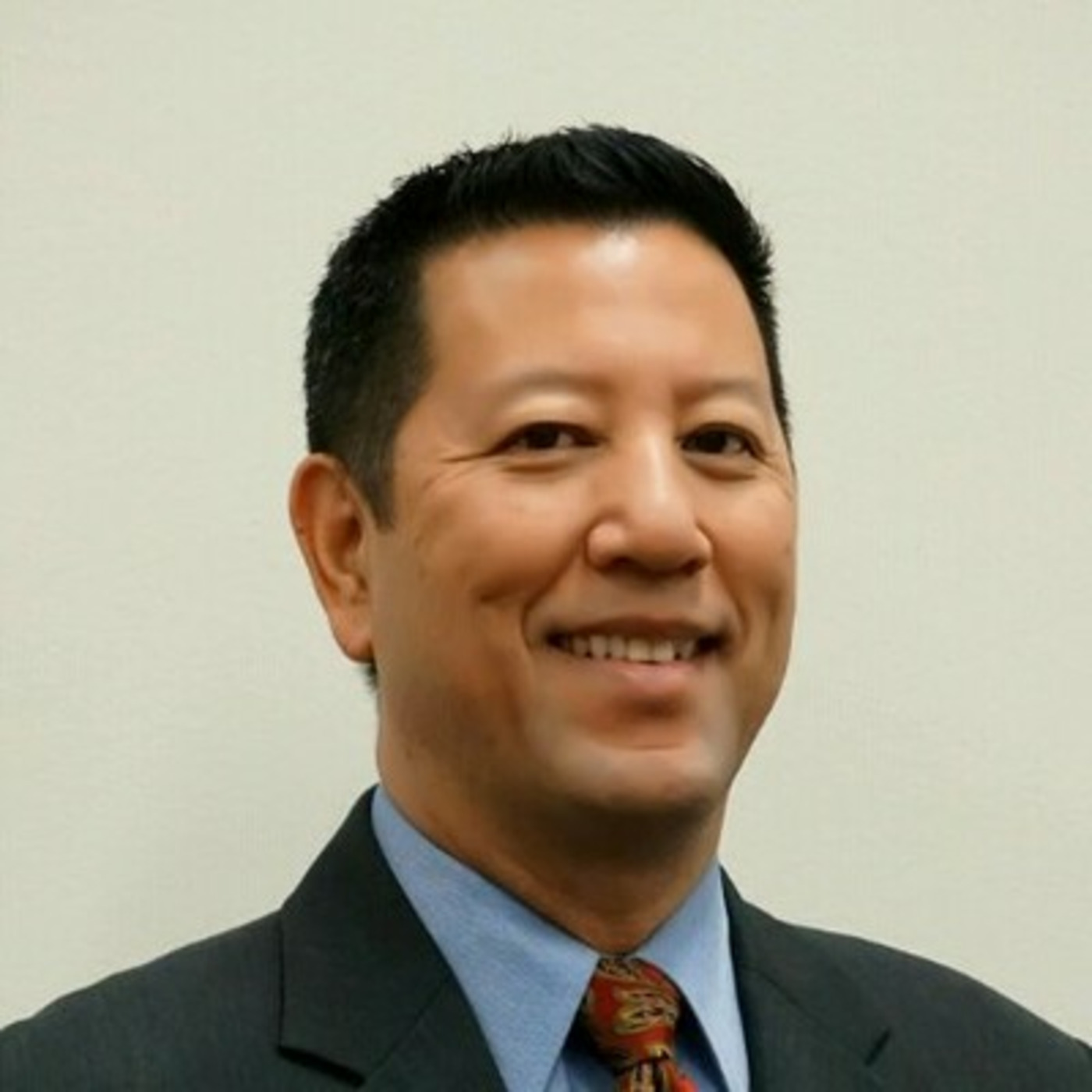
Aoifinn Devitt: Our next investor aims to stay ahead of the curve when it comes to investing for his $19.5 billion public fund. But what really sets him apart is his deep commitment to defining what inclusion means and how he promotes crossing over into new communities. Let’s hear why that is a movement that we can all get.
Rod June: Behind.
Aoifinn Devitt: I’m Aoifinn Devitt, and welcome to the 50 Faces Podcast, a podcast committed to revealing the richness and diversity of the world of investment by focusing on its people and their stories. I’m joined today by Rod June, who is Chief Investment Officer of the Los Angeles City Employees Retirement System, which is $19.5 billion in assets under management. Where he has spent over 8 years. He previously held the same title at the Hawaii Employees’ Retirement System, where he spent over 4 years. Rod has a long history in public pension funds. Welcome, Rod. Thank you for joining me today.
Rod June: Thank you.
Aoifinn Devitt: Can you tell us a little bit about your current role and the work that you do at LASERS?
Rod June: Certainly. So, as you mentioned, I am the Chief Investment Officer. I’ve been there for a few years now, but I have several responsibilities that fall under my position. One is to manage the investment program on behalf of the Board of Administration. Those are essentially our board of directors, which consists of 7 members. I provide leadership and vision to the direction of the investment program and to my staff, because my staff really are my greatest resources and I rely on them heavily. I’m also engaged in policy development and helping to shape the long-term strategy of the investment program. And I provide direction to our consultants, of which we have 3 investment consultants, and they do have a great influence on the direction of the plan, but I try not to let the consultants control the direction of the plan. I certainly believe it’s the role of the CIO and my staff to control that direction and provide that to the board.
Aoifinn Devitt: Can we go back a bit and talk about your journey into investment? And I’m happy for you to go right back to your college days, and where did it start and did it take any surprising turns along the way?
Rod June: Yeah, that’s a wonderful question. So it depends on how one defines investments. For me, you know, it’s placing capital somewhere in order to return a profit. But it really goes back to my undergraduate days when I took an undergraduate investment course and I was very interested in what went on in Wall Street and the whole investment world. Because I grew up here in California and we don’t hear so much about Wall you Street, know, through high school and even in college. Wall Street is on the other coast. And but when I took this investment course as part of my upper division classwork, I, I accurately predicted the devaluation of the Argentine peso and It was part of a contest within the course, and we were at— we were competing against our fellow students, and I earned 70% on top of my money in the course of 3 months by betting short on the Argentine peso. And I won this award, this trophy, and I think that really gave me the confidence and motivation to take a look more closely at possibly going into the investment world. After I finished my undergraduate degree, I secured a job with First Interstate Bank, which is now known as Wells Fargo Bank, as a banking officer. And I did that for a couple of years, but I always had dreams of going back and getting my MBA. So I went back and I earned that at Auburn University. And upon graduating graduation, I came back to the city of LA, and we were in the midst of a recession at that time. And it was really only public entities, governments, that were hiring. All of the private entities had already started laying off people. So I started off with the city of Los Angeles working in the Los Angeles Housing Department, and my role there was to make loans using HUD funds, that’s Housing and Urban Development funds, to nonprofit developers so they could help build affordable multifamily housing in the city of Los Angeles. But I never thought I would work on or with Wall Street because again, I was back here in LA and I always thought of New York City as being the center of the investment world. But then I learned that the City of Los Angeles has several pension plans, and each of those pension plans, including LASERS, has investment officer staff. And so when an opportunity opened up, I applied for a position with LASERS, and lo and behold, I secured that position and have been with LASERS actually going back to 1998, except for that, that period of time when I went to the the state of Hawaii to work there and then came back. So I’ve been with LACERS for a number of years and enjoyed my journey to get there, but I never thought I would you work, know, in this investment area, but good luck, good fortune, and hopefully some wherewithal of my own helped me get there. So that’s my journey in a nutshell.
Aoifinn Devitt: No, it’s a very interesting one. And certainly that length of tenure is quite remarkable in public service, and it’s a— we salute you Thank you for that, certainly. And when you think about your role now as a CIO of a public fund, what issues are at the forefront of your mind?
Rod June: You know, in this day and age, I would say certainly the narrowing of the unfunded liability is probably the most important thing on my mind. As a public pension plan, we have to pay benefits, and we have a total of 42,000 members of our plan. About one-third of those members are retirees. Who are drawing a pension. And our plan is about 70% funded, so we have a long ways to go to become a fully funded plan. And we do have a plan in place, but that’s always weighing very heavily in the back of my mind, not only to serve those members out there and to ensure that they get their benefits through, you know, to the end of their life. But also, I am a member of the retirement system myself, and so I have a vested interest to ensure that our retirement benefits are going to be paid and that we don’t have any interruption or changes in those retirement benefits. The second thing that’s on my mind is also navigating volatile markets. And also the board and public perception of what LASER does within the markets. We know you that, know, with the advent of technology, especially the internet and other means, that investment news travels so quickly now, and I think that creates a lot of volatility. So I have worked with my staff and with the board to figure out figure out ways to help navigate through this volatility and uncertainty. It’s not as easy as it probably was— once was to make a dollar in the stock market or in the bond markets. I think times are much more challenging, so we have to be more creative and have greater conversations with the board, our consultants, and sometimes we even reach out to our stakeholders and ask them for their opinion on what we’re doing. So that’s the navigation part, but the other part is also managing the perception of what we do as a public plan, because as a public plan, we are very transparent about what we do. Everything that the board addresses at the board meetings and the investment committee addresses in their meetings are published on our website. And of course, we’ve got news reporters constantly asking questions about what we do and why did staff support certain recommendations, and why did we recommend certain strategies. We have to be able to answer these types of questions and to help the board as well as the public understand why staff are making these recommendations and why they’re the appropriate recommendations. And sometimes they’re not the popular things that one would think. For example, we’ve had people call LASERS and send us emails to say, why aren’t we investing in gold? They hear a lot of news about investments in gold and how it can be a great hedge in times of volatility. But as a long-term investment, we don’t believe that’s a very good long-term strategy because they don’t appreciate the stocks might over long periods of time. So, we have to have a certain amount of transparency and be able to help dispel misperceptions about what we do. So, those are some of the issues that I have to address fairly often in my role as a CIO, but those are the things that come to mind at the moment.
Aoifinn Devitt: It’s interesting, that transparency point and the FOIAs and the volume of FOIAs can actually be incredibly time-consuming. And it’s an aspect of public funds that I suppose corporate pension funds or endowments and foundations don’t have to experience to the same degree. So it is not to be understated, I think, that burden. When you look at the investment beliefs maybe that you carry with you in your CIO role and maybe that you’ve developed over time, and I’m thinking of time horizon, active versus passive, diversification, rebalancing, do you have any core beliefs that you currently hold?
Rod June: I actually do, and this goes back to my days at the State of Hawaii Retirement System when I became CIO there back in 2008. I coined a term for myself, but I know it’s been used probably quite widely within the industry, but it is “ahead of the curve.” I believe that as an investor and knowing that the markets are efficient, that at least for my plan and the ones I’ve managed, not to engage in populist investing. I believe that as a CIO, we have to— we all have to have a certain amount of independence of how we view the world. And I think it’s very important to carve one’s own path in the investment industry based on research and not necessarily doing what everyone else is doing. I recognize that our board will often ask me when I’m sitting at the table with them, what is CalPERS doing, or what is the— what are the Illinois plans doing, or what is the state of Arizona doing with their retirement system, and what are their strategies? And I think it’s important for boards to have that curiosity and make the inquiry about whether— what other plans are doing. But let’s face it, all boards who set the investment program through their policy have just different risk tolerances, different return hurdles. And just because one plan does something and because it has been successful for them doesn’t mean that that’s something that we should necessarily do for our own plan. So again, being ahead of the curve I think is very important because we know that these are efficient markets, and if you’re only doing what everyone else is doing Well, you’ve probably missed the boat already on that opportunity to have made some money there. So I, I’m constantly exploring new ideas that are somewhat cutting edge and trying to figure out whether that strategy, when it becomes more mature and more institutional ready, whether or not we should be ready to pull the trigger and get into that type of strategy. So again, know, you Being ahead of the curve, I think, is very important. The second belief I have is to surround yourself with the smartest and brightest people. But it’s not just surrounding yourself with them, but you’ve got to find those who are very pragmatic, those who actually practice their craft and have experience at it, and then learning from their experiences. So I look at my own investment staff. I think They are some of the brightest people out in the investment industry. I think we’ve hired the smartest managers out there, and we have calls with them to find out what their thinking is and what— where they think the markets are headed and what the trends are and what the pitfalls are. We all know as a CIO, you cannot be a master of everything in the industry. And that’s the reason why we go out and we hire people. We hire the experts out there, people who have the knowledge and expertise in particular niche areas, certain strategies to help us take that information in as a CIO, consolidate it, summarize it, and you then, know, come up with certain conclusions and hopefully recommendations that we can take to the board. So those are some of the couple of beliefs that I have that I carried with me for quite a long time.
Aoifinn Devitt: And in terms of how you work with the committees and boards that you work with, being ahead of the curve like that definitely means you might sometimes be pushing newer strategies or looking around the corner for maybe a strategy that has come up and fits your needs. How do you bring together the fact that a board won’t have all the same levels of expertise How do you be most effective in communicating with them?
Rod June: Yeah, very relevant question. I think my role as a CIO is to help transform the complicated to simplicity, and I’ve always believed that sometimes simplicity is sort of the best route to take when pursuing anything in life. Things that are too complicated means that when things start to get a little bit, let’s say, dicey or edgy within the landscape, it’s going to be harder to figure out how to adjust your thinking on certain things. So we all know that within the investment industry there’s some very simple strategies, but there’s some things that are much more complicated. For example, we just made an investment in the TALF program. That’s the term asset-backed loan program that’s been backed by by the, the feds. Very complicated strategy for the board and even for the staff to fully get a grasp of. I had the benefit of having implemented a TALF investment for the state of Hawaii, and of course when we went through the difficulties earlier this year with the advent of COVID I recognized that, hey, TALF might be a good area to make an investment, but it is— it has a lot of moving pieces. It has a lot of credit jargon and lingo, and affected by what’s going on in the market and with the Fed. And these all had to be explained to the board before the board could make a decision on it. What I really tried to do was to help summarize and simplify how the TALF program works and present it in a manner that is understandable and meaningful to the decision makers. Because if they can’t understand it, how can they make an intelligent and meaningful decision on it? So even besides the TALF, any other type of strategy that we’re talking about, and sometimes it’s you even, know, talking about stocks and bonds, which we which we consider very mainstream, but to a board member, sometimes the, the way they work and how one adds value through stocks and how an investment manager constructs a portfolio is not so easily digested by them. So I’m constantly looking for ways to simplify what I think might be a complicated strategy or something that has a lot of acronyms or misunderstandings about it. And then simplify it again to help decision makers come to an understanding and making a decision on it.
Aoifinn Devitt: That’s interesting. I used to be a lawyer, and there was always a premium on writing in plain English, and I think that plain English can never be underestimated when it comes to communicating with the board, and it’s you difficult, know, to get things into plain English, especially something like the TALF, but I totally hear you on the importance of that. You spoke about volatility as and, you well, know, thinking, looking at your own career, you’ve seen many market cycles, a fair share of volatility. Have there been any setbacks or challenges or even investment mistakes over that career that you have learned lessons from?
Rod June: As a CIO, there’s a lot I’ve learned in the you last, know, I’ve been doing this for about 12, 13 years now as a CIO. Here’s a few things that I’ve taken away from being a CIO. Probably the most important thing, and thing that comes to mind first, is know where the power resides and respect it. And what, what do I mean by that? That means that for a CIO of a public pension plan, the power really resides with the board. I know oftentimes investment managers in the industry will look at to will look at the CIO and think, well, that’s where the power resides. That’s the person that can make the decision. That’s the person that can make or break whether I can get an allocation of money. But really, in the end, in my role as a CIO here at LACERD, I do bring recommendations to the board for them to make, to consider, and to make a decision on. But at the end of the day, It’s the board’s investment program, and it’s the board’s decision on whether or not they want to make a commitment to an investment manager or whether they don’t. Now, I know that’s not true for all public plans. Some do give more authority and discretion to the CIO and the staff, but that’s not how it works here. And even if I did have that type of discretion to make the ultimate decision on who can get an investment commitment from LASERS, the power still resides with the board, and it’s really the decision of the board who has entrusted the CIO with certain levels of discretion. So that’s the first thing I’ve learned when I went to the State of Hawaii is that it really is the board’s investment program, and I’m merely a steward or entrusted to manage it on their behalf. The second thing I’ve learned and probably taken away from this position is learning to speak up and have your point made. Oftentimes boards can get into discussions where they seem to be moving in one direction and there’s sort of that groupthink mentality. But as a CIO, we have to have our— in a very objective and oftentimes a very independent view view of the consultant and of the board. And if I as a CIO feel that the board is moving in the wrong direction or in a path that could be somewhat detrimental to the plan, or even if the consultant is making a certain recommendation to take a position on, on one matter, I have to be able to come in and say, I think that there’s another third point of view here. And I have to be ready to express that point of view despite it being unpopular, and that can make this position kind of on the cutting edge. Know, You it makes it sometimes very difficult and challenging to speak up against the mainstream think on certain matters, but that’s really why they’ve hired me, because I think CIOs are hired because they have knowledge and experience to formulate their own opinions on things. And I always have to be ready as the CIO to have an opinion on anything that’s asked of me. It may not be an opinion that is completely detailed and well thought out, but I think that if you have a certain philosophical belief in what you’re doing, that almost any answer can be derived from your philosophical beliefs. The third thing I would say is never underestimate the power of the unknown. We know that the markets are for the most part efficient, but we also understand that anything can happen in the market that can change what might seem to be a long-term trend and cut it short, just like what happened this year with COVID No one anticipated COVID to create the havoc and disruption that it has caused globally. But we always have to be prepared for that. And lo and behold, I mean, I had talked with my staff last year about being prepared for some major crisis coming forward, not knowing that COVID was going to disrupt global markets the way it did for that short period of time. And things are still very volatile, but to, to Have respect for the unknown and be prepared for it. Have some type of plan in place, even if it’s a very simplified plan. Have a belief as to how you would handle that type of problem based on uncertainty. And then I think fourth, what I’ve learned is don’t ignore the writing on the wall. Again, maybe this goes back to groupthink, but it’s all too easy for us to get caught up into the movement of markets and think that, yeah, this thing is going to go on forever. Just like the equity markets have come back over the last several months, one likes to think that this will go on for months and months and months. But we also know it can turn on a dime. And and it’s, it’s so easy to ignore the writing on the wall. But I think that having lived through the the tech bubble, through the great financial crisis, and then seeing what happened with COVID that sometimes there is certain writings on the wall. Even if you go back to December 2019 in China, if one had really thought through how this could have grown and manifested itself globally, I think that one could have taken action earlier. For example, reposition the portfolio portfolio a certain way, just in anticipation that if something did happen, if it did become a pandemic as it had, that you were already one step ahead of everyone else. So I’d you say, know, again, don’t ignore the writing on the wall. When markets are ready to turn, the signals are there. But I think too many of us choose to ignore it.
Aoifinn Devitt: Well, Rod, I normally ask about creed or mottos, but I think you’ve given us 4 really valuable mottos right there. So thank you Thank for you for sharing all of that. On your own career now, when we look at the investment world, what is it that you like most about the investment world?
Rod June: What I love about the investment world is that it’s constantly changing. It’s dynamic. New things are happening politically, technologically, socially. We’ve seen every kind of change that I think one can think of happen 2020. And while it can be very scary to be especially a CIO in this type of environment, I’ll have to tell you I thrive on this type of constant change and the unexpected. I like to build solutions around— and I’ll say simplified solutions around complex problems. I like taking calculated risk. And I like to make decisions based on very good information, which means that don’t— I I’ll take risks, especially we know that there’s a lot of risks that have occurred this year in 2020, but trying to figure out what are we supposed to do to mitigate these risks. Those are the things I like to think about. I like to think about what is the solution to a problem, to a risk situation. And, and I think it’s those challenges that give me a great amount of joy with regards to working in the investment industry, because nothing is the same from day to day, and things will, will change. I get questions from reporters, I get questions from our board members— what are you going to do? And like I said earlier in the podcast, I always have to have an opinion on just about everything. And so I’ll express my opinion based on at least what I’ve thought about and what I know. But going back to just to summarize, I think it’s the change that is what I like most about the investment industry. And then of course, figuring out how to manage the change.
Aoifinn Devitt: It’s so interesting. Lacers is lucky to have the right person in the right place at the right time. Time, as I’m sure there are other individuals who would not be energized by this level of stress and uncertainty, other individuals who would maybe have the opposite approach. But I think to be energized and motivated is really such an advantage. When you look at, say, the investment industry from a standpoint of diversity, do you think there’s enough diversity in the industry? And what do you think can be done about it?
Rod June: Yeah, that’s— I like that question because And it’s really easily answered. If you look around the investment industry, you look who the— who are the players in the top positions, and you look at staff of investment management firms, it’s clearly obvious, in my opinion, that there is not enough diversity in the investment industry. It is far more heavily weighted towards traditional white male people within the industry, and that doesn’t mirror our population. But, and if one looks at our United States, because we are a true melting pot here, I would say it’s the investment industry that is probably one of the least diverse industries of all industries here in the United States. That’s less true, I think, outside the United States, my experience with investment management firms, globally speaking, ex-US, have much more diversity within the organizations, meaning from different racial backgrounds, ethnicities, even the gender makeup. But again, here in the US, just take a look around at most investment firms. You’re gonna see some imbalance there. I would say that for firms are actually in terms of addressing diversity, what can we do to help bring a more inclusive and diverse environment to the workplace and within our society? For people who are in positions of leadership, and that’s a lot of us, there’s a lot of leaders around, but including myself, encourage those who are willing to break through those barriers. I look at myself as as someone who is underrepresented within the CIO community. There are very few CIOs in the public pension plan world who are of Asian American background. So I’ve always thought of myself as an emerging manager or coming from an underrepresented population. I’ve received encouragement from a number of people to move forward and be all that you can. And I do the same thing with emerging managers, those who are trying to break into the industry, to be encouraging to them and to be very persistent and ask questions and you network, know, go out and talk to people, let them know that you’re interested in doing business with them. You may not always get the right answers or get the— or get back the feedback that you want to hear. There’s a lot of rejection out there. We know that. But unless you’re willing to go out there and take those risks of being rejected, you’re not going to get anywhere. So I try to be encouraging because I know it can be a tough world in the investment industry, just generally speaking, but in particular for those who are from underrepresented backgrounds. They really do need encouragement. This is a tough business. And I’m in a position where I don’t face that very much in my own job. I’ve already got my position here as a CIO. But I hear the stories of countless emerging managers and how they don’t get a callback from a consultant, or they don’t get a callback from staff from another public pension plan, maybe even my own pension plan. I hope that’s not happening. But there’s a lot of door closing. I think trying to open doors for people and to help facilitate emerging managers on their path to wherever their goal is, is something that I can do. So I try to be very encouraging to help those who are willing to break through the barriers, to help them do so. I think second, providing again the guidance, direction, and I’ll say even some wisdom to those who are trying to increase diversity. It’s not just the investment managers, but it’s all those of us in society who are trying to make a more inclusive world for everyone. We all have a lot of expertise and our own experiences that we can share with others on how we challenged the status quo and how we overcame obstacles And while that may not apply in the same situation as someone who you’re giving that guidance or wisdom to, I think there’s always small tidbits of sparks of inspiration, if you will, that, that person might hear one or two words that they’re going to remember and say, “Oh, I remember that person told me that,” and they hold that as part of their own philosophical belief or or a motto, if you will, and that helps them get through each day to climb another step each day. So again, providing the guidance, direction, and wisdom I think is important. And then third, which is one of the things that I’m constantly trying to do, is build bridges between key leaders and the decision makers and those who aspire to be there one day. I’m constantly on the phone and on emails trying to make introductions for people who are trying to get to higher levels within organizations or to become leaders. And I think making those introductions are really important. You know, here at LASERS, we also support mentorships. We have an internship program. And we engage in a lot of networking, and this is not just me, but all my staff are encouraged to attend conferences and network out there and just talk to people and learn something from people. It’s amazing how through this type of dialogue that it helps build a more inclusive environment. It helps people get connected, especially people who are from underrepresented backgrounds. To help connect with the mainstream and to become part of a community within this inclusive community rather than always feeling excluded. And I know that there’s sometimes situations where there’s a reluctance for people to try to break into new communities because their culture might be different, they may look different, they may speak differently, or they have an accent, or they have a different religion, whatever whatever that barrier may be. Sometimes, again, encouraging people to join into a new community is what they need, because it’s difficult for people to cross over into new communities. So I very much appreciate when people approach me and say, hey, would you like to become part of my organization or listen into our a roundtable discussion. I may not want to become part of the organization, but I do appreciate the fact that I’ve been invited. And I think to the extent that we extend invitations out into our networking community and people who we know and to bring them into new communities, that’s really going to help become a more inclusive society and one that becomes more diverse and where everyone is treated treated equally at the table.
Aoifinn Devitt: That is so powerful that you’re being so intentional about that. It’s not just something that’s falling out as a kind of collateral side effect of you doing your work with your team, but to actually be so intentional, I’m really impressed. And I think that’s also so important that sharing the narrative— sharing narrative, I think, has been shown in families to build resilience. And I’m sure it builds resilience among professionals too. By simply sharing how I overcame this market downturn or losing my job, and this is what I did. It makes people see they’re not alone, but also gives them maybe the tools to cope. So really, really impressive, Rod. Thank you. My last few questions here. You’ve talked a lot about the people, what you do for others. You’ve also talked about the team you build around you. How about any key people that assisted you along the way? Maybe at the beginning of your career or through school or now?
Rod June: Okay. I can’t say that there was any one person in my life that helped shape my career or even encouraged me to get into the investment world, but I will say that I’m very well read and I do a lot of— I read the newspaper a lot and I like to talk to people. If you’re a CIO, and you don’t like to talk to people, well, you’re in the wrong job. And that’s true for even anyone in the investment world because we know this is a people business. But the person who inspired me to achieve was one of my fraternity brothers from college. He was a Latino born of immigrant parents from Mexico, and I always looked at him as being a very high achiever. He aspired to earn a medical degree, and he eventually went on to Harvard Med School and earned his MD there. And he also earned a Master’s of Public Administration from the Kennedy School. And looking at what he accomplished from his type of background was always very inspirational to me. And I think what I told myself was, wow, if Armando can do this, I can do this. And I never really pushed myself so hard in college, but after I thought about what he was striving for, I looked to him as something like a role model, but someone who inspired me to be all I could be. And so I said, okay, I can do that. And it was based on that that I decided I’m going to go on for a master’s degree. Which I ultimately earned. And I don’t think I probably would have done that if I hadn’t had this particular fraternity brother inspire me as the way he did. So that was one key person that I think inspired me, and he he wasn’t— was somewhat of a mentor to me in the couple years that we were in college together. But I always followed him after he— again, he went to Harvard. And now he is the head of 3 emergency rooms up in the Bay Area, up in San Francisco. And I’m very blessed to have had him in my life to provide that guidance and inspiration that he did.
Aoifinn Devitt: That sounds certainly very inspiring indeed. And then now, given that this— you talked about someone from college. What advice would you have now for your younger self? Looking back, what do you know now that you wish you had known then?
Rod June: That one’s difficult for me to— it’s difficult for me to talk about sometimes, but don’t be afraid of failure. Because all of my life, I’ve been sort of groomed by my parents to sort of be a perfectionist. And if I felt that if I couldn’t be a perfectionist, then it’s not even worth doing. But what I’ve learned is that if you’re only picking and choosing the things that you think you can be a perfectionist in, then you’re going to limit your opportunity set going forward, which means that your, your path to achieving whatever it is you want to achieve can be blocked or hindered because you haven’t really opened up all of the doors available to you, but you can’t be afraid of failure. You have to go in with enough confidence. I think that’s very important, and with enthusiasm, knowing that you can do this. If you set your mind to it, you will achieve it, but if you don’t have that spark of inspiration and enthusiasm, you’re probably going to falter along the way and just give up. And so while I’ve applied that to myself, I tell that to my staff that you have to take risks out there. You can’t be afraid of failing. You are not— you’re going to fail at 9 out of 10 things that you attempt, but that 1 out of 10 things that you strive for, you’re going to be successful at. And then once you achieve that, then there’s going to be other sets of opportunities where there may be failures and maybe a very small probability of achieving your goal or objective. But you can’t let fear and the thought of failure hold you back because it’s— that is going to just cut your career path short. You have to go out and explore the world, try different things. When we talk about diversity of people, how important that is, you have to have diversity of opportunity sets as well. You never know that there might be something out there for you that you haven’t thought about, that something that you could be very passionate about, you just don’t know it, and you won’t know it until you try it. And unless you have um, this, a sense of that I can succeed, that I can do it, you’ll never get there. So again, what I would tell my younger self going you back, know, 30 years ago or 40 years ago, don’t be afraid of failure. Go for it if you have a passion for it, because chances are if you have passion for that you are going to be a success.
Aoifinn Devitt: Well, that is a wonderful note to end on. And I want to thank you, Rob, because I think we talk a lot about diversity and inclusion. I think we’d probably all agree that diversity is only half of the battle, that it’s really inclusion that is what is key to ensuring real progress. And I think in your earlier section, you gave many companies, organizations a recipe for proper inclusion, what that really means. And I think that’s really exciting. Extremely valuable. Thank you. It’s been a real pleasure speaking with you today, and thank you for sharing your insights with us.
Rod June: Thank you.
Aoifinn Devitt: I’m Aoifinn Devitt. Thank you for listening to the 50 Faces podcast. If you liked what you heard and would like to tune in to hear more inspiring investors and their personal journeys, please subscribe on Apple Podcasts or wherever you get your podcasts. This podcast is for informational purposes only and should not be construed as investment advice, and all views are personal and should not be attributed to the organizations and affiliations of the host or any guest.
Aoifinn Devitt: Our next investor aims to stay ahead of the curve when it comes to investing for his $19.5 billion public fund. But what really sets him apart is his deep commitment to defining what inclusion means and how he promotes crossing over into new communities. Let’s hear why that is a movement that we can all get.
Rod June: Behind.
Aoifinn Devitt: I’m Aoifinn Devitt, and welcome to the 50 Faces Podcast, a podcast committed to revealing the richness and diversity of the world of investment by focusing on its people and their stories. I’m joined today by Rod June, who is Chief Investment Officer of the Los Angeles City Employees Retirement System, which is $19.5 billion in assets under management. Where he has spent over 8 years. He previously held the same title at the Hawaii Employees’ Retirement System, where he spent over 4 years. Rod has a long history in public pension funds. Welcome, Rod. Thank you for joining me today.
Rod June: Thank you.
Aoifinn Devitt: Can you tell us a little bit about your current role and the work that you do at LASERS?
Rod June: Certainly. So, as you mentioned, I am the Chief Investment Officer. I’ve been there for a few years now, but I have several responsibilities that fall under my position. One is to manage the investment program on behalf of the Board of Administration. Those are essentially our board of directors, which consists of 7 members. I provide leadership and vision to the direction of the investment program and to my staff, because my staff really are my greatest resources and I rely on them heavily. I’m also engaged in policy development and helping to shape the long-term strategy of the investment program. And I provide direction to our consultants, of which we have 3 investment consultants, and they do have a great influence on the direction of the plan, but I try not to let the consultants control the direction of the plan. I certainly believe it’s the role of the CIO and my staff to control that direction and provide that to the board.
Aoifinn Devitt: Can we go back a bit and talk about your journey into investment? And I’m happy for you to go right back to your college days, and where did it start and did it take any surprising turns along the way?
Rod June: Yeah, that’s a wonderful question. So it depends on how one defines investments. For me, you know, it’s placing capital somewhere in order to return a profit. But it really goes back to my undergraduate days when I took an undergraduate investment course and I was very interested in what went on in Wall Street and the whole investment world. Because I grew up here in California and we don’t hear so much about Wall you Street, know, through high school and even in college. Wall Street is on the other coast. And but when I took this investment course as part of my upper division classwork, I, I accurately predicted the devaluation of the Argentine peso and It was part of a contest within the course, and we were at— we were competing against our fellow students, and I earned 70% on top of my money in the course of 3 months by betting short on the Argentine peso. And I won this award, this trophy, and I think that really gave me the confidence and motivation to take a look more closely at possibly going into the investment world. After I finished my undergraduate degree, I secured a job with First Interstate Bank, which is now known as Wells Fargo Bank, as a banking officer. And I did that for a couple of years, but I always had dreams of going back and getting my MBA. So I went back and I earned that at Auburn University. And upon graduating graduation, I came back to the city of LA, and we were in the midst of a recession at that time. And it was really only public entities, governments, that were hiring. All of the private entities had already started laying off people. So I started off with the city of Los Angeles working in the Los Angeles Housing Department, and my role there was to make loans using HUD funds, that’s Housing and Urban Development funds, to nonprofit developers so they could help build affordable multifamily housing in the city of Los Angeles. But I never thought I would work on or with Wall Street because again, I was back here in LA and I always thought of New York City as being the center of the investment world. But then I learned that the City of Los Angeles has several pension plans, and each of those pension plans, including LASERS, has investment officer staff. And so when an opportunity opened up, I applied for a position with LASERS, and lo and behold, I secured that position and have been with LASERS actually going back to 1998, except for that, that period of time when I went to the the state of Hawaii to work there and then came back. So I’ve been with LACERS for a number of years and enjoyed my journey to get there, but I never thought I would you work, know, in this investment area, but good luck, good fortune, and hopefully some wherewithal of my own helped me get there. So that’s my journey in a nutshell.
Aoifinn Devitt: No, it’s a very interesting one. And certainly that length of tenure is quite remarkable in public service, and it’s a— we salute you Thank you for that, certainly. And when you think about your role now as a CIO of a public fund, what issues are at the forefront of your mind?
Rod June: You know, in this day and age, I would say certainly the narrowing of the unfunded liability is probably the most important thing on my mind. As a public pension plan, we have to pay benefits, and we have a total of 42,000 members of our plan. About one-third of those members are retirees. Who are drawing a pension. And our plan is about 70% funded, so we have a long ways to go to become a fully funded plan. And we do have a plan in place, but that’s always weighing very heavily in the back of my mind, not only to serve those members out there and to ensure that they get their benefits through, you know, to the end of their life. But also, I am a member of the retirement system myself, and so I have a vested interest to ensure that our retirement benefits are going to be paid and that we don’t have any interruption or changes in those retirement benefits. The second thing that’s on my mind is also navigating volatile markets. And also the board and public perception of what LASER does within the markets. We know you that, know, with the advent of technology, especially the internet and other means, that investment news travels so quickly now, and I think that creates a lot of volatility. So I have worked with my staff and with the board to figure out figure out ways to help navigate through this volatility and uncertainty. It’s not as easy as it probably was— once was to make a dollar in the stock market or in the bond markets. I think times are much more challenging, so we have to be more creative and have greater conversations with the board, our consultants, and sometimes we even reach out to our stakeholders and ask them for their opinion on what we’re doing. So that’s the navigation part, but the other part is also managing the perception of what we do as a public plan, because as a public plan, we are very transparent about what we do. Everything that the board addresses at the board meetings and the investment committee addresses in their meetings are published on our website. And of course, we’ve got news reporters constantly asking questions about what we do and why did staff support certain recommendations, and why did we recommend certain strategies. We have to be able to answer these types of questions and to help the board as well as the public understand why staff are making these recommendations and why they’re the appropriate recommendations. And sometimes they’re not the popular things that one would think. For example, we’ve had people call LASERS and send us emails to say, why aren’t we investing in gold? They hear a lot of news about investments in gold and how it can be a great hedge in times of volatility. But as a long-term investment, we don’t believe that’s a very good long-term strategy because they don’t appreciate the stocks might over long periods of time. So, we have to have a certain amount of transparency and be able to help dispel misperceptions about what we do. So, those are some of the issues that I have to address fairly often in my role as a CIO, but those are the things that come to mind at the moment.
Aoifinn Devitt: It’s interesting, that transparency point and the FOIAs and the volume of FOIAs can actually be incredibly time-consuming. And it’s an aspect of public funds that I suppose corporate pension funds or endowments and foundations don’t have to experience to the same degree. So it is not to be understated, I think, that burden. When you look at the investment beliefs maybe that you carry with you in your CIO role and maybe that you’ve developed over time, and I’m thinking of time horizon, active versus passive, diversification, rebalancing, do you have any core beliefs that you currently hold?
Rod June: I actually do, and this goes back to my days at the State of Hawaii Retirement System when I became CIO there back in 2008. I coined a term for myself, but I know it’s been used probably quite widely within the industry, but it is “ahead of the curve.” I believe that as an investor and knowing that the markets are efficient, that at least for my plan and the ones I’ve managed, not to engage in populist investing. I believe that as a CIO, we have to— we all have to have a certain amount of independence of how we view the world. And I think it’s very important to carve one’s own path in the investment industry based on research and not necessarily doing what everyone else is doing. I recognize that our board will often ask me when I’m sitting at the table with them, what is CalPERS doing, or what is the— what are the Illinois plans doing, or what is the state of Arizona doing with their retirement system, and what are their strategies? And I think it’s important for boards to have that curiosity and make the inquiry about whether— what other plans are doing. But let’s face it, all boards who set the investment program through their policy have just different risk tolerances, different return hurdles. And just because one plan does something and because it has been successful for them doesn’t mean that that’s something that we should necessarily do for our own plan. So again, being ahead of the curve I think is very important because we know that these are efficient markets, and if you’re only doing what everyone else is doing Well, you’ve probably missed the boat already on that opportunity to have made some money there. So I, I’m constantly exploring new ideas that are somewhat cutting edge and trying to figure out whether that strategy, when it becomes more mature and more institutional ready, whether or not we should be ready to pull the trigger and get into that type of strategy. So again, know, you Being ahead of the curve, I think, is very important. The second belief I have is to surround yourself with the smartest and brightest people. But it’s not just surrounding yourself with them, but you’ve got to find those who are very pragmatic, those who actually practice their craft and have experience at it, and then learning from their experiences. So I look at my own investment staff. I think They are some of the brightest people out in the investment industry. I think we’ve hired the smartest managers out there, and we have calls with them to find out what their thinking is and what— where they think the markets are headed and what the trends are and what the pitfalls are. We all know as a CIO, you cannot be a master of everything in the industry. And that’s the reason why we go out and we hire people. We hire the experts out there, people who have the knowledge and expertise in particular niche areas, certain strategies to help us take that information in as a CIO, consolidate it, summarize it, and you then, know, come up with certain conclusions and hopefully recommendations that we can take to the board. So those are some of the couple of beliefs that I have that I carried with me for quite a long time.
Aoifinn Devitt: And in terms of how you work with the committees and boards that you work with, being ahead of the curve like that definitely means you might sometimes be pushing newer strategies or looking around the corner for maybe a strategy that has come up and fits your needs. How do you bring together the fact that a board won’t have all the same levels of expertise How do you be most effective in communicating with them?
Rod June: Yeah, very relevant question. I think my role as a CIO is to help transform the complicated to simplicity, and I’ve always believed that sometimes simplicity is sort of the best route to take when pursuing anything in life. Things that are too complicated means that when things start to get a little bit, let’s say, dicey or edgy within the landscape, it’s going to be harder to figure out how to adjust your thinking on certain things. So we all know that within the investment industry there’s some very simple strategies, but there’s some things that are much more complicated. For example, we just made an investment in the TALF program. That’s the term asset-backed loan program that’s been backed by by the, the feds. Very complicated strategy for the board and even for the staff to fully get a grasp of. I had the benefit of having implemented a TALF investment for the state of Hawaii, and of course when we went through the difficulties earlier this year with the advent of COVID I recognized that, hey, TALF might be a good area to make an investment, but it is— it has a lot of moving pieces. It has a lot of credit jargon and lingo, and affected by what’s going on in the market and with the Fed. And these all had to be explained to the board before the board could make a decision on it. What I really tried to do was to help summarize and simplify how the TALF program works and present it in a manner that is understandable and meaningful to the decision makers. Because if they can’t understand it, how can they make an intelligent and meaningful decision on it? So even besides the TALF, any other type of strategy that we’re talking about, and sometimes it’s you even, know, talking about stocks and bonds, which we which we consider very mainstream, but to a board member, sometimes the, the way they work and how one adds value through stocks and how an investment manager constructs a portfolio is not so easily digested by them. So I’m constantly looking for ways to simplify what I think might be a complicated strategy or something that has a lot of acronyms or misunderstandings about it. And then simplify it again to help decision makers come to an understanding and making a decision on it.
Aoifinn Devitt: That’s interesting. I used to be a lawyer, and there was always a premium on writing in plain English, and I think that plain English can never be underestimated when it comes to communicating with the board, and it’s you difficult, know, to get things into plain English, especially something like the TALF, but I totally hear you on the importance of that. You spoke about volatility as and, you well, know, thinking, looking at your own career, you’ve seen many market cycles, a fair share of volatility. Have there been any setbacks or challenges or even investment mistakes over that career that you have learned lessons from?
Rod June: As a CIO, there’s a lot I’ve learned in the you last, know, I’ve been doing this for about 12, 13 years now as a CIO. Here’s a few things that I’ve taken away from being a CIO. Probably the most important thing, and thing that comes to mind first, is know where the power resides and respect it. And what, what do I mean by that? That means that for a CIO of a public pension plan, the power really resides with the board. I know oftentimes investment managers in the industry will look at to will look at the CIO and think, well, that’s where the power resides. That’s the person that can make the decision. That’s the person that can make or break whether I can get an allocation of money. But really, in the end, in my role as a CIO here at LACERD, I do bring recommendations to the board for them to make, to consider, and to make a decision on. But at the end of the day, It’s the board’s investment program, and it’s the board’s decision on whether or not they want to make a commitment to an investment manager or whether they don’t. Now, I know that’s not true for all public plans. Some do give more authority and discretion to the CIO and the staff, but that’s not how it works here. And even if I did have that type of discretion to make the ultimate decision on who can get an investment commitment from LASERS, the power still resides with the board, and it’s really the decision of the board who has entrusted the CIO with certain levels of discretion. So that’s the first thing I’ve learned when I went to the State of Hawaii is that it really is the board’s investment program, and I’m merely a steward or entrusted to manage it on their behalf. The second thing I’ve learned and probably taken away from this position is learning to speak up and have your point made. Oftentimes boards can get into discussions where they seem to be moving in one direction and there’s sort of that groupthink mentality. But as a CIO, we have to have our— in a very objective and oftentimes a very independent view view of the consultant and of the board. And if I as a CIO feel that the board is moving in the wrong direction or in a path that could be somewhat detrimental to the plan, or even if the consultant is making a certain recommendation to take a position on, on one matter, I have to be able to come in and say, I think that there’s another third point of view here. And I have to be ready to express that point of view despite it being unpopular, and that can make this position kind of on the cutting edge. Know, You it makes it sometimes very difficult and challenging to speak up against the mainstream think on certain matters, but that’s really why they’ve hired me, because I think CIOs are hired because they have knowledge and experience to formulate their own opinions on things. And I always have to be ready as the CIO to have an opinion on anything that’s asked of me. It may not be an opinion that is completely detailed and well thought out, but I think that if you have a certain philosophical belief in what you’re doing, that almost any answer can be derived from your philosophical beliefs. The third thing I would say is never underestimate the power of the unknown. We know that the markets are for the most part efficient, but we also understand that anything can happen in the market that can change what might seem to be a long-term trend and cut it short, just like what happened this year with COVID No one anticipated COVID to create the havoc and disruption that it has caused globally. But we always have to be prepared for that. And lo and behold, I mean, I had talked with my staff last year about being prepared for some major crisis coming forward, not knowing that COVID was going to disrupt global markets the way it did for that short period of time. And things are still very volatile, but to, to Have respect for the unknown and be prepared for it. Have some type of plan in place, even if it’s a very simplified plan. Have a belief as to how you would handle that type of problem based on uncertainty. And then I think fourth, what I’ve learned is don’t ignore the writing on the wall. Again, maybe this goes back to groupthink, but it’s all too easy for us to get caught up into the movement of markets and think that, yeah, this thing is going to go on forever. Just like the equity markets have come back over the last several months, one likes to think that this will go on for months and months and months. But we also know it can turn on a dime. And and it’s, it’s so easy to ignore the writing on the wall. But I think that having lived through the the tech bubble, through the great financial crisis, and then seeing what happened with COVID that sometimes there is certain writings on the wall. Even if you go back to December 2019 in China, if one had really thought through how this could have grown and manifested itself globally, I think that one could have taken action earlier. For example, reposition the portfolio portfolio a certain way, just in anticipation that if something did happen, if it did become a pandemic as it had, that you were already one step ahead of everyone else. So I’d you say, know, again, don’t ignore the writing on the wall. When markets are ready to turn, the signals are there. But I think too many of us choose to ignore it.
Aoifinn Devitt: Well, Rod, I normally ask about creed or mottos, but I think you’ve given us 4 really valuable mottos right there. So thank you Thank for you for sharing all of that. On your own career now, when we look at the investment world, what is it that you like most about the investment world?
Rod June: What I love about the investment world is that it’s constantly changing. It’s dynamic. New things are happening politically, technologically, socially. We’ve seen every kind of change that I think one can think of happen 2020. And while it can be very scary to be especially a CIO in this type of environment, I’ll have to tell you I thrive on this type of constant change and the unexpected. I like to build solutions around— and I’ll say simplified solutions around complex problems. I like taking calculated risk. And I like to make decisions based on very good information, which means that don’t— I I’ll take risks, especially we know that there’s a lot of risks that have occurred this year in 2020, but trying to figure out what are we supposed to do to mitigate these risks. Those are the things I like to think about. I like to think about what is the solution to a problem, to a risk situation. And, and I think it’s those challenges that give me a great amount of joy with regards to working in the investment industry, because nothing is the same from day to day, and things will, will change. I get questions from reporters, I get questions from our board members— what are you going to do? And like I said earlier in the podcast, I always have to have an opinion on just about everything. And so I’ll express my opinion based on at least what I’ve thought about and what I know. But going back to just to summarize, I think it’s the change that is what I like most about the investment industry. And then of course, figuring out how to manage the change.
Aoifinn Devitt: It’s so interesting. Lacers is lucky to have the right person in the right place at the right time. Time, as I’m sure there are other individuals who would not be energized by this level of stress and uncertainty, other individuals who would maybe have the opposite approach. But I think to be energized and motivated is really such an advantage. When you look at, say, the investment industry from a standpoint of diversity, do you think there’s enough diversity in the industry? And what do you think can be done about it?
Rod June: Yeah, that’s— I like that question because And it’s really easily answered. If you look around the investment industry, you look who the— who are the players in the top positions, and you look at staff of investment management firms, it’s clearly obvious, in my opinion, that there is not enough diversity in the investment industry. It is far more heavily weighted towards traditional white male people within the industry, and that doesn’t mirror our population. But, and if one looks at our United States, because we are a true melting pot here, I would say it’s the investment industry that is probably one of the least diverse industries of all industries here in the United States. That’s less true, I think, outside the United States, my experience with investment management firms, globally speaking, ex-US, have much more diversity within the organizations, meaning from different racial backgrounds, ethnicities, even the gender makeup. But again, here in the US, just take a look around at most investment firms. You’re gonna see some imbalance there. I would say that for firms are actually in terms of addressing diversity, what can we do to help bring a more inclusive and diverse environment to the workplace and within our society? For people who are in positions of leadership, and that’s a lot of us, there’s a lot of leaders around, but including myself, encourage those who are willing to break through those barriers. I look at myself as as someone who is underrepresented within the CIO community. There are very few CIOs in the public pension plan world who are of Asian American background. So I’ve always thought of myself as an emerging manager or coming from an underrepresented population. I’ve received encouragement from a number of people to move forward and be all that you can. And I do the same thing with emerging managers, those who are trying to break into the industry, to be encouraging to them and to be very persistent and ask questions and you network, know, go out and talk to people, let them know that you’re interested in doing business with them. You may not always get the right answers or get the— or get back the feedback that you want to hear. There’s a lot of rejection out there. We know that. But unless you’re willing to go out there and take those risks of being rejected, you’re not going to get anywhere. So I try to be encouraging because I know it can be a tough world in the investment industry, just generally speaking, but in particular for those who are from underrepresented backgrounds. They really do need encouragement. This is a tough business. And I’m in a position where I don’t face that very much in my own job. I’ve already got my position here as a CIO. But I hear the stories of countless emerging managers and how they don’t get a callback from a consultant, or they don’t get a callback from staff from another public pension plan, maybe even my own pension plan. I hope that’s not happening. But there’s a lot of door closing. I think trying to open doors for people and to help facilitate emerging managers on their path to wherever their goal is, is something that I can do. So I try to be very encouraging to help those who are willing to break through the barriers, to help them do so. I think second, providing again the guidance, direction, and I’ll say even some wisdom to those who are trying to increase diversity. It’s not just the investment managers, but it’s all those of us in society who are trying to make a more inclusive world for everyone. We all have a lot of expertise and our own experiences that we can share with others on how we challenged the status quo and how we overcame obstacles And while that may not apply in the same situation as someone who you’re giving that guidance or wisdom to, I think there’s always small tidbits of sparks of inspiration, if you will, that, that person might hear one or two words that they’re going to remember and say, “Oh, I remember that person told me that,” and they hold that as part of their own philosophical belief or or a motto, if you will, and that helps them get through each day to climb another step each day. So again, providing the guidance, direction, and wisdom I think is important. And then third, which is one of the things that I’m constantly trying to do, is build bridges between key leaders and the decision makers and those who aspire to be there one day. I’m constantly on the phone and on emails trying to make introductions for people who are trying to get to higher levels within organizations or to become leaders. And I think making those introductions are really important. You know, here at LASERS, we also support mentorships. We have an internship program. And we engage in a lot of networking, and this is not just me, but all my staff are encouraged to attend conferences and network out there and just talk to people and learn something from people. It’s amazing how through this type of dialogue that it helps build a more inclusive environment. It helps people get connected, especially people who are from underrepresented backgrounds. To help connect with the mainstream and to become part of a community within this inclusive community rather than always feeling excluded. And I know that there’s sometimes situations where there’s a reluctance for people to try to break into new communities because their culture might be different, they may look different, they may speak differently, or they have an accent, or they have a different religion, whatever whatever that barrier may be. Sometimes, again, encouraging people to join into a new community is what they need, because it’s difficult for people to cross over into new communities. So I very much appreciate when people approach me and say, hey, would you like to become part of my organization or listen into our a roundtable discussion. I may not want to become part of the organization, but I do appreciate the fact that I’ve been invited. And I think to the extent that we extend invitations out into our networking community and people who we know and to bring them into new communities, that’s really going to help become a more inclusive society and one that becomes more diverse and where everyone is treated treated equally at the table.
Aoifinn Devitt: That is so powerful that you’re being so intentional about that. It’s not just something that’s falling out as a kind of collateral side effect of you doing your work with your team, but to actually be so intentional, I’m really impressed. And I think that’s also so important that sharing the narrative— sharing narrative, I think, has been shown in families to build resilience. And I’m sure it builds resilience among professionals too. By simply sharing how I overcame this market downturn or losing my job, and this is what I did. It makes people see they’re not alone, but also gives them maybe the tools to cope. So really, really impressive, Rod. Thank you. My last few questions here. You’ve talked a lot about the people, what you do for others. You’ve also talked about the team you build around you. How about any key people that assisted you along the way? Maybe at the beginning of your career or through school or now?
Rod June: Okay. I can’t say that there was any one person in my life that helped shape my career or even encouraged me to get into the investment world, but I will say that I’m very well read and I do a lot of— I read the newspaper a lot and I like to talk to people. If you’re a CIO, and you don’t like to talk to people, well, you’re in the wrong job. And that’s true for even anyone in the investment world because we know this is a people business. But the person who inspired me to achieve was one of my fraternity brothers from college. He was a Latino born of immigrant parents from Mexico, and I always looked at him as being a very high achiever. He aspired to earn a medical degree, and he eventually went on to Harvard Med School and earned his MD there. And he also earned a Master’s of Public Administration from the Kennedy School. And looking at what he accomplished from his type of background was always very inspirational to me. And I think what I told myself was, wow, if Armando can do this, I can do this. And I never really pushed myself so hard in college, but after I thought about what he was striving for, I looked to him as something like a role model, but someone who inspired me to be all I could be. And so I said, okay, I can do that. And it was based on that that I decided I’m going to go on for a master’s degree. Which I ultimately earned. And I don’t think I probably would have done that if I hadn’t had this particular fraternity brother inspire me as the way he did. So that was one key person that I think inspired me, and he he wasn’t— was somewhat of a mentor to me in the couple years that we were in college together. But I always followed him after he— again, he went to Harvard. And now he is the head of 3 emergency rooms up in the Bay Area, up in San Francisco. And I’m very blessed to have had him in my life to provide that guidance and inspiration that he did.
Aoifinn Devitt: That sounds certainly very inspiring indeed. And then now, given that this— you talked about someone from college. What advice would you have now for your younger self? Looking back, what do you know now that you wish you had known then?
Rod June: That one’s difficult for me to— it’s difficult for me to talk about sometimes, but don’t be afraid of failure. Because all of my life, I’ve been sort of groomed by my parents to sort of be a perfectionist. And if I felt that if I couldn’t be a perfectionist, then it’s not even worth doing. But what I’ve learned is that if you’re only picking and choosing the things that you think you can be a perfectionist in, then you’re going to limit your opportunity set going forward, which means that your, your path to achieving whatever it is you want to achieve can be blocked or hindered because you haven’t really opened up all of the doors available to you, but you can’t be afraid of failure. You have to go in with enough confidence. I think that’s very important, and with enthusiasm, knowing that you can do this. If you set your mind to it, you will achieve it, but if you don’t have that spark of inspiration and enthusiasm, you’re probably going to falter along the way and just give up. And so while I’ve applied that to myself, I tell that to my staff that you have to take risks out there. You can’t be afraid of failing. You are not— you’re going to fail at 9 out of 10 things that you attempt, but that 1 out of 10 things that you strive for, you’re going to be successful at. And then once you achieve that, then there’s going to be other sets of opportunities where there may be failures and maybe a very small probability of achieving your goal or objective. But you can’t let fear and the thought of failure hold you back because it’s— that is going to just cut your career path short. You have to go out and explore the world, try different things. When we talk about diversity of people, how important that is, you have to have diversity of opportunity sets as well. You never know that there might be something out there for you that you haven’t thought about, that something that you could be very passionate about, you just don’t know it, and you won’t know it until you try it. And unless you have um, this, a sense of that I can succeed, that I can do it, you’ll never get there. So again, what I would tell my younger self going you back, know, 30 years ago or 40 years ago, don’t be afraid of failure. Go for it if you have a passion for it, because chances are if you have passion for that you are going to be a success.
Aoifinn Devitt: Well, that is a wonderful note to end on. And I want to thank you, Rob, because I think we talk a lot about diversity and inclusion. I think we’d probably all agree that diversity is only half of the battle, that it’s really inclusion that is what is key to ensuring real progress. And I think in your earlier section, you gave many companies, organizations a recipe for proper inclusion, what that really means. And I think that’s really exciting. Extremely valuable. Thank you. It’s been a real pleasure speaking with you today, and thank you for sharing your insights with us.
Rod June: Thank you.
Aoifinn Devitt: I’m Aoifinn Devitt. Thank you for listening to the 50 Faces podcast. If you liked what you heard and would like to tune in to hear more inspiring investors and their personal journeys, please subscribe on Apple Podcasts or wherever you get your podcasts. This podcast is for informational purposes only and should not be construed as investment advice, and all views are personal and should not be attributed to the organizations and affiliations of the host or any guest.