Aoifinn Devitt: This podcast is brought to you with the kind support of Harbourview Equity Partners. Harbourview Equity Partners is a global investment firm focused on opportunities in the entertainment and media space. Founded by Charisse Clocks-Horace, Harbourview is a long-term investor in content with an industrial platform built to protect, optimize, and enhance the legacy of premium IP. With a vision of becoming a true stakeholder in the global value of content, Harbourview believes creators deserve a seat at the table creatively and economically. Owning their narrative, and maximizing value for all. In celebration of our partnership with Harborview Equity Partners, we have chosen a separate piece of music for each podcast in Series 1. We hope you enjoy it.
Dede: One of those lessons I learned growing up in Nigeria was no matter how bad things are, it pays to be optimistic. It pays to be motivated to see the good in people, in things, no matter how bad things are. But one of the things I try to live by right now is I want to own companies that I’m proud to tell my children, yes, this is what I held. Well, when I have children, I’m proud to tell them, yes, I invested in this type of companies. And I mean, I know that’s quite personal, but it makes me really reflect on certain industries or certain business models or certain types of management teams when we’re picking them. There’s some that we look at, and then I ask myself that question. I’m like, oh, maybe I, I wouldn’t be proud to tell my children or the next generation that, yes, we invested in this company and we gave them our capital to keep growing their businesses.
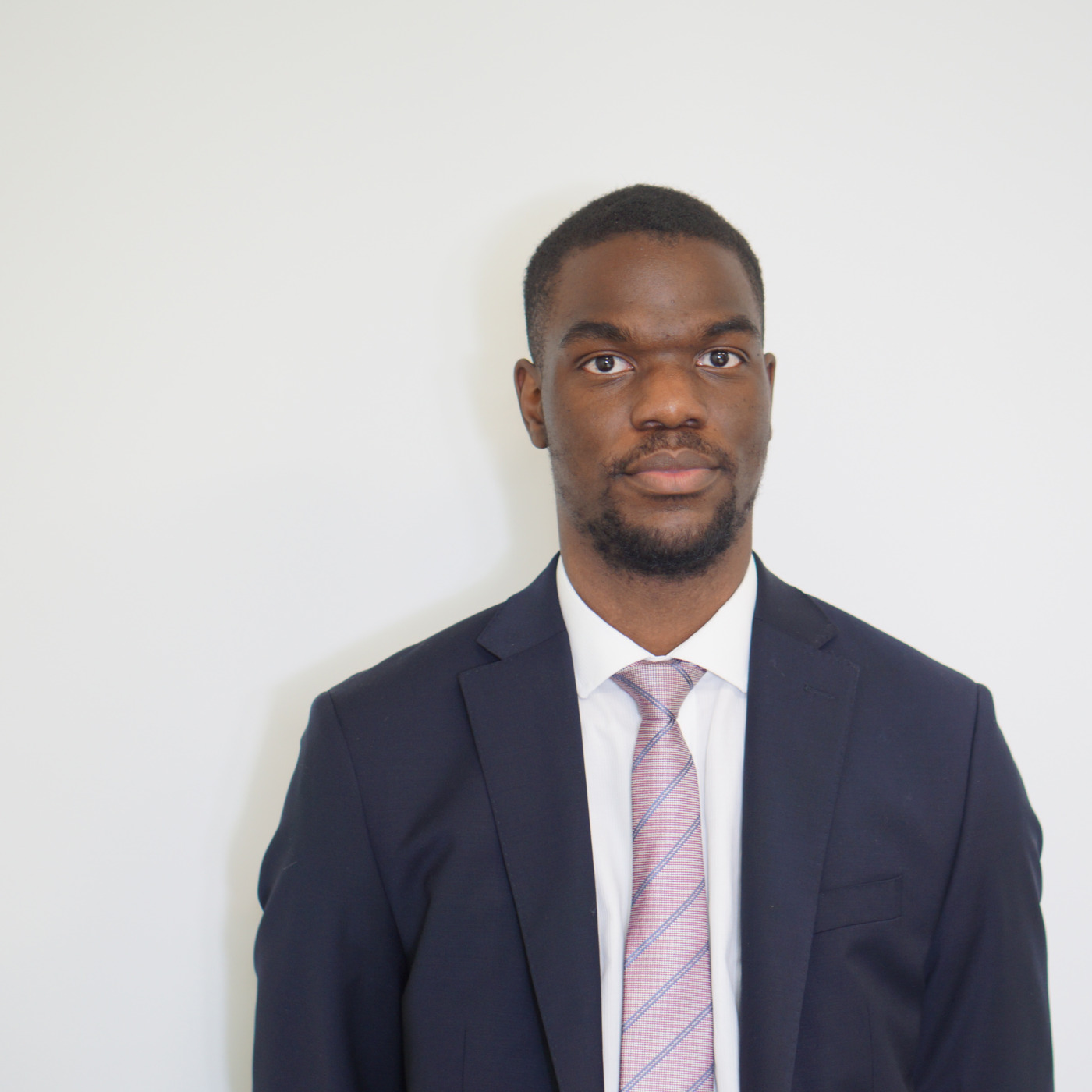
Aoifinn Devitt: I’m Aoifinn Devitt, and welcome to the 50 Faces Podcast, a podcast committed to revealing the richness and diversity of the world of investment by focusing on its people. And their stories. I’m joined today by Dede Ayasan, who’s founder and CEO of Jenga Investment Partners, a firm that invests globally across growth, turnaround, and cyclical equity opportunities. Welcome, Dede. Thanks for joining me today.
Dede: Hi, Yifan. Thanks for having me on the podcast. I’m really delighted to be here.
Aoifinn Devitt: Well, I think we may have come across each other through some mutual friends on LinkedIn, but I’d love to have you talk through your career journey to date, starting right with where you grew up and what you studied.
Dede: Yeah. So I started joining Investment Partners 3 years ago, just when I was finishing university. But before then, I grew up in Nigeria. So my initial experience with investing started when I was 10. My parents introduced me to the world of investing. And you know, back then in Nigeria, you’ll mainly come across investing through the newspapers, and it was right before the sports section. So I’ll look at the newspaper and my dad told me to pick 3 stocks I picked Nestlé Nigeria, 7up, and First Bank Nigeria, and literally 5 years after, 2 of them had doubled and tripled in value, and then one had fallen by half. So that was literally my introduction to finance, and I decided to find out why some did well and why others didn’t do well. And then I learned what— how a cash flow statement worked, why the balance sheet was the same on the left and right side. And in university, I started Jenga Investment Partners, which was an investment club, then was an investment club, now a regulated fund. But the goal then was just to build a track record, but I got really hooked on investing and I decided to take it further into something, an actual regulated fund.
Aoifinn Devitt: Well, that’s really interesting. Well, I have to unpack a little bit of that. So were your parents investors in their own careers? And I’m guessing at age 10, you weren’t discussing stocks with many of your other 10-year-old friends. It was probably pretty unusual back then.
Dede: So my parents weren’t full-time investors. I think what I learned about my dad was that anyone could invest. So he worked in the civil engineering industry, but he used to invest, and that was where he created, I guess, majority of his earnings from, from his investments in the stock market. So it taught me a principle that, you know, if you have the passion, then investing is for you. And I wasn’t discussing— I mean, I was speaking about— my friends were mainly talking about games when I was 10, but it was mainly with my parents, and that was something we bonded about, the stock market.
Aoifinn Devitt: I love that story. And then when it came to studying, where did you go to university and what subject did you study academically?
Dede: I studied at London School of Economics, so I did accounting and finance. And what happened, or how I started Jenga, was we had a project over the summer where we were meant to find out what the— well, the lease liability, which is one of these complex IFRS rules. In the library in the university, there’s like a Bloomberg terminal. They have 4 different Bloomberg terminals, but no one in the university ever uses them. And then one day I decided to just walk up and open one of them up and I played around on the Bloomberg terminal and I realized, you know, there was just so much you could learn about finance there. And it went from trying to understand what lease liabilities were to looking up the income statements of Apple and all these companies worldwide. And that was literally where the journey started from, or the serious journey started from.
Aoifinn Devitt: And let’s talk about your experience as a founder because there’s a big jump obviously from an investment club to a regulated investment fund and, I would imagine even though you’ve been investing since you were 10 and you’ve had some success stories, that it takes a bit of convincing when it comes to attracting outside capital. So can you talk us through how that journey has been?
Dede: Yeah, so initially my plan was to do 3 years in consulting and then 3 years in banking and then do 4 years in private equity and then start my own fund. That was my initial plan going into university. But along the way, I mean, the passion just kept growing and the curiosity for stocks kept growing. And at the same time, I met a lot of investors who had built successful firms coming out of university. I mean, one of them was Ken Griffin, who started at the age of 19 at Citadel. And for me, I mean, all those stories were quite inspiring, and I just tried to learn what they did and what they didn’t do so I didn’t repeat mistakes they made or do mistakes they didn’t make. And that was where it started from. And along the process, I met our current CEO and CCO along the journey. So I loved investing, but I really didn’t know anything in the operational side, and they introduced me into the operational side of launching a fund, you know, legal side, what you need to do in insurance, and we just worked together over the period. Luckily, we had a family office who wanted to support us very early on, so that gave me a bit of insurance— assurance rather. And that was where we started the journey. And then earlier this year, we applied for the FCA license, which was a very— well, was a hectic process, but it was quite rewarding because I got to really test out the business plan, and reflect on why exactly I was starting Jenga and the purpose behind Jenga. And yeah, that’s where we are today. So we’re currently a team of 3 people and looking forward to the future years growing Jenga.
Aoifinn Devitt: That’s fascinating, and I’d love to hear what your purpose is and your niche, how you approach equity investing, what you think is your edge, maybe any preferred sectors, how you construct the portfolio, etc.
Dede: Yeah, so in terms of the purpose of Jenga, so I know In the US, there’s a popular game called Jenga, and when people think about the name Jenga Investment Partners, that’s what comes to their mind first. But Jenga actually means build in Swahili, and Swahili is the most spoken traditional language in Africa. And for me, it means two things. Of course it means build. And when I started Jenga, I was really asking myself, what exactly am I trying to do? And for me, it was build the capital and the wealth of people who invest in it. And I said, why don’t I just call it build another language? And, you know, the name Jenga came from there. By At the same time, Jenga is something that’s globally known, even though it’s come from, you know, the Swahili region in Kenya, and it’s globally known. And it kind of also reflects our strategy and what our journey is all about. Because I come from Nigeria, and there aren’t that many global investors worldwide known from Nigeria. But then here we are trying to pursue a journey in investing. And for me, I have that same reflection, trying to achieve something at a global scale, even though you’re from a smaller country. But going more into the investment strategy, so at Jenga, what we do is global equities. So we manage a global equities portfolio of concentrated companies, and we look for about 15 to 25 companies. And we’re looking for two things. So one, we’re looking for pretty much good businesses that are undervalued prices. And the other thing we’re looking for are companies that are transitioning from bad to good. And when we say good, that’s really four things. So one, good business economics, so they’re profitable, growing earnings. Second, we’re We’re looking for competitive advantages, which could be switching costs, network effects. There’s so many of them. And third, we’re looking for good management teams, people that we think can grow shareholder value over the long term. And the fourth is that they’re undervalued. The edge is more of a tricky part. I think one of the things I realized in investing is that, I mean, well, especially from the great investors is that their edges weren’t just one thing, it was a bunch of many small things that added up, becomes a big thing. So For example, I think one of our edges is our ability to control our emotions, especially when you think about where the world is and the amount of bad news flowing in. And also the euphoria that happened 2 years ago in the market is our ability to control emotions and think independently. That is one of the edges from the emotional side. Zig and Reynolds are zagging. And then from the behavioral side, or from the technical side, I think it’s, well, I would say it’s our passion. For understanding the world, understanding things, businesses, why people are growing in certain industries, why things are falling, and just having that passion to answer the really big questions and focus on the ideas that are underappreciated, undervalued, and unloved by, I guess, other market participants.
Aoifinn Devitt: And do you think that— let’s— where we are today, we’re towards the end of 2022, we’ve obviously had a volatile year. What excites you most now as you look at different sectors Maybe do you think there’s an area that’s underappreciated, overlooked?
Dede: So one of the things about my journey is I started investing in Nigeria, and I know the macro backdrop is quite tough, especially in the Western world right now. It’s unusual. But when growing up in Nigeria, interest rates averaged between 12 and 20%. Inflation averaged between 15 and 20% over the last decade since I started investing. And when I initially started investing in 2010, the market was then at 54,000. Now is around 47,000. So in the last 12 years, it literally dropped 20%. By the same time, there were quite a few companies that were able to grow threefold, fourfold, quintuple over that period. And I think that’s one of the most amazing things about investing in equities, is that no matter how bad or how severe the macro backdrop is, there’s always going to be some company out there. It might take you a very long time to find, but there’s always some company out there that’s— I wouldn’t use the term benefiting from the environment, but they’re building more advantages during that period. So right now, in terms of what we’re looking at, we found quite a few exciting things. I’ll try not— I wouldn’t name any specific companies, but in Asia, for example, I think what has happened is we’ve seen a tremendous amount of income growth and consumption growth and economic output growth. And you have lots of companies that are just benefiting from that. I mean, India, for example, announced they grew 6.3%. They said it’s slow to 6.3%, and if you’re in Europe, I mean, that’s amazing to be growing at 6%. So there of interesting companies benefiting from all that growth, not just in Asia but also in the UK. And if you look at Europe, I mean, there’s a bunch of French luxury brands, for example, that have diversified well, where they generate 40% of their revenue from Asia, and they’re just tapping into that growth in income spending. So that’s one exciting place. Another exciting area for us right now is what we call, I guess, indirect opportunities. An example is we have companies in, well, Poland, for example, where right now the economic growth rate or the economic outlook in Poland isn’t great, but these companies make their revenues in foreign currency like US dollars. So for example, video gaming companies, they have most of their players and users in the US, and the macro backdrop in Poland gets priced into their share price. But when you think about the fundamentals, they’re actually generating revenue from foreign. So that’s quite inconsistent with fundamentals. And for us as a long-term investor, that’s quite exciting for us. So we look at those type of areas, um, those indirect opportunities.
Aoifinn Devitt: Very interesting. And when it comes to investors’ perception, maybe not just of your fund in terms of its size, but just in terms of some of the areas and regions you invest in, do you think investors have the right picture of the risk involved?
Dede: I think risk in finance is very complex. So I mean, you have, well, I think one of the school of thoughts is that we can boil down risk to a certain number and then I give you the number and you can judge by how risky the fund is. I think it’s very, very complex and there’s a lot of hidden risk when you look at certain things. So for example, I mean, I was talking about China earlier and if you looked at some educational companies, they didn’t look risky when you looked at like the volatility or the beta,, but then you have a new policy where they want to reduce the price of tuition in China, and the companies are told to stop making profits and the stocks drop 80%, 90%. That’s hidden risk and that’s embedded risk. And it’s very difficult. I mean, if I could understand all the risk, I would be, you know, I’ll be having triple digit returns. But I mean, that’s the thing about investing. There’s this hidden risk that we just have to keep thinking about and exploring and also communicating with our investors. So one of the things we do at Jenga is that we have a Jenga Briefings where we write monthly on articles. We’ve also written a book earlier this year, and we just try to share what we are understanding about, you know, this hidden risk and these hidden opportunities. And we try our best to explain it in a very simple way where any client, whether retail or professional or pension fund, can understand and also have a good grasp of what we’re trying to portray there. So it’s very broad, it’s very difficult. Hopefully we do a good job in identifying those hidden risks.
Aoifinn Devitt: Really interesting. And you mentioned some of the giants of the investment world, like say Ken Griffin, that inspired you to set up on your own at a relatively early stage of your career. Would you say there were any mentors or key people throughout your journey so far that have really made an impression directly?
Dede: Oh, there’s so many of them. I mean, when I started Jenga, I had made a list of like 50 different mentors and they were all like— I mean, these weren’t people that I was necessarily speaking to. I call them e-mentors, just watching their YouTube videos and see how they do things. Not just in investing, but also in business and just watching them, you know, how they do things. And that was literally how I learned how to invest and I guess run a company. In terms of people or mentors who have had a significant impact on my life right now, I mean, first my parents, they’ve taught me how to be a good person, love your surrounding, love people. And I think these are very important lessons being a founder. Learning how to inspire people and learn from your colleagues and teammates. That’s been very important for me. So they’ve had a significant impact on my life. There’s also the legends like Warren Buffett and Charlie Munger, and also one of the executives you interviewed a while back, Angela Miller-Mays. She’s been quite inspiring in terms of what she’s done in, well, the pension world industry and diversity. But I think right now, in terms of who I guess, which of these mentors are really inspiring me today, There are two of them. One is Allan Gray and another one is Lawrence Sloot. So Allan Gray, he was a South African investor who built two wonderful investment companies. One was called Allan Gray. They compounded in the early 20s percent over 40, 50 years, and I think they’re the largest private investment manager in Africa. And the other fund he built was Orbis, and they were the best single best global fund in the ’90s. I mean, his track record was amazing, but I think what really inspires me about his story was that he came from a very unconventional background as an investor. I mean, he grew up in South Africa. He traveled to the US to learn the world of finance in Fidelity. And I mean, back then, this was in the 1950s and ’60s. I can imagine just going to a different environment or a different background being so daunting, but he succeeded in it and not just succeeded, but he gave back. I mean, if you look at the writings of Gray and Alan and the lessons he instilled in his team even after he died 3 years ago. It’s just been wonderful learning about his story. And the other person who inspires me, well, she’s the number one person in terms of inspiring me right now, Laura Sloat. She grew up blind. So she was blind, I think by the age of 6, 5, 6, very early in her life. She was a woman in the 1960s and she studied history. So a very non-traditional background. Very unconventional, very different from what you expected. And she struggled to find a job. No one really took a chance on her in the ’60s. And if you think about how Wall Street was then, you can imagine how chaotic and cutthroat it was. And no one took a chance on her. And she started her fund, I think in the early ’70s, in 1973. And she had an enviable track record compounding 15% plus per year over the last, I mean, over the 30-plus period she invested for. And what I really learned from her, what I try to instill in myself today, is being able to turn weaknesses into strengths. So for example, well, perceived weaknesses. So for example, I mean, people would interview her and they’ll be like, no, she’s blind, she’s not someone that we should hire. And she always said this thing during her interviews that her blindness was never an obstacle and she just turned it into a strength. So for example, it allowed her to let go of the distractions that people see and allowed her to just focus her listening on investing. So she’ll wake up very early in the morning, 3:00 AM, and listen to several news in the morning playing at the same time. I think it was about 320 words per minute, and she’ll just focus on investing and build a great track record. And for me, I mean, that’s just been inspiring. I don’t think it gets any more inspiring than her, and it’s just something I try to instill in myself. And today, I mean, I complain about certain things, you know, when you get rejected,. And what I try to do is I try to go back to her story, and then once I read it, I just shut up and I just keep going with the battles that I’m facing. And it’s, it’s very motivating for me having those two people, learned about them in a very early stage of my career.
Aoifinn Devitt: That’s so interesting. I’ve never heard of either of them, but really inspiring stories, and thank you for sharing them here. How do you think being from Nigeria has influenced you? I think I’ve done a whole series focused on Nigerian voices. I’ve been very inspired by the energy, the resilience and just the speed at which some new businesses have been founded. And I suppose the really that, that sense of optimism. How do you think that bears on your work now in the global financial scene?
Dede: Yeah, I think Nigeria and certain emerging markets, I mean, especially areas where inflation is very high, Turkey is one of them. Well, Brazil was one of them as well. I think those nations really, they teach you very important lessons very early on. I think one of those lessons I learned growing up in Nigeria was no matter how no matter how bad things are, it pays to be optimistic. It pays to be motivated to see the good in people, in things, no matter how bad things are. And I mean, I was talking earlier about how Nigeria’s inflation was so high, but yet there were still opportunities in the public markets. And that’s really shaped my investment philosophy today. When people complain about interest rates going up from 0% to 5% and it’s like all doom and gloom, I mean, even though yes, we try to understand the facts, but at the same time we try to see the positives in things. And I mean, That was one of the things I learned about growing from Nigeria. And also I think Nigeria, even though the main language is English, it’s just so diverse culturally, lots of languages, lots of different cultures. And that’s just taught me, I think it’s taught me more about building a business and it’s taught me about diversity in general, that there’s just so much out there, so much to learn about people, so much to appreciate about different things. And it’s something I just try to remind myself about every day. Wherever I go.
Aoifinn Devitt: Really interesting. Would you say there’s any creed or motto that you live by that you let guide you? I know you’ve already touched on quite a few. Anything in particular?
Dede: Oh, my mottos change every day. But I’ll say right now, well, my current, I guess, motto right now is just reminding myself that life’s bigger than me. And I should appreciate the things around me. And it’s very important that well, especially building a company, that the journey we make is we put more things into life than we take. And I think that’s not just in entrepreneurship but just in life in general. And it reminds me every day that I should put back more than I take. So for example, in Jenga, one thing that I’ve been doing is that, well, we’ve been trying to mentor young people in investing. And even though they don’t work for Jenga, but just giving them an opportunity to like hear about what we are doing in investing— not investment advice, but just sitting and this is what we’re doing, this is how we’re looking at things, this is what we’re thinking. Many people don’t have that opportunity, and I would have loved to have the opportunity when I was growing up. And it’s just something I try to do 2 hours every week and speak to 5, 6 different people in university. It’s a motto I found to be quite rewarding, and I found it— and I would also encourage other managers to also live by it as well. But I mean, yeah, that’s, that’s the motto I’m currently living by.
Aoifinn Devitt: It’s really interesting. I like that kind of idea of office hours, you know, 2 hours a week. It’s great. My last question is around this concept you mentioned about life being bigger than you, because you starting out a business now, you have a chance to maybe set the standard in terms of what you look at when it comes to a company. And some of those factors, this bigger than us factors right now are around the environment, sustainability, whether it’s aligning with our investors’ net zero targets, or just ensuring that a portfolio is sustainable. How do you approach that with your stock picking?
Dede: I found the topic of sustainability to be very difficult to come to a conclusion in terms of what we do. So I know right now a lot of funds screen out certain companies and they try to use metrics by publishers to guide the sustainability, but I found it to be very, very complex. I mean, for example, you have EV companies that have lower ratings than companies in the oil and gas sector, and it might be due to governance. And if I put that in a portfolio, what comes out is that— let’s say I have these certain EV companies on my portfolio— it comes out that I’m running a less sustainable portfolio than someone who’s investing in oil and gas. And when you think about it from a practical view, so in terms of the transition and what the impact the EV players are having in how we do transportation. It’s bigger than just what they’re emitting or their governance. So I found it very difficult to boil it down into just numbers, and it’s something I’m still thinking about. How exactly do we do it? Because if we’re going to do it, we have to do it very well. But one of the things I try to live by right now is I want to own companies that I’m proud to tell my children, yes, this is what I held. Well, when I have children, I’m proud to tell them, yes, I invested in this type of companies. And I mean, I know that’s quite personal, but it makes me really reflect on certain industries or certain business models or certain types of management teams when we’re picking them. There’s some that we look at and then I ask myself that question. I’m like, oh, maybe I, I wouldn’t be proud to tell my children or the next generation that yes, we invested in this company and we gave them our capital to keep growing their businesses. But I think hopefully in the next few months we arrive at a, I guess, a more practical scope in terms of how we, I guess, run sustainable portfolios for clients. I mean, it’s something I think about a lot, but I found it to be very tough to do just numbers.
Aoifinn Devitt: Well, now thanks for being honest. It is a complex issue and I think we’re still figuring out how to approach it. So there’s a nice opportunity at the beginning of a fund to maybe address it from the outset, but unfortunately no more clarity there than otherwise. Well, thank you so much, Dede. I’ve really enjoyed this discussion. You, maybe you’ve been told this before, are definitely a natural storyteller. And the way you, you told us the stories of those inspiring investors has really, it piqued my interest in them. And your optimism and energy is really shining through, and I can’t wait to see what the future holds for you and for Jenga. So thanks for coming here and sharing what you’re building with us.
Dede: No, thank you so much for having me. Looking forward to also listening to the other podcasts you do. Last thing for me, I would encourage anyone who sees this to, I guess, listen to the other podcasts because there’s so many amazing people on here. And I mean, thanks for sharing, you know, the diversity in finance. It’s really glad to see.
Aoifinn Devitt: Well, when an endorsement comes from someone of your generation, that’s the best kind of endorsement. So thank you. I’m Aoifinn Devitt. Thank you for listening to the 50 Faces podcast. If you liked what you heard and would like to tune in to hear more inspiring investors and their personal journeys, please subscribe on Apple Podcasts or wherever you get your podcasts. This podcast is for informational purposes only and should not be construed as investment advice, and all views are personal and should not be attributed to the organizations and affiliations of the host or any guest.
Aoifinn Devitt: This podcast is brought to you with the kind support of Harbourview Equity Partners. Harbourview Equity Partners is a global investment firm focused on opportunities in the entertainment and media space. Founded by Charisse Clocks-Horace, Harbourview is a long-term investor in content with an industrial platform built to protect, optimize, and enhance the legacy of premium IP. With a vision of becoming a true stakeholder in the global value of content, Harbourview believes creators deserve a seat at the table creatively and economically. Owning their narrative, and maximizing value for all. In celebration of our partnership with Harborview Equity Partners, we have chosen a separate piece of music for each podcast in Series 1. We hope you enjoy it.
Dede: One of those lessons I learned growing up in Nigeria was no matter how bad things are, it pays to be optimistic. It pays to be motivated to see the good in people, in things, no matter how bad things are. But one of the things I try to live by right now is I want to own companies that I’m proud to tell my children, yes, this is what I held. Well, when I have children, I’m proud to tell them, yes, I invested in this type of companies. And I mean, I know that’s quite personal, but it makes me really reflect on certain industries or certain business models or certain types of management teams when we’re picking them. There’s some that we look at, and then I ask myself that question. I’m like, oh, maybe I, I wouldn’t be proud to tell my children or the next generation that, yes, we invested in this company and we gave them our capital to keep growing their businesses.
Aoifinn Devitt: I’m Aoifinn Devitt, and welcome to the 50 Faces Podcast, a podcast committed to revealing the richness and diversity of the world of investment by focusing on its people. And their stories. I’m joined today by Dede Ayasan, who’s founder and CEO of Jenga Investment Partners, a firm that invests globally across growth, turnaround, and cyclical equity opportunities. Welcome, Dede. Thanks for joining me today.
Dede: Hi, Yifan. Thanks for having me on the podcast. I’m really delighted to be here.
Aoifinn Devitt: Well, I think we may have come across each other through some mutual friends on LinkedIn, but I’d love to have you talk through your career journey to date, starting right with where you grew up and what you studied.
Dede: Yeah. So I started joining Investment Partners 3 years ago, just when I was finishing university. But before then, I grew up in Nigeria. So my initial experience with investing started when I was 10. My parents introduced me to the world of investing. And you know, back then in Nigeria, you’ll mainly come across investing through the newspapers, and it was right before the sports section. So I’ll look at the newspaper and my dad told me to pick 3 stocks I picked Nestlé Nigeria, 7up, and First Bank Nigeria, and literally 5 years after, 2 of them had doubled and tripled in value, and then one had fallen by half. So that was literally my introduction to finance, and I decided to find out why some did well and why others didn’t do well. And then I learned what— how a cash flow statement worked, why the balance sheet was the same on the left and right side. And in university, I started Jenga Investment Partners, which was an investment club, then was an investment club, now a regulated fund. But the goal then was just to build a track record, but I got really hooked on investing and I decided to take it further into something, an actual regulated fund.
Aoifinn Devitt: Well, that’s really interesting. Well, I have to unpack a little bit of that. So were your parents investors in their own careers? And I’m guessing at age 10, you weren’t discussing stocks with many of your other 10-year-old friends. It was probably pretty unusual back then.
Dede: So my parents weren’t full-time investors. I think what I learned about my dad was that anyone could invest. So he worked in the civil engineering industry, but he used to invest, and that was where he created, I guess, majority of his earnings from, from his investments in the stock market. So it taught me a principle that, you know, if you have the passion, then investing is for you. And I wasn’t discussing— I mean, I was speaking about— my friends were mainly talking about games when I was 10, but it was mainly with my parents, and that was something we bonded about, the stock market.
Aoifinn Devitt: I love that story. And then when it came to studying, where did you go to university and what subject did you study academically?
Dede: I studied at London School of Economics, so I did accounting and finance. And what happened, or how I started Jenga, was we had a project over the summer where we were meant to find out what the— well, the lease liability, which is one of these complex IFRS rules. In the library in the university, there’s like a Bloomberg terminal. They have 4 different Bloomberg terminals, but no one in the university ever uses them. And then one day I decided to just walk up and open one of them up and I played around on the Bloomberg terminal and I realized, you know, there was just so much you could learn about finance there. And it went from trying to understand what lease liabilities were to looking up the income statements of Apple and all these companies worldwide. And that was literally where the journey started from, or the serious journey started from.
Aoifinn Devitt: And let’s talk about your experience as a founder because there’s a big jump obviously from an investment club to a regulated investment fund and, I would imagine even though you’ve been investing since you were 10 and you’ve had some success stories, that it takes a bit of convincing when it comes to attracting outside capital. So can you talk us through how that journey has been?
Dede: Yeah, so initially my plan was to do 3 years in consulting and then 3 years in banking and then do 4 years in private equity and then start my own fund. That was my initial plan going into university. But along the way, I mean, the passion just kept growing and the curiosity for stocks kept growing. And at the same time, I met a lot of investors who had built successful firms coming out of university. I mean, one of them was Ken Griffin, who started at the age of 19 at Citadel. And for me, I mean, all those stories were quite inspiring, and I just tried to learn what they did and what they didn’t do so I didn’t repeat mistakes they made or do mistakes they didn’t make. And that was where it started from. And along the process, I met our current CEO and CCO along the journey. So I loved investing, but I really didn’t know anything in the operational side, and they introduced me into the operational side of launching a fund, you know, legal side, what you need to do in insurance, and we just worked together over the period. Luckily, we had a family office who wanted to support us very early on, so that gave me a bit of insurance— assurance rather. And that was where we started the journey. And then earlier this year, we applied for the FCA license, which was a very— well, was a hectic process, but it was quite rewarding because I got to really test out the business plan, and reflect on why exactly I was starting Jenga and the purpose behind Jenga. And yeah, that’s where we are today. So we’re currently a team of 3 people and looking forward to the future years growing Jenga.
Aoifinn Devitt: That’s fascinating, and I’d love to hear what your purpose is and your niche, how you approach equity investing, what you think is your edge, maybe any preferred sectors, how you construct the portfolio, etc.
Dede: Yeah, so in terms of the purpose of Jenga, so I know In the US, there’s a popular game called Jenga, and when people think about the name Jenga Investment Partners, that’s what comes to their mind first. But Jenga actually means build in Swahili, and Swahili is the most spoken traditional language in Africa. And for me, it means two things. Of course it means build. And when I started Jenga, I was really asking myself, what exactly am I trying to do? And for me, it was build the capital and the wealth of people who invest in it. And I said, why don’t I just call it build another language? And, you know, the name Jenga came from there. By At the same time, Jenga is something that’s globally known, even though it’s come from, you know, the Swahili region in Kenya, and it’s globally known. And it kind of also reflects our strategy and what our journey is all about. Because I come from Nigeria, and there aren’t that many global investors worldwide known from Nigeria. But then here we are trying to pursue a journey in investing. And for me, I have that same reflection, trying to achieve something at a global scale, even though you’re from a smaller country. But going more into the investment strategy, so at Jenga, what we do is global equities. So we manage a global equities portfolio of concentrated companies, and we look for about 15 to 25 companies. And we’re looking for two things. So one, we’re looking for pretty much good businesses that are undervalued prices. And the other thing we’re looking for are companies that are transitioning from bad to good. And when we say good, that’s really four things. So one, good business economics, so they’re profitable, growing earnings. Second, we’re We’re looking for competitive advantages, which could be switching costs, network effects. There’s so many of them. And third, we’re looking for good management teams, people that we think can grow shareholder value over the long term. And the fourth is that they’re undervalued. The edge is more of a tricky part. I think one of the things I realized in investing is that, I mean, well, especially from the great investors is that their edges weren’t just one thing, it was a bunch of many small things that added up, becomes a big thing. So For example, I think one of our edges is our ability to control our emotions, especially when you think about where the world is and the amount of bad news flowing in. And also the euphoria that happened 2 years ago in the market is our ability to control emotions and think independently. That is one of the edges from the emotional side. Zig and Reynolds are zagging. And then from the behavioral side, or from the technical side, I think it’s, well, I would say it’s our passion. For understanding the world, understanding things, businesses, why people are growing in certain industries, why things are falling, and just having that passion to answer the really big questions and focus on the ideas that are underappreciated, undervalued, and unloved by, I guess, other market participants.
Aoifinn Devitt: And do you think that— let’s— where we are today, we’re towards the end of 2022, we’ve obviously had a volatile year. What excites you most now as you look at different sectors Maybe do you think there’s an area that’s underappreciated, overlooked?
Dede: So one of the things about my journey is I started investing in Nigeria, and I know the macro backdrop is quite tough, especially in the Western world right now. It’s unusual. But when growing up in Nigeria, interest rates averaged between 12 and 20%. Inflation averaged between 15 and 20% over the last decade since I started investing. And when I initially started investing in 2010, the market was then at 54,000. Now is around 47,000. So in the last 12 years, it literally dropped 20%. By the same time, there were quite a few companies that were able to grow threefold, fourfold, quintuple over that period. And I think that’s one of the most amazing things about investing in equities, is that no matter how bad or how severe the macro backdrop is, there’s always going to be some company out there. It might take you a very long time to find, but there’s always some company out there that’s— I wouldn’t use the term benefiting from the environment, but they’re building more advantages during that period. So right now, in terms of what we’re looking at, we found quite a few exciting things. I’ll try not— I wouldn’t name any specific companies, but in Asia, for example, I think what has happened is we’ve seen a tremendous amount of income growth and consumption growth and economic output growth. And you have lots of companies that are just benefiting from that. I mean, India, for example, announced they grew 6.3%. They said it’s slow to 6.3%, and if you’re in Europe, I mean, that’s amazing to be growing at 6%. So there of interesting companies benefiting from all that growth, not just in Asia but also in the UK. And if you look at Europe, I mean, there’s a bunch of French luxury brands, for example, that have diversified well, where they generate 40% of their revenue from Asia, and they’re just tapping into that growth in income spending. So that’s one exciting place. Another exciting area for us right now is what we call, I guess, indirect opportunities. An example is we have companies in, well, Poland, for example, where right now the economic growth rate or the economic outlook in Poland isn’t great, but these companies make their revenues in foreign currency like US dollars. So for example, video gaming companies, they have most of their players and users in the US, and the macro backdrop in Poland gets priced into their share price. But when you think about the fundamentals, they’re actually generating revenue from foreign. So that’s quite inconsistent with fundamentals. And for us as a long-term investor, that’s quite exciting for us. So we look at those type of areas, um, those indirect opportunities.
Aoifinn Devitt: Very interesting. And when it comes to investors’ perception, maybe not just of your fund in terms of its size, but just in terms of some of the areas and regions you invest in, do you think investors have the right picture of the risk involved?
Dede: I think risk in finance is very complex. So I mean, you have, well, I think one of the school of thoughts is that we can boil down risk to a certain number and then I give you the number and you can judge by how risky the fund is. I think it’s very, very complex and there’s a lot of hidden risk when you look at certain things. So for example, I mean, I was talking about China earlier and if you looked at some educational companies, they didn’t look risky when you looked at like the volatility or the beta,, but then you have a new policy where they want to reduce the price of tuition in China, and the companies are told to stop making profits and the stocks drop 80%, 90%. That’s hidden risk and that’s embedded risk. And it’s very difficult. I mean, if I could understand all the risk, I would be, you know, I’ll be having triple digit returns. But I mean, that’s the thing about investing. There’s this hidden risk that we just have to keep thinking about and exploring and also communicating with our investors. So one of the things we do at Jenga is that we have a Jenga Briefings where we write monthly on articles. We’ve also written a book earlier this year, and we just try to share what we are understanding about, you know, this hidden risk and these hidden opportunities. And we try our best to explain it in a very simple way where any client, whether retail or professional or pension fund, can understand and also have a good grasp of what we’re trying to portray there. So it’s very broad, it’s very difficult. Hopefully we do a good job in identifying those hidden risks.
Aoifinn Devitt: Really interesting. And you mentioned some of the giants of the investment world, like say Ken Griffin, that inspired you to set up on your own at a relatively early stage of your career. Would you say there were any mentors or key people throughout your journey so far that have really made an impression directly?
Dede: Oh, there’s so many of them. I mean, when I started Jenga, I had made a list of like 50 different mentors and they were all like— I mean, these weren’t people that I was necessarily speaking to. I call them e-mentors, just watching their YouTube videos and see how they do things. Not just in investing, but also in business and just watching them, you know, how they do things. And that was literally how I learned how to invest and I guess run a company. In terms of people or mentors who have had a significant impact on my life right now, I mean, first my parents, they’ve taught me how to be a good person, love your surrounding, love people. And I think these are very important lessons being a founder. Learning how to inspire people and learn from your colleagues and teammates. That’s been very important for me. So they’ve had a significant impact on my life. There’s also the legends like Warren Buffett and Charlie Munger, and also one of the executives you interviewed a while back, Angela Miller-Mays. She’s been quite inspiring in terms of what she’s done in, well, the pension world industry and diversity. But I think right now, in terms of who I guess, which of these mentors are really inspiring me today, There are two of them. One is Allan Gray and another one is Lawrence Sloot. So Allan Gray, he was a South African investor who built two wonderful investment companies. One was called Allan Gray. They compounded in the early 20s percent over 40, 50 years, and I think they’re the largest private investment manager in Africa. And the other fund he built was Orbis, and they were the best single best global fund in the ’90s. I mean, his track record was amazing, but I think what really inspires me about his story was that he came from a very unconventional background as an investor. I mean, he grew up in South Africa. He traveled to the US to learn the world of finance in Fidelity. And I mean, back then, this was in the 1950s and ’60s. I can imagine just going to a different environment or a different background being so daunting, but he succeeded in it and not just succeeded, but he gave back. I mean, if you look at the writings of Gray and Alan and the lessons he instilled in his team even after he died 3 years ago. It’s just been wonderful learning about his story. And the other person who inspires me, well, she’s the number one person in terms of inspiring me right now, Laura Sloat. She grew up blind. So she was blind, I think by the age of 6, 5, 6, very early in her life. She was a woman in the 1960s and she studied history. So a very non-traditional background. Very unconventional, very different from what you expected. And she struggled to find a job. No one really took a chance on her in the ’60s. And if you think about how Wall Street was then, you can imagine how chaotic and cutthroat it was. And no one took a chance on her. And she started her fund, I think in the early ’70s, in 1973. And she had an enviable track record compounding 15% plus per year over the last, I mean, over the 30-plus period she invested for. And what I really learned from her, what I try to instill in myself today, is being able to turn weaknesses into strengths. So for example, well, perceived weaknesses. So for example, I mean, people would interview her and they’ll be like, no, she’s blind, she’s not someone that we should hire. And she always said this thing during her interviews that her blindness was never an obstacle and she just turned it into a strength. So for example, it allowed her to let go of the distractions that people see and allowed her to just focus her listening on investing. So she’ll wake up very early in the morning, 3:00 AM, and listen to several news in the morning playing at the same time. I think it was about 320 words per minute, and she’ll just focus on investing and build a great track record. And for me, I mean, that’s just been inspiring. I don’t think it gets any more inspiring than her, and it’s just something I try to instill in myself. And today, I mean, I complain about certain things, you know, when you get rejected,. And what I try to do is I try to go back to her story, and then once I read it, I just shut up and I just keep going with the battles that I’m facing. And it’s, it’s very motivating for me having those two people, learned about them in a very early stage of my career.
Aoifinn Devitt: That’s so interesting. I’ve never heard of either of them, but really inspiring stories, and thank you for sharing them here. How do you think being from Nigeria has influenced you? I think I’ve done a whole series focused on Nigerian voices. I’ve been very inspired by the energy, the resilience and just the speed at which some new businesses have been founded. And I suppose the really that, that sense of optimism. How do you think that bears on your work now in the global financial scene?
Dede: Yeah, I think Nigeria and certain emerging markets, I mean, especially areas where inflation is very high, Turkey is one of them. Well, Brazil was one of them as well. I think those nations really, they teach you very important lessons very early on. I think one of those lessons I learned growing up in Nigeria was no matter how no matter how bad things are, it pays to be optimistic. It pays to be motivated to see the good in people, in things, no matter how bad things are. And I mean, I was talking earlier about how Nigeria’s inflation was so high, but yet there were still opportunities in the public markets. And that’s really shaped my investment philosophy today. When people complain about interest rates going up from 0% to 5% and it’s like all doom and gloom, I mean, even though yes, we try to understand the facts, but at the same time we try to see the positives in things. And I mean, That was one of the things I learned about growing from Nigeria. And also I think Nigeria, even though the main language is English, it’s just so diverse culturally, lots of languages, lots of different cultures. And that’s just taught me, I think it’s taught me more about building a business and it’s taught me about diversity in general, that there’s just so much out there, so much to learn about people, so much to appreciate about different things. And it’s something I just try to remind myself about every day. Wherever I go.
Aoifinn Devitt: Really interesting. Would you say there’s any creed or motto that you live by that you let guide you? I know you’ve already touched on quite a few. Anything in particular?
Dede: Oh, my mottos change every day. But I’ll say right now, well, my current, I guess, motto right now is just reminding myself that life’s bigger than me. And I should appreciate the things around me. And it’s very important that well, especially building a company, that the journey we make is we put more things into life than we take. And I think that’s not just in entrepreneurship but just in life in general. And it reminds me every day that I should put back more than I take. So for example, in Jenga, one thing that I’ve been doing is that, well, we’ve been trying to mentor young people in investing. And even though they don’t work for Jenga, but just giving them an opportunity to like hear about what we are doing in investing— not investment advice, but just sitting and this is what we’re doing, this is how we’re looking at things, this is what we’re thinking. Many people don’t have that opportunity, and I would have loved to have the opportunity when I was growing up. And it’s just something I try to do 2 hours every week and speak to 5, 6 different people in university. It’s a motto I found to be quite rewarding, and I found it— and I would also encourage other managers to also live by it as well. But I mean, yeah, that’s, that’s the motto I’m currently living by.
Aoifinn Devitt: It’s really interesting. I like that kind of idea of office hours, you know, 2 hours a week. It’s great. My last question is around this concept you mentioned about life being bigger than you, because you starting out a business now, you have a chance to maybe set the standard in terms of what you look at when it comes to a company. And some of those factors, this bigger than us factors right now are around the environment, sustainability, whether it’s aligning with our investors’ net zero targets, or just ensuring that a portfolio is sustainable. How do you approach that with your stock picking?
Dede: I found the topic of sustainability to be very difficult to come to a conclusion in terms of what we do. So I know right now a lot of funds screen out certain companies and they try to use metrics by publishers to guide the sustainability, but I found it to be very, very complex. I mean, for example, you have EV companies that have lower ratings than companies in the oil and gas sector, and it might be due to governance. And if I put that in a portfolio, what comes out is that— let’s say I have these certain EV companies on my portfolio— it comes out that I’m running a less sustainable portfolio than someone who’s investing in oil and gas. And when you think about it from a practical view, so in terms of the transition and what the impact the EV players are having in how we do transportation. It’s bigger than just what they’re emitting or their governance. So I found it very difficult to boil it down into just numbers, and it’s something I’m still thinking about. How exactly do we do it? Because if we’re going to do it, we have to do it very well. But one of the things I try to live by right now is I want to own companies that I’m proud to tell my children, yes, this is what I held. Well, when I have children, I’m proud to tell them, yes, I invested in this type of companies. And I mean, I know that’s quite personal, but it makes me really reflect on certain industries or certain business models or certain types of management teams when we’re picking them. There’s some that we look at and then I ask myself that question. I’m like, oh, maybe I, I wouldn’t be proud to tell my children or the next generation that yes, we invested in this company and we gave them our capital to keep growing their businesses. But I think hopefully in the next few months we arrive at a, I guess, a more practical scope in terms of how we, I guess, run sustainable portfolios for clients. I mean, it’s something I think about a lot, but I found it to be very tough to do just numbers.
Aoifinn Devitt: Well, now thanks for being honest. It is a complex issue and I think we’re still figuring out how to approach it. So there’s a nice opportunity at the beginning of a fund to maybe address it from the outset, but unfortunately no more clarity there than otherwise. Well, thank you so much, Dede. I’ve really enjoyed this discussion. You, maybe you’ve been told this before, are definitely a natural storyteller. And the way you, you told us the stories of those inspiring investors has really, it piqued my interest in them. And your optimism and energy is really shining through, and I can’t wait to see what the future holds for you and for Jenga. So thanks for coming here and sharing what you’re building with us.
Dede: No, thank you so much for having me. Looking forward to also listening to the other podcasts you do. Last thing for me, I would encourage anyone who sees this to, I guess, listen to the other podcasts because there’s so many amazing people on here. And I mean, thanks for sharing, you know, the diversity in finance. It’s really glad to see.
Aoifinn Devitt: Well, when an endorsement comes from someone of your generation, that’s the best kind of endorsement. So thank you. I’m Aoifinn Devitt. Thank you for listening to the 50 Faces podcast. If you liked what you heard and would like to tune in to hear more inspiring investors and their personal journeys, please subscribe on Apple Podcasts or wherever you get your podcasts. This podcast is for informational purposes only and should not be construed as investment advice, and all views are personal and should not be attributed to the organizations and affiliations of the host or any guest.