Aoifinn Devitt: This bonus series is kindly supported by Soundmark Partners. Soundmark Partners LLC is a women-owned and led private credit firm focused on commercial real estate.
Sinead: I’m still very surprised by the lack of involvement of our female clients when there’s a male spouse involved. The females in the relationship are really still deferring financial decisions to the male spouse. And in fact, we even see this continuing when the female is the breadwinner of the household. So to me, you know, this is a big problem. This is something I think about every day. I think about how I can get the spouse involved, how I can get maybe the daughter involved, because whether it’s, you know, talking about investment product or something, it doesn’t matter. We just need to get them in the door so that they get to know us and get comfortable with us. So I try to take them to events, take them out to dinner, and just do something on a social level. You Because, know, like I said, this is a huge problem. There’s two major trends that are profoundly impacting women. One being that women are living longer. On average, it’s 6 years longer than their spouse. And two, if you think about it, nearly half of all marriages will likely end in divorce. And those rates are rising among couples over 50. So inevitably, many women will become widows or divorcees and will solely be responsible for their financial well-being. In many cases, they’re not prepared.
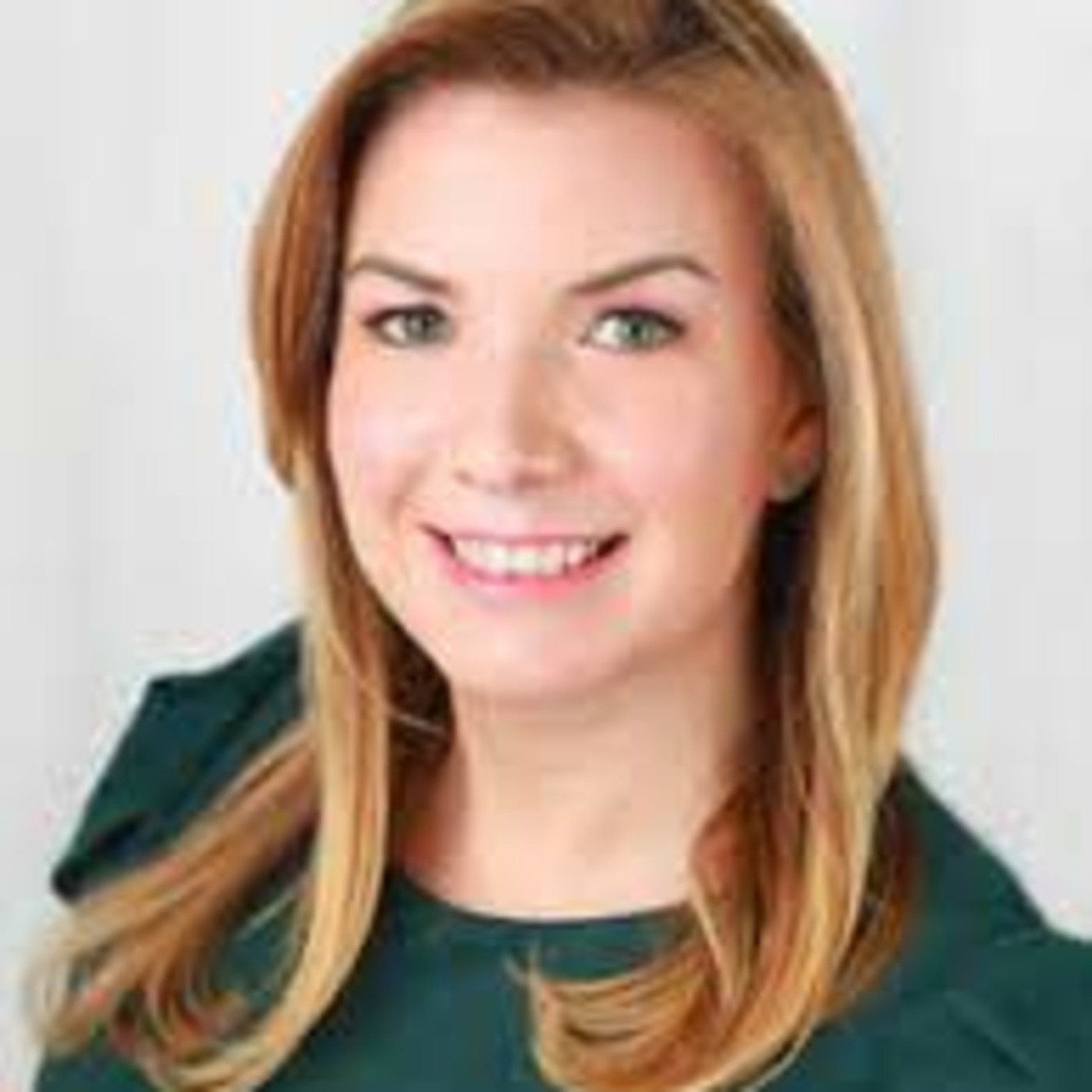
Aoifinn Devitt: Our next guest is a private wealth advisor who was once told that she was too ambitious for a role. Learn how that galvanized her and about her insights on recent shifts in client appetite when it comes to their financial advisor. This episode is one of an occasional series that drills deeply into the role of the financial advisor and how it is evolving. Tune in to hear how the role of investing in the mix is changing and how the aims of security and stability also play an important part. I’m Aoifinn Devitt, and welcome to the 50 Faces Podcast, a podcast committed to revealing the richness and diversity of the world of investment by focusing on its people and their stories. I’m joined today by Sinead Fawn, who’s a certified financial planner and vice president at UBS Private Wealth Management. Sinéad has spent the past 17 years working with individuals and families on all aspects of their financial planning needs, including asset management, trust and estate planning, philanthropy, and above all, a client’s vision and purpose to deliver a plan that is truly personal. She’s passionate about helping people, coaching clients through difficult markets, and celebrating their milestones. She’s also a treasurer and board member of the Aisling Irish Center in Yonkers, New York, a 25-year nonprofit organization that promotes Irish culture health education, social welfare, and a connection to Irish traditions and community. She was born in Ireland from the beautiful countryside of Brosna, County Kerry, and her family moved to New York in the 1980s. Welcome, Sinead. Thanks for joining me today.
Sinead: Hi, Aoifinn, and thanks for having me. I’m excited to chat with you.
Aoifinn Devitt: Well, I already noted where you were born, but could you go into a little more detail about that journey from Ireland to the US, what you studied, and how you came to enter the world of financial planning ultimately?
Sinead: Yeah, sure. So as you’d mentioned, I was born in Ireland and my family emigrated to the United States when I was 3 years old. My father was a bar proprietor, so he had a business in Ireland and he had lived in the United States before, as well as my mother, and they had my 2 brothers. They decided they were going to go back to Ireland to settle, but ultimately, like a lot of people from Ireland, they couldn’t actually settle once they’ve been to the States. So they moved back permanently again, like I said, when I was 3 years old. So my parents decided to settle in New York in a very Irish section and on the Yonkers-Bronx border where they would go on to own a number of bars over the years. I learned at an early age the dedication and discipline it takes to run a business and really the ups and downs of the economy through the lens of a small business owner. In college, I started out majoring in travel and tourism because I wanted to travel and live in different countries, but I quickly learned I needed a career that would pay the bills. And I could travel at my leisure. So I changed majors to international business. My junior year, I had an internship at Smith Barney, now Citibank, in the wealth management division, really not knowing much about finance. I wasn’t sure what to expect, but I was pleasantly surprised by wealth management, and it wasn’t at all what I was expecting. I found it so interesting that financial advisors were in such an important role and making such an impact in clients’ lives. The depth and length of relationships were really fascinating between the client and advisor, and in some cases spanning decades and multiple generations. Clients seemed to really consult with their advisor on every important decision. I really liked this relationship because it was so real and genuine. I already knew I had the communication skills needed to work directly with clients and really enjoyed learning about people and hearing people’s stories. So this experience initially attracted me to the business. I went on to do a second internship in wealth management at Bear Stearns, where I learned a ton about stock and bond trading from one of the largest wealth management teams in the country. During my time there, I received a call from a woman whom I worked with at Smith Barney. Her friend was looking to hire a sales assistant at UBS, so I interviewed with the team. They really liked me, I liked them, but they told me I was too ambitious for the role, but they wanted to introduce me to the admin manager who would end up placing me on another team at UBS. So I stayed in that role as a client service associate for about 17 months, spent most of my days exercising Payless stock options for every employee from the CFO to the CFO’s pilot. I moved up to become an investment associate on another team for about another 17 months, and then eventually started as a financial advisor in 2009. So I’ve really spent the past 20 years at UBS literally working every position in the wealth management industry, and I wouldn’t change that for a second. I really grew up in this business and understand and appreciate the operational components, which really are the nuts and bolts of running a successful practice.
Aoifinn Devitt: Well, that’s great. I— before we launch into what’s on your mind, there’s a couple of strands I’d love to pick up there. First of all, too ambitious for this role. Let’s just park that expression right there because I wanna know how one should handle being told that. But first of all, your parents’ business. So it’s surprising how many people I speak to on this podcast who’ve grown up in restaurant kitchens, for example, in some cases small business owners. You mentioned the kind of volatility that goes with that, the ups and downs. What would you say you took away from that and how do you feel it helps you maybe understand the business owners you work with today?
Sinead: If I think about my father’s personality and disposition, he was very friendly. Everybody liked my dad, everybody respected my dad. But being in the bar business, it’s tough. I mean, starting out in the early days, you’re basically working around the clock yourself because you can’t afford to hire a manager or or, you know, even other bartenders. So my dad was there at night. There was fights, there was things going on that, you know, happen in the late hours under the influence of alcohol. So he was tough enough to be able to withstand that. So I had really had a lot of respect for him and for my mother, who, you know, had the nerves of steel to be able to work alongside him in this business. So I just really learned that to deal with people, you have to be very likable, but you also have to be respected. So you have to have an ability to have a boundary where, look, this is my limit and this is what I expect. And if you’re not gonna behave, you’re not gonna be allowed in my bar really. So, and it just translates to everything in life, you know, if you’re not gonna be respectful and a good person, you’re not gonna be allowed in my life. So I kind of took that away from my parents’ experience in such a tough business and how they did it so gracefully for over 35 years.
Aoifinn Devitt: So well said. I think often we are all given the good advice to be nice to people, be good to people. But I do think that that second part critical. Is With boundaries, not to be exploited, not to be a walkover, et cetera, is so key. And I love the image of, of your father there spearing on both sides of, of that divide. Then the too ambitious quote. So how did you handle that at the time? Did you feel deflated by that? Did you feel it emboldened you to remain ambitious and continue to strive for what you wanted?
Sinead: Well, there’s two things here. Know, You the first thing I thought was, would they say this if I was a male, right? Or would they say, this guy’s— he’s got confidence, he’s going to be great, let’s mold him. Or the other part of me said, you know what, Sinead, it’s okay to be ambitious. Keep it to yourself. You need to get your foot in the door. You need to get your Series 7. You need to get all your licenses and then learn as much as you can. Because the reality is I didn’t know that much about the business and I was already talking to that person saying I wanted to be an advisor. And would this role take me to the path of being an advisor? So A couple of different things I was thinking there, but the road I did take was to tame down my ambition, just speaking about it, you know, the next meeting, the next interview, which was a week later. But you know, it didn’t stop me. I still left that role within 17 months. So I had this sight within me, within my head, but I just kind of toned down my talking about it out loud, I guess, for a period of time.
Aoifinn Devitt: Great advice. Moving forward to what’s on your mind now. So in the intro, I spoke about your focus on letting a client realize their mission and purpose. Philanthropy, as well as celebrating life’s milestones. What’s on— at the forefront of your mind today as you work with clients, and what are you doing more and more of?
Sinead: I’ll be honest with you, I’m still very surprised by the lack of involvement of our female clients when there’s a male spouse involved. The females in the relationship are really still deferring financial decisions to the male spouse, and in fact, we even see this continuing when the female is the breadwinner of the household. So to me, you know, this is a big problem. This is something I think about every day. I think about how I can get the spouse involved, how I can get maybe the daughter involved, because whether it’s, you know, talking about investment product or something, it doesn’t matter. We just need to get them in the door so that they get to know us and get comfortable with us. So I try to take them to events, take them out to dinner, and just do something on a social level. You Because, know, like I said, this is a huge problem. There’s two major trends that are profoundly impacting women. One being that women are living longer. On average, it’s 6 years longer than their spouse. And two, if you think about it, nearly half of all marriages will likely end in divorce. And those rates are rising among couples over 50. So inevitably, many women will become widows or divorcees and will solely be responsible for their financial well-being. In many cases, they’re not prepared.
Aoifinn Devitt: Excellent point. And how do you think things are evolving right now in terms of what issues are keeping your clients up at night? Men or women, are they concerned about inflation, real estate values, living longer? Is retirement looking different?
Sinead: Yeah, I mean, the thing is, you know, it depends on the client’s age. A lot of younger clients are concerned about what happens if I don’t live out the rest of my life earning what I earn. So we’re having a lot of discussions around insurance planning and planning for, God forbid, something happened in 5 years where somebody’s 45 years old, sole or, breadwinner, you know, the majority breadwinner, something happens to them. How does the family provided for. So that’s one thing that keeps younger clients up at night. But I would say you’re spot on with the retirees at this point. You know, longevity, while it’s great, will you have the money to live comfortably through maybe another decade than you were planning to, right? Volatility is a big thing, and we’ll go into that later on in the discussion. I’ll talk about that. So yes, the landscape is certainly shifting over the next decade. We’re going to see major changes in who the key financial decision maker is within the families we serve. If we think about demographics, the baby boomer generation control over half of the nation’s wealth despite only making up 21% of the population. So they’re the bulk of our clients. The baby boomer generation is also the least diverse and most homogeneous white generation in America. The oldest baby boomer just turned 77 this year, and we’ve already started to see the early stages of this huge wealth transfer to their spouse. In fact, it’s forecasted by 2030, women will control $30 trillion of the wealth in the US. So over a span of the next 5 to 10 years, there’ll be more women than ever in control of the family’s wealth. Then the next big shift in the landscape is the wealth transfer to the millennial children of the baby boomer. This is considered the greatest wealth transfer ever and is expected to make millennials the richest generation in American history. So I think this anticipated shift of wealth over the next 5 to 10 years and then the millennial transfer shortly after will change the industry drastically. As I said, the traditional key financial decision maker will no longer be the typical patriarch controlling everything. UBS, seeing this trend, in fact carved out an entire business segment devoted to understanding and learning what women need to be more involved in financial decisions. Listen, the goal is really to address these issues early so more women come to the table confidently and secure their financial independence before they’re forced to.
Aoifinn Devitt: I’d love to know a little bit what you’ve discovered so far in that task force or that division. What do women need that’s different?
Sinead: Women need to be spoken to differently. When we surveyed women to ask them what are the most important things on their mind and what would help them make financial decisions, they talked about retirement planning, estate planning, cash flow planning. Nothing in this survey said anything about investments and investment performance, whereas generally when speaking to the male client, they were all about investment performance and how my returns have been. So We’re starting to see that women are much more interested in talking about financial planning, long-term planning, and how they do want to talk about investments, but they want to talk about them as a means to an end. How do these help me achieve my goals? So it’s a completely different mindset than what we’re sort of used to because, as I said prior, we’ve been dealing with the patriarch of the family for the last 30 years. So really opening up the conversation to bigger planning initiatives. Will be the key going forward.
Aoifinn Devitt: We’re going to take a quick break to hear from our sponsor of this series, Sandmark Partners. I sat down with Jenna Gerstenlauer to talk about their private credit strategy. In particular, we spoke about housing.
Speaker C: Affordability continues to be an issue for Americans, and we are focused on growth areas, including those in innovation districts, which provide for a more affordable lifestyle, where a manageable portion of a household’s income is going towards housing. Typically 30% or less is the target. And housing continues to be an attractive asset class in the US given the well-documented and researched shortage of affordable housing in this country. We are pursuing mixed-use, industrial, student housing, and self-storage opportunities as well.
Aoifinn Devitt: And now back to the show. So that’s really interesting about this slightly shifting emphasis on investment. That said, given up to now, certainly we’ve been very focused on the investment side, and what are your core investment beliefs that you use to approach client work and client portfolio construction?
Sinead: Yeah, so interesting. My first core investment belief is that we never talk about investments until we have a thorough understanding of our client’s needs and goals before making any investment decisions. So it’s usually the last part of a new client conversation. But for current clients, you know, market volatility is a major worry for our clients and we cannot control that, but we can control how we approach the investment strategy. Every one of our clients has a liquidity strategy designed to provide cash flow for short-term expenses. Let’s say for the next 3 to 5 years for such things as taxes or buying a home. And by planning ahead for known expenses and earmarking low-risk investments to cover these expenses, clients avoid the need to tap into long-term investments at inopportune times. This really helps take the emotion out of investing and gives clients a peace of mind that they have a strategy and don’t need to act out of fear and panic. Also, during periods of volatility, I try to shift the focus. I take this time to update financial plans, revisit planning initiatives like life insurance updating, estate planning document updates, anything that pulls a client away from the day-to-day market activity. The key is really to keep the lines of communication open no matter what the market’s doing. I start out every client meeting by asking if there’s anything I need to know that would impact our strategy, such as any unplanned for cash needs we need to address. Regular check-ins are crucial and help clients realign with the long-term plan. In fact, the number one reason clients leave an advisor is due to lack of communication.
Aoifinn Devitt: Really interesting. When you say regular check-ins, how regular would be typical for you?
Sinead: So early on in the engagement with a client, we kind of get a sense of when we’re starting onboarding, we’ve probably talked to a client once a week, so it’s very consistent. But once, you know, the investment plan and the financial plan’s up and running, Usually we talk to clients every month, every 6 weeks, and clients will say to us, look, this is way too much, or I’d like to talk to you more frequently, and then we can adjust that. But some clients, like a lot of the younger clients who are very busy in their careers, we may talk to them quarterly, but we try to talk to them as much as possible because again, we’re finding out things that are going on in their lives that they’re forgetting to tell us by having calls more frequently, and that’s helping us plan the overall strategy for them.
Aoifinn Devitt: And would you say the nature of financial advice is changing currently?
Sinead: Yes, I have to say the nature of advice is definitely changing for the better. 10 years ago, advisors were walking into prospect meetings with an investment proposal with barely knowing any information about the potential client. If you think about it, it’s like a doctor walking into an examining room to greet a new patient they haven’t examined and handing the patient a list of prescriptions. Very short-sighted and a boilerplate approach. Whereas I’m happy to report today that’s not the case. No two client portfolios look the same and everything is customized to fit our clients’ individual needs. The nature of advice has changed from purely discussions around investments to extensive financial planning. I think the CFP®, or Certified Financial Planner® designation, was pivotal for the financial services industry and is now the gold standard of any advisory practice. The CFP® opened up the scope of client engagement from just focusing on investments to include all aspects of our clients’ financial lives, Now advisors are much better equipped to handle these aspects, and we are part of our clients’ trusted advisors, along with their attorneys and CPAs. There’s more collaboration with the outside experts than ever, and this is all good things for clients. In fact, in the last 10 years, banks have built out entire trust and estate planning groups, tax planners, insurance specialists, all who have decades of experience working in private practice and are now working alongside advisors to help with our private clients’ needs. The last thing I want to say on this is when UBS surveyed female clients and asked what their top financial priorities were, they scored retirement planning, tax planning, and long-term care planning as top of the list. Nobody listed investment selection or investment performance. So we’re going in the right direction.
Aoifinn Devitt: Really interesting. Just like to move now to diversity in the industry, and we touched a little bit on this with our too ambitious discussion earlier. You’ve been in this industry now for many years. You mentioned the rising importance of female clients. Looking at the industry providers where we are ourselves, what are your thoughts on the current levels of diversity and how is it improving?
Sinead: That’s a great question. I’d like to say I see more female colleagues around as advisors, but I don’t actually. And Cerulli Research did a study in 2021 and they discovered that the amount of female advisors in the US was 18%. And that only grew 2.5% since 2015. UPS and really all the major banks are trying very hard with their diversity and inclusion initiatives, but the financial advisor world’s a different beast. We’re all separate entrepreneurial teams within UBS that use UBS’s resources and pay the firm for that. So it really comes down to the individual team deciding to make their group more diverse. And ultimately, when you think about the amount of money transferring hands to the female spouse, And research shows us that 85% of spouses change advisors within the first year of their spouse’s death. That should give advisors major incentive to diversify their teams. Clients like to see people that reflect themselves, and more diverse teams help make sure both spouses and partners are involved and included and comfortable with their financial planning and decision-making. So the bottom line is, if all advisors look the same, the greater the chance you’re unconsciously alienating someone in the family. This next decade will be very interesting, and I think smart teams are already making the right decisions to match the landscape and aligning their teams to look like the families they serve.
Aoifinn Devitt: Well, here, here. Let’s hope we see a lot more of that for sure. Looking back now to your own personal story, so you’ve already spoken a little bit about your, your parents. Can you talk about key people who influenced you in your career and life in what way?
Sinead: Sure. So I had an amazing mentor and sponsor named Ray who sadly passed away. A few years back. Ray was somebody who was exceptional in every way. The way he worked, the way he lived, he just had a zest for life. He started out as an apprentice in Switzerland and worked for UBS and its predecessors over the last 50 years. I met Ray when he moved on to the floor I was working on. We had a Bloomberg terminal that was kind of in a common area, so I had helped him log in a couple of times. So we started to build a rapport and I felt comfortable enough to walk into his office one day and strike up a conversation. To see where his business was going and let him know where my head was at. And that led us to working together for over 10 years. Like I said, Ray was a mentor. He took me under his wing. I learned a lot from how he handled clients. He taught me the importance of FaceTime with clients. We would travel across the country to California, Texas, Chicago, you know, 3 to 4 times a year to make sure clients felt our commitment to them. Ray was also actually a great sponsor for me. And a sponsor is somebody, you know, I would consider that somebody that would go to bat for you, lobby on your behalf, which is so important. I remember this one time I was only given a small percentage of a commission that I was promised on a you few, know, bits of trading. And I told him and I was disappointed and I explained to you know, him, and I had it in writing how it was described I was supposed to be paid. So Ray went in and spoke with my manager and by the end of the day I was given what I was promised. So having a sponsor who’s senior and respected within a company really was priceless. And on a personal note, I went through a family illness during the time I worked with Ray. And I let him know what was going on. And he said to me, look, you only have one family. Go take care of what you need to. I literally took like 2 months off, no questions asked. And when I came back after, you know, what I’d been through, I felt really good coming back because I was surrounded by people who really cared and felt empathetic for what I’d been through.
Aoifinn Devitt: Amazing. So lucky to have people like that in our lives, and their influence is lifelong, which is wonderful. Looking at any words of wisdom creed or motto perhaps that you have internalized and applied to the work you do? Is there anything you can share there?
Sinead: Sure. What’s funny, if I think about in my 20s, I have a couple of things that were always in my ear then, and I’ll share them, you know, for any younger listeners, and then I’ll share what my latest motto or creed is for my life. So early on, one thing that always stuck out to me is dress for the job you want, not the one you have. Especially when you’re an assistant or coming up in this business and you really want to be an advisor, you should look the part. And I always did that. I even on Fridays, if I was tired or hungover or whatever from the night before, I always made sure my hair was done and I had a nice enough outfit on so that that could be the day that you talk to somebody like Arrey, who, you know, you end up working with for 10 years and it launches your career basically. So that was a big one for me. And the other I would say is Say yes to stretch assignments. Even if you don’t know what to do, you’ll figure it out. It always goes back to this. Somebody once told me that a male will apply for a job if he has 2 of the 10 skills on the required list, where a woman will say, oh no, I don’t have 2 of the 10 that they need. I’m not going to apply for the job. So always say yes. You’ll figure it out. And everybody’s done it, and we all fake it till we make it. And one big one for me nowadays is to wake up early. I wake up 5:30, 6 o’clock, have a good routine, get a workout in, get some meditation in. Just really sets me up for the day, especially in a high-stress environment. You’re already in a calm state and you can approach clients and client situations with a level head. And that’s really important. And, you know, I wish I had actually picked up this sooner, but I’m glad I have it now.
Aoifinn Devitt: Well, Sinead, it’s been a pleasure to share our heritage. Prior to this call and to hear about your parents and their heritage they brought on this call, and just to hear about what you are doing now to ensure that the next generation of clients are served in an appropriate way, in a way that meets their needs and is also dynamic and responsive to their evolving needs. So thank you so much for coming here and sharing your insights with us.
Sinead: Thank you so much. It was really a pleasure to be a part of this, and thank you for everything you’re doing to bring the voices out.
Aoifinn Devitt: I’m Aoifinn Devitt. Thank you for listening to the 50 Faces Podcast. If you liked what you heard and would like to tune in to hear more inspiring investors and their personal journeys, please subscribe on Apple Podcasts, wherever you get your podcasts. This podcast is for informational purposes only and should not be construed as investment advice, and all views are personal and should not be attributed to the organizations and affiliations of the host or any guest.
Aoifinn Devitt: This bonus series is kindly supported by Soundmark Partners. Soundmark Partners LLC is a women-owned and led private credit firm focused on commercial real estate.
Sinead: I’m still very surprised by the lack of involvement of our female clients when there’s a male spouse involved. The females in the relationship are really still deferring financial decisions to the male spouse. And in fact, we even see this continuing when the female is the breadwinner of the household. So to me, you know, this is a big problem. This is something I think about every day. I think about how I can get the spouse involved, how I can get maybe the daughter involved, because whether it’s, you know, talking about investment product or something, it doesn’t matter. We just need to get them in the door so that they get to know us and get comfortable with us. So I try to take them to events, take them out to dinner, and just do something on a social level. You Because, know, like I said, this is a huge problem. There’s two major trends that are profoundly impacting women. One being that women are living longer. On average, it’s 6 years longer than their spouse. And two, if you think about it, nearly half of all marriages will likely end in divorce. And those rates are rising among couples over 50. So inevitably, many women will become widows or divorcees and will solely be responsible for their financial well-being. In many cases, they’re not prepared.
Aoifinn Devitt: Our next guest is a private wealth advisor who was once told that she was too ambitious for a role. Learn how that galvanized her and about her insights on recent shifts in client appetite when it comes to their financial advisor. This episode is one of an occasional series that drills deeply into the role of the financial advisor and how it is evolving. Tune in to hear how the role of investing in the mix is changing and how the aims of security and stability also play an important part. I’m Aoifinn Devitt, and welcome to the 50 Faces Podcast, a podcast committed to revealing the richness and diversity of the world of investment by focusing on its people and their stories. I’m joined today by Sinead Fawn, who’s a certified financial planner and vice president at UBS Private Wealth Management. Sinéad has spent the past 17 years working with individuals and families on all aspects of their financial planning needs, including asset management, trust and estate planning, philanthropy, and above all, a client’s vision and purpose to deliver a plan that is truly personal. She’s passionate about helping people, coaching clients through difficult markets, and celebrating their milestones. She’s also a treasurer and board member of the Aisling Irish Center in Yonkers, New York, a 25-year nonprofit organization that promotes Irish culture health education, social welfare, and a connection to Irish traditions and community. She was born in Ireland from the beautiful countryside of Brosna, County Kerry, and her family moved to New York in the 1980s. Welcome, Sinead. Thanks for joining me today.
Sinead: Hi, Aoifinn, and thanks for having me. I’m excited to chat with you.
Aoifinn Devitt: Well, I already noted where you were born, but could you go into a little more detail about that journey from Ireland to the US, what you studied, and how you came to enter the world of financial planning ultimately?
Sinead: Yeah, sure. So as you’d mentioned, I was born in Ireland and my family emigrated to the United States when I was 3 years old. My father was a bar proprietor, so he had a business in Ireland and he had lived in the United States before, as well as my mother, and they had my 2 brothers. They decided they were going to go back to Ireland to settle, but ultimately, like a lot of people from Ireland, they couldn’t actually settle once they’ve been to the States. So they moved back permanently again, like I said, when I was 3 years old. So my parents decided to settle in New York in a very Irish section and on the Yonkers-Bronx border where they would go on to own a number of bars over the years. I learned at an early age the dedication and discipline it takes to run a business and really the ups and downs of the economy through the lens of a small business owner. In college, I started out majoring in travel and tourism because I wanted to travel and live in different countries, but I quickly learned I needed a career that would pay the bills. And I could travel at my leisure. So I changed majors to international business. My junior year, I had an internship at Smith Barney, now Citibank, in the wealth management division, really not knowing much about finance. I wasn’t sure what to expect, but I was pleasantly surprised by wealth management, and it wasn’t at all what I was expecting. I found it so interesting that financial advisors were in such an important role and making such an impact in clients’ lives. The depth and length of relationships were really fascinating between the client and advisor, and in some cases spanning decades and multiple generations. Clients seemed to really consult with their advisor on every important decision. I really liked this relationship because it was so real and genuine. I already knew I had the communication skills needed to work directly with clients and really enjoyed learning about people and hearing people’s stories. So this experience initially attracted me to the business. I went on to do a second internship in wealth management at Bear Stearns, where I learned a ton about stock and bond trading from one of the largest wealth management teams in the country. During my time there, I received a call from a woman whom I worked with at Smith Barney. Her friend was looking to hire a sales assistant at UBS, so I interviewed with the team. They really liked me, I liked them, but they told me I was too ambitious for the role, but they wanted to introduce me to the admin manager who would end up placing me on another team at UBS. So I stayed in that role as a client service associate for about 17 months, spent most of my days exercising Payless stock options for every employee from the CFO to the CFO’s pilot. I moved up to become an investment associate on another team for about another 17 months, and then eventually started as a financial advisor in 2009. So I’ve really spent the past 20 years at UBS literally working every position in the wealth management industry, and I wouldn’t change that for a second. I really grew up in this business and understand and appreciate the operational components, which really are the nuts and bolts of running a successful practice.
Aoifinn Devitt: Well, that’s great. I— before we launch into what’s on your mind, there’s a couple of strands I’d love to pick up there. First of all, too ambitious for this role. Let’s just park that expression right there because I wanna know how one should handle being told that. But first of all, your parents’ business. So it’s surprising how many people I speak to on this podcast who’ve grown up in restaurant kitchens, for example, in some cases small business owners. You mentioned the kind of volatility that goes with that, the ups and downs. What would you say you took away from that and how do you feel it helps you maybe understand the business owners you work with today?
Sinead: If I think about my father’s personality and disposition, he was very friendly. Everybody liked my dad, everybody respected my dad. But being in the bar business, it’s tough. I mean, starting out in the early days, you’re basically working around the clock yourself because you can’t afford to hire a manager or or, you know, even other bartenders. So my dad was there at night. There was fights, there was things going on that, you know, happen in the late hours under the influence of alcohol. So he was tough enough to be able to withstand that. So I had really had a lot of respect for him and for my mother, who, you know, had the nerves of steel to be able to work alongside him in this business. So I just really learned that to deal with people, you have to be very likable, but you also have to be respected. So you have to have an ability to have a boundary where, look, this is my limit and this is what I expect. And if you’re not gonna behave, you’re not gonna be allowed in my bar really. So, and it just translates to everything in life, you know, if you’re not gonna be respectful and a good person, you’re not gonna be allowed in my life. So I kind of took that away from my parents’ experience in such a tough business and how they did it so gracefully for over 35 years.
Aoifinn Devitt: So well said. I think often we are all given the good advice to be nice to people, be good to people. But I do think that that second part critical. Is With boundaries, not to be exploited, not to be a walkover, et cetera, is so key. And I love the image of, of your father there spearing on both sides of, of that divide. Then the too ambitious quote. So how did you handle that at the time? Did you feel deflated by that? Did you feel it emboldened you to remain ambitious and continue to strive for what you wanted?
Sinead: Well, there’s two things here. Know, You the first thing I thought was, would they say this if I was a male, right? Or would they say, this guy’s— he’s got confidence, he’s going to be great, let’s mold him. Or the other part of me said, you know what, Sinead, it’s okay to be ambitious. Keep it to yourself. You need to get your foot in the door. You need to get your Series 7. You need to get all your licenses and then learn as much as you can. Because the reality is I didn’t know that much about the business and I was already talking to that person saying I wanted to be an advisor. And would this role take me to the path of being an advisor? So A couple of different things I was thinking there, but the road I did take was to tame down my ambition, just speaking about it, you know, the next meeting, the next interview, which was a week later. But you know, it didn’t stop me. I still left that role within 17 months. So I had this sight within me, within my head, but I just kind of toned down my talking about it out loud, I guess, for a period of time.
Aoifinn Devitt: Great advice. Moving forward to what’s on your mind now. So in the intro, I spoke about your focus on letting a client realize their mission and purpose. Philanthropy, as well as celebrating life’s milestones. What’s on— at the forefront of your mind today as you work with clients, and what are you doing more and more of?
Sinead: I’ll be honest with you, I’m still very surprised by the lack of involvement of our female clients when there’s a male spouse involved. The females in the relationship are really still deferring financial decisions to the male spouse, and in fact, we even see this continuing when the female is the breadwinner of the household. So to me, you know, this is a big problem. This is something I think about every day. I think about how I can get the spouse involved, how I can get maybe the daughter involved, because whether it’s, you know, talking about investment product or something, it doesn’t matter. We just need to get them in the door so that they get to know us and get comfortable with us. So I try to take them to events, take them out to dinner, and just do something on a social level. You Because, know, like I said, this is a huge problem. There’s two major trends that are profoundly impacting women. One being that women are living longer. On average, it’s 6 years longer than their spouse. And two, if you think about it, nearly half of all marriages will likely end in divorce. And those rates are rising among couples over 50. So inevitably, many women will become widows or divorcees and will solely be responsible for their financial well-being. In many cases, they’re not prepared.
Aoifinn Devitt: Excellent point. And how do you think things are evolving right now in terms of what issues are keeping your clients up at night? Men or women, are they concerned about inflation, real estate values, living longer? Is retirement looking different?
Sinead: Yeah, I mean, the thing is, you know, it depends on the client’s age. A lot of younger clients are concerned about what happens if I don’t live out the rest of my life earning what I earn. So we’re having a lot of discussions around insurance planning and planning for, God forbid, something happened in 5 years where somebody’s 45 years old, sole or, breadwinner, you know, the majority breadwinner, something happens to them. How does the family provided for. So that’s one thing that keeps younger clients up at night. But I would say you’re spot on with the retirees at this point. You know, longevity, while it’s great, will you have the money to live comfortably through maybe another decade than you were planning to, right? Volatility is a big thing, and we’ll go into that later on in the discussion. I’ll talk about that. So yes, the landscape is certainly shifting over the next decade. We’re going to see major changes in who the key financial decision maker is within the families we serve. If we think about demographics, the baby boomer generation control over half of the nation’s wealth despite only making up 21% of the population. So they’re the bulk of our clients. The baby boomer generation is also the least diverse and most homogeneous white generation in America. The oldest baby boomer just turned 77 this year, and we’ve already started to see the early stages of this huge wealth transfer to their spouse. In fact, it’s forecasted by 2030, women will control $30 trillion of the wealth in the US. So over a span of the next 5 to 10 years, there’ll be more women than ever in control of the family’s wealth. Then the next big shift in the landscape is the wealth transfer to the millennial children of the baby boomer. This is considered the greatest wealth transfer ever and is expected to make millennials the richest generation in American history. So I think this anticipated shift of wealth over the next 5 to 10 years and then the millennial transfer shortly after will change the industry drastically. As I said, the traditional key financial decision maker will no longer be the typical patriarch controlling everything. UBS, seeing this trend, in fact carved out an entire business segment devoted to understanding and learning what women need to be more involved in financial decisions. Listen, the goal is really to address these issues early so more women come to the table confidently and secure their financial independence before they’re forced to.
Aoifinn Devitt: I’d love to know a little bit what you’ve discovered so far in that task force or that division. What do women need that’s different?
Sinead: Women need to be spoken to differently. When we surveyed women to ask them what are the most important things on their mind and what would help them make financial decisions, they talked about retirement planning, estate planning, cash flow planning. Nothing in this survey said anything about investments and investment performance, whereas generally when speaking to the male client, they were all about investment performance and how my returns have been. So We’re starting to see that women are much more interested in talking about financial planning, long-term planning, and how they do want to talk about investments, but they want to talk about them as a means to an end. How do these help me achieve my goals? So it’s a completely different mindset than what we’re sort of used to because, as I said prior, we’ve been dealing with the patriarch of the family for the last 30 years. So really opening up the conversation to bigger planning initiatives. Will be the key going forward.
Aoifinn Devitt: We’re going to take a quick break to hear from our sponsor of this series, Sandmark Partners. I sat down with Jenna Gerstenlauer to talk about their private credit strategy. In particular, we spoke about housing.
Speaker C: Affordability continues to be an issue for Americans, and we are focused on growth areas, including those in innovation districts, which provide for a more affordable lifestyle, where a manageable portion of a household’s income is going towards housing. Typically 30% or less is the target. And housing continues to be an attractive asset class in the US given the well-documented and researched shortage of affordable housing in this country. We are pursuing mixed-use, industrial, student housing, and self-storage opportunities as well.
Aoifinn Devitt: And now back to the show. So that’s really interesting about this slightly shifting emphasis on investment. That said, given up to now, certainly we’ve been very focused on the investment side, and what are your core investment beliefs that you use to approach client work and client portfolio construction?
Sinead: Yeah, so interesting. My first core investment belief is that we never talk about investments until we have a thorough understanding of our client’s needs and goals before making any investment decisions. So it’s usually the last part of a new client conversation. But for current clients, you know, market volatility is a major worry for our clients and we cannot control that, but we can control how we approach the investment strategy. Every one of our clients has a liquidity strategy designed to provide cash flow for short-term expenses. Let’s say for the next 3 to 5 years for such things as taxes or buying a home. And by planning ahead for known expenses and earmarking low-risk investments to cover these expenses, clients avoid the need to tap into long-term investments at inopportune times. This really helps take the emotion out of investing and gives clients a peace of mind that they have a strategy and don’t need to act out of fear and panic. Also, during periods of volatility, I try to shift the focus. I take this time to update financial plans, revisit planning initiatives like life insurance updating, estate planning document updates, anything that pulls a client away from the day-to-day market activity. The key is really to keep the lines of communication open no matter what the market’s doing. I start out every client meeting by asking if there’s anything I need to know that would impact our strategy, such as any unplanned for cash needs we need to address. Regular check-ins are crucial and help clients realign with the long-term plan. In fact, the number one reason clients leave an advisor is due to lack of communication.
Aoifinn Devitt: Really interesting. When you say regular check-ins, how regular would be typical for you?
Sinead: So early on in the engagement with a client, we kind of get a sense of when we’re starting onboarding, we’ve probably talked to a client once a week, so it’s very consistent. But once, you know, the investment plan and the financial plan’s up and running, Usually we talk to clients every month, every 6 weeks, and clients will say to us, look, this is way too much, or I’d like to talk to you more frequently, and then we can adjust that. But some clients, like a lot of the younger clients who are very busy in their careers, we may talk to them quarterly, but we try to talk to them as much as possible because again, we’re finding out things that are going on in their lives that they’re forgetting to tell us by having calls more frequently, and that’s helping us plan the overall strategy for them.
Aoifinn Devitt: And would you say the nature of financial advice is changing currently?
Sinead: Yes, I have to say the nature of advice is definitely changing for the better. 10 years ago, advisors were walking into prospect meetings with an investment proposal with barely knowing any information about the potential client. If you think about it, it’s like a doctor walking into an examining room to greet a new patient they haven’t examined and handing the patient a list of prescriptions. Very short-sighted and a boilerplate approach. Whereas I’m happy to report today that’s not the case. No two client portfolios look the same and everything is customized to fit our clients’ individual needs. The nature of advice has changed from purely discussions around investments to extensive financial planning. I think the CFP®, or Certified Financial Planner® designation, was pivotal for the financial services industry and is now the gold standard of any advisory practice. The CFP® opened up the scope of client engagement from just focusing on investments to include all aspects of our clients’ financial lives, Now advisors are much better equipped to handle these aspects, and we are part of our clients’ trusted advisors, along with their attorneys and CPAs. There’s more collaboration with the outside experts than ever, and this is all good things for clients. In fact, in the last 10 years, banks have built out entire trust and estate planning groups, tax planners, insurance specialists, all who have decades of experience working in private practice and are now working alongside advisors to help with our private clients’ needs. The last thing I want to say on this is when UBS surveyed female clients and asked what their top financial priorities were, they scored retirement planning, tax planning, and long-term care planning as top of the list. Nobody listed investment selection or investment performance. So we’re going in the right direction.
Aoifinn Devitt: Really interesting. Just like to move now to diversity in the industry, and we touched a little bit on this with our too ambitious discussion earlier. You’ve been in this industry now for many years. You mentioned the rising importance of female clients. Looking at the industry providers where we are ourselves, what are your thoughts on the current levels of diversity and how is it improving?
Sinead: That’s a great question. I’d like to say I see more female colleagues around as advisors, but I don’t actually. And Cerulli Research did a study in 2021 and they discovered that the amount of female advisors in the US was 18%. And that only grew 2.5% since 2015. UPS and really all the major banks are trying very hard with their diversity and inclusion initiatives, but the financial advisor world’s a different beast. We’re all separate entrepreneurial teams within UBS that use UBS’s resources and pay the firm for that. So it really comes down to the individual team deciding to make their group more diverse. And ultimately, when you think about the amount of money transferring hands to the female spouse, And research shows us that 85% of spouses change advisors within the first year of their spouse’s death. That should give advisors major incentive to diversify their teams. Clients like to see people that reflect themselves, and more diverse teams help make sure both spouses and partners are involved and included and comfortable with their financial planning and decision-making. So the bottom line is, if all advisors look the same, the greater the chance you’re unconsciously alienating someone in the family. This next decade will be very interesting, and I think smart teams are already making the right decisions to match the landscape and aligning their teams to look like the families they serve.
Aoifinn Devitt: Well, here, here. Let’s hope we see a lot more of that for sure. Looking back now to your own personal story, so you’ve already spoken a little bit about your, your parents. Can you talk about key people who influenced you in your career and life in what way?
Sinead: Sure. So I had an amazing mentor and sponsor named Ray who sadly passed away. A few years back. Ray was somebody who was exceptional in every way. The way he worked, the way he lived, he just had a zest for life. He started out as an apprentice in Switzerland and worked for UBS and its predecessors over the last 50 years. I met Ray when he moved on to the floor I was working on. We had a Bloomberg terminal that was kind of in a common area, so I had helped him log in a couple of times. So we started to build a rapport and I felt comfortable enough to walk into his office one day and strike up a conversation. To see where his business was going and let him know where my head was at. And that led us to working together for over 10 years. Like I said, Ray was a mentor. He took me under his wing. I learned a lot from how he handled clients. He taught me the importance of FaceTime with clients. We would travel across the country to California, Texas, Chicago, you know, 3 to 4 times a year to make sure clients felt our commitment to them. Ray was also actually a great sponsor for me. And a sponsor is somebody, you know, I would consider that somebody that would go to bat for you, lobby on your behalf, which is so important. I remember this one time I was only given a small percentage of a commission that I was promised on a you few, know, bits of trading. And I told him and I was disappointed and I explained to you know, him, and I had it in writing how it was described I was supposed to be paid. So Ray went in and spoke with my manager and by the end of the day I was given what I was promised. So having a sponsor who’s senior and respected within a company really was priceless. And on a personal note, I went through a family illness during the time I worked with Ray. And I let him know what was going on. And he said to me, look, you only have one family. Go take care of what you need to. I literally took like 2 months off, no questions asked. And when I came back after, you know, what I’d been through, I felt really good coming back because I was surrounded by people who really cared and felt empathetic for what I’d been through.
Aoifinn Devitt: Amazing. So lucky to have people like that in our lives, and their influence is lifelong, which is wonderful. Looking at any words of wisdom creed or motto perhaps that you have internalized and applied to the work you do? Is there anything you can share there?
Sinead: Sure. What’s funny, if I think about in my 20s, I have a couple of things that were always in my ear then, and I’ll share them, you know, for any younger listeners, and then I’ll share what my latest motto or creed is for my life. So early on, one thing that always stuck out to me is dress for the job you want, not the one you have. Especially when you’re an assistant or coming up in this business and you really want to be an advisor, you should look the part. And I always did that. I even on Fridays, if I was tired or hungover or whatever from the night before, I always made sure my hair was done and I had a nice enough outfit on so that that could be the day that you talk to somebody like Arrey, who, you know, you end up working with for 10 years and it launches your career basically. So that was a big one for me. And the other I would say is Say yes to stretch assignments. Even if you don’t know what to do, you’ll figure it out. It always goes back to this. Somebody once told me that a male will apply for a job if he has 2 of the 10 skills on the required list, where a woman will say, oh no, I don’t have 2 of the 10 that they need. I’m not going to apply for the job. So always say yes. You’ll figure it out. And everybody’s done it, and we all fake it till we make it. And one big one for me nowadays is to wake up early. I wake up 5:30, 6 o’clock, have a good routine, get a workout in, get some meditation in. Just really sets me up for the day, especially in a high-stress environment. You’re already in a calm state and you can approach clients and client situations with a level head. And that’s really important. And, you know, I wish I had actually picked up this sooner, but I’m glad I have it now.
Aoifinn Devitt: Well, Sinead, it’s been a pleasure to share our heritage. Prior to this call and to hear about your parents and their heritage they brought on this call, and just to hear about what you are doing now to ensure that the next generation of clients are served in an appropriate way, in a way that meets their needs and is also dynamic and responsive to their evolving needs. So thank you so much for coming here and sharing your insights with us.
Sinead: Thank you so much. It was really a pleasure to be a part of this, and thank you for everything you’re doing to bring the voices out.
Aoifinn Devitt: I’m Aoifinn Devitt. Thank you for listening to the 50 Faces Podcast. If you liked what you heard and would like to tune in to hear more inspiring investors and their personal journeys, please subscribe on Apple Podcasts, wherever you get your podcasts. This podcast is for informational purposes only and should not be construed as investment advice, and all views are personal and should not be attributed to the organizations and affiliations of the host or any guest.