Aoifinn Devitt: This podcast series is kindly sponsored by Evanston Capital. For over 20 years, Evanston Capital has had a key focus in identifying early-stage investment managers it believes are capable of generating long-term value-added returns in complex, innovative strategy areas. The series is also sponsored by Alvine Capital. Alvine Capital is a specialist investment manager and placement boutique with a particular focus on alternative assets, a significant presence in London and Stockholm.
Adam Blitz: We’re not investing in people based on their presentation skills, right? It’s human nature a little bit to be drawn to folks who are compelling presenters. There’s probably a slight correlation with being a good leader of a firm or being able to entice strong people to join you and be around you, but it’s only a very small correlation there. And so we really try to look beyond the polish.
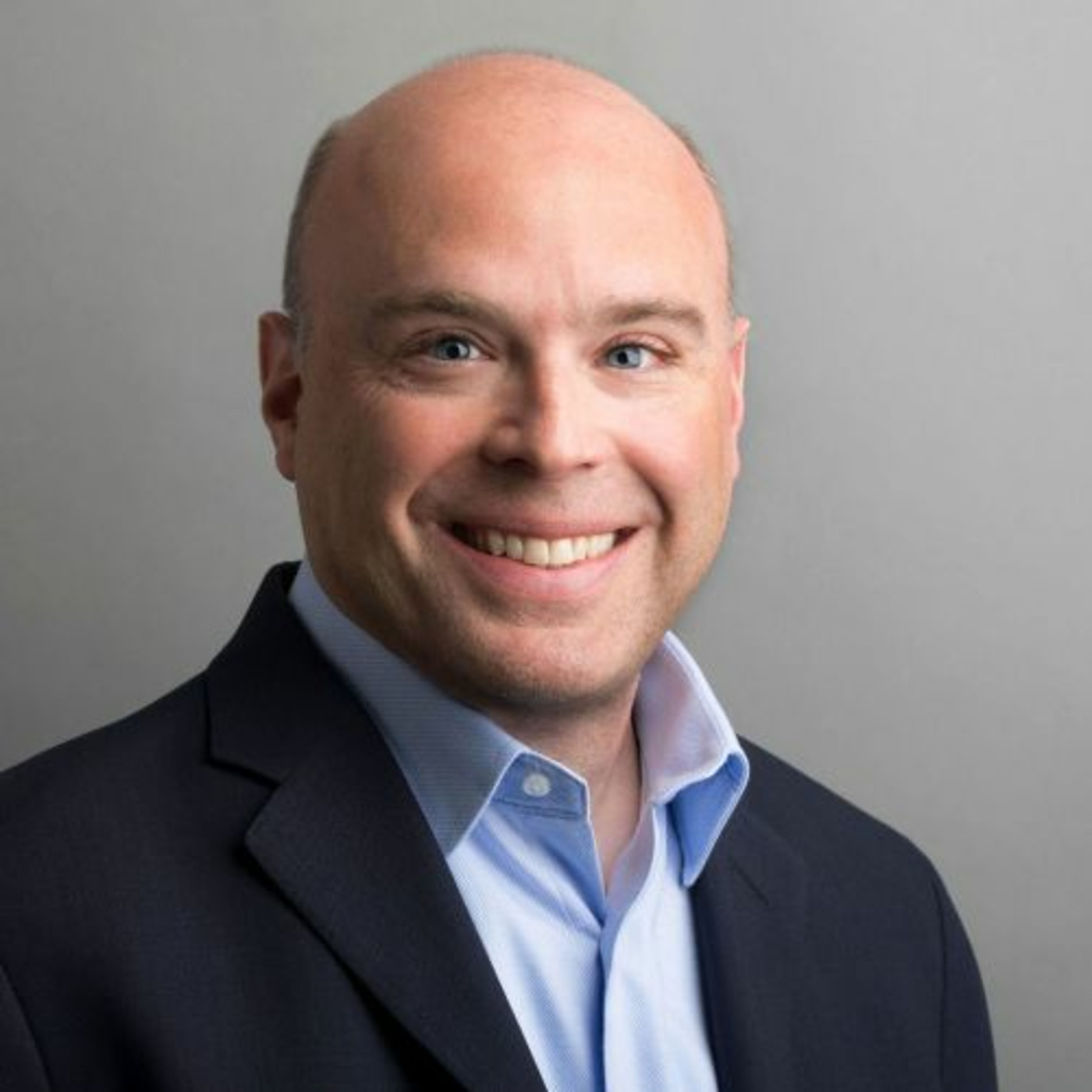
Aoifinn Devitt: I’m Aoifinn Devitt, and welcome to the 50 Faces Podcast, which showcases inspiring professionals in the world of investment and beyond by focusing on people and their stories. I’m joined today by Adam Blitz, who is CEO and Co-CIO at Evanston Capital Management, where he has spent 24 years. He previously worked as a trader at AQR and in the prime brokerage division at Goldman Sachs. Welcome, Adam. Thanks for joining me today.
Adam Blitz: Thanks, Ethan. Great to be here.
Aoifinn Devitt: Well, we’ve known each other for many, many years. I think probably going right back to my time at Cambridge Associates, which is about 20 years myself, but I don’t think we’ve ever gone through your career journey, what brought you to Evanston. So can you just talk us through that briefly?
Adam Blitz: Sure, definitely. Yes. So out of undergraduate at Penn, I joined Goldman Sachs in the asset management division. Quickly linked up with a quantitative research group, which was a fairly young group at the time, but was the group run by Cliff Asness and the team that eventually spun out and became AQR. So within GSAM and AQR, really learned the first time about hedge fund strategies, how hard they are to come up with strategies that really add value over time, how to implement strategies from a trading perspective. And all of that was just incredible experience. Decided I didn’t want to be a trader for the rest of my life, so I went back to Goldman Sachs after being at AQR for a couple years and joined the prime brokerage division, which is really the group within Goldman that services hedge funds, helps them sell short securities, helps determine how much leverage they’re comfortable extending to hedge funds who want to run more leveraged strategies. And that was really terrific insight into a different part of the hedge fund universe. Kind of risk management, kind of getting a broader flavor of what other hedge funds were doing. So I was at Goldman and then I, you know, I got a phone call that David Wagner, who is the chief investment officer at Northwestern, was thinking of leaving Northwestern and, and starting his own firm, principally to pick hedge funds, a fund of hedge funds. And a mutual contact of ours at AQR just thought that we would be a good match. We, we would hit it off kind of personally and professionally and met Dave in New York, and quickly he convinced me to move out to Chicago and join him at the start of Evanston Capital. So very fortunate that I met Dave and very fortunate that I sort of took the plunge and moved to Chicago and helped start the firm.
Aoifinn Devitt: Well, definitely a great trajectory, and we will talk a little bit about how Evanston Capital has evolved since those early days when we first got to know each other. Quickly circling back to your time as a trader, so I think of traders as having a fairly unique mentality perhaps, or mindset approach to risk. And would you say that that has influenced your approach to hedge funds and investing at all, that time you spent as a trader?
Adam Blitz: Yeah, there’s no question about it. And really the role that I helped play, you know, within GSAM and certainly at AQR was really more implementation. So, you know, we’d have trade ideas and we’d need to implement them in the market. And, you know, I really gained an appreciation for how important it is to manage transactions costs when you’re implementing trades. And to this day, I think it’s an underappreciated part of managing an active portfolio and certainly a hedge fund portfolio is just the cost it takes to get in and out of trades that you might want to do. It’s not just the bid-ask spread, but if you’re trading a decent amount of something, you’re likely to move that security and move it in a way that goes against you. And so I really, I think, gained a firsthand appreciation for that and that was really invaluable experience. I wasn’t serving a role where we were like trading in and out of stuff intraday or, or anything like that, but I really think that that implementation transactions cost, especially as it relates to evaluating more systematic managers who tend to trade more frequently where transactions cost can really erode investment alpha. I think that was just, uh, invaluable experience and in many ways trading markets have evolved over the last two decades. It’s easier to trade. There’s more electronic trading, but in many ways they haven’t evolved that much. It still costs money to implement strategies. Transactions cost still matter. And in many ways, liquidity is better because of more intraday trading from pod shops. But if you really need to express a large trade on a security or you change your mind or something that can have a bigger imprint on the market, I’m not sure liquidity really is that much better than it was two decades ago. So it’s something that we talk about with our hedge funds, and I think again, is a just an underappreciated part of the evaluation of hedge fund strategies and whether they really can have alpha and add value after those transaction costs.
Aoifinn Devitt: Dig into Avanston Capital and its position today. In the marketplace. Spoken a lot about hedge funds already, so I know that’s still a big focus of yours. Can you tell us a little bit about the firm and just the, how it has evolved over time and your main focus, and then we’ll dig into some of the opportunity set?
Adam Blitz: Sure, yeah. So we manage a little over $4 billion today, primarily in portfolios that select hedge funds. You know, our flagship fund has been around over 23 years, and you know, I would say that our core philosophy when we first started is the same as it is today. That there’s not that many good hedge funds out there. It’s our job to identify and gain access to the very best hedge funds, know when to move on when something has changed within those firms, and constantly keep the portfolio fresh with new ideas. And so that kind of core philosophy really has not changed over the two decades. I mean, certainly the hedge fund universe has evolved. You know, you see more in the way of pod shops and things like that, but just the basic core tenet of trying to identify investment talent who are experts in a particular area who we think can sustain excellent performance and their organization is set up in the right way to sustain excellent performance. That really hasn’t changed too much over the years. I mean, we have different flavors of what we’re doing now in terms of strategies that might represent a one-stop shop to all hedge fund strategies. We might have other strategies that might isolate strategies that are less directional in nature and not invest in things like long-short equity or distressed debt, as an example. But really the core of what we do is selecting hedge funds.
Aoifinn Devitt: In terms of the outlook for different strategies, I know that Evanston Capital produces an outlook every year, and it’d be great to get a bit of the lie of the land. You’ve mentioned a lot of the classic strategies in there, long-short equity, multi-strategy. What is your outlook for the different strategies as we go into 2026?
Adam Blitz: Yeah, we’re extremely constructive on the hedge fund opportunity set. If you’ve read our letters for two decades, which I know you have, you know that we’re not always that way. So we just think the opportunity set right now is excellent, particularly in two strategy areas, one being long-short equity, really fundamental long-short equity. Really ever since the global financial crisis, you’ve had significant increase in passive investing on the one hand, You’ve also, within the hedge fund universe, had a significant increase in the amount of assets in these multi-strategy pod shops, which tend to be shorter-term in nature in terms of their trading. And it’s sort of left this white space in the middle for fundamental stock pickers where there’s just less competition than there’s been in probably almost two decades. At the same time, you’re seeing a significant rise in fundamental dispersion among companies, fueled by AI, fueled by tariffs, all the geopolitical things going on, there’s just a wider gap, you know, we think, between winners and losers and an unusual level of complexity in terms of evaluating individual companies. So if you have that increased complexity, at the same time you have less competition within fundamental stock pickers who might be able to absorb some level of short-term volatility on the way to having a medium or long-term view on a company, We think that that can translate to significant return potential for really good managers. The other strategy we’re quite bullish on is macro. Macro, we think, tends to have a better opportunity set when there’s higher levels of volatility around the world. There’s more geopolitical things going on. Maybe one country is fighting inflation, another is trying to boost their economy. I draw a contrast to the decade of the 2000s, 2010s when volatility was very low. Every country seemed to be doing quantitative easing, had zero interest rate. It wasn’t that there was nothing to do in macro, but that was just a much more challenging backdrop, really one where you have to just grind out returns. This decade, the opportunity set has been much, much better, again, with that higher level of volatility and geopolitical volatility. So continue to think that macro is an excellent opportunity set right now. And then areas like event-driven credit distress, I’d say those are more reasonable opportunity sets. I wouldn’t say they’re like 10 out of 10 or anything. They’re maybe 6 out of 10. So I think they’re good right now, but you’re still on the distress side. You don’t have a super high level of defaults. I wouldn’t say credit spreads are unusually wide. On the equity event side, M&A activity has picked up, right? But it’s still not at a super robust level relative to history. So we like the opportunity set within event-driven. We actually think it’s getting better, but I would particularly highlight long-short equity and macro as our two strategies we’re really super constructive on relative to history.
Aoifinn Devitt: Really interesting that so little has changed, I suppose, over the course, despite markets, as was getting more participation broadening, maybe the US market dominating. And just in terms of the access points, has that changed over the years that Evanston’s been in business? For example, the use case for multi-manager strategies, and how clients are thinking not only about how they access hedge funds, but what their role in the portfolio is.
Adam Blitz: Yeah, absolutely. The key to hedge fund investing, it’s not just being in hedge funds or quote unquote having an allocation to hedge funds. It’s really crucial that, you know, you’re in the best hedge funds and you’re in a strong portfolio of hedge funds because in our view, you know, the average hedge fund doesn’t add any value. And so being in a portfolio of average hedge funds is likely to be disappointing. And so there might be easier access points, you know, mutual funds of hedge funds or alternative betas or things like that that are easy to access, but they might not add the value that a more traditional entry point, you know, through a traditional fund structure might add. I think the role of hedge funds is obviously super important within portfolios. If you look at most investors’ portfolios, you know, they’re really highly, highly correlated to the overall economy. Certainly traditional asset classes are, especially public equity markets, but even most areas in the alternative asset classes right now, private equity, private credit, real estate, have strong ties to the overall economy. And so, you know, we think it’s very important in an overall portfolio to have a different and diversifying source of return within your portfolio that’s just not as tied to overall economic growth and can produce returns when maybe those other strategies or asset classes are struggling, or if the overall economy is struggling. So continue to think that hedge funds play a very important role in portfolios. The other thing I’d say is that even in traditional asset classes, and I point out in public equities, right, the Magnificent Seven represents, call it, a third of the S&P 500 right now. So Most investors’ portfolios are as concentrated as they’ve ever been in a select group of stocks, right? And so it’s just not that those are bad stocks or anything like that, but diversification is a free lunch and it is important to have different sources of returns in your portfolio rather than very concentrated bets on individual companies or investments that are solely tied to the overall economy representing the bulk of your portfolio. ‘Cause if the economy continues to do great, then that’s great, right? But if it hits a hiccup, right, I think it could, if you don’t have a different or diverse source of return, it could really cause issues in your portfolio. We saw a little bit of a taste of that in 2022.
Aoifinn Devitt: [Speaker:MARY] And it’s true that I do read your letters and have read them for, as I said, close on 2 decades. And I think one thing that really stands out and always has is the transparency. In those letters. I think it is from the beginning, you’ve given the lie, I suppose, to the idea that hedge fund strategies are a black box. It’s always been a very, as you said, honest, unvarnished look at the opportunity set as well as the drivers of performance in that one quarter. So thank you for your service there in terms of that transparency. But there’s some other aspects of Evanston’s approach, which I think are worth noting here, and I suppose just comparing some of the conventional approaches. And one of those is maybe a focus on smaller managers. Do you have any particular reason why you would look at managers of specialized expertise?
Adam Blitz: Yeah, definitely. Yeah. Our simple view is that if you’re an expert in a particular area, you know that area super well, obviously, because you’re an expert and you don’t manage an enormous amount of assets under management that you can not only identify but invest in names on both the long and short side that can really move the dial in terms of performance. And so This could be in the tech space and identifying up-and-coming names that are in the mid-cap space, right? Or overvalued names that are going to get disintermediated. It could be names in the industrial space that might not move the needle for a manager managing $20 billion, for instance. But we just think that if you’re an expert in a particular area, you’re just much more likely to be in different names, interesting names, and be ahead of the curve on understanding how things might be changing in your particular industry or your particular region or, or whatever it might be. So that’s always been a focus of ours, particularly when we’re thinking in the long-short equity portfolio of generally having sector specialists or regional specialists. There tends to, with that approach, be less overlap from an individual name perspective as well when you add it all together. And so you’re getting different sources of Idiosyncratic risk when you build it that way, whereas, you know, portfolio of just larger managers, there’s only so many things you can invest in and there just tends to be more overlap in addition to being hindered by not maybe being as expert in that particular sector. I’d say again, like going back to a couple of other themes we talked about earlier in terms of implementation, I think we spend a lot of time on implementation and just simply when you’re a smaller manager, your footprint in the market is less. If you change your mind on a name, you can get out it generally more easily. And again, most of these specialist managers tend to be smaller in terms of the assets under management, and they kind of go hand in hand with one another. And that flexibility, if you’re wrong, you know, on a name or you just want to get out of a name or you change your mind or you want to size up a smaller-cap name in your portfolio, just have more ability to do that if you’re a specialist manager who’s not managing, you know, a ton of money.
Aoifinn Devitt: And just in terms of some other aspects of the manager evaluation process, what would you say, given you’ve been doing this as long as you have, do you think that there are some things that are commonly missed in that evaluation process?
Adam Blitz: Yeah, absolutely. You know, in addition to some of the implementation issues, you know, we talked about earlier, I think just the soft side of it is just continues to be underappreciated. What’s the culture within these firms? What’s the motivation of the key people? Within the firm, how does that motivation change over time? How does it change if they’ve had a period of great success and they’ve just been given this big incentive fee and, and economically they’re in a very different position than maybe they’ve been their whole life? Like, does that change their approach? Do they get more risk-averse? Do they start to focus their attention away from managing the portfolio, or are they just so passionate about investing driven, competitive, this is what they love to do, that even with that success, they continue to be fully motivated to continue to achieve future success. And those soft evaluations, they’re not going to pop off the page from an exposure report. They’re not going to pop off the page if you crunch a bunch of historical return numbers and look at drawdowns or statistics or all of that stuff, which is not unimportant, but needs to be combined with a real analysis of what’s driving this firm going forward, what’s the motivation going forward. Every manager is going to tell you they’re fully engaged and fully motivated and the team is happy and all that, but it’s kind of our job to make those assessments. And, you know, maybe something has changed in the body language of a manager, right? Or just something that we notice from a softer perspective. And so I think that that’s just super important. Continue to think it’s underappreciated. I think if you go into a manager meeting with a bunch of checklist questions, it’s very hard to draw some of those soft factors out. So meeting managers not only in a formal setting relatively frequently, but also in less formal settings where maybe you can tease out some of these softer elements, we think is very, very important because our whole job is not to crunch a bunch of historical numbers and say they were good, right? Our job is always in the future, predict the future prospectively, how do we think this particular manager is going to do and how are they going to fit into the portfolio going forward based on what their firm is today, the motivations of the people today, how much assets under management they’re managing today, right? And that’s our whole job is to make those assessments.
Aoifinn Devitt: To some personal reflections of your own, I’d just like to put it back to the manager’s perspective for a minute. You mentioned focusing on some of the smaller managers, more specialist managers. And I suppose, can you just paint a picture for the landscape for managers entering hedge fund arena today in terms of barriers to entry? Is there a larger moat around them? And I know that we’ve also often talked about polish in terms of whether a manager necessarily is going to be completely polished or a little bit maybe green or rough around the edges at the beginning. How do you think about that?
Adam Blitz: Yeah, absolutely. On the polish part, we’re not investing in people based on their presentation skills, right? We’re investing in them based on how we think they’re going to perform going forward from an investment perspective, right? And those are two different things, right? We’re looking for people who have investment talent, have built up, you know, a good team. Obviously, we want people with excellent character, All of that is super important. Someone coming in and doing a slick presentation isn’t necessarily a bad thing. It doesn’t mean that they’re not going to be a good manager going forward, but it certainly doesn’t mean they’re going to be a good manager going forward. And then someone who might be stumbling over their words a little bit, again, that doesn’t necessarily mean that they’re not going to produce good returns going forward. So it’s human nature a little bit to be drawn to folks who are compelling presenters. There’s probably a slight correlation between if you can present well to prospective investors that, you know, you probably— maybe there’s a slight positive correlation with being a good leader of a firm or being able to entice strong people to join you and be around you, but it’s only a very small correlation there. And so we really try to look beyond the polish. Certainly the capital introduction teams at bigger firms have worked with newer and prospective managers on how to tell their stories. And so There’s a sameness that comes through sometimes with some of these stories, and it’s our job, you know, really to look through that. You know, I’d give a sports analogy. When you look at the opening press conferences of new coaches, there’s not that big of a correlation between how successful or smooth those press conferences were and the ultimate success of the coach. You know, sometimes it’s the ones who bumble around and sort of lose the press conference who go on to be the great coaches. And than the folks who kind of wow you in the initial press conference go on to struggle. Right? And so it’s just very important to look beyond the polish. I think it’s much harder to get off the ground as a new hedge fund today. Allocators, there’s not as much capital, I think, chasing newer prospective managers because there’s less net new capital in the space. A lot of capital has gone into the pod shops and some managers who previously might have started their own firms have gone into the pod shops. So for us, it’s always about identifying identifying a handful of new managers in every given year. And we’ve been able to do that. And whether the denominator is, you know, we’re meeting with 200 or 300 or 400, you know, in a given year, we’ve still found that the quality managers and new launches has stayed at a constant level because there continue to be folks who don’t want to join a pod shop. Maybe they don’t want the risk constraints that a pod shop would have. Maybe they have an entrepreneurial itch and want to run their own firm. And so we want to be able to continue to identify those folks. And my sense is there’s less competition of folks in our seat chasing those newer launches. So it’s harder to get off the ground maybe, but I think if you’re willing to invest in managers early, you’re often in a better position, maybe from a fee or capacity negotiation standpoint than you might’ve been 15 years ago.
Aoifinn Devitt: And it’s interesting, I was going to go to some personal reflections, but a lot of this there is an aspect of coaching that goes on. You’ve used the word coach a few times with smaller managers, especially when you are maybe an early-stage investor. I think you kind of participate in their success, and it generally— there is a vested interest in seeing them succeed. But I think about your own leadership style, given the time you’ve spent at Evanston, how would you say that has evolved, and how would you describe that?
Adam Blitz: Yeah, no, definitely. And I’m a pretty introverted person, so I think trying to marry that with leadership has been interesting, but I really just believe in giving people autonomy, giving them rope. The best way to learn is by doing. I don’t necessarily think that handing someone a 100-page book on, you know, this is precisely how everything is done is necessarily the best way to learn. I think there’s some stuff that you do have to learn that way, right? In terms of what is a hedge fund, like what is standard deviation, like you have to understand those base case things, but But as far as leadership and giving people autonomy, I think that that’s just the best way to learn and, you know, really learning by osmosis, right? And the people you’re leading, just have them watch you, right? Observe how you might handle a particular situation. Maybe it’s a current manager that you have to redeem from, or, you know, you’re not going to get to the finish line with, or there’s a challenging question that you’re dealing with, or there’s a personnel item that you’re dealing with and just sort of drawing them in and having them learn by osmosis how you kind of work through that situation. But again, I guess go back to the autonomy and rope and letting people put their own stamp on things and not micromanaging things and really making it clear to people how much you believe in them, right? And that, you know, you’re not leaving them off on an island completely unsupported, but you also want to give them the autonomy to figure out what works best for them in whatever role that you think that best suits them. So it’s different. Our firm is 28 people right now, right? It’s not a huge firm. I think that that kind of leadership style works within a smaller firm. I think if we were 200, 300, 400 people, it probably would need to be a little more structured and regimented, but I think it works very well within our firm. And we have a ton of homegrown talent who’ve just been able to take on more and more responsibilities. And it’s really been terrific to watch that growth. And I don’t think it’s because I’ve been heavy-handed on every stage of leadership. I think a lot of it is just these are super talented people and make them realize they’re super talented and then kind of get out of the way, support them, but get out of the way and let them do their thing.
Aoifinn Devitt: And speaking of people, I know you mentioned David Wagner. Were there any key people in your career that had a formative role?
Adam Blitz: Yeah, absolutely. I mean, Dave, for sure. I mean, I think has played the biggest role. I mean, in terms of he gave me a lot of that autonomy when we started the firm in terms of putting a stamp on our manager research process and how we put together the portfolio. But I just learned so much from him, just watching him deal with managers, how to say no nicely, how to set an ownership culture, within the firm, have everyone rowing in the same direction. He just had just natural positive instincts on how to work through situations. And I just learned so much watching that. Also, like him saying, you know, hey, you know, you’re a 26-year-old who I didn’t really know, but I think you’re a guy I want to help start the firm with, and taking that leap. Like, that’s not something that’s typically done. And I think it sets the stage for our whole firm of just, if you’re just going to think and do things the way everyone else does, it’s going to be very hard to differentiate from the pack. But if you take smart risks, if you will, and say, “I believe in this person. I believe in their character and substance and all that. Maybe someone else wouldn’t make this plunge, but we’re going to do it here.” I kind of think Dave did that with me. We can do that with our people. We can do that with the managers we select. And so extremely impactful. I’d also add the whole experience with the AQR team and was extremely formative. Those are great people, great character, got me involved in depth in things at a super young age. And that really set the stage, I think, for going back to Goldman and ultimately meeting Dave of that whole group and experience. And then certainly my parents, right, who, who are just always about excellence and education and character. And I think just following their lead and example has been critical as well.
Aoifinn Devitt: Well, those are a wonderful set of shoutouts there. And my last question is around any advice, creed, or motto that you would have, maybe anything that you’ve internalized based on your career to date and that you can share with us here.
Adam Blitz: Boy, there’s a bunch. One that comes to mind is the grass isn’t always greener. I know that’s a common phrase, but I do think a lot of young folks early in their career, you’re getting all this fire hose of information from your friends at other firms, or you get a sense that other firms are doing things some perfect way. If you’re in a good spot and you’re surrounded by good people and you can see a trajectory for your own personal growth, just stay focused on that, right? As opposed to always having half an eye out or thinking that everything is perfect at some other place. So I think that that’s important to keep in mind. Don’t sweat the small stuff. That doesn’t mean to not be detail-oriented in your work, but, you know, if there’s a minor thing within the workplace, like, don’t blow it up into something that is disproportionate to what it really is in the scheme of things. And then the Maya Angelou quote of, “People don’t remember really what you said or what you did, but they’ll never forget how you made them feel.” And so I think that that’s something important as well. And as I said, I’m sort of an introverted person, so I’m not going to be the life of a party or bear hug, but I would like to hope that the people within Evanston Capital, hopefully our clients and people we deal with, a good feeling about our firm and the interactions with our firm and that like these are easy people to deal with. They’re nice people. Yeah, they’re competitive and hopefully they perform well and all of that, right? Those are table stakes, but that they’re just easy, nice people to deal with, I think is very, very important.
Aoifinn Devitt: Well, thank you so much, Adam. You are, I think, somewhat unique in our industry as being looking exactly the same as you looked when we met 20 years ago. So I don’t know what it is.
Adam Blitz: It’s because I looked old 20 years ago, probably, right?
Aoifinn Devitt: It must be something about— there’s something in the water up there in Evanston, Illinois. But thank you so much for coming here, for sharing your insights about the scope of hedge fund investing and what has changed and what has not changed over the course of the years. And as I said, I’ve always really valued Evanston for its transparency, and this transparency has continued here. So thank you for coming here and sharing your insights with us.
Adam Blitz: Thanks, Aoife, and I really enjoyed it. Thank you.
Aoifinn Devitt: I’m Aoife McDevitt. Thank you for listening to our 50 Faces podcast. If you liked what you heard and would like to tune in to hear more inspiring professionals and their stories, please subscribe on Apple Podcasts or wherever you get your podcasts. This podcast is for informational purposes only and should not be construed as investment advice, and all views are personal and should not be attributed to the organizations and affiliations of the host or any guest. 50 Faces Productions Limited is is not a current client of Evanston Capital Management LLC and is not an investor in a fund managed by Evanston Capital Management LLC. 50 Faces received cash compensation from the fund sponsor in connection with the sponsored podcast arrangement. Specifically, the fund sponsor paid 50 Faces a flat fee for a predetermined series of podcast content. Because 50 Faces is compensated, it has a financial incentive to promote the fund sponsor which creates a material conflict of interest. 50 Faces, its clients and affiliates may also have additional relationships with the fund sponsor or other investment vehicles managed by the fund sponsor, which may create additional conflicts of interest.
Aoifinn Devitt: This podcast series is kindly sponsored by Evanston Capital. For over 20 years, Evanston Capital has had a key focus in identifying early-stage investment managers it believes are capable of generating long-term value-added returns in complex, innovative strategy areas. The series is also sponsored by Alvine Capital. Alvine Capital is a specialist investment manager and placement boutique with a particular focus on alternative assets, a significant presence in London and Stockholm.
Adam Blitz: We’re not investing in people based on their presentation skills, right? It’s human nature a little bit to be drawn to folks who are compelling presenters. There’s probably a slight correlation with being a good leader of a firm or being able to entice strong people to join you and be around you, but it’s only a very small correlation there. And so we really try to look beyond the polish.
Aoifinn Devitt: I’m Aoifinn Devitt, and welcome to the 50 Faces Podcast, which showcases inspiring professionals in the world of investment and beyond by focusing on people and their stories. I’m joined today by Adam Blitz, who is CEO and Co-CIO at Evanston Capital Management, where he has spent 24 years. He previously worked as a trader at AQR and in the prime brokerage division at Goldman Sachs. Welcome, Adam. Thanks for joining me today.
Adam Blitz: Thanks, Ethan. Great to be here.
Aoifinn Devitt: Well, we’ve known each other for many, many years. I think probably going right back to my time at Cambridge Associates, which is about 20 years myself, but I don’t think we’ve ever gone through your career journey, what brought you to Evanston. So can you just talk us through that briefly?
Adam Blitz: Sure, definitely. Yes. So out of undergraduate at Penn, I joined Goldman Sachs in the asset management division. Quickly linked up with a quantitative research group, which was a fairly young group at the time, but was the group run by Cliff Asness and the team that eventually spun out and became AQR. So within GSAM and AQR, really learned the first time about hedge fund strategies, how hard they are to come up with strategies that really add value over time, how to implement strategies from a trading perspective. And all of that was just incredible experience. Decided I didn’t want to be a trader for the rest of my life, so I went back to Goldman Sachs after being at AQR for a couple years and joined the prime brokerage division, which is really the group within Goldman that services hedge funds, helps them sell short securities, helps determine how much leverage they’re comfortable extending to hedge funds who want to run more leveraged strategies. And that was really terrific insight into a different part of the hedge fund universe. Kind of risk management, kind of getting a broader flavor of what other hedge funds were doing. So I was at Goldman and then I, you know, I got a phone call that David Wagner, who is the chief investment officer at Northwestern, was thinking of leaving Northwestern and, and starting his own firm, principally to pick hedge funds, a fund of hedge funds. And a mutual contact of ours at AQR just thought that we would be a good match. We, we would hit it off kind of personally and professionally and met Dave in New York, and quickly he convinced me to move out to Chicago and join him at the start of Evanston Capital. So very fortunate that I met Dave and very fortunate that I sort of took the plunge and moved to Chicago and helped start the firm.
Aoifinn Devitt: Well, definitely a great trajectory, and we will talk a little bit about how Evanston Capital has evolved since those early days when we first got to know each other. Quickly circling back to your time as a trader, so I think of traders as having a fairly unique mentality perhaps, or mindset approach to risk. And would you say that that has influenced your approach to hedge funds and investing at all, that time you spent as a trader?
Adam Blitz: Yeah, there’s no question about it. And really the role that I helped play, you know, within GSAM and certainly at AQR was really more implementation. So, you know, we’d have trade ideas and we’d need to implement them in the market. And, you know, I really gained an appreciation for how important it is to manage transactions costs when you’re implementing trades. And to this day, I think it’s an underappreciated part of managing an active portfolio and certainly a hedge fund portfolio is just the cost it takes to get in and out of trades that you might want to do. It’s not just the bid-ask spread, but if you’re trading a decent amount of something, you’re likely to move that security and move it in a way that goes against you. And so I really, I think, gained a firsthand appreciation for that and that was really invaluable experience. I wasn’t serving a role where we were like trading in and out of stuff intraday or, or anything like that, but I really think that that implementation transactions cost, especially as it relates to evaluating more systematic managers who tend to trade more frequently where transactions cost can really erode investment alpha. I think that was just, uh, invaluable experience and in many ways trading markets have evolved over the last two decades. It’s easier to trade. There’s more electronic trading, but in many ways they haven’t evolved that much. It still costs money to implement strategies. Transactions cost still matter. And in many ways, liquidity is better because of more intraday trading from pod shops. But if you really need to express a large trade on a security or you change your mind or something that can have a bigger imprint on the market, I’m not sure liquidity really is that much better than it was two decades ago. So it’s something that we talk about with our hedge funds, and I think again, is a just an underappreciated part of the evaluation of hedge fund strategies and whether they really can have alpha and add value after those transaction costs.
Aoifinn Devitt: Dig into Avanston Capital and its position today. In the marketplace. Spoken a lot about hedge funds already, so I know that’s still a big focus of yours. Can you tell us a little bit about the firm and just the, how it has evolved over time and your main focus, and then we’ll dig into some of the opportunity set?
Adam Blitz: Sure, yeah. So we manage a little over $4 billion today, primarily in portfolios that select hedge funds. You know, our flagship fund has been around over 23 years, and you know, I would say that our core philosophy when we first started is the same as it is today. That there’s not that many good hedge funds out there. It’s our job to identify and gain access to the very best hedge funds, know when to move on when something has changed within those firms, and constantly keep the portfolio fresh with new ideas. And so that kind of core philosophy really has not changed over the two decades. I mean, certainly the hedge fund universe has evolved. You know, you see more in the way of pod shops and things like that, but just the basic core tenet of trying to identify investment talent who are experts in a particular area who we think can sustain excellent performance and their organization is set up in the right way to sustain excellent performance. That really hasn’t changed too much over the years. I mean, we have different flavors of what we’re doing now in terms of strategies that might represent a one-stop shop to all hedge fund strategies. We might have other strategies that might isolate strategies that are less directional in nature and not invest in things like long-short equity or distressed debt, as an example. But really the core of what we do is selecting hedge funds.
Aoifinn Devitt: In terms of the outlook for different strategies, I know that Evanston Capital produces an outlook every year, and it’d be great to get a bit of the lie of the land. You’ve mentioned a lot of the classic strategies in there, long-short equity, multi-strategy. What is your outlook for the different strategies as we go into 2026?
Adam Blitz: Yeah, we’re extremely constructive on the hedge fund opportunity set. If you’ve read our letters for two decades, which I know you have, you know that we’re not always that way. So we just think the opportunity set right now is excellent, particularly in two strategy areas, one being long-short equity, really fundamental long-short equity. Really ever since the global financial crisis, you’ve had significant increase in passive investing on the one hand, You’ve also, within the hedge fund universe, had a significant increase in the amount of assets in these multi-strategy pod shops, which tend to be shorter-term in nature in terms of their trading. And it’s sort of left this white space in the middle for fundamental stock pickers where there’s just less competition than there’s been in probably almost two decades. At the same time, you’re seeing a significant rise in fundamental dispersion among companies, fueled by AI, fueled by tariffs, all the geopolitical things going on, there’s just a wider gap, you know, we think, between winners and losers and an unusual level of complexity in terms of evaluating individual companies. So if you have that increased complexity, at the same time you have less competition within fundamental stock pickers who might be able to absorb some level of short-term volatility on the way to having a medium or long-term view on a company, We think that that can translate to significant return potential for really good managers. The other strategy we’re quite bullish on is macro. Macro, we think, tends to have a better opportunity set when there’s higher levels of volatility around the world. There’s more geopolitical things going on. Maybe one country is fighting inflation, another is trying to boost their economy. I draw a contrast to the decade of the 2000s, 2010s when volatility was very low. Every country seemed to be doing quantitative easing, had zero interest rate. It wasn’t that there was nothing to do in macro, but that was just a much more challenging backdrop, really one where you have to just grind out returns. This decade, the opportunity set has been much, much better, again, with that higher level of volatility and geopolitical volatility. So continue to think that macro is an excellent opportunity set right now. And then areas like event-driven credit distress, I’d say those are more reasonable opportunity sets. I wouldn’t say they’re like 10 out of 10 or anything. They’re maybe 6 out of 10. So I think they’re good right now, but you’re still on the distress side. You don’t have a super high level of defaults. I wouldn’t say credit spreads are unusually wide. On the equity event side, M&A activity has picked up, right? But it’s still not at a super robust level relative to history. So we like the opportunity set within event-driven. We actually think it’s getting better, but I would particularly highlight long-short equity and macro as our two strategies we’re really super constructive on relative to history.
Aoifinn Devitt: Really interesting that so little has changed, I suppose, over the course, despite markets, as was getting more participation broadening, maybe the US market dominating. And just in terms of the access points, has that changed over the years that Evanston’s been in business? For example, the use case for multi-manager strategies, and how clients are thinking not only about how they access hedge funds, but what their role in the portfolio is.
Adam Blitz: Yeah, absolutely. The key to hedge fund investing, it’s not just being in hedge funds or quote unquote having an allocation to hedge funds. It’s really crucial that, you know, you’re in the best hedge funds and you’re in a strong portfolio of hedge funds because in our view, you know, the average hedge fund doesn’t add any value. And so being in a portfolio of average hedge funds is likely to be disappointing. And so there might be easier access points, you know, mutual funds of hedge funds or alternative betas or things like that that are easy to access, but they might not add the value that a more traditional entry point, you know, through a traditional fund structure might add. I think the role of hedge funds is obviously super important within portfolios. If you look at most investors’ portfolios, you know, they’re really highly, highly correlated to the overall economy. Certainly traditional asset classes are, especially public equity markets, but even most areas in the alternative asset classes right now, private equity, private credit, real estate, have strong ties to the overall economy. And so, you know, we think it’s very important in an overall portfolio to have a different and diversifying source of return within your portfolio that’s just not as tied to overall economic growth and can produce returns when maybe those other strategies or asset classes are struggling, or if the overall economy is struggling. So continue to think that hedge funds play a very important role in portfolios. The other thing I’d say is that even in traditional asset classes, and I point out in public equities, right, the Magnificent Seven represents, call it, a third of the S&P 500 right now. So Most investors’ portfolios are as concentrated as they’ve ever been in a select group of stocks, right? And so it’s just not that those are bad stocks or anything like that, but diversification is a free lunch and it is important to have different sources of returns in your portfolio rather than very concentrated bets on individual companies or investments that are solely tied to the overall economy representing the bulk of your portfolio. ‘Cause if the economy continues to do great, then that’s great, right? But if it hits a hiccup, right, I think it could, if you don’t have a different or diverse source of return, it could really cause issues in your portfolio. We saw a little bit of a taste of that in 2022.
Aoifinn Devitt: [Speaker:MARY] And it’s true that I do read your letters and have read them for, as I said, close on 2 decades. And I think one thing that really stands out and always has is the transparency. In those letters. I think it is from the beginning, you’ve given the lie, I suppose, to the idea that hedge fund strategies are a black box. It’s always been a very, as you said, honest, unvarnished look at the opportunity set as well as the drivers of performance in that one quarter. So thank you for your service there in terms of that transparency. But there’s some other aspects of Evanston’s approach, which I think are worth noting here, and I suppose just comparing some of the conventional approaches. And one of those is maybe a focus on smaller managers. Do you have any particular reason why you would look at managers of specialized expertise?
Adam Blitz: Yeah, definitely. Yeah. Our simple view is that if you’re an expert in a particular area, you know that area super well, obviously, because you’re an expert and you don’t manage an enormous amount of assets under management that you can not only identify but invest in names on both the long and short side that can really move the dial in terms of performance. And so This could be in the tech space and identifying up-and-coming names that are in the mid-cap space, right? Or overvalued names that are going to get disintermediated. It could be names in the industrial space that might not move the needle for a manager managing $20 billion, for instance. But we just think that if you’re an expert in a particular area, you’re just much more likely to be in different names, interesting names, and be ahead of the curve on understanding how things might be changing in your particular industry or your particular region or, or whatever it might be. So that’s always been a focus of ours, particularly when we’re thinking in the long-short equity portfolio of generally having sector specialists or regional specialists. There tends to, with that approach, be less overlap from an individual name perspective as well when you add it all together. And so you’re getting different sources of Idiosyncratic risk when you build it that way, whereas, you know, portfolio of just larger managers, there’s only so many things you can invest in and there just tends to be more overlap in addition to being hindered by not maybe being as expert in that particular sector. I’d say again, like going back to a couple of other themes we talked about earlier in terms of implementation, I think we spend a lot of time on implementation and just simply when you’re a smaller manager, your footprint in the market is less. If you change your mind on a name, you can get out it generally more easily. And again, most of these specialist managers tend to be smaller in terms of the assets under management, and they kind of go hand in hand with one another. And that flexibility, if you’re wrong, you know, on a name or you just want to get out of a name or you change your mind or you want to size up a smaller-cap name in your portfolio, just have more ability to do that if you’re a specialist manager who’s not managing, you know, a ton of money.
Aoifinn Devitt: And just in terms of some other aspects of the manager evaluation process, what would you say, given you’ve been doing this as long as you have, do you think that there are some things that are commonly missed in that evaluation process?
Adam Blitz: Yeah, absolutely. You know, in addition to some of the implementation issues, you know, we talked about earlier, I think just the soft side of it is just continues to be underappreciated. What’s the culture within these firms? What’s the motivation of the key people? Within the firm, how does that motivation change over time? How does it change if they’ve had a period of great success and they’ve just been given this big incentive fee and, and economically they’re in a very different position than maybe they’ve been their whole life? Like, does that change their approach? Do they get more risk-averse? Do they start to focus their attention away from managing the portfolio, or are they just so passionate about investing driven, competitive, this is what they love to do, that even with that success, they continue to be fully motivated to continue to achieve future success. And those soft evaluations, they’re not going to pop off the page from an exposure report. They’re not going to pop off the page if you crunch a bunch of historical return numbers and look at drawdowns or statistics or all of that stuff, which is not unimportant, but needs to be combined with a real analysis of what’s driving this firm going forward, what’s the motivation going forward. Every manager is going to tell you they’re fully engaged and fully motivated and the team is happy and all that, but it’s kind of our job to make those assessments. And, you know, maybe something has changed in the body language of a manager, right? Or just something that we notice from a softer perspective. And so I think that that’s just super important. Continue to think it’s underappreciated. I think if you go into a manager meeting with a bunch of checklist questions, it’s very hard to draw some of those soft factors out. So meeting managers not only in a formal setting relatively frequently, but also in less formal settings where maybe you can tease out some of these softer elements, we think is very, very important because our whole job is not to crunch a bunch of historical numbers and say they were good, right? Our job is always in the future, predict the future prospectively, how do we think this particular manager is going to do and how are they going to fit into the portfolio going forward based on what their firm is today, the motivations of the people today, how much assets under management they’re managing today, right? And that’s our whole job is to make those assessments.
Aoifinn Devitt: To some personal reflections of your own, I’d just like to put it back to the manager’s perspective for a minute. You mentioned focusing on some of the smaller managers, more specialist managers. And I suppose, can you just paint a picture for the landscape for managers entering hedge fund arena today in terms of barriers to entry? Is there a larger moat around them? And I know that we’ve also often talked about polish in terms of whether a manager necessarily is going to be completely polished or a little bit maybe green or rough around the edges at the beginning. How do you think about that?
Adam Blitz: Yeah, absolutely. On the polish part, we’re not investing in people based on their presentation skills, right? We’re investing in them based on how we think they’re going to perform going forward from an investment perspective, right? And those are two different things, right? We’re looking for people who have investment talent, have built up, you know, a good team. Obviously, we want people with excellent character, All of that is super important. Someone coming in and doing a slick presentation isn’t necessarily a bad thing. It doesn’t mean that they’re not going to be a good manager going forward, but it certainly doesn’t mean they’re going to be a good manager going forward. And then someone who might be stumbling over their words a little bit, again, that doesn’t necessarily mean that they’re not going to produce good returns going forward. So it’s human nature a little bit to be drawn to folks who are compelling presenters. There’s probably a slight correlation between if you can present well to prospective investors that, you know, you probably— maybe there’s a slight positive correlation with being a good leader of a firm or being able to entice strong people to join you and be around you, but it’s only a very small correlation there. And so we really try to look beyond the polish. Certainly the capital introduction teams at bigger firms have worked with newer and prospective managers on how to tell their stories. And so There’s a sameness that comes through sometimes with some of these stories, and it’s our job, you know, really to look through that. You know, I’d give a sports analogy. When you look at the opening press conferences of new coaches, there’s not that big of a correlation between how successful or smooth those press conferences were and the ultimate success of the coach. You know, sometimes it’s the ones who bumble around and sort of lose the press conference who go on to be the great coaches. And than the folks who kind of wow you in the initial press conference go on to struggle. Right? And so it’s just very important to look beyond the polish. I think it’s much harder to get off the ground as a new hedge fund today. Allocators, there’s not as much capital, I think, chasing newer prospective managers because there’s less net new capital in the space. A lot of capital has gone into the pod shops and some managers who previously might have started their own firms have gone into the pod shops. So for us, it’s always about identifying identifying a handful of new managers in every given year. And we’ve been able to do that. And whether the denominator is, you know, we’re meeting with 200 or 300 or 400, you know, in a given year, we’ve still found that the quality managers and new launches has stayed at a constant level because there continue to be folks who don’t want to join a pod shop. Maybe they don’t want the risk constraints that a pod shop would have. Maybe they have an entrepreneurial itch and want to run their own firm. And so we want to be able to continue to identify those folks. And my sense is there’s less competition of folks in our seat chasing those newer launches. So it’s harder to get off the ground maybe, but I think if you’re willing to invest in managers early, you’re often in a better position, maybe from a fee or capacity negotiation standpoint than you might’ve been 15 years ago.
Aoifinn Devitt: And it’s interesting, I was going to go to some personal reflections, but a lot of this there is an aspect of coaching that goes on. You’ve used the word coach a few times with smaller managers, especially when you are maybe an early-stage investor. I think you kind of participate in their success, and it generally— there is a vested interest in seeing them succeed. But I think about your own leadership style, given the time you’ve spent at Evanston, how would you say that has evolved, and how would you describe that?
Adam Blitz: Yeah, no, definitely. And I’m a pretty introverted person, so I think trying to marry that with leadership has been interesting, but I really just believe in giving people autonomy, giving them rope. The best way to learn is by doing. I don’t necessarily think that handing someone a 100-page book on, you know, this is precisely how everything is done is necessarily the best way to learn. I think there’s some stuff that you do have to learn that way, right? In terms of what is a hedge fund, like what is standard deviation, like you have to understand those base case things, but But as far as leadership and giving people autonomy, I think that that’s just the best way to learn and, you know, really learning by osmosis, right? And the people you’re leading, just have them watch you, right? Observe how you might handle a particular situation. Maybe it’s a current manager that you have to redeem from, or, you know, you’re not going to get to the finish line with, or there’s a challenging question that you’re dealing with, or there’s a personnel item that you’re dealing with and just sort of drawing them in and having them learn by osmosis how you kind of work through that situation. But again, I guess go back to the autonomy and rope and letting people put their own stamp on things and not micromanaging things and really making it clear to people how much you believe in them, right? And that, you know, you’re not leaving them off on an island completely unsupported, but you also want to give them the autonomy to figure out what works best for them in whatever role that you think that best suits them. So it’s different. Our firm is 28 people right now, right? It’s not a huge firm. I think that that kind of leadership style works within a smaller firm. I think if we were 200, 300, 400 people, it probably would need to be a little more structured and regimented, but I think it works very well within our firm. And we have a ton of homegrown talent who’ve just been able to take on more and more responsibilities. And it’s really been terrific to watch that growth. And I don’t think it’s because I’ve been heavy-handed on every stage of leadership. I think a lot of it is just these are super talented people and make them realize they’re super talented and then kind of get out of the way, support them, but get out of the way and let them do their thing.
Aoifinn Devitt: And speaking of people, I know you mentioned David Wagner. Were there any key people in your career that had a formative role?
Adam Blitz: Yeah, absolutely. I mean, Dave, for sure. I mean, I think has played the biggest role. I mean, in terms of he gave me a lot of that autonomy when we started the firm in terms of putting a stamp on our manager research process and how we put together the portfolio. But I just learned so much from him, just watching him deal with managers, how to say no nicely, how to set an ownership culture, within the firm, have everyone rowing in the same direction. He just had just natural positive instincts on how to work through situations. And I just learned so much watching that. Also, like him saying, you know, hey, you know, you’re a 26-year-old who I didn’t really know, but I think you’re a guy I want to help start the firm with, and taking that leap. Like, that’s not something that’s typically done. And I think it sets the stage for our whole firm of just, if you’re just going to think and do things the way everyone else does, it’s going to be very hard to differentiate from the pack. But if you take smart risks, if you will, and say, “I believe in this person. I believe in their character and substance and all that. Maybe someone else wouldn’t make this plunge, but we’re going to do it here.” I kind of think Dave did that with me. We can do that with our people. We can do that with the managers we select. And so extremely impactful. I’d also add the whole experience with the AQR team and was extremely formative. Those are great people, great character, got me involved in depth in things at a super young age. And that really set the stage, I think, for going back to Goldman and ultimately meeting Dave of that whole group and experience. And then certainly my parents, right, who, who are just always about excellence and education and character. And I think just following their lead and example has been critical as well.
Aoifinn Devitt: Well, those are a wonderful set of shoutouts there. And my last question is around any advice, creed, or motto that you would have, maybe anything that you’ve internalized based on your career to date and that you can share with us here.
Adam Blitz: Boy, there’s a bunch. One that comes to mind is the grass isn’t always greener. I know that’s a common phrase, but I do think a lot of young folks early in their career, you’re getting all this fire hose of information from your friends at other firms, or you get a sense that other firms are doing things some perfect way. If you’re in a good spot and you’re surrounded by good people and you can see a trajectory for your own personal growth, just stay focused on that, right? As opposed to always having half an eye out or thinking that everything is perfect at some other place. So I think that that’s important to keep in mind. Don’t sweat the small stuff. That doesn’t mean to not be detail-oriented in your work, but, you know, if there’s a minor thing within the workplace, like, don’t blow it up into something that is disproportionate to what it really is in the scheme of things. And then the Maya Angelou quote of, “People don’t remember really what you said or what you did, but they’ll never forget how you made them feel.” And so I think that that’s something important as well. And as I said, I’m sort of an introverted person, so I’m not going to be the life of a party or bear hug, but I would like to hope that the people within Evanston Capital, hopefully our clients and people we deal with, a good feeling about our firm and the interactions with our firm and that like these are easy people to deal with. They’re nice people. Yeah, they’re competitive and hopefully they perform well and all of that, right? Those are table stakes, but that they’re just easy, nice people to deal with, I think is very, very important.
Aoifinn Devitt: Well, thank you so much, Adam. You are, I think, somewhat unique in our industry as being looking exactly the same as you looked when we met 20 years ago. So I don’t know what it is.
Adam Blitz: It’s because I looked old 20 years ago, probably, right?
Aoifinn Devitt: It must be something about— there’s something in the water up there in Evanston, Illinois. But thank you so much for coming here, for sharing your insights about the scope of hedge fund investing and what has changed and what has not changed over the course of the years. And as I said, I’ve always really valued Evanston for its transparency, and this transparency has continued here. So thank you for coming here and sharing your insights with us.
Adam Blitz: Thanks, Aoife, and I really enjoyed it. Thank you.
Aoifinn Devitt: I’m Aoife McDevitt. Thank you for listening to our 50 Faces podcast. If you liked what you heard and would like to tune in to hear more inspiring professionals and their stories, please subscribe on Apple Podcasts or wherever you get your podcasts. This podcast is for informational purposes only and should not be construed as investment advice, and all views are personal and should not be attributed to the organizations and affiliations of the host or any guest. 50 Faces Productions Limited is is not a current client of Evanston Capital Management LLC and is not an investor in a fund managed by Evanston Capital Management LLC. 50 Faces received cash compensation from the fund sponsor in connection with the sponsored podcast arrangement. Specifically, the fund sponsor paid 50 Faces a flat fee for a predetermined series of podcast content. Because 50 Faces is compensated, it has a financial incentive to promote the fund sponsor which creates a material conflict of interest. 50 Faces, its clients and affiliates may also have additional relationships with the fund sponsor or other investment vehicles managed by the fund sponsor, which may create additional conflicts of interest.