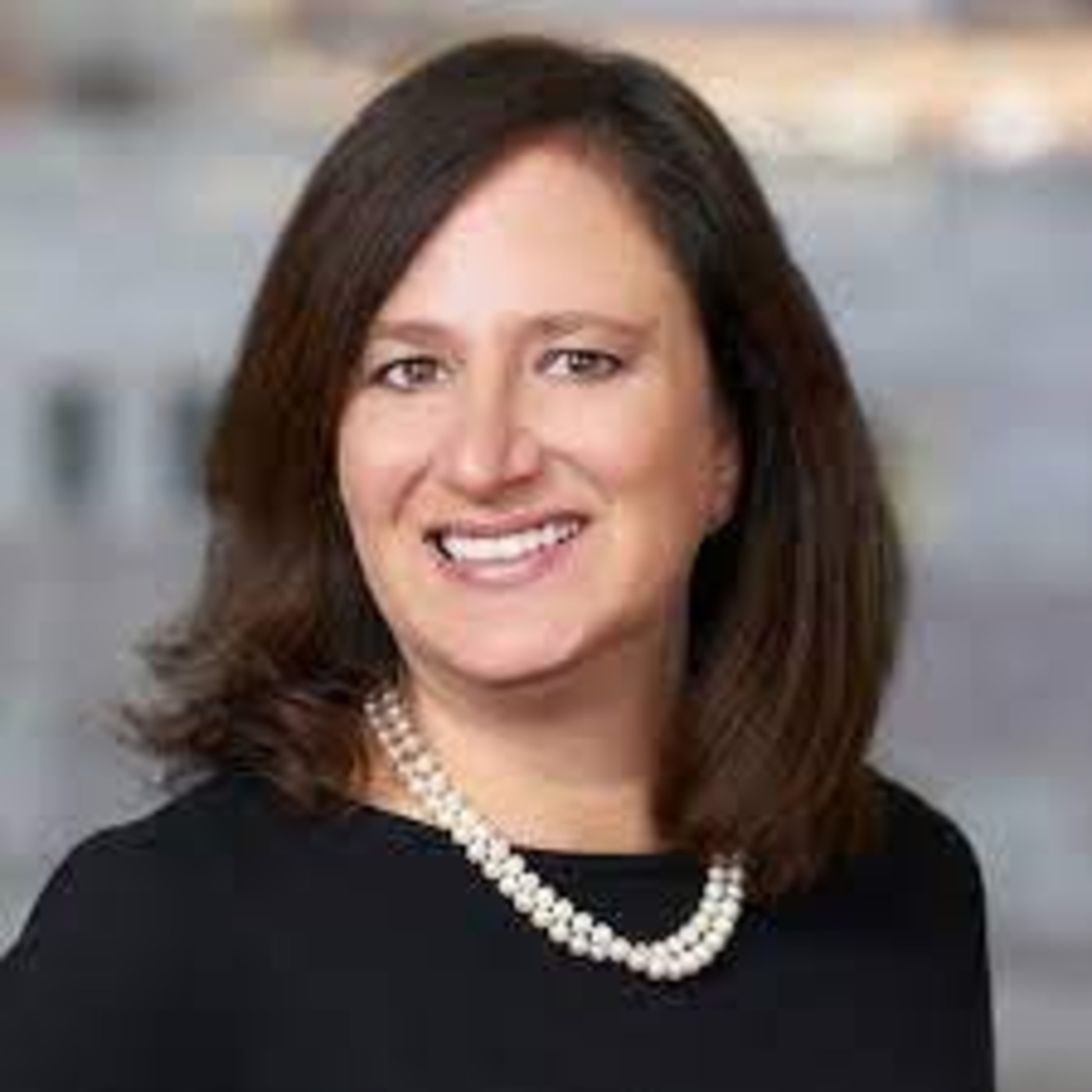
Aoifinn Devitt: This bonus series is kindly supported by Soundmark Partners. Soundmark Partners LLC is a women-owned and led private credit firm focused on commercial real estate. In this podcast, we hear from a wealth advisor who coaches us how to maximize our return on life and defines what that means to her and to us. We hear about the lessons of her father, how she could have anything she wanted but not everything, and how this taught her about trade-offs. And about how thinking about how to build a life worth living. I’m Aoifinn Devitt, and welcome to the 50 Faces podcast, a podcast committed to revealing the richness and diversity of the world of investment. By focusing on his people and their stories. I’m joined today by Shari Greco Reichus, who is founder of Rappaport Reichus Capital Management, a firm designed to help clients navigate their most crucial financial decisions. She has a particular focus on women in charge and is active in a number of affinity groups and holds a number of board roles, including previously ISBI, the Illinois State Board of Investments. She’s the author of the book Maximize Your Return on Life and a podcast host. Welcome, Sherry. Thanks for joining me today.
Shari Greco Reiches: Thanks for having me. We met a few months ago and I’m so glad we could finally do this. So thank you.
Aoifinn Devitt: Well, I knew I wanted to capture your story when I heard just a few nuggets of what you do. So delighted to be here now. Well, let’s start with your background and career journey. Some of that, of course, is in your book, which we’ll link to in the show notes. But where did you grow up? What did you study and how did you come to enter the world of financial planning?
Shari Greco Reiches: Yes, so I grew up in a north suburb in Highland Park. And my dad was a banker. He actually was the youngest banker to start a community bank in our community of Highwood, which is right next to Highland Park. So I used to go with him when I was 16. I would file checks and go to the bank with him. So I got a, a big financial background. But when it was time to go to college and I was picking a major, my dad said, get your CPA, be an accountant, cuz bankers need to learn how to look at bank statements, and you’ll never go wrong getting your accounting degree. So got my accounting degree. I worked at Arthur Andersen. Some of the young listeners may not quite know who they were, but they were one of the top accounting firms back in the day. I audited banks, went to our family bank business. We grew the bank from 2 to 5. Ultimately, we sold the bank in 1993. Long story short, I became a regional president. It went from First Colonial Bank, Star Bank to First Star Bank to US Bank. So 4 mergers in 3 years. My dad was president of Amherst. They did a reorganization. I became the head of private banking. And there is when I realized my love for investments and planning. I had always done a lot on the lending side, but I just felt— I love numbers, love people, love educating. So it all mirrored together. And after a few years, after all the mergers, I ended up going to a Wall Street firm on the investment side. And then 18 years ago with Dave Rapoport, we were both at a New York Wall Street firm. We left and started Rapoport Reichus Capital Management, an independent investment advisory firm. So that is my story.
Aoifinn Devitt: And I repeat again, this is all in your book, very well laid out there and really sort of charts that passion. Core investing and some of your own upbringing, I think, which is also key to probably the values you bring now to your clients’ work. And related to that, now looking at— this was your charter or your core values that you bring as a financial advisor. What are some of your core values, your core investment beliefs that you bring to this work?
Shari Greco Reiches: Well, first of all, as far as the investment beliefs, I believe in long term. I believe everyone should come up with an asset allocation, a plan. That’s probably your biggest decision. And you need to be long-term. We don’t believe in timing the market. If we found someone that did, then we’d probably all be doing it. But we believe that you stick with your plan, don’t time the market, and what’s really important is you diversify. So you have your plan, you diversify your plan. Now, we can’t control the markets, but what we can control are costs and taxes. And that’s something very important that you take into account on your investment strategy and probably a 180 from a lot lot a of people. We deal with the kind of $2 to $10 million, and we believe markets are efficient and that it’s very difficult to beat the market. So we have more of what’s called an passive approach. And I kind of look at it as instead of finding the needles in the haystack, we just own the haystacks. And I know there are firms that could beat the market. We just— that is our investment philosophy, and there’s always debate on that end.
Aoifinn Devitt: And you spoke when we met about your focus on women in charge, which I— spoke to me and I knew I had to follow up with you. Can you tell us how you define that category, how you started working with that client base as well?
Shari Greco Reiches: Yes. Women in charge are really defined as women that are in charge of their own finances. So for one reason or another, they’re usually single women. It could be divorced, it could be a widowed, but a big part of my practice is executive women. And there’s a lot of One of the things that I work with these women, because they need a partner in decision-making. Sometimes a couple that has a husband and wife, you know, they’ll talk about renovating a kitchen. They talk about it together. They talk about where they’re going to take the money, the budget. But women, if you’re on your own, it’s nice to have this partner in decision-making. And my biological dad died when I was very young. My mom remarried Dante Greco, who adopted me. I just saw the stress that she had. And a lot of women do not get involved in their finances. And so, I’ve been on almost a personal mission since I started in this business in my 20s to educate my friends, educate women, make sure they feel empowered. And a little secret here is my women clients are the best. They follow through, they’re disciplined, they go with the plan, they don’t try to time the market. And all you men out there, A lot of you are great too, but you give these women a task to get done, it gets done. And so they always say you should work with clients you enjoy working with, and I really enjoy working with these women in charge.
Aoifinn Devitt: I love it. And how would you say things are evolving now in terms of the landscape? And I think with the nature of financial advice, because I’ve heard from many financial advisors that their role is morphing into more of a kind of wraparound almost like a life coach, certainly focusing on the financial planning piece. And I’ve also heard some of your peers suggest that for women, that part is even more important. Some of that, not necessarily that they’re not interested in the investment side, but just that the surrounding pieces are very important.
Shari Greco Reiches: It really is. And again, I’ve been in this business so long, so in the beginning we had brokerage, you called your broker to buy stocks, then everyone went into these managed portfolios and it was like, wow, this is something new, this is exciting. And whether you’re an active manager, passive manager, we all do a good job. We do a great job most of the time on the investment side. But what our clients are really looking for is above and beyond that. And that’s why we came up, and I was kind of the architect for it, called Maximize Your Return on Life. Not just maximizing your investments, but maximizing everything. And we kind of came down to a 5-prong approach. The first is getting organized and A big part of our job as a financial advisor today is to get clients organized. Is their estate plan up to date? Is their investments coordinated with their taxes? Do they have the right insurance? Are they overinsured? Are they underinsured? Have they done liability planning? What if, what if a crisis happened in this family? How would they be able to go on? What about debt review, charitable giving strategies? All these things are part of the organization and what we do to help our clients maximize the return on life. But probably the second prong is my favorite prong, and that’s incorporating values. Because I’ll tell you later, my dad always said, you can have anything you want, not everything. Pick what’s most important. And money is just a tool. All of our clients have worked hard. They’ve accumulated the money, but they can’t spend it on everything. So we work a lot with our clients on their values. And I think that’s what you’re talking about, some of this holistic planning. Every advisor will model a plan, and we try to incorporate the values into the model. It’s really important that whatever plan you have, you have a good investment strategy, good allocation, which we do. And then finally, you can’t just put these plans on the shelf. Life changes. We have COVID, we have health scares, you have an unexpected baby, a family member needs help. So we have to plan for all that. And that’s where the values are really important. We also spend a lot of time with our clients, not just on the values and their money, but their values and their time, because that all fits in together. And I’ve had couples where I go through values exercises that they say, you know, I spent more time picking the color of my car than ever talking about values. And you find out one spouse is very stressed and working 60 hours a week, and the other spouse wants the bigger house. And they have to come to a realization. You know, maybe they compromise, maybe they don’t buy the bigger house and the other spouse reduces the hours. But it all comes down to the values. And I think, or I hope, every advisor will use that as part of their planning process.
Aoifinn Devitt: I love that. That almost seems like a kind of a breakthrough conversation around values there, which actually I think is probably not that unusual in marriages even, never to sit down and discuss values. And it’s kind of like one wonders, it seems like the most obvious thing once you mention it. But actually life gets in the way. I’m sure of those, many of those conversations. When you’ve had this multi-pronged approach, five-pronged approach with your clients, what has been the area which has been maybe most a surprise to them in terms of most, ah, I never thought of that, or, you know, this is the aha moment that I’ve been neglecting to think about.
Shari Greco Reiches: The first thing we always ask clients is, what’s your budget? How much do you spend? And this is potential clients. And we get this look. Like the stare look. And so we spend a lot of time working with clients on that, and it doesn’t have to be that complicated. It could be a back-of-the-envelope— it could be, what is your net paycheck? You know, you’re putting money away in your 401(k). At the end of the year, is more money going out than coming in? Or look at your bank accounts, look at your deposits and your debits. Is it higher or lower? Are you carrying a credit card balance? Is your debt going up? So I think that’s probably one of the biggest value adds, is really that peace of mind of knowing what they spend. And then I break it down to what does it cost to put the lights on? So what is your housing cost, your electric, your utilities, your cable, all that? Because sometimes people are house poor and they don’t, you know, at the end of the year, they’re always like, I’m short, I’m short. And it’s because they just have so much in their home and their value is traveling and they never travel because they have so much in their homes. So I think it’s a good idea to just get that baseline. And then the other category that I often keep separate too is what are you paying for your kids, especially your young— I know you have a lot of children, then soccer and all these things add up. But hopefully when you retire, if you’ve done a good job and you’ve educated your kids to be financially responsible and they’re launched, then it’s just you. So all those numbers are really, really important. So I think that’s the the biggest, biggest shock. And you then, know, a lot of people think, well, I’ll go see my advisor in my 60s. I’m going to retire in 5 years. Let’s get a plan done. And so many times they look at me and say, I wish I would have started this in my 40s or my 50s, because starting a 5-year plan is much harder than if you have a lot longer timeline. So I think those are the couple things that really surprise people.
Aoifinn Devitt: We’re going to take a quick break to hear from our sponsor of this series, Sandmark Partners. I sat down with Jenna Gerstenlauer to talk about their private credit strategy. I asked Jenna about what underlying collateral was exciting today. In terms of actual underlying collateral that we find the most exciting, we look at growth markets that are tied to innovation districts. So these are areas where there are public-private partnerships creating lasting employment opportunities. So think of partnerships between universities, teaching hospitals, businesses, and the government. A good example of this would be Kendall Square in Cambridge, Massachusetts, or the Seaport District in Boston. This is an example of strong universities like Harvard, MIT, BU, Tufts, and their world-class researchers partnered with the city and local business to develop districts with businesses, housing, recreational facilities, a concentration of highly skilled workers. This is known as an innovation district. And now back to the show. Now moving to your book and the response, I suppose, to the book and your podcast. Can you tell us a little bit of why you wrote the book and maybe how it spoke to people? It certainly spoke to me. As I said, I’ve already been citing it, but you know what resonated most?
Shari Greco Reiches: I started the book about 4 years ago. I went to a women and wealth conference, and they always have all these different sessions to go to, and one of them was on values. And I’m like, oh, I know my values. Why do I need to go to this session? And they wanted us to put our phones away, and we had to dress comfortably, and we did some meditation. And I went through this whole course. And all of a sudden, I had to pick 5 values and light bulbs went on. I was in the middle of running a campaign at my synagogue, spending a lot of time. Well, community is one of my values. Always wanting to visit my kids. Well, family was one of my values. So this whole epiphany and light bulb went on for me. And I’m thinking, if I thought I knew my values and I didn’t, then so many people didn’t. And then I started thinking of my time and my money. And I started a blog. So about 4 or 5 years ago, I started a blog called Maximize Your Return on Life. And the blog just took up, it was a lot of stories. I’ll give an example. I call it Boots and Bruce. You know, when I was 16, I made some money. I wanted to go to Bruce Springsteen. I wanted Fry Boots. I asked my dad, I thought if I asked him, he would say, I’ll pay for the Fry Boots, you go to Springsteen. ‘Cause I didn’t have enough money for both. But instead he said, you can have anything you want, not everything. Pick what’s most important. And I dedicated the book to him. And as I was going through these values, I’m like, I had this in my mind all the time. I grew up with it. So when I came back from the seminar and started the blog, we really started bringing this to our clients because we said there has to be a better way. It’s just not maximizing returns on investments, but it’s maximizing a return on life. Well, the blog took off, had a lot of subscribers. So during COVID I said, you know, I’m going to take a bunch of these blogs, put them together, add some exercises. And write the book. And the book came out about a year and a half ago, and somehow it must have hit a nerve. Maybe it was during COVID but a big theme in the book is values change over time. And I think during COVID a lot of people’s values had changed. And there’s a lot of insights on financial planning in the book, but it’s all done through stories. So, you know, I’ve had people that have bought the book for their young adults or for a graduation present or for a wedding present because there’s a lot of takeaways that will help them financially, but more it’s about the values and the time and the money. So I sent the book to all my clients, and I had an 80-plus, 85-year-old client called me almost in tears, and he said, you know, I was a workaholic. I didn’t look at my values. I didn’t spend time with my family. We ended up getting divorced. I wish I would have read your book 40 years ago. I’ve bought it for all my children. I’m going to give it to my grandchildren too. But I never thought about it. And I’ve just received so many comments like that where people— I had a woman that her daughter had a baby and she’d always sleep on the couch and she had a bad back. And she says, you know, my value is health for myself and family. I can afford a hotel. She gets a hotel 2 blocks away. Every time she goes there, she texts me and says, I maximize my return on life. Thank you. And so it’s little things like that. That have a huge impact. And I’m just so happy when people send me emails and texts and things about how this book impacted them.
Aoifinn Devitt: And your podcast, is that building on those themes and those values?
Shari Greco Reiches: It is because I, you know, a lot of people like to read, a lot of people like to listen. So I started the podcast. It’s only been about a year and it’s called Maximize Your Return on Life. Real people with real stories. Who use values to make life’s decisions. And I’ve got someone who left the corporate world who used values to go to a nonprofit. I have a couple ladies that needed a soup kitchen in our community, and they talked about how they started the soup kitchen. I have an executive coach who works with clients on their values and how they make life’s decisions. I had one, you know, Harvard-educated lawyer who had a biking accident and couldn’t work, but he has really gotten involved in the community. So there are, you know, just real people, real stories about their life. And I, again, get a lot of feedback on that too, because it’s not your technical ratios and stock picking message. It’s more— and I always weave a few financial concepts in because I can’t help myself, but it’s really fun. The podcast has been a lot of fun as well.
Aoifinn Devitt: I love it. We will have to come back for a special talk just on values because I’m intrigued by, you know, whether we’re born with them, how we get them. How they develop during life and how you much, know, our values will change during our lives as well. Sometimes just as, as we maybe get more financially stable and equally then the whole psychology of money discussion that Morgan Housel’s book threw up where we started reflecting on the thoughts and biases perhaps, and just beliefs that we attach to money. You must see a wide variety of that in your client base as well.
Shari Greco Reiches: I do. And you know, it’s usually the clients that have the excess money that have the hardest time spending it. And I really try to dig deep with these clients. And the first chapter of my book is called Early Memories of Money, and often how your parents handled money. Were you a child of a Depression era? Did a parent lose a job? Did your mom always take you to the sale rack every time you went shopping? These are ingrained in our mind and they really kind of affect, and I think once you can acknowledge these behaviors. It’s one step closer to having a little more peace of mind with money. The other thing I try to do is I take the values and I say, whenever you have a big purchase, does it fit within your budget? And does it fit within your values? And even if it’s not the best deal, you know, you want to take the family to Hawaii. Yes, you could have gotten it cheaper if you would have planned it a year ago, but it still fits in your budget and it’s still within your values. Go for it. Don’t second guess. Enjoy every minute of it. Take pictures, do memories. And so that really takes a lot of, I think, the stress out of it. And especially with couples, sometimes I say, you know, come up with a dollar amount where you each don’t have to go to each other. And that way you have a little more empowerment with that. And then the clients that spend too much, those are more of a challenge. But I, you know, I have to go through and say, these are your biggest line items. Are they your values? You know, you’ve got a fancy car, you got fancy clothes, you got fancy shoes, you got a big house. Those all can’t be your values because you’re borrowing money from your home equity. We gotta fix this. And then we spend time working on that.
Aoifinn Devitt: So, and I suppose because talking about money is such a delicate topic for some and taboo in others, even within families, is it kind of like exposure therapy? Like the more you talk about it, the more comfortable you become speaking about it?
Shari Greco Reiches: Yeah, I find once I started bringing the values in, I got both spouses involved because there’s usually a spouse that’s very comfortable with money, that understands it, takes control. And I believe that if there’s two spouses, it’s really important. And for my women in charge, I just see them get like, you know, you hate to say it, but sometimes seeing your financial advisor, people get— they said it’s like a rookadile, you know, They know they have to do it, but they’re worried about money. They get stressed. But once we start looking at their money in terms of values, the stress goes away and they feel really good. And the discussions get so much deeper because when I do a financial plan, I don’t just say, oh, you spend this, you have this amount of money, you’re going to pay for a car and a wedding. I talk about if we had a blank slate, what’s on your bucket list? What would you like to do if your doctor said you had 10 years to live, but they’d be fabulous years? What do you want to do? And let’s make it happen. You know, I had one couple that wanted to take a 2-month vacation around the world and we made it happen. Well, they made it happen, but from the financial side, we made it happen. But they talked to their works and set it up and had contingencies for their family. But, you know, there’s no dream that’s too big. And let’s try to figure out what you want to do and use the values to make it happen.
Aoifinn Devitt: I love that. And that getting back to a value both of us share, which is clearly empowering many women around money and around decision-making and independence there. Love to have your thoughts on the diversity in the industry, the number of female advisors, how well women are served by the wealth management industry broadly right now, and maybe what’s changing for the better.
Shari Greco Reiches: I think things are changing for the better, but not as quickly as I’d like to see. I’ve been in this industry for a very long time. When I was at the Wall Street firm, I was one of the only women vice presidents at the time. I mean, you have a very high position. I’m a founder of the firm. We’re kind of unique. You know, if you really pull up a lot of the big management firms, you’ll see a lot of white males and you might see a woman in marketing, but you don’t see all of these roles. And so our firm is kind of flipped around. We’re about two-thirds of our advisors are women. And it’s not because we look to hire women. Every time we went to interview, they were the best candidates. But I see how empathetic they are to the clients. I see how they serve them. And my women in charge, often they want to work with women because there’s all the soft issues that we talk about. And so I do think the women are getting served, but I, I still think that a lot of women investors are still a little gun-shy and not confident. And I am writing another book that should be out in about a year called Good Friends, Good Investors. Why the same skills that women build friendships make them good investors. And if you think of the skills we have already, we have diverse group of friends. We understand diversification. We look for deals. We understand what the fees of investment products cost. We’re long-term and committed to our friends. We’re long-term investors. So, like I said, I love working with my women in charge because they get stuff done. They listen, they follow the plan, they don’t try to second-guess, and they end up being great clients and they end up having great financial success.
Aoifinn Devitt: So interesting. I’ve heard there’s now, you can actually study friendship as a major in some universities, the science of friendship, building on the science of happiness, which of course has been discussed a lot recently. It seems like it’s the oldest science in the world given our community spirit going back to the beginning of time. But it is fascinating that I’d love to hear your conclusions around what makes women build bonds and how that can lend itself into investing. It sounds like a great opening for research.
Shari Greco Reiches: Yeah.
Aoifinn Devitt: So getting back to your personal story now. So in your book, you, it’s interlaced with many of the key people starting with your biological father and moving then into your, your dad today who had influenced you in your career and life. Can you speak about the, is any key people in particular and what they left you with?
Shari Greco Reiches: Yes. So my biological father was a CPA, so he passed away when I was 8, but I still remember going to the office with him on the weekends and I loved adding machines. So I knew I was gonna love numbers back then. And then he unfortunately passed away and my mom got remarried to Dante Greco, who adopted me and pretty much raised me. We worked together, but I’ll never forget when I was 16 or maybe 15, he was opening a new bank and we went door to door and it was a time that you’d go to the community to buy stock in the community bank. And a lot of doors would close. A lot of people would say, no, thank you. I agree with what you’re doing, but we can’t afford it or we don’t want to invest right now. And I’d be like, aren’t you so upset? We’ve had like 4 nos in a row. And my dad would say, well, if you have a certain amount of nos, you’re gonna get a yes. So you need the nos before you get a yes. So he’s taught me to never be afraid of the nos. So listeners out there, you need nos to get a yes. Don’t be afraid of the nos. And then, you know, I worked in the bank through high school and I think I, I took, just told you the story by called Boots of Bruce about anything you want, not everything. But one of the things he really, taught me that I’ve really tried to spread the word, and I say it on my podcast, is he always stressed to live within your means. And if you live within your means, you’ll have so many good things in the future. You’ll have flexibility if you need to make a career move. You’ll have savings for an emergency. You’ll have savings for your retirement. You won’t have your debt go up from 3% to 7% on a variable rate because interest rates are rising. So, you know, he always taught me living within your means. And so he was not just a father mentor, but he was also a boss mentor because he ran the banks. And I worked for him for many, many years. We used to call it the one-two punch because we’d go out to lending and there’d be the father and the son, and then me and my dad would go out and we’d be able to talk with both generations. So a lot of very, very fond memories. When we sold the bank, I had another mentor, Londa Dewey. She was a woman who I really looked up to and still am with. With friends and still look up to her, but she was the head of all of private banking for the country. And I was the president of private banking for Illinois. And I’ll never forget, I had my second child and I came back to work and there was a bunch of flowers and it said, you get ’em, girl. And I’ve tried to do that whenever my staff has children. I always send flowers when they come back to work after maternity leave. But she was just so inspirational and I still talk to her now and then, but I just love the way she ran business. And the other thing that she taught me was there’s no such thing as balance. Sometimes your family needs you more. Sometimes your work needs you more. But if you try to be equally balanced at all times, you’re gonna fail. So give yourself a break out there. Some of the listeners don’t feel that you have to be balanced all the time. It’ll never happen.
Aoifinn Devitt: And you seem to be a very positive person. I think the whole tenor of your book, your podcast, your, your philosophy, your values. I’m sure there have been setbacks in there, not just on the personal front, but also professionally. And have there been any particular setbacks or lessons learned that you have learned from and, and can share with us here?
Shari Greco Reiches: I wouldn’t call ’em setbacks, but starting a firm from scratch is a huge learning curve and it took us a while to get the right model. But one advice I have a lot for our younger advisors and advisors I’m mentoring is to have a target client or a niche. And that’s why I love my women in charge, because I understand what they’re going through. They understand me. Usually if one is going through something, another one is as well. And it used to be that if, you know, if you could breathe on a mirror and you had X amount of money, I’d take you as a client. Now, if that comes in, there might be someone better at my firm that would work better with that client. And so with this whole values and my book and the podcast, it doesn’t speak to everyone. But if it speaks to you, we’re going to have a great relationship because this is how we’re going to build. This is how we’re going to build your financial future through these values. And so I want to work with clients that get me, that get the concept, that are excited about it because we’ll have greater success that way. So taking everyone in the beginning, I think you have to, but you could be a little more selective. Down the career. And one thing I’ve also learned is to not take things so personally. You know, you are going to get people that for one reason or another don’t hire you. It’s, it’s not you. Maybe they want someone that can pick stocks, or they want a brokerage relationship, or the fees— they think they can do it on their own. There’s a lot of reasons. I mean, fortunately, most of the time when I get a qualified prospect, they do decide to hire a firm, but I used to take it so personally and I, I don’t anymore because everyone has their reasons and, and you just never know. And sometimes they come back 3 years later. They thought they could do it on their own and they can’t. So just be true to yourself, be authentic, do what you feel is right, and there’ll always be another prospect and don’t worry about it.
Aoifinn Devitt: That’s interesting. I, I was thinking of your dad’s quote at the beginning of the book, having anything you want, but not everything you want. I think it’s almost like every one, you can’t have every one you want either in terms of clients.
Shari Greco Reiches: Right, right, right. Exactly. I never thought of it that way, but it’s true.
Aoifinn Devitt: Although whether you can have anyone, that, that might not be true. Well, thank you so much, Sherry. You have laced this conversation with so many words of wisdom. We have clearly seen your values. We’ve clearly seen the creeds, the mottos you live by. These are all the questions I normally ask at the end, but I feel this whole podcast has been a reflection of your creed. In life and how you share that with your clients and with the industry. And thank you for that and for the role you’re playing, for putting women in charge and ensuring that they stay there. Thank you for coming and sharing your insights with us.
Shari Greco Reiches: Well, thank you, and, uh, I look forward to seeing you soon.
Aoifinn Devitt: I’m Aoifinn Devitt. Thank you for listening to the 50 Faces Podcast. If you liked what you heard and would like to tune in to hear more inspiring investors on their personal journeys, please subscribe on Apple Podcasts or wherever you get your podcasts. This podcast is for informational purposes only and should not be construed as investment advice, and all views are personal and should not be attributed to the organizations and affiliations of the host or any guest.
Aoifinn Devitt: This bonus series is kindly supported by Soundmark Partners. Soundmark Partners LLC is a women-owned and led private credit firm focused on commercial real estate. In this podcast, we hear from a wealth advisor who coaches us how to maximize our return on life and defines what that means to her and to us. We hear about the lessons of her father, how she could have anything she wanted but not everything, and how this taught her about trade-offs. And about how thinking about how to build a life worth living. I’m Aoifinn Devitt, and welcome to the 50 Faces podcast, a podcast committed to revealing the richness and diversity of the world of investment. By focusing on his people and their stories. I’m joined today by Shari Greco Reichus, who is founder of Rappaport Reichus Capital Management, a firm designed to help clients navigate their most crucial financial decisions. She has a particular focus on women in charge and is active in a number of affinity groups and holds a number of board roles, including previously ISBI, the Illinois State Board of Investments. She’s the author of the book Maximize Your Return on Life and a podcast host. Welcome, Sherry. Thanks for joining me today.
Shari Greco Reiches: Thanks for having me. We met a few months ago and I’m so glad we could finally do this. So thank you.
Aoifinn Devitt: Well, I knew I wanted to capture your story when I heard just a few nuggets of what you do. So delighted to be here now. Well, let’s start with your background and career journey. Some of that, of course, is in your book, which we’ll link to in the show notes. But where did you grow up? What did you study and how did you come to enter the world of financial planning?
Shari Greco Reiches: Yes, so I grew up in a north suburb in Highland Park. And my dad was a banker. He actually was the youngest banker to start a community bank in our community of Highwood, which is right next to Highland Park. So I used to go with him when I was 16. I would file checks and go to the bank with him. So I got a, a big financial background. But when it was time to go to college and I was picking a major, my dad said, get your CPA, be an accountant, cuz bankers need to learn how to look at bank statements, and you’ll never go wrong getting your accounting degree. So got my accounting degree. I worked at Arthur Andersen. Some of the young listeners may not quite know who they were, but they were one of the top accounting firms back in the day. I audited banks, went to our family bank business. We grew the bank from 2 to 5. Ultimately, we sold the bank in 1993. Long story short, I became a regional president. It went from First Colonial Bank, Star Bank to First Star Bank to US Bank. So 4 mergers in 3 years. My dad was president of Amherst. They did a reorganization. I became the head of private banking. And there is when I realized my love for investments and planning. I had always done a lot on the lending side, but I just felt— I love numbers, love people, love educating. So it all mirrored together. And after a few years, after all the mergers, I ended up going to a Wall Street firm on the investment side. And then 18 years ago with Dave Rapoport, we were both at a New York Wall Street firm. We left and started Rapoport Reichus Capital Management, an independent investment advisory firm. So that is my story.
Aoifinn Devitt: And I repeat again, this is all in your book, very well laid out there and really sort of charts that passion. Core investing and some of your own upbringing, I think, which is also key to probably the values you bring now to your clients’ work. And related to that, now looking at— this was your charter or your core values that you bring as a financial advisor. What are some of your core values, your core investment beliefs that you bring to this work?
Shari Greco Reiches: Well, first of all, as far as the investment beliefs, I believe in long term. I believe everyone should come up with an asset allocation, a plan. That’s probably your biggest decision. And you need to be long-term. We don’t believe in timing the market. If we found someone that did, then we’d probably all be doing it. But we believe that you stick with your plan, don’t time the market, and what’s really important is you diversify. So you have your plan, you diversify your plan. Now, we can’t control the markets, but what we can control are costs and taxes. And that’s something very important that you take into account on your investment strategy and probably a 180 from a lot lot a of people. We deal with the kind of $2 to $10 million, and we believe markets are efficient and that it’s very difficult to beat the market. So we have more of what’s called an passive approach. And I kind of look at it as instead of finding the needles in the haystack, we just own the haystacks. And I know there are firms that could beat the market. We just— that is our investment philosophy, and there’s always debate on that end.
Aoifinn Devitt: And you spoke when we met about your focus on women in charge, which I— spoke to me and I knew I had to follow up with you. Can you tell us how you define that category, how you started working with that client base as well?
Shari Greco Reiches: Yes. Women in charge are really defined as women that are in charge of their own finances. So for one reason or another, they’re usually single women. It could be divorced, it could be a widowed, but a big part of my practice is executive women. And there’s a lot of One of the things that I work with these women, because they need a partner in decision-making. Sometimes a couple that has a husband and wife, you know, they’ll talk about renovating a kitchen. They talk about it together. They talk about where they’re going to take the money, the budget. But women, if you’re on your own, it’s nice to have this partner in decision-making. And my biological dad died when I was very young. My mom remarried Dante Greco, who adopted me. I just saw the stress that she had. And a lot of women do not get involved in their finances. And so, I’ve been on almost a personal mission since I started in this business in my 20s to educate my friends, educate women, make sure they feel empowered. And a little secret here is my women clients are the best. They follow through, they’re disciplined, they go with the plan, they don’t try to time the market. And all you men out there, A lot of you are great too, but you give these women a task to get done, it gets done. And so they always say you should work with clients you enjoy working with, and I really enjoy working with these women in charge.
Aoifinn Devitt: I love it. And how would you say things are evolving now in terms of the landscape? And I think with the nature of financial advice, because I’ve heard from many financial advisors that their role is morphing into more of a kind of wraparound almost like a life coach, certainly focusing on the financial planning piece. And I’ve also heard some of your peers suggest that for women, that part is even more important. Some of that, not necessarily that they’re not interested in the investment side, but just that the surrounding pieces are very important.
Shari Greco Reiches: It really is. And again, I’ve been in this business so long, so in the beginning we had brokerage, you called your broker to buy stocks, then everyone went into these managed portfolios and it was like, wow, this is something new, this is exciting. And whether you’re an active manager, passive manager, we all do a good job. We do a great job most of the time on the investment side. But what our clients are really looking for is above and beyond that. And that’s why we came up, and I was kind of the architect for it, called Maximize Your Return on Life. Not just maximizing your investments, but maximizing everything. And we kind of came down to a 5-prong approach. The first is getting organized and A big part of our job as a financial advisor today is to get clients organized. Is their estate plan up to date? Is their investments coordinated with their taxes? Do they have the right insurance? Are they overinsured? Are they underinsured? Have they done liability planning? What if, what if a crisis happened in this family? How would they be able to go on? What about debt review, charitable giving strategies? All these things are part of the organization and what we do to help our clients maximize the return on life. But probably the second prong is my favorite prong, and that’s incorporating values. Because I’ll tell you later, my dad always said, you can have anything you want, not everything. Pick what’s most important. And money is just a tool. All of our clients have worked hard. They’ve accumulated the money, but they can’t spend it on everything. So we work a lot with our clients on their values. And I think that’s what you’re talking about, some of this holistic planning. Every advisor will model a plan, and we try to incorporate the values into the model. It’s really important that whatever plan you have, you have a good investment strategy, good allocation, which we do. And then finally, you can’t just put these plans on the shelf. Life changes. We have COVID, we have health scares, you have an unexpected baby, a family member needs help. So we have to plan for all that. And that’s where the values are really important. We also spend a lot of time with our clients, not just on the values and their money, but their values and their time, because that all fits in together. And I’ve had couples where I go through values exercises that they say, you know, I spent more time picking the color of my car than ever talking about values. And you find out one spouse is very stressed and working 60 hours a week, and the other spouse wants the bigger house. And they have to come to a realization. You know, maybe they compromise, maybe they don’t buy the bigger house and the other spouse reduces the hours. But it all comes down to the values. And I think, or I hope, every advisor will use that as part of their planning process.
Aoifinn Devitt: I love that. That almost seems like a kind of a breakthrough conversation around values there, which actually I think is probably not that unusual in marriages even, never to sit down and discuss values. And it’s kind of like one wonders, it seems like the most obvious thing once you mention it. But actually life gets in the way. I’m sure of those, many of those conversations. When you’ve had this multi-pronged approach, five-pronged approach with your clients, what has been the area which has been maybe most a surprise to them in terms of most, ah, I never thought of that, or, you know, this is the aha moment that I’ve been neglecting to think about.
Shari Greco Reiches: The first thing we always ask clients is, what’s your budget? How much do you spend? And this is potential clients. And we get this look. Like the stare look. And so we spend a lot of time working with clients on that, and it doesn’t have to be that complicated. It could be a back-of-the-envelope— it could be, what is your net paycheck? You know, you’re putting money away in your 401(k). At the end of the year, is more money going out than coming in? Or look at your bank accounts, look at your deposits and your debits. Is it higher or lower? Are you carrying a credit card balance? Is your debt going up? So I think that’s probably one of the biggest value adds, is really that peace of mind of knowing what they spend. And then I break it down to what does it cost to put the lights on? So what is your housing cost, your electric, your utilities, your cable, all that? Because sometimes people are house poor and they don’t, you know, at the end of the year, they’re always like, I’m short, I’m short. And it’s because they just have so much in their home and their value is traveling and they never travel because they have so much in their homes. So I think it’s a good idea to just get that baseline. And then the other category that I often keep separate too is what are you paying for your kids, especially your young— I know you have a lot of children, then soccer and all these things add up. But hopefully when you retire, if you’ve done a good job and you’ve educated your kids to be financially responsible and they’re launched, then it’s just you. So all those numbers are really, really important. So I think that’s the the biggest, biggest shock. And you then, know, a lot of people think, well, I’ll go see my advisor in my 60s. I’m going to retire in 5 years. Let’s get a plan done. And so many times they look at me and say, I wish I would have started this in my 40s or my 50s, because starting a 5-year plan is much harder than if you have a lot longer timeline. So I think those are the couple things that really surprise people.
Aoifinn Devitt: We’re going to take a quick break to hear from our sponsor of this series, Sandmark Partners. I sat down with Jenna Gerstenlauer to talk about their private credit strategy. I asked Jenna about what underlying collateral was exciting today. In terms of actual underlying collateral that we find the most exciting, we look at growth markets that are tied to innovation districts. So these are areas where there are public-private partnerships creating lasting employment opportunities. So think of partnerships between universities, teaching hospitals, businesses, and the government. A good example of this would be Kendall Square in Cambridge, Massachusetts, or the Seaport District in Boston. This is an example of strong universities like Harvard, MIT, BU, Tufts, and their world-class researchers partnered with the city and local business to develop districts with businesses, housing, recreational facilities, a concentration of highly skilled workers. This is known as an innovation district. And now back to the show. Now moving to your book and the response, I suppose, to the book and your podcast. Can you tell us a little bit of why you wrote the book and maybe how it spoke to people? It certainly spoke to me. As I said, I’ve already been citing it, but you know what resonated most?
Shari Greco Reiches: I started the book about 4 years ago. I went to a women and wealth conference, and they always have all these different sessions to go to, and one of them was on values. And I’m like, oh, I know my values. Why do I need to go to this session? And they wanted us to put our phones away, and we had to dress comfortably, and we did some meditation. And I went through this whole course. And all of a sudden, I had to pick 5 values and light bulbs went on. I was in the middle of running a campaign at my synagogue, spending a lot of time. Well, community is one of my values. Always wanting to visit my kids. Well, family was one of my values. So this whole epiphany and light bulb went on for me. And I’m thinking, if I thought I knew my values and I didn’t, then so many people didn’t. And then I started thinking of my time and my money. And I started a blog. So about 4 or 5 years ago, I started a blog called Maximize Your Return on Life. And the blog just took up, it was a lot of stories. I’ll give an example. I call it Boots and Bruce. You know, when I was 16, I made some money. I wanted to go to Bruce Springsteen. I wanted Fry Boots. I asked my dad, I thought if I asked him, he would say, I’ll pay for the Fry Boots, you go to Springsteen. ‘Cause I didn’t have enough money for both. But instead he said, you can have anything you want, not everything. Pick what’s most important. And I dedicated the book to him. And as I was going through these values, I’m like, I had this in my mind all the time. I grew up with it. So when I came back from the seminar and started the blog, we really started bringing this to our clients because we said there has to be a better way. It’s just not maximizing returns on investments, but it’s maximizing a return on life. Well, the blog took off, had a lot of subscribers. So during COVID I said, you know, I’m going to take a bunch of these blogs, put them together, add some exercises. And write the book. And the book came out about a year and a half ago, and somehow it must have hit a nerve. Maybe it was during COVID but a big theme in the book is values change over time. And I think during COVID a lot of people’s values had changed. And there’s a lot of insights on financial planning in the book, but it’s all done through stories. So, you know, I’ve had people that have bought the book for their young adults or for a graduation present or for a wedding present because there’s a lot of takeaways that will help them financially, but more it’s about the values and the time and the money. So I sent the book to all my clients, and I had an 80-plus, 85-year-old client called me almost in tears, and he said, you know, I was a workaholic. I didn’t look at my values. I didn’t spend time with my family. We ended up getting divorced. I wish I would have read your book 40 years ago. I’ve bought it for all my children. I’m going to give it to my grandchildren too. But I never thought about it. And I’ve just received so many comments like that where people— I had a woman that her daughter had a baby and she’d always sleep on the couch and she had a bad back. And she says, you know, my value is health for myself and family. I can afford a hotel. She gets a hotel 2 blocks away. Every time she goes there, she texts me and says, I maximize my return on life. Thank you. And so it’s little things like that. That have a huge impact. And I’m just so happy when people send me emails and texts and things about how this book impacted them.
Aoifinn Devitt: And your podcast, is that building on those themes and those values?
Shari Greco Reiches: It is because I, you know, a lot of people like to read, a lot of people like to listen. So I started the podcast. It’s only been about a year and it’s called Maximize Your Return on Life. Real people with real stories. Who use values to make life’s decisions. And I’ve got someone who left the corporate world who used values to go to a nonprofit. I have a couple ladies that needed a soup kitchen in our community, and they talked about how they started the soup kitchen. I have an executive coach who works with clients on their values and how they make life’s decisions. I had one, you know, Harvard-educated lawyer who had a biking accident and couldn’t work, but he has really gotten involved in the community. So there are, you know, just real people, real stories about their life. And I, again, get a lot of feedback on that too, because it’s not your technical ratios and stock picking message. It’s more— and I always weave a few financial concepts in because I can’t help myself, but it’s really fun. The podcast has been a lot of fun as well.
Aoifinn Devitt: I love it. We will have to come back for a special talk just on values because I’m intrigued by, you know, whether we’re born with them, how we get them. How they develop during life and how you much, know, our values will change during our lives as well. Sometimes just as, as we maybe get more financially stable and equally then the whole psychology of money discussion that Morgan Housel’s book threw up where we started reflecting on the thoughts and biases perhaps, and just beliefs that we attach to money. You must see a wide variety of that in your client base as well.
Shari Greco Reiches: I do. And you know, it’s usually the clients that have the excess money that have the hardest time spending it. And I really try to dig deep with these clients. And the first chapter of my book is called Early Memories of Money, and often how your parents handled money. Were you a child of a Depression era? Did a parent lose a job? Did your mom always take you to the sale rack every time you went shopping? These are ingrained in our mind and they really kind of affect, and I think once you can acknowledge these behaviors. It’s one step closer to having a little more peace of mind with money. The other thing I try to do is I take the values and I say, whenever you have a big purchase, does it fit within your budget? And does it fit within your values? And even if it’s not the best deal, you know, you want to take the family to Hawaii. Yes, you could have gotten it cheaper if you would have planned it a year ago, but it still fits in your budget and it’s still within your values. Go for it. Don’t second guess. Enjoy every minute of it. Take pictures, do memories. And so that really takes a lot of, I think, the stress out of it. And especially with couples, sometimes I say, you know, come up with a dollar amount where you each don’t have to go to each other. And that way you have a little more empowerment with that. And then the clients that spend too much, those are more of a challenge. But I, you know, I have to go through and say, these are your biggest line items. Are they your values? You know, you’ve got a fancy car, you got fancy clothes, you got fancy shoes, you got a big house. Those all can’t be your values because you’re borrowing money from your home equity. We gotta fix this. And then we spend time working on that.
Aoifinn Devitt: So, and I suppose because talking about money is such a delicate topic for some and taboo in others, even within families, is it kind of like exposure therapy? Like the more you talk about it, the more comfortable you become speaking about it?
Shari Greco Reiches: Yeah, I find once I started bringing the values in, I got both spouses involved because there’s usually a spouse that’s very comfortable with money, that understands it, takes control. And I believe that if there’s two spouses, it’s really important. And for my women in charge, I just see them get like, you know, you hate to say it, but sometimes seeing your financial advisor, people get— they said it’s like a rookadile, you know, They know they have to do it, but they’re worried about money. They get stressed. But once we start looking at their money in terms of values, the stress goes away and they feel really good. And the discussions get so much deeper because when I do a financial plan, I don’t just say, oh, you spend this, you have this amount of money, you’re going to pay for a car and a wedding. I talk about if we had a blank slate, what’s on your bucket list? What would you like to do if your doctor said you had 10 years to live, but they’d be fabulous years? What do you want to do? And let’s make it happen. You know, I had one couple that wanted to take a 2-month vacation around the world and we made it happen. Well, they made it happen, but from the financial side, we made it happen. But they talked to their works and set it up and had contingencies for their family. But, you know, there’s no dream that’s too big. And let’s try to figure out what you want to do and use the values to make it happen.
Aoifinn Devitt: I love that. And that getting back to a value both of us share, which is clearly empowering many women around money and around decision-making and independence there. Love to have your thoughts on the diversity in the industry, the number of female advisors, how well women are served by the wealth management industry broadly right now, and maybe what’s changing for the better.
Shari Greco Reiches: I think things are changing for the better, but not as quickly as I’d like to see. I’ve been in this industry for a very long time. When I was at the Wall Street firm, I was one of the only women vice presidents at the time. I mean, you have a very high position. I’m a founder of the firm. We’re kind of unique. You know, if you really pull up a lot of the big management firms, you’ll see a lot of white males and you might see a woman in marketing, but you don’t see all of these roles. And so our firm is kind of flipped around. We’re about two-thirds of our advisors are women. And it’s not because we look to hire women. Every time we went to interview, they were the best candidates. But I see how empathetic they are to the clients. I see how they serve them. And my women in charge, often they want to work with women because there’s all the soft issues that we talk about. And so I do think the women are getting served, but I, I still think that a lot of women investors are still a little gun-shy and not confident. And I am writing another book that should be out in about a year called Good Friends, Good Investors. Why the same skills that women build friendships make them good investors. And if you think of the skills we have already, we have diverse group of friends. We understand diversification. We look for deals. We understand what the fees of investment products cost. We’re long-term and committed to our friends. We’re long-term investors. So, like I said, I love working with my women in charge because they get stuff done. They listen, they follow the plan, they don’t try to second-guess, and they end up being great clients and they end up having great financial success.
Aoifinn Devitt: So interesting. I’ve heard there’s now, you can actually study friendship as a major in some universities, the science of friendship, building on the science of happiness, which of course has been discussed a lot recently. It seems like it’s the oldest science in the world given our community spirit going back to the beginning of time. But it is fascinating that I’d love to hear your conclusions around what makes women build bonds and how that can lend itself into investing. It sounds like a great opening for research.
Shari Greco Reiches: Yeah.
Aoifinn Devitt: So getting back to your personal story now. So in your book, you, it’s interlaced with many of the key people starting with your biological father and moving then into your, your dad today who had influenced you in your career and life. Can you speak about the, is any key people in particular and what they left you with?
Shari Greco Reiches: Yes. So my biological father was a CPA, so he passed away when I was 8, but I still remember going to the office with him on the weekends and I loved adding machines. So I knew I was gonna love numbers back then. And then he unfortunately passed away and my mom got remarried to Dante Greco, who adopted me and pretty much raised me. We worked together, but I’ll never forget when I was 16 or maybe 15, he was opening a new bank and we went door to door and it was a time that you’d go to the community to buy stock in the community bank. And a lot of doors would close. A lot of people would say, no, thank you. I agree with what you’re doing, but we can’t afford it or we don’t want to invest right now. And I’d be like, aren’t you so upset? We’ve had like 4 nos in a row. And my dad would say, well, if you have a certain amount of nos, you’re gonna get a yes. So you need the nos before you get a yes. So he’s taught me to never be afraid of the nos. So listeners out there, you need nos to get a yes. Don’t be afraid of the nos. And then, you know, I worked in the bank through high school and I think I, I took, just told you the story by called Boots of Bruce about anything you want, not everything. But one of the things he really, taught me that I’ve really tried to spread the word, and I say it on my podcast, is he always stressed to live within your means. And if you live within your means, you’ll have so many good things in the future. You’ll have flexibility if you need to make a career move. You’ll have savings for an emergency. You’ll have savings for your retirement. You won’t have your debt go up from 3% to 7% on a variable rate because interest rates are rising. So, you know, he always taught me living within your means. And so he was not just a father mentor, but he was also a boss mentor because he ran the banks. And I worked for him for many, many years. We used to call it the one-two punch because we’d go out to lending and there’d be the father and the son, and then me and my dad would go out and we’d be able to talk with both generations. So a lot of very, very fond memories. When we sold the bank, I had another mentor, Londa Dewey. She was a woman who I really looked up to and still am with. With friends and still look up to her, but she was the head of all of private banking for the country. And I was the president of private banking for Illinois. And I’ll never forget, I had my second child and I came back to work and there was a bunch of flowers and it said, you get ’em, girl. And I’ve tried to do that whenever my staff has children. I always send flowers when they come back to work after maternity leave. But she was just so inspirational and I still talk to her now and then, but I just love the way she ran business. And the other thing that she taught me was there’s no such thing as balance. Sometimes your family needs you more. Sometimes your work needs you more. But if you try to be equally balanced at all times, you’re gonna fail. So give yourself a break out there. Some of the listeners don’t feel that you have to be balanced all the time. It’ll never happen.
Aoifinn Devitt: And you seem to be a very positive person. I think the whole tenor of your book, your podcast, your, your philosophy, your values. I’m sure there have been setbacks in there, not just on the personal front, but also professionally. And have there been any particular setbacks or lessons learned that you have learned from and, and can share with us here?
Shari Greco Reiches: I wouldn’t call ’em setbacks, but starting a firm from scratch is a huge learning curve and it took us a while to get the right model. But one advice I have a lot for our younger advisors and advisors I’m mentoring is to have a target client or a niche. And that’s why I love my women in charge, because I understand what they’re going through. They understand me. Usually if one is going through something, another one is as well. And it used to be that if, you know, if you could breathe on a mirror and you had X amount of money, I’d take you as a client. Now, if that comes in, there might be someone better at my firm that would work better with that client. And so with this whole values and my book and the podcast, it doesn’t speak to everyone. But if it speaks to you, we’re going to have a great relationship because this is how we’re going to build. This is how we’re going to build your financial future through these values. And so I want to work with clients that get me, that get the concept, that are excited about it because we’ll have greater success that way. So taking everyone in the beginning, I think you have to, but you could be a little more selective. Down the career. And one thing I’ve also learned is to not take things so personally. You know, you are going to get people that for one reason or another don’t hire you. It’s, it’s not you. Maybe they want someone that can pick stocks, or they want a brokerage relationship, or the fees— they think they can do it on their own. There’s a lot of reasons. I mean, fortunately, most of the time when I get a qualified prospect, they do decide to hire a firm, but I used to take it so personally and I, I don’t anymore because everyone has their reasons and, and you just never know. And sometimes they come back 3 years later. They thought they could do it on their own and they can’t. So just be true to yourself, be authentic, do what you feel is right, and there’ll always be another prospect and don’t worry about it.
Aoifinn Devitt: That’s interesting. I, I was thinking of your dad’s quote at the beginning of the book, having anything you want, but not everything you want. I think it’s almost like every one, you can’t have every one you want either in terms of clients.
Shari Greco Reiches: Right, right, right. Exactly. I never thought of it that way, but it’s true.
Aoifinn Devitt: Although whether you can have anyone, that, that might not be true. Well, thank you so much, Sherry. You have laced this conversation with so many words of wisdom. We have clearly seen your values. We’ve clearly seen the creeds, the mottos you live by. These are all the questions I normally ask at the end, but I feel this whole podcast has been a reflection of your creed. In life and how you share that with your clients and with the industry. And thank you for that and for the role you’re playing, for putting women in charge and ensuring that they stay there. Thank you for coming and sharing your insights with us.
Shari Greco Reiches: Well, thank you, and, uh, I look forward to seeing you soon.
Aoifinn Devitt: I’m Aoifinn Devitt. Thank you for listening to the 50 Faces Podcast. If you liked what you heard and would like to tune in to hear more inspiring investors on their personal journeys, please subscribe on Apple Podcasts or wherever you get your podcasts. This podcast is for informational purposes only and should not be construed as investment advice, and all views are personal and should not be attributed to the organizations and affiliations of the host or any guest.