Essential Oils: 2.6 billion pounds was spent last year in 2019 on music and live events, and this year it’s been zero.
to our: To feel that, especially during a time right now when we all feel so isolated, to have that community of people behind you, I just honestly, I get choked up like every time I think about it. Like, I just, I really, I feel so fortunate, and to really see the best in humanity through this entire process at a time when— we are all feeling isolated and stressed out. I’m so thankful.
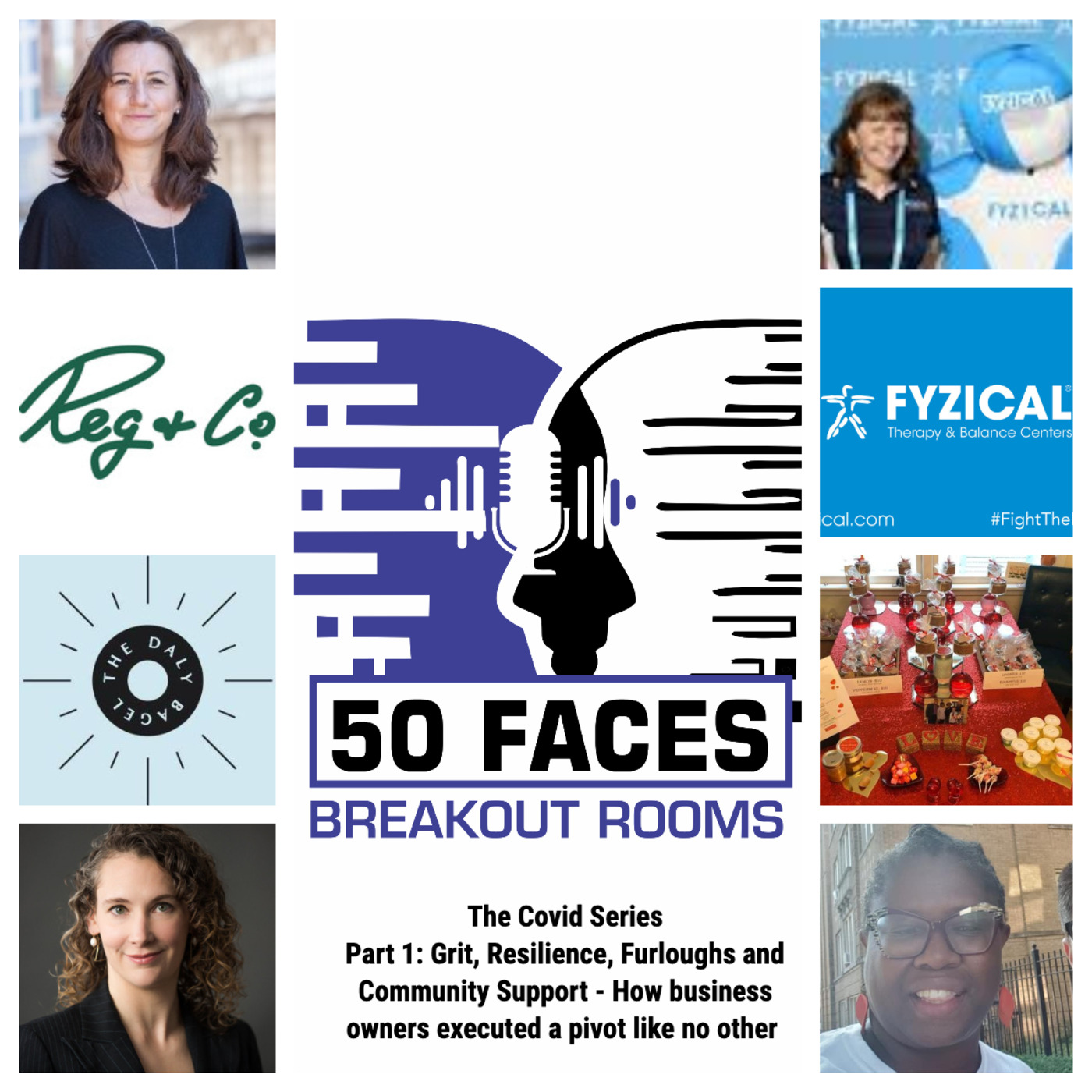
Speaker C: Welcome to our 50 Faces breakout room, where we focus on the impact of the COVID-19 pandemic on a small group of small business owners. The COVID-19 pandemic and government responses have upended society. And have wreaked havoc on small businesses in particular. According to data from Homebase, as we now enter the holiday season and year-end, metrics in terms of hours worked, the number of businesses open, and the number of employees working have sunk to pre-summer levels. The number of small business owners who don’t know if their business will survive has fallen to 34% from 24% in July, while 6% believe it won’t from 3% in July. Shuttered shops and restaurants dot the landscape as return to the office sputters. While city centers feel hollowed out, some suburban communities have thrived as their newly stay-at-home populations seek diversion and somewhere to spend their money. And small businesses are often scrappy. They are used to pivoting, to having to adapt to survive. In this breakout room, we talked to a diverse group of business owners based in the UK and the US. What we learned from our conversations sometimes surprised us. Sometimes it was sadly predictable, however. The shocks and setbacks of forced closures and the suddenness with which they descended forced everyone to pivot and to adapt. What was surprising, however, was the rally of a community and the support of a business community. Some of our business owners face a landscape that has changed utterly. For others, it is the same business, however not business as usual. First, we hear from Karen Morris, who is the founder of Reg Co. A sponsorship and partnership specialist that works across the sport, arts, and entertainment charity and public sectors. She works with clients such as Transport.
Essential Oils: For London— mind the gap between the train and the platform, mind the gap—.
Speaker C: Which has seen a 95% fall in advertising revenues and a precipitous fall in foot traffic since the pandemic.
Essential Oils: We are in London, and I set up in 2003, and we are a fundraising and sponsorship and brand partnership consultancy. So we work with clients and organisations across very many sectors to find partners and sponsors and sometimes grant funding to fund their projects. It was pretty devastating actually in April because we lost all our summer events. We lost events in May, Photo London for example, which then moved to October with the premise that it would be an art fair, photography fair, and that didn’t happen. It became digital because I think there was an idea that people would postpone. Obviously in April we didn’t realize that we would still be in lockdown on the 1st of December, and people were very nervous about traveling, so any kind of event this year that has relied on groups of people, relied on any kind of overseas travel, have all disappeared from the calendar. We were left with probably about 30% of our sort of estimated revenue in April and May of what we kind of went into the financial year on, so it was pretty devastating.
Speaker C: I asked Karen how she pivoted from early April.
Essential Oils: I think the thing that saved us at that point was the furlough, because we put 2 of the team on furlough initially because we just didn’t have the work to service while we sort of thought through what we might do, and then it was a case of reaching out to different clients. We won a couple of new that clients have made June, one’s a national retailer and we look after now their loyalty and membership and competitions and prizes. So using our existing kind of network to find people that would do online competitions, we sat and helped people with their digital events I mean, that’s been a real challenge because as much as you might go to a conference, a lot of the, the revenue is sponsorship of sessions, it’s networking, and obviously it’s delegate income. So everybody was squeezed if they were trying to run their conferences online. There was a lot of optimism sort of April, May, June about the autumn having kind of maybe events with a digital element, and in fact Photo London’s fair in October, we brought in the headline partner Nikon, so that was a great piece of business for us and for them, and we ran a partnership around talks online that actually sold out and went really well, so that was really encouraging. Obviously nowhere near the revenue that you would make if it was the real fair with 40,000 people going across the weekend.
Speaker C: The furloughs she refers to were only a piece of the assistance, however, and Karen described how they used the Business Loan Scheme were enabled to use the Part-Time Programme to creatively find the staff she needed to dial up and dial down their employee needs.
Essential Oils: When we got a business loan that actually we haven’t to date used, but it’s there, and obviously we would use it if we thought there was something worth investing in. So that, and that came through within 48 hours, which is fantastic because it just gave you that kind of sense of security. Things were really tough, that there was some cash there, and obviously the first year you pay no interest. And the furlough scheme, particularly when they made it part-time, meant that we could bring the team back. You know, in fact, they’re working sort of 60%, and it meant that we could kind of skill swap. So there were people that you needed in the business some of the time for some of the projects, so that’s worked really well. So I do feel supported by both the furlough scheme and the business loan.
Speaker C: I asked her how the transition from physical to online events was felt by customers, whether it had the same impact, and whether sponsors felt like they were still getting the same value for money. I also asked her how they are bridging the gap between the two.
Essential Oils: So I think there’s nowhere near the engagement online that there is if you’re physically at an event or a conference. I think there’s a lot missing. So we work with the International Wine and Spirits Competition, which has been around since 1969. And it’s normally in the an amazing event at Guildhall, and it’s all of the gins and spirits and wines from around the world that are judged, and then there’s a tasting followed by dinner, and it’s a really well-attended event that sells out sort of 500 seats every year. That became a 40-minute video presentation, so for all of the sponsors that we’ve worked with over the last 3 or 4 years, there was a sense of, “I’ve got a sponsor credit on a video. I’ve got some nice content I can share on my platform.” And although, you know, I think there’s nearly 3,000 views last time I looked, a lot more people have watched it than would attend the physical event. There’s none of that business networking, and there’s none of that interaction in terms of getting to know people within the industry, which is why you would become a sponsor. So what we’ve done for all of our sponsors there is that ’21, and we don’t know the format for ’21 because it’s in November, so it’s hopefully quite a long way off, it will be an event of some description, we’ve rolled their sponsorship, so they’ve paid this year and they’ll have ’21, you know, at a very much reduced rate. And I think that’s the fear for me for ’21, is that if we’re doing kind of virtual and live events and the sponsors from this year are carrying their fees over, I mean, our business works a lot on taking a percentage of the revenue we the, you generate, know, the revenue will be less and therefore the percentages will be less, and yet the work is equal if not more of convincing people that, you know, to come on the journey to pivot to a digital event rather than a real-life event.
Speaker C: And what does it look like when an events business looks to the future, to a still uncertain 2021? What do they see?
Essential Oils: It was a great time of reflection to have a look at you business, know, what are we doing well, what do you know, do we, what we find more challenging, and we’ve just recently won this week another piece of business doing this sort of loyalty and competitions and sort of customer engagement, which we’ve not done before, sort of more brand partnerships and sponsorship. So that’s exciting for us as a business because we’re good at it. I mean, we’ve done 48 partnerships for our retail client this year since April. So we’ve got a really good network now that we didn’t have before, and new businesses online, lots and lots of new online businesses that we’re helping. That we probably wouldn’t have approached before because the entry cost to be a partner of, you know, the Racing League or go to London or skate at Somerset House, for example, is quite high and well, well that, you know, with not in the reach of a sort of startup online business. But because we’ve got sort of more tactical promotional campaigns, we’ve been able to build that side of the business. So hopefully we’ll remain in that kind of sphere, new area for us, and keep winning business, which will support the other side of the business, which has seen a kind of real blow to to the, the revenue and the projects that haven’t happened.
Speaker C: Let’s cross the ocean now to hear from Mary Ratchford, who is a co-owner at Physikal, a physical therapy and balance center in Naperville, Illinois. She talks to us about the stresses of not only being a business owner, but also one in the medical field.
Speaker D: I am a physical therapist in Naperville, Illinois, which is about 30 miles west of the city of Chicago. And I opened the clinic in 1994 with my partner at the time because we knew there was a definite need for rehabilitation needs in the western suburbs. So I bought him out a few years later, and then with my husband Gary, for the next 20 years, we thrived as a little mom-and-pop shop. Shop until about 5 or 6 years ago when the healthcare scene really started to change and we found it very difficult to find referrals and basically be profitable. So at that time we joined a franchise called Fyzical, which was relatively new at the time, and it’s spelled F-Y-Z-I-C-A-L. And I like to say it’s spelled differently because we are different. And at the time we just felt like that franchise really was in line with our values, our philosophies, and our treatment needs. So we joined, and since then we’ve really grown and have been expanding our services. We now have a staff of 15, which include PTs, PT assistants, OTs, aides, office staff.
Speaker C: So it’s clear that over the last 20 years, Mary and her business have been used to pivoting as the business changes. They have always known that they were resilient and could pivot. However, the COVID-19 shutdown was like nothing they had ever seen.
Speaker D: So that was quite sudden and quite dramatic, and I believe it was about the second week in March when patients started calling and canceling, and we started discharging patients earlier than we normally would have, giving them home programs, and we literally went from a staff of 15 to a staff of 2. 2 in 1 week. It was very crazy. And we did have a few patients at the time who really needed to continue their rehab because they just had replacements or they had very severe injuries and they needed to have the physical therapy. So we were able to stay open because we are considered an essential business. But we didn’t find there were many patients that really wanted to come in because everybody was in lockdown. We also at that time were able to transition many of the patients to telehealth services, which at the time we had just dabbled in a bit but became very proficient at it because we were forced to. And since then, many of the patients have either stayed on to telehealth or have used it just like suddenly we were in another position where cases are rising and they feel more comfortable doing telehealth versus coming into the clinic. I transitioned to working from home completely because I had many other things I could do from home. So I dove right into all the social media that I could possibly learn about. I, again, dabbled in Facebook, Instagram, and Twitter, but I tried to learn as much as I could about blogging and emailing to patients, getting the word out so the community knew that we were still open, we could still provide services. We transitioned our exercise classes to online streaming, which we still do today. We have two senior exercise classes that run Tuesday and Thursday at 1 o’clock and actually have people from Ireland, from Greece, from Denmark that tune in with Dina, the occupational therapist, for her 45 minutes of exercise. And we also have a yoga class that we’ve, we’ve been doing now in person, but only about 4 to 6 people attend it. And then we have been streaming those online as well. So it was quite a change for our system, but we’ve, we’ve adjusted and really thrived thrived in it now.
Speaker C: This pivot to telemedicine, in her case, but also onto social media, was a steep learning curve for Mary, but one that was forced by necessity. And that learning curve is one that we see again and again, as well as adapting and learning to service customers in the new normal. Again, the business community was a powerful resource, and as a result, the future looks bright for the physical therapy business, with growth and expansion plans in their future.
Speaker D: Our franchise leaders have done an excellent job in educating us through webinars, Zoom meetings, on all of the regulations that we had to become familiar with, government websites, forms to fill out for loans, Medicare guidelines, a number of issues. And then in Illinois, here actually in Naperville, the Illinois Physical Therapy Association is located, and they did the same thing coming out with numerous webinars, emails, giving us the knowledge we would need to navigate this uncertain territory that none of us had been through before. And I can’t thank those people enough, and especially other owners, even in different healthcare fields. If I had any kind of questions, I would text out a group and have an answer in a number of minutes. So it’s been really wonderful to see the healthcare community come together to try to support each other. I don’t think we will go back to business as usual for quite a while, but I do think that the future is very bright for us. We are looking forward to 2021 and in fact even thinking about expanding because we are at max capacity for our location right now, and we would like to grow our footprint in the Chicagoland area. So we really look forward to touching more lives, and I think now that we have access to telehealth, and we, we can go globally, right?
Speaker C: Staying in Illinois, one of the most inspiring stories of the past 9 months was the long-awaited opening of a suburban bagel shop, The Daily Bagel, which brought traditional East Coast-style bagels to the Midwest, which has always been a bit of a wasteland for bagel connoisseurs. Amanda Daly started her business from her home, perfecting and painstakingly testing her recipes before sharing her treats with neighbors and a quickly growing loyal body of followers. From there, she graduated to occasional pop-ups, which saw viral levels of excitement in the Chicago suburbs. On Saturday mornings, it saw lines winding down the streets and empty shelves within a few short hours. Her journey to set up her own bagel shop was supported by a Kickstarter campaign and was a true labor of love with massive community support. When she finally opened her store in April 2020, after a series of delays and in the middle of a pandemic, It was a beacon of joy and hope for the community. Amanda talked to me from her shop in Oak Park. We talked to her about what it was that motivated her to start her business.
to our: I’m originally from the East Coast, from New Jersey, and after we moved here to Oak Park, Illinois, just outside Chicago, I really missed, you know, bagels from home. And I have a son who’s a very picky eater and When we were really kind of unable to find the proper bagels, it sort of launched this whole bagel business. We started out of my house, like out of my home kitchen, at this point probably about 2.5 years ago. And then the business kind of proceeded, we moved into a shared commercial kitchen and did pop-ups and farmers markets and things like that until we finally opened our storefront here in Oak Park in— we opened on April 27th of this year, so right in the middle of the pandemic. But yeah, we have bagels, you know, by the dozens, all different flavors. We do sandwiches, coffee, espresso drinks, and we really wanted to be kind of a community gathering place for where we are located in the village, which I think we still are despite the fact that we can only have a couple people in the store at a time. But Yeah, that was sort of the whole vision was an East Coast style bagel boutique with a little bit of a spin, you know, a little bit of our own kind of personal take on it.
Speaker C: So as we heard, Amanda opened right in the middle of the pandemic. I asked her what was going through her mind in those tense months.
to our: Well, I mean, I guess a great deal of panic, like just about everyone. You know, we had really thought— our opening day got pushed back multiple times because of delays and build out and everything else. Originally, we thought we were going to open the summer of 2019, and we unfortunately didn’t. Then we thought, okay, we’re going to be open by Thanksgiving of 2019, and of course we didn’t. But we actually really thought we were— that was— we were very, very close. I had actually hired people that were going to— supposed to start in November of last year, really this time last year. We were all completely set to go, and then there was one issue with some of the venting in the space that pushed everything back by quite a bit. When we were sort of wading through the winter trying to get everything squared away and looking at planning on opening in the spring. It was really as COVID was ramping up and we were realizing how serious it was and how much it was starting to impact life. And then of course the lockdown in March, which was really only a month out from when we were opening, we realized pretty quickly that, you know, everything that we kind of thought we were going to do was sort of out the window and we were going to have to really rethink a lot of things for how we were going to proceed. So we had always really wanted to have— to preserve that, you know, community engagement piece of— that had really been such an integral part of the business during our pop-ups and, you know, while I was at my house and everything else. And we really saw this as a community gathering place. And with gatherings not happening or being allowed, you know, we had to really think about, okay, how do we still preserve that piece while making this as efficient and safe as possible for everyone coming in the store. So we had to do a couple things, which was, you know, offer curbside right away and really limit the amount of people that were coming in here and just trying to be as efficient as possible. And I did not come out of a food service background, so a lot of this was a learning curve anyway. But it— we really had to like rethink about how we were progressing. So we started with just bagels and cream cheese. We put the cream cheese on the side. We didn’t want to handle things as much as possible. And we just kept the menu really, really limited when we first opened. Drip coffee and bagels and that was it. And then, you know, as we progressed through the stages, as we got more sophisticated in our own operations here, we were able to add in, you know, different products on our menu slowly but surely until we were making sure that we were keeping people kind of coming through the store in a way that, you know, didn’t make people wait super long. I hate making people wait, but also, you know, was manageable from our side. So I would say definitely curbside. We started with delivery too right at the beginning, which we had to roll back because it was a little bit more than we could handle, but we’re hoping to add delivery back in in the next couple weeks, actually hopefully right after Thanksgiving. And yeah, there really are so many balls in the air and so many things that we’re kind of constantly thinking about, not just, you know, when we opened, but from day to day. You know, there’s— we’re trying to read the situation, which, you know, can be somewhat fluid, and try to make decisions based on, you know, what are we hearing today, what’s the best course of action, how can we handle this, you know, things like that. So I think that’s probably like the one big overarching theme in all of this.
Speaker C: So clearly her business has been stress tested at an early stage and certain changes have been accelerated. I did, however, feel I had to ask her whether there was any time when she considered not going ahead with the opening.
to our: We were always going to do it and just figure out a way. I I think, think because of the pandemic, we were, we basically had to rethink how we did it, um, for sure. But, um, I think we had the thought that, okay, even if we open and we only have 2 or 3 people doing this and we can only make so many bagels at a time, like, let’s do this however we can, however safe, you know, to keep our staff safe and keep everyone that’s coming in our door safe. And if that’s just really, really limited, then it’s really, really limited. But, you know, we’ll do this however we can as long as we can. Yeah, I really honestly don’t feel like I feel like every ounce of success we’ve had, every challenge that we’ve overcome has been because of the community involved with this. I just, I really do feel like this is, yes, it’s a labor of love, but it’s so many people’s love that has contributed to the success and to the growth of the business. And to feel that, especially during a time right now when we all feel so isolated, to have that community of people behind you, I just, Honestly, I get choked up like every time I think about it. Like, I just, I really, I feel so fortunate and to really see the best in humanity through this entire process at a time when we are all feeling isolated and stressed out. I’m so thankful.
Speaker C: And staying local, I wanted to share the story of Kina Bonds, who is the brainchild behind Spread the Love Body Butters and Scrubs with Essential Oils. Kina is a single mother who developed this business from her home a few years ago in addition to her day job. She sells her products at craft fairs and through social media, but her following is mostly through word of mouth. Her experience during COVID-19 reveals the power of community support and the overwhelming desire to support local businesses, and particularly Black-owned businesses, in the aftermath of the killing of George Floyd and the social upheaval that followed. Let’s hear from Keena.
Speaker E: I go by the name of Keena Renee, and the name of my business is Spread the Love Body Butters and Scrubs with Essential Oils. I create body butters, which is nothing but a lotion, and I do body scrubs, which is an exfoliant. My business started about 3 years ago. It started out of a place of need. I’m a single mom and I needed to bring some extra money in my household just to maintain the everyday bills and put food on the table. So that’s how my business came about, and I’ve been doing it basically for 3 years. It really took off last year, and the reason is I had an opportunity to do a lot of vending events, which is great for crafters like myself. I started off as a crafter before it became an official business, and that’s how I found out if it was a product that people really liked or not. And, uh, I’ve been doing it for 3 years now, and it’s been great. Um, since COVID hit.
Essential Oils: I kind.
Speaker E: Can’T— kind.
Essential Oils: Of—.
Speaker E: I I of hit a little rough spot, but I was blessed by two women in our community. One lady, her name is Rachel Boltinghouse, and Demma Ali. Rachel Boltinghouse were making masks for people for free, and people wanted to purchase her mask. And instead of her telling them to buy the mask, she directed them to me. She said, instead of paying for it, can you go and support my friend? Who has a small business who’s struggling right now, and she sent all her customers to me. And I think that kind of really got me out there because a lot of— I don’t know everybody in Oak Park, you know, I just know a handful of people, and I’ve been doing my business by word of mouth. So with her doing that, I think that helped push my business out there to people who I never would have even gotten my product to if it wasn’t for her. And Deema Ali, she started doing stuff in the community for women of color, especially with the COVID and when the Black Lives Matter, all that started happening. It just became stressful for people. So she wanted to do something for the women of color as well. So she made care packets and she asked people to support the different businesses, businesses in Oak Park that were ran by people of color. And one of my businesses, one of the businesses that people from everywhere just started hitting me up. It was kind of a blessing for me and my business.
Speaker C: Keena has also been forced to adapt to COVID protocols in her business.
Speaker E: I do curbside pickup, so if they want to order, they can pick it up at my place. They don’t have to get out their car. I go out, mask up, hand it to them, or they’ll tell me to just put it in the back seat and I’ll pass it to them. Or I can ship it to people. Like, if people don’t live in a community, I do shipping anywhere in the United States.
Speaker C: But she’s still clearly having a nice chance to innovate and pursue her creative side.
Speaker E: I’m trying to market to more men now to get my product out there. So I actually did an event at a barbershop, and that was successful. That was my first barbershop event, and it went well. So I’m happy about that. And I’m a creative person anyway, so I’m always trying to come up with ideas. I just recently got a shirt made and it’s like 16 businesses that I call them my family and I put their business name on the back of my shirt. So that’ll be walking advertisement and I just share their stuff on Facebook. So even though, you know, I want my business to prosper, but again, I want all of us to prosper.
Speaker C: So we can see from these stories that grit, resilience, the power of community, The need to adapt and survive. These are the traits that have kept small businesses afloat during this unprecedented year. This podcast is a tribute to them and their strength. I’m Aoifinn O’Devitt. Thank you to Karen, Mary, Amanda, and Kena for sharing their experiences, and thank you for listening to the 50 Faces Breakout Rooms. This podcast is for informational purposes only and should not be construed as investment advice, and all views are personal and should not be attributed to the organizations and affiliations of the host or any guest.
Essential Oils: 2.6 billion pounds was spent last year in 2019 on music and live events, and this year it’s been zero.
to our: To feel that, especially during a time right now when we all feel so isolated, to have that community of people behind you, I just honestly, I get choked up like every time I think about it. Like, I just, I really, I feel so fortunate, and to really see the best in humanity through this entire process at a time when— we are all feeling isolated and stressed out. I’m so thankful.
Speaker C: Welcome to our 50 Faces breakout room, where we focus on the impact of the COVID-19 pandemic on a small group of small business owners. The COVID-19 pandemic and government responses have upended society. And have wreaked havoc on small businesses in particular. According to data from Homebase, as we now enter the holiday season and year-end, metrics in terms of hours worked, the number of businesses open, and the number of employees working have sunk to pre-summer levels. The number of small business owners who don’t know if their business will survive has fallen to 34% from 24% in July, while 6% believe it won’t from 3% in July. Shuttered shops and restaurants dot the landscape as return to the office sputters. While city centers feel hollowed out, some suburban communities have thrived as their newly stay-at-home populations seek diversion and somewhere to spend their money. And small businesses are often scrappy. They are used to pivoting, to having to adapt to survive. In this breakout room, we talked to a diverse group of business owners based in the UK and the US. What we learned from our conversations sometimes surprised us. Sometimes it was sadly predictable, however. The shocks and setbacks of forced closures and the suddenness with which they descended forced everyone to pivot and to adapt. What was surprising, however, was the rally of a community and the support of a business community. Some of our business owners face a landscape that has changed utterly. For others, it is the same business, however not business as usual. First, we hear from Karen Morris, who is the founder of Reg Co. A sponsorship and partnership specialist that works across the sport, arts, and entertainment charity and public sectors. She works with clients such as Transport.
Essential Oils: For London— mind the gap between the train and the platform, mind the gap—.
Speaker C: Which has seen a 95% fall in advertising revenues and a precipitous fall in foot traffic since the pandemic.
Essential Oils: We are in London, and I set up in 2003, and we are a fundraising and sponsorship and brand partnership consultancy. So we work with clients and organisations across very many sectors to find partners and sponsors and sometimes grant funding to fund their projects. It was pretty devastating actually in April because we lost all our summer events. We lost events in May, Photo London for example, which then moved to October with the premise that it would be an art fair, photography fair, and that didn’t happen. It became digital because I think there was an idea that people would postpone. Obviously in April we didn’t realize that we would still be in lockdown on the 1st of December, and people were very nervous about traveling, so any kind of event this year that has relied on groups of people, relied on any kind of overseas travel, have all disappeared from the calendar. We were left with probably about 30% of our sort of estimated revenue in April and May of what we kind of went into the financial year on, so it was pretty devastating.
Speaker C: I asked Karen how she pivoted from early April.
Essential Oils: I think the thing that saved us at that point was the furlough, because we put 2 of the team on furlough initially because we just didn’t have the work to service while we sort of thought through what we might do, and then it was a case of reaching out to different clients. We won a couple of new that clients have made June, one’s a national retailer and we look after now their loyalty and membership and competitions and prizes. So using our existing kind of network to find people that would do online competitions, we sat and helped people with their digital events I mean, that’s been a real challenge because as much as you might go to a conference, a lot of the, the revenue is sponsorship of sessions, it’s networking, and obviously it’s delegate income. So everybody was squeezed if they were trying to run their conferences online. There was a lot of optimism sort of April, May, June about the autumn having kind of maybe events with a digital element, and in fact Photo London’s fair in October, we brought in the headline partner Nikon, so that was a great piece of business for us and for them, and we ran a partnership around talks online that actually sold out and went really well, so that was really encouraging. Obviously nowhere near the revenue that you would make if it was the real fair with 40,000 people going across the weekend.
Speaker C: The furloughs she refers to were only a piece of the assistance, however, and Karen described how they used the Business Loan Scheme were enabled to use the Part-Time Programme to creatively find the staff she needed to dial up and dial down their employee needs.
Essential Oils: When we got a business loan that actually we haven’t to date used, but it’s there, and obviously we would use it if we thought there was something worth investing in. So that, and that came through within 48 hours, which is fantastic because it just gave you that kind of sense of security. Things were really tough, that there was some cash there, and obviously the first year you pay no interest. And the furlough scheme, particularly when they made it part-time, meant that we could bring the team back. You know, in fact, they’re working sort of 60%, and it meant that we could kind of skill swap. So there were people that you needed in the business some of the time for some of the projects, so that’s worked really well. So I do feel supported by both the furlough scheme and the business loan.
Speaker C: I asked her how the transition from physical to online events was felt by customers, whether it had the same impact, and whether sponsors felt like they were still getting the same value for money. I also asked her how they are bridging the gap between the two.
Essential Oils: So I think there’s nowhere near the engagement online that there is if you’re physically at an event or a conference. I think there’s a lot missing. So we work with the International Wine and Spirits Competition, which has been around since 1969. And it’s normally in the an amazing event at Guildhall, and it’s all of the gins and spirits and wines from around the world that are judged, and then there’s a tasting followed by dinner, and it’s a really well-attended event that sells out sort of 500 seats every year. That became a 40-minute video presentation, so for all of the sponsors that we’ve worked with over the last 3 or 4 years, there was a sense of, “I’ve got a sponsor credit on a video. I’ve got some nice content I can share on my platform.” And although, you know, I think there’s nearly 3,000 views last time I looked, a lot more people have watched it than would attend the physical event. There’s none of that business networking, and there’s none of that interaction in terms of getting to know people within the industry, which is why you would become a sponsor. So what we’ve done for all of our sponsors there is that ’21, and we don’t know the format for ’21 because it’s in November, so it’s hopefully quite a long way off, it will be an event of some description, we’ve rolled their sponsorship, so they’ve paid this year and they’ll have ’21, you know, at a very much reduced rate. And I think that’s the fear for me for ’21, is that if we’re doing kind of virtual and live events and the sponsors from this year are carrying their fees over, I mean, our business works a lot on taking a percentage of the revenue we the, you generate, know, the revenue will be less and therefore the percentages will be less, and yet the work is equal if not more of convincing people that, you know, to come on the journey to pivot to a digital event rather than a real-life event.
Speaker C: And what does it look like when an events business looks to the future, to a still uncertain 2021? What do they see?
Essential Oils: It was a great time of reflection to have a look at you business, know, what are we doing well, what do you know, do we, what we find more challenging, and we’ve just recently won this week another piece of business doing this sort of loyalty and competitions and sort of customer engagement, which we’ve not done before, sort of more brand partnerships and sponsorship. So that’s exciting for us as a business because we’re good at it. I mean, we’ve done 48 partnerships for our retail client this year since April. So we’ve got a really good network now that we didn’t have before, and new businesses online, lots and lots of new online businesses that we’re helping. That we probably wouldn’t have approached before because the entry cost to be a partner of, you know, the Racing League or go to London or skate at Somerset House, for example, is quite high and well, well that, you know, with not in the reach of a sort of startup online business. But because we’ve got sort of more tactical promotional campaigns, we’ve been able to build that side of the business. So hopefully we’ll remain in that kind of sphere, new area for us, and keep winning business, which will support the other side of the business, which has seen a kind of real blow to to the, the revenue and the projects that haven’t happened.
Speaker C: Let’s cross the ocean now to hear from Mary Ratchford, who is a co-owner at Physikal, a physical therapy and balance center in Naperville, Illinois. She talks to us about the stresses of not only being a business owner, but also one in the medical field.
Speaker D: I am a physical therapist in Naperville, Illinois, which is about 30 miles west of the city of Chicago. And I opened the clinic in 1994 with my partner at the time because we knew there was a definite need for rehabilitation needs in the western suburbs. So I bought him out a few years later, and then with my husband Gary, for the next 20 years, we thrived as a little mom-and-pop shop. Shop until about 5 or 6 years ago when the healthcare scene really started to change and we found it very difficult to find referrals and basically be profitable. So at that time we joined a franchise called Fyzical, which was relatively new at the time, and it’s spelled F-Y-Z-I-C-A-L. And I like to say it’s spelled differently because we are different. And at the time we just felt like that franchise really was in line with our values, our philosophies, and our treatment needs. So we joined, and since then we’ve really grown and have been expanding our services. We now have a staff of 15, which include PTs, PT assistants, OTs, aides, office staff.
Speaker C: So it’s clear that over the last 20 years, Mary and her business have been used to pivoting as the business changes. They have always known that they were resilient and could pivot. However, the COVID-19 shutdown was like nothing they had ever seen.
Speaker D: So that was quite sudden and quite dramatic, and I believe it was about the second week in March when patients started calling and canceling, and we started discharging patients earlier than we normally would have, giving them home programs, and we literally went from a staff of 15 to a staff of 2. 2 in 1 week. It was very crazy. And we did have a few patients at the time who really needed to continue their rehab because they just had replacements or they had very severe injuries and they needed to have the physical therapy. So we were able to stay open because we are considered an essential business. But we didn’t find there were many patients that really wanted to come in because everybody was in lockdown. We also at that time were able to transition many of the patients to telehealth services, which at the time we had just dabbled in a bit but became very proficient at it because we were forced to. And since then, many of the patients have either stayed on to telehealth or have used it just like suddenly we were in another position where cases are rising and they feel more comfortable doing telehealth versus coming into the clinic. I transitioned to working from home completely because I had many other things I could do from home. So I dove right into all the social media that I could possibly learn about. I, again, dabbled in Facebook, Instagram, and Twitter, but I tried to learn as much as I could about blogging and emailing to patients, getting the word out so the community knew that we were still open, we could still provide services. We transitioned our exercise classes to online streaming, which we still do today. We have two senior exercise classes that run Tuesday and Thursday at 1 o’clock and actually have people from Ireland, from Greece, from Denmark that tune in with Dina, the occupational therapist, for her 45 minutes of exercise. And we also have a yoga class that we’ve, we’ve been doing now in person, but only about 4 to 6 people attend it. And then we have been streaming those online as well. So it was quite a change for our system, but we’ve, we’ve adjusted and really thrived thrived in it now.
Speaker C: This pivot to telemedicine, in her case, but also onto social media, was a steep learning curve for Mary, but one that was forced by necessity. And that learning curve is one that we see again and again, as well as adapting and learning to service customers in the new normal. Again, the business community was a powerful resource, and as a result, the future looks bright for the physical therapy business, with growth and expansion plans in their future.
Speaker D: Our franchise leaders have done an excellent job in educating us through webinars, Zoom meetings, on all of the regulations that we had to become familiar with, government websites, forms to fill out for loans, Medicare guidelines, a number of issues. And then in Illinois, here actually in Naperville, the Illinois Physical Therapy Association is located, and they did the same thing coming out with numerous webinars, emails, giving us the knowledge we would need to navigate this uncertain territory that none of us had been through before. And I can’t thank those people enough, and especially other owners, even in different healthcare fields. If I had any kind of questions, I would text out a group and have an answer in a number of minutes. So it’s been really wonderful to see the healthcare community come together to try to support each other. I don’t think we will go back to business as usual for quite a while, but I do think that the future is very bright for us. We are looking forward to 2021 and in fact even thinking about expanding because we are at max capacity for our location right now, and we would like to grow our footprint in the Chicagoland area. So we really look forward to touching more lives, and I think now that we have access to telehealth, and we, we can go globally, right?
Speaker C: Staying in Illinois, one of the most inspiring stories of the past 9 months was the long-awaited opening of a suburban bagel shop, The Daily Bagel, which brought traditional East Coast-style bagels to the Midwest, which has always been a bit of a wasteland for bagel connoisseurs. Amanda Daly started her business from her home, perfecting and painstakingly testing her recipes before sharing her treats with neighbors and a quickly growing loyal body of followers. From there, she graduated to occasional pop-ups, which saw viral levels of excitement in the Chicago suburbs. On Saturday mornings, it saw lines winding down the streets and empty shelves within a few short hours. Her journey to set up her own bagel shop was supported by a Kickstarter campaign and was a true labor of love with massive community support. When she finally opened her store in April 2020, after a series of delays and in the middle of a pandemic, It was a beacon of joy and hope for the community. Amanda talked to me from her shop in Oak Park. We talked to her about what it was that motivated her to start her business.
to our: I’m originally from the East Coast, from New Jersey, and after we moved here to Oak Park, Illinois, just outside Chicago, I really missed, you know, bagels from home. And I have a son who’s a very picky eater and When we were really kind of unable to find the proper bagels, it sort of launched this whole bagel business. We started out of my house, like out of my home kitchen, at this point probably about 2.5 years ago. And then the business kind of proceeded, we moved into a shared commercial kitchen and did pop-ups and farmers markets and things like that until we finally opened our storefront here in Oak Park in— we opened on April 27th of this year, so right in the middle of the pandemic. But yeah, we have bagels, you know, by the dozens, all different flavors. We do sandwiches, coffee, espresso drinks, and we really wanted to be kind of a community gathering place for where we are located in the village, which I think we still are despite the fact that we can only have a couple people in the store at a time. But Yeah, that was sort of the whole vision was an East Coast style bagel boutique with a little bit of a spin, you know, a little bit of our own kind of personal take on it.
Speaker C: So as we heard, Amanda opened right in the middle of the pandemic. I asked her what was going through her mind in those tense months.
to our: Well, I mean, I guess a great deal of panic, like just about everyone. You know, we had really thought— our opening day got pushed back multiple times because of delays and build out and everything else. Originally, we thought we were going to open the summer of 2019, and we unfortunately didn’t. Then we thought, okay, we’re going to be open by Thanksgiving of 2019, and of course we didn’t. But we actually really thought we were— that was— we were very, very close. I had actually hired people that were going to— supposed to start in November of last year, really this time last year. We were all completely set to go, and then there was one issue with some of the venting in the space that pushed everything back by quite a bit. When we were sort of wading through the winter trying to get everything squared away and looking at planning on opening in the spring. It was really as COVID was ramping up and we were realizing how serious it was and how much it was starting to impact life. And then of course the lockdown in March, which was really only a month out from when we were opening, we realized pretty quickly that, you know, everything that we kind of thought we were going to do was sort of out the window and we were going to have to really rethink a lot of things for how we were going to proceed. So we had always really wanted to have— to preserve that, you know, community engagement piece of— that had really been such an integral part of the business during our pop-ups and, you know, while I was at my house and everything else. And we really saw this as a community gathering place. And with gatherings not happening or being allowed, you know, we had to really think about, okay, how do we still preserve that piece while making this as efficient and safe as possible for everyone coming in the store. So we had to do a couple things, which was, you know, offer curbside right away and really limit the amount of people that were coming in here and just trying to be as efficient as possible. And I did not come out of a food service background, so a lot of this was a learning curve anyway. But it— we really had to like rethink about how we were progressing. So we started with just bagels and cream cheese. We put the cream cheese on the side. We didn’t want to handle things as much as possible. And we just kept the menu really, really limited when we first opened. Drip coffee and bagels and that was it. And then, you know, as we progressed through the stages, as we got more sophisticated in our own operations here, we were able to add in, you know, different products on our menu slowly but surely until we were making sure that we were keeping people kind of coming through the store in a way that, you know, didn’t make people wait super long. I hate making people wait, but also, you know, was manageable from our side. So I would say definitely curbside. We started with delivery too right at the beginning, which we had to roll back because it was a little bit more than we could handle, but we’re hoping to add delivery back in in the next couple weeks, actually hopefully right after Thanksgiving. And yeah, there really are so many balls in the air and so many things that we’re kind of constantly thinking about, not just, you know, when we opened, but from day to day. You know, there’s— we’re trying to read the situation, which, you know, can be somewhat fluid, and try to make decisions based on, you know, what are we hearing today, what’s the best course of action, how can we handle this, you know, things like that. So I think that’s probably like the one big overarching theme in all of this.
Speaker C: So clearly her business has been stress tested at an early stage and certain changes have been accelerated. I did, however, feel I had to ask her whether there was any time when she considered not going ahead with the opening.
to our: We were always going to do it and just figure out a way. I I think, think because of the pandemic, we were, we basically had to rethink how we did it, um, for sure. But, um, I think we had the thought that, okay, even if we open and we only have 2 or 3 people doing this and we can only make so many bagels at a time, like, let’s do this however we can, however safe, you know, to keep our staff safe and keep everyone that’s coming in our door safe. And if that’s just really, really limited, then it’s really, really limited. But, you know, we’ll do this however we can as long as we can. Yeah, I really honestly don’t feel like I feel like every ounce of success we’ve had, every challenge that we’ve overcome has been because of the community involved with this. I just, I really do feel like this is, yes, it’s a labor of love, but it’s so many people’s love that has contributed to the success and to the growth of the business. And to feel that, especially during a time right now when we all feel so isolated, to have that community of people behind you, I just, Honestly, I get choked up like every time I think about it. Like, I just, I really, I feel so fortunate and to really see the best in humanity through this entire process at a time when we are all feeling isolated and stressed out. I’m so thankful.
Speaker C: And staying local, I wanted to share the story of Kina Bonds, who is the brainchild behind Spread the Love Body Butters and Scrubs with Essential Oils. Kina is a single mother who developed this business from her home a few years ago in addition to her day job. She sells her products at craft fairs and through social media, but her following is mostly through word of mouth. Her experience during COVID-19 reveals the power of community support and the overwhelming desire to support local businesses, and particularly Black-owned businesses, in the aftermath of the killing of George Floyd and the social upheaval that followed. Let’s hear from Keena.
Speaker E: I go by the name of Keena Renee, and the name of my business is Spread the Love Body Butters and Scrubs with Essential Oils. I create body butters, which is nothing but a lotion, and I do body scrubs, which is an exfoliant. My business started about 3 years ago. It started out of a place of need. I’m a single mom and I needed to bring some extra money in my household just to maintain the everyday bills and put food on the table. So that’s how my business came about, and I’ve been doing it basically for 3 years. It really took off last year, and the reason is I had an opportunity to do a lot of vending events, which is great for crafters like myself. I started off as a crafter before it became an official business, and that’s how I found out if it was a product that people really liked or not. And, uh, I’ve been doing it for 3 years now, and it’s been great. Um, since COVID hit.
Essential Oils: I kind.
Speaker E: Can’T— kind.
Essential Oils: Of—.
Speaker E: I I of hit a little rough spot, but I was blessed by two women in our community. One lady, her name is Rachel Boltinghouse, and Demma Ali. Rachel Boltinghouse were making masks for people for free, and people wanted to purchase her mask. And instead of her telling them to buy the mask, she directed them to me. She said, instead of paying for it, can you go and support my friend? Who has a small business who’s struggling right now, and she sent all her customers to me. And I think that kind of really got me out there because a lot of— I don’t know everybody in Oak Park, you know, I just know a handful of people, and I’ve been doing my business by word of mouth. So with her doing that, I think that helped push my business out there to people who I never would have even gotten my product to if it wasn’t for her. And Deema Ali, she started doing stuff in the community for women of color, especially with the COVID and when the Black Lives Matter, all that started happening. It just became stressful for people. So she wanted to do something for the women of color as well. So she made care packets and she asked people to support the different businesses, businesses in Oak Park that were ran by people of color. And one of my businesses, one of the businesses that people from everywhere just started hitting me up. It was kind of a blessing for me and my business.
Speaker C: Keena has also been forced to adapt to COVID protocols in her business.
Speaker E: I do curbside pickup, so if they want to order, they can pick it up at my place. They don’t have to get out their car. I go out, mask up, hand it to them, or they’ll tell me to just put it in the back seat and I’ll pass it to them. Or I can ship it to people. Like, if people don’t live in a community, I do shipping anywhere in the United States.
Speaker C: But she’s still clearly having a nice chance to innovate and pursue her creative side.
Speaker E: I’m trying to market to more men now to get my product out there. So I actually did an event at a barbershop, and that was successful. That was my first barbershop event, and it went well. So I’m happy about that. And I’m a creative person anyway, so I’m always trying to come up with ideas. I just recently got a shirt made and it’s like 16 businesses that I call them my family and I put their business name on the back of my shirt. So that’ll be walking advertisement and I just share their stuff on Facebook. So even though, you know, I want my business to prosper, but again, I want all of us to prosper.
Speaker C: So we can see from these stories that grit, resilience, the power of community, The need to adapt and survive. These are the traits that have kept small businesses afloat during this unprecedented year. This podcast is a tribute to them and their strength. I’m Aoifinn O’Devitt. Thank you to Karen, Mary, Amanda, and Kena for sharing their experiences, and thank you for listening to the 50 Faces Breakout Rooms. This podcast is for informational purposes only and should not be construed as investment advice, and all views are personal and should not be attributed to the organizations and affiliations of the host or any guest.